Aircraft Certification Archives - Leeham News and Analysis
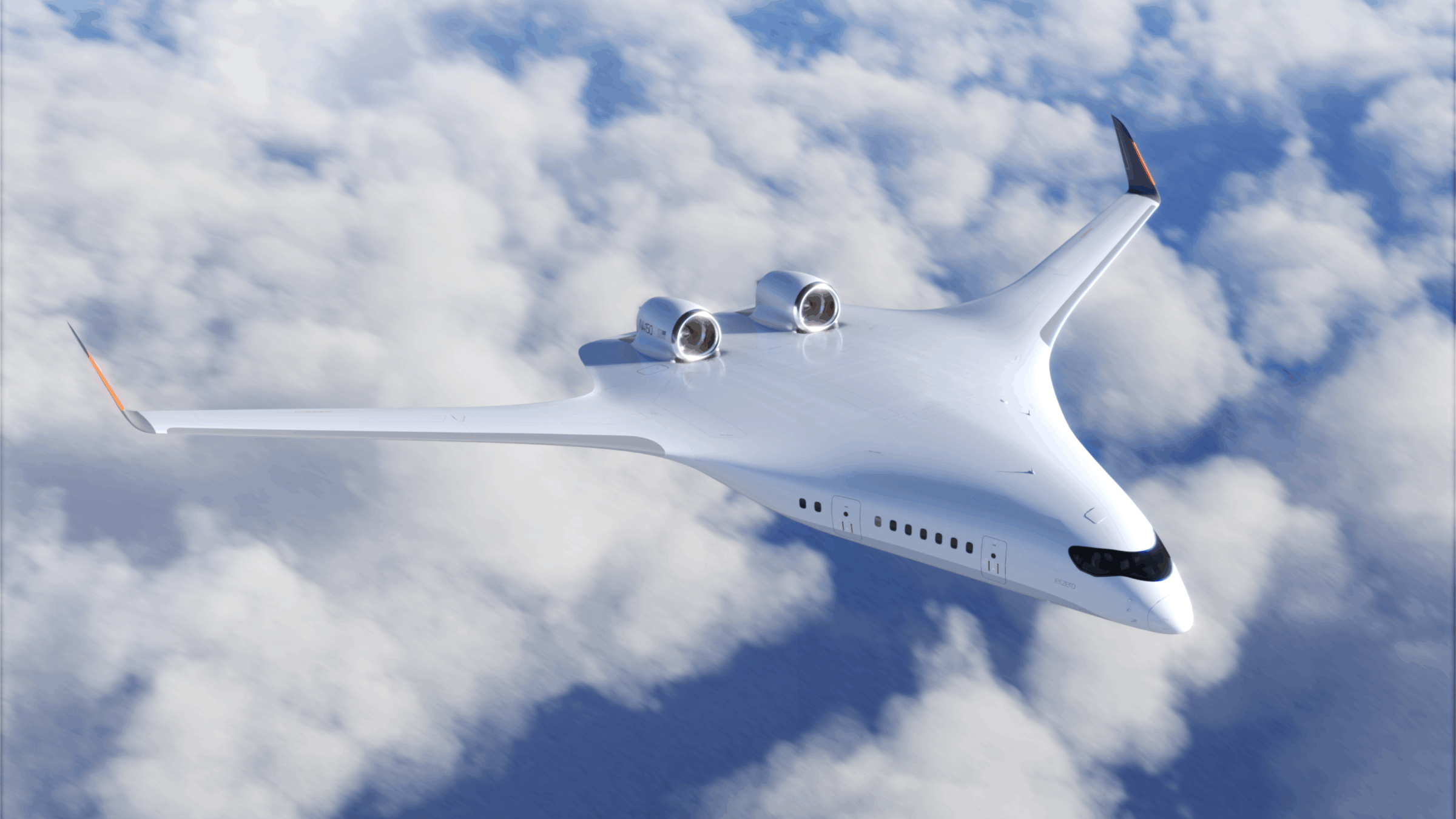
The Blended Wing Body (BWB) airliner concept, exemplified by the JetZero Z4, continues to advance through engineering scrutiny that reveals both promising efficiency gains and substantive structural and human-factors challenges not present in conventional tube-and-wing designs. Leeham News analyst Bjorn Fehrm's ongoing series has reached a critical synthesis phase, having examined how the BWB's wide, box-like pressure cabin fundamentally complicates the structural architecture that has underpinned commercial airliner safety for decades. Unlike the classical design, which elegantly separates cyclic pressure loads in a cylindrical fuselage from aerodynamic wing bending loads via a discrete wingbox, the BWB merges these load paths into a single integrated structure. Fatigue management in this configuration presents engineering challenges that remain unresolved at the prototype-certification level, particularly as the JetZero Z4 would need to satisfy FAA Part 25 transport-category requirements designed around cylindrical pressure vessel assumptions.
Passenger experience and emergency egress on the BWB present regulatory and operational dimensions that directly affect airline planning and pilot emergency procedures. The absence of conventional side windows — replaced by large-format display screens and overhead skylights — raises open questions about spatial orientation for passengers during normal operations, and more pressingly during emergencies. The water-landing scenario exposes a structural reality: the BWB's wide, flat underside may not provide the buoyancy margin necessary to keep standard door-sill exits above the waterline, potentially requiring roof-mounted emergency exits integrated into the skylight apertures. For line pilots, this implies non-standard evacuation flows, revised ditching procedures, and crew training requirements that differ materially from current widebody protocols. Certification of these novel exit configurations under existing Part 25 emergency evacuation standards — which mandate complete aircraft evacuation within 90 seconds using 50 percent of available exits — represents a significant regulatory burden that JetZero and the FAA must resolve before any type certificate is viable.
The concurrent workforce shortage crisis documented by Leeham News contributor Kathryn Creedy adds systemic pressure to an already strained certification and production environment. Industry estimates — $14 billion in maintenance sector losses per the Aeronautical Repair Station Association, $27 billion annually in MRO inefficiencies per Boston Consulting Group, and over $11 billion in additional airline costs per IATA — point to a structural deficit in qualified personnel across the entire aviation value chain. Critically, none of these estimates fully quantifies the compounding cost of safety risk from workforce "juniority" — the measurable decline in aggregate experience on flight decks and in maintenance bays as seasoned professionals retire faster than replacements are produced. The training pipeline itself is compromised by shortages of instructors, professors, and teachers, creating a self-reinforcing bottleneck that technology-centric solutions alone cannot address.
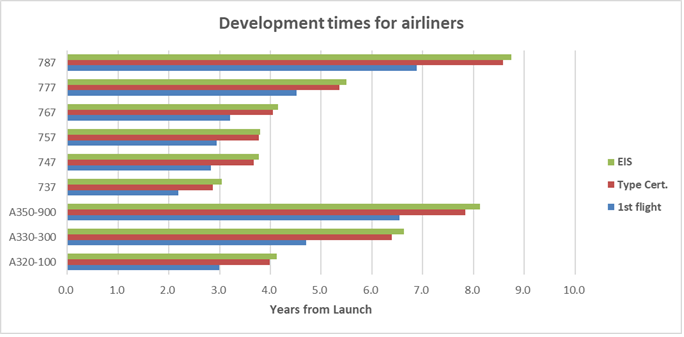
For operators across Part 91, 91K, 135, and the certificated airline sector, these convergent pressures have immediate scheduling, cost, and safety implications. MRO slot scarcity and technician shortfalls translate directly into aircraft-on-ground delays, unscheduled maintenance deferrals, and upward pressure on maintenance contract pricing. Regional carriers, already operating on thin margins, face disproportionate exposure as experienced crews migrate to major carriers and legacy ATP pipelines fail to replenish regional cockpits at pace. The research context from Leeham's broader certification archives reinforces this picture: FAA process delays — exacerbated by post-MCAS regulatory reform under the Aircraft Certification, Safety and Accountability Act — have already pushed Boeing's 737-10, 777X, and other programs years beyond original schedules, and a thinner regulatory workforce compounds the problem of reviewing novel designs like the BWB.
The JetZero Z4 and the workforce crisis together represent two long-cycle challenges reshaping the commercial and business aviation landscape through the late 2020s. Certification of a BWB transport aircraft would require not merely engineering solutions to pressure structure and emergency egress but a regulatory framework capable of evaluating genuinely novel configurations without the decades of precedent that streamline Part 25 review of conventional designs. Simultaneously, the industry's failure to build a coordinated, privately funded career pipeline — analogous to models long established in other high-skill industries — suggests the workforce deficit will persist and deepen well into the next decade. Professional pilots and aviation operators should anticipate continued aircraft availability constraints, elevated training and maintenance costs, and a regulatory environment that, despite genuine reform efforts, remains slower and more resource-constrained than the pace of emerging aviation technology demands.










 Read original article