Flying Business Class For The 1st Time? Here's What The Crew Is Noticing About You
Flight attendants working premium cabins on long-haul routes observe a consistent set of behavioral and situational markers that distinguish first-time business class passengers from frequent fliers, and several of those markers carry implications that extend well beyond passenger comfort. The article, written by a former cabin crew member with a postgraduate background in human factors, identifies seat unfamiliarity, reflexive documentation of the experience, overly apologetic etiquette, and clothing choices as the principal tells. Of the clothing observations, the safety-relevant dimension is the most operationally significant: cabin crew actively assess passenger attire during boarding not only for etiquette but for evacuation compatibility, with high heels, studded garments, and flip-flops all representing potential hazards to slide integrity and egress efficiency. This is a human factors consideration that connects directly to crew resource management doctrine and the broader cabin safety framework airline pilots depend on their cabin teams to execute.
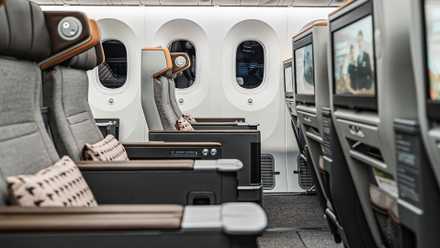
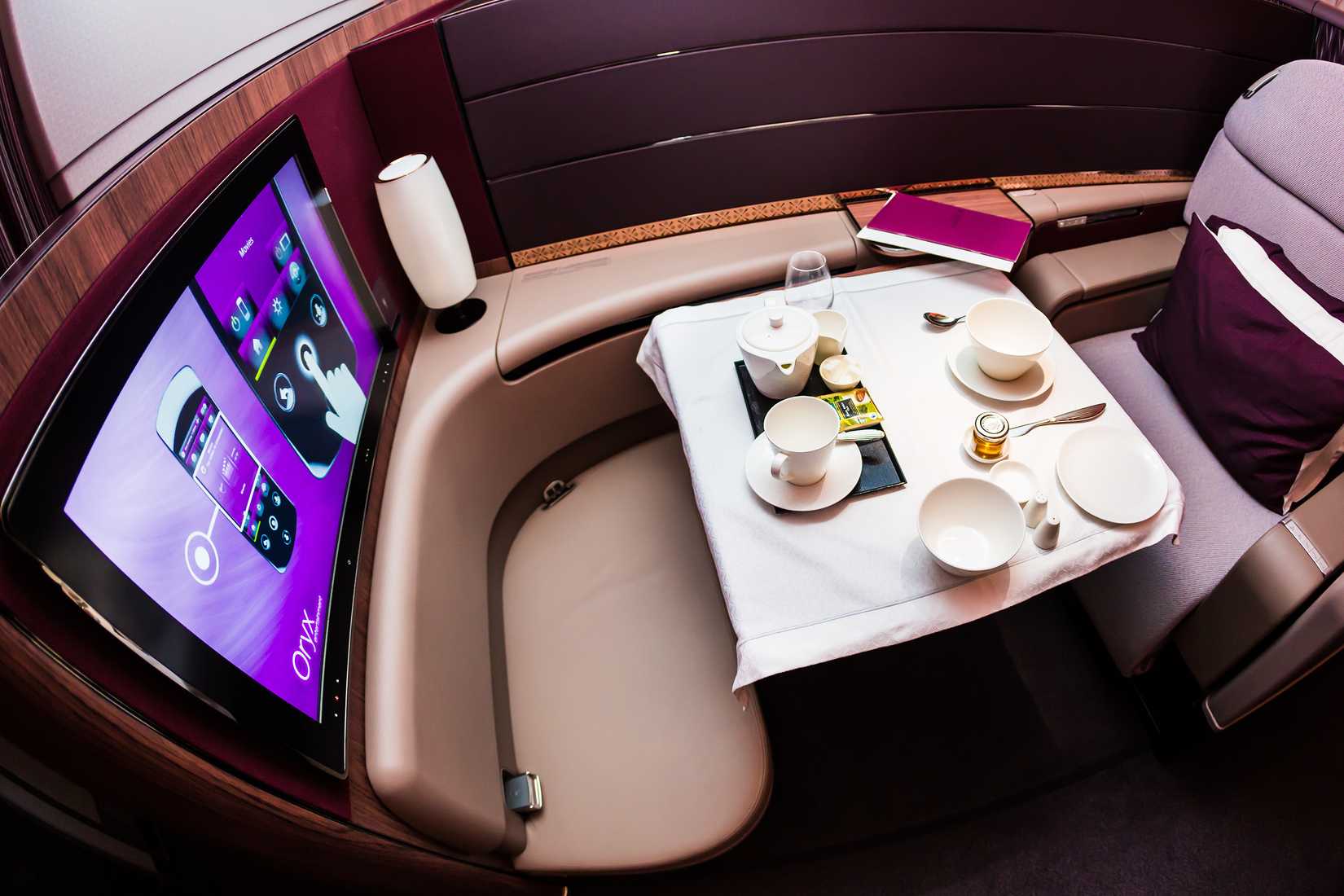
For aviation operators, particularly those managing corporate or charter fleets where the distinction between experienced and inexperienced premium passengers is acute, the article surfaces a recurring challenge in service delivery: calibrating crew behavior to match the wide variance in passenger familiarity with the product. Business jet operators and Part 135 charter companies frequently encounter first-time or infrequent fliers in what is, by definition, a premium environment, and crew training must account for the additional time and attention those passengers require. The seat complexity described in the article — lie-flat mechanisms, privacy doors, embedded controls — applies to widebody business class cabins but mirrors the equipment orientation challenges cabin attendants on large-market business jets face when working with principals or guests unfamiliar with the aircraft. The implicit crew workload increase associated with first-timer passengers is a scheduling and briefing consideration for operators.
At the broader industry level, the phenomenon the article describes — a meaningful cohort of passengers encountering business class for the first time — reflects structural shifts in how premium cabin access is distributed. Loyalty point redemptions, corporate travel policy upgrades, and the post-pandemic expansion of lie-flat products on transatlantic and transpacific routes have introduced a larger and more demographically diverse population to the front of the aircraft than existed a decade ago. Airlines including United, Delta, and the major Gulf carriers have simultaneously invested heavily in premium cabin differentiation as a revenue strategy, making the business class product more capable and more complex precisely as the passenger base becomes less uniformly experienced with it. For airline pilots, this dynamic is largely invisible from the flight deck but has direct bearing on cabin crew workload, the quality of pre-departure safety briefings, and the reliability of passenger compliance during abnormal or emergency situations — factors that sit squarely within the pilot's broader safety responsibility for the aircraft.
The human factors dimension the author brings to the subject is worth noting for professional crews. The observation that first-time passengers may feel they need to "earn their place" in the cabin — manifesting as apologetic or self-conscious behavior — points to a psychological dynamic that experienced cabin crew must recognize and manage without patronizing the passenger. Crew who misread that anxiety as entitlement, or who fail to provide patient orientation support, risk both a degraded service outcome and a passenger who is less likely to respond crisply to crew instructions in a time-critical scenario. Flight attendant training programs at major carriers and in the business aviation sector increasingly incorporate human factors and passenger psychology modules for exactly this reason, and the article's framing from a human factors credential perspective reinforces the professional seriousness with which those behaviors are assessed by qualified crew.






 Read original article