Air Canada Launches New 8-Hour Nonstop Airbus A321XLR Route
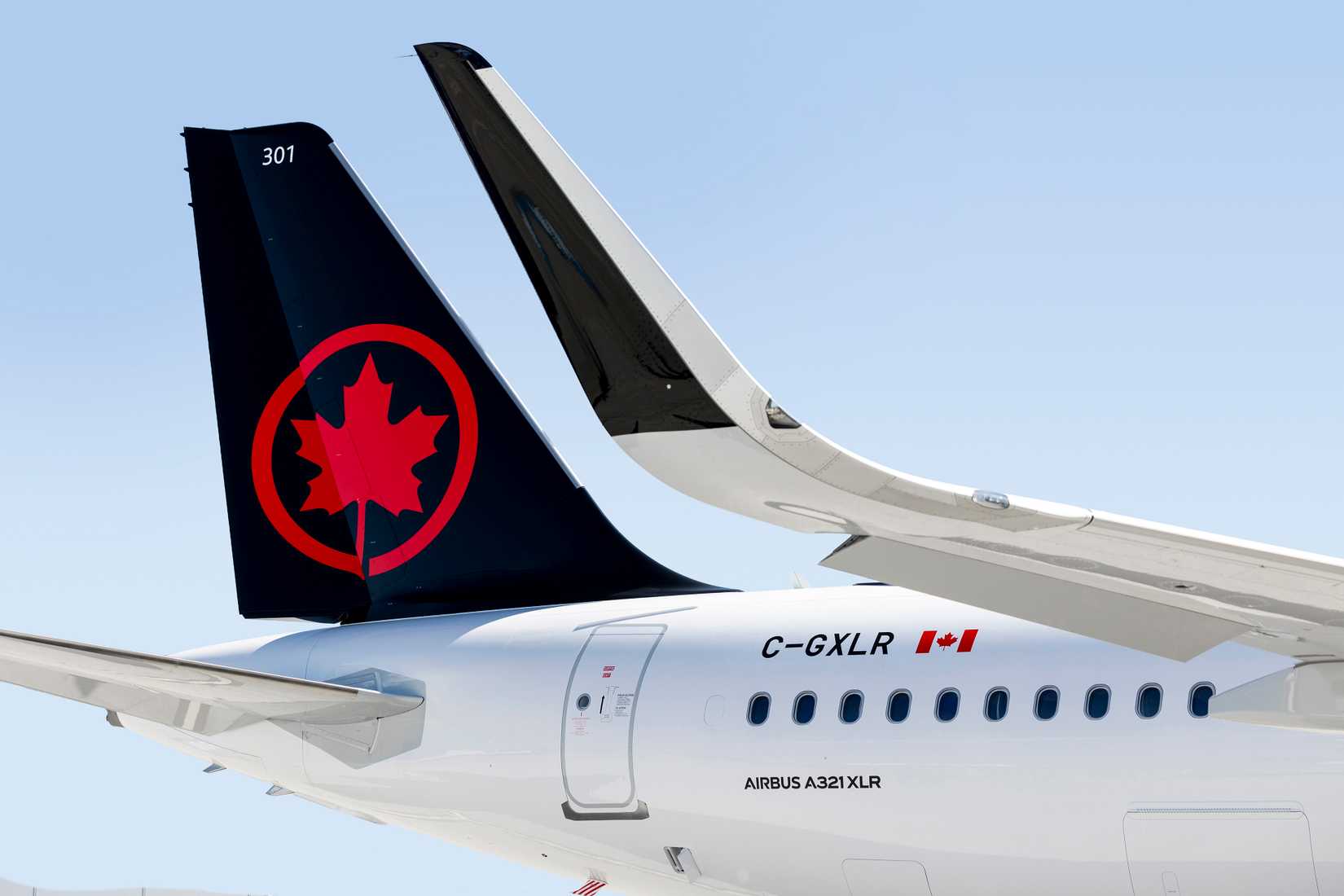
Air Canada has filed schedules to begin nonstop service between Montréal–Trudeau International Airport (YUL) and Dublin Airport (DUB) using the Airbus A321XLR, with operations targeted to commence May 2, 2027, at four weekly frequencies. The approximately eight-hour sector represents one of the longest planned narrowbody transatlantic operations in the carrier's network, and it arrives after a notable planning reversal — Air Canada had previously listed the route for 2026 service before quietly removing those schedules from reservation systems. The reappearance of YUL-DUB specifically tied to the A321XLR signals that the airline's initial hesitation was less about market skepticism and more about fleet sequencing, with the extended-range narrowbody providing the economic justification that widebody operations could not consistently deliver on a four-times-weekly schedule into a secondary Atlantic market. In the interim, Boeing 787-9 and Airbus A330-300 aircraft are slated to cover the route through the 2026 season, maintaining connectivity while the XLR transitions into service.
The operational profile of the route aligns closely with the A321XLR's design envelope. At roughly eight hours, the YUL-DUB pairing sits at the upper boundary of the aircraft's practical range under real-world payload conditions, and crew and dispatch teams planning these operations will need to account for fuel planning margins that differ meaningfully from domestic or short-haul A320-family flying. Eastbound departures from Montreal in the evening and westbound Dublin departures in the morning follow the standard transatlantic pattern optimized for favorable winds and connection timing, but the single-aisle environment introduces considerations around extended operations rule compliance, crew rest facilities, and single-cabin configuration trade-offs that widebody operators have long since institutionalized. Pilots transitioning to the XLR from other A320-family variants will find the type rating path familiar at the systems level, but the long-range operational context — including extended overwater exposure, ETOPS authorization requirements, and fuel contingency discipline — demands procedures more commonly associated with widebody international flying.
From a network strategy perspective, Air Canada's use of the A321XLR on YUL-DUB reflects a deliberate shift in how major carriers are structuring transatlantic operations. Rather than consolidating Atlantic feed through Toronto Pearson or relying on large-gauge widebodies to justify frequency, the airline is using the narrowbody's lower trip cost to sustain a secondary hub gateway with fewer seats and reduced financial exposure during shoulder periods. Montreal generates meaningful origin-and-destination demand for Ireland independently, particularly within the Francophone diaspora and tourism corridor, while Dublin's position as a Star Alliance gateway adds connectivity value through onward European routing. Network planners across the industry have increasingly reached the same conclusion: routes in the six-to-eight-hour band with medium-density demand are precisely the operating environment the A321XLR was engineered to serve profitably.
The broader competitive context underscores how transformative the type is becoming across the North Atlantic. Aer Lingus, Iberia, American Airlines, and United Airlines have all committed to A321XLR transatlantic programs, collectively representing a structural shift away from the hub-dependent widebody model that defined long-haul flying for decades. For business aviation operators and corporate flight departments tracking commercial connectivity, the proliferation of point-to-point narrowbody transatlantic routes expands the number of viable commercial options at secondary airports — a development with practical implications for trip planning, positioning, and passenger connection logistics in markets previously underserved by nonstop service. The narrowing of the cost and capability gap between widebody and long-range narrowbody operations is also reshaping how airline planning departments evaluate route viability thresholds, and the Air Canada YUL-DUB filing is among the clearest examples yet of that calculus playing out at the schedule level.










 Read original article