Viewpoint: What Operators Need to Know About the Jet Fuel Crisis This Summer
A jet fuel supply crisis is reshaping international flight operations for the summer of 2026 in ways that go beyond familiar price volatility, with operators reporting European fuel costs reaching $10 to $11 per gallon — the highest observed in recent memory — and per-trip fuel surcharges on certain routes climbing to $30,000 to $50,000. The core of the problem is structural rather than speculative: Europe refines virtually none of its own jet fuel domestically and has historically sourced refined product from the Middle East, a supply channel that has materially contracted. The United Kingdom holds a relative advantage due to North Atlantic crude access and indigenous refining capacity, placing airports such as Shannon and Prestwick in a meaningfully better supply position than continental European destinations. Simultaneously, China's significant pullback on refined jet fuel exports has created acute shortages in Pakistan and emerging pressure in India, signaling that the disruption is not geographically confined.
The distinction operators must internalize is that this is a distribution and production crisis rather than an upstream crude shortage — a difference with serious operational consequences. Refineries in the United States are engineered to process a blended feedstock of heavy, medium, and light crude, and while domestic production provides ample medium and light grades, the heavy crude traditionally sourced from Venezuela and the Middle East is now constrained. That refinery-feed imbalance creates a domestic supply problem that has received far less attention than international pricing headlines. More importantly, supply chain disruptions of this nature carry a multi-month normalization lag even after geopolitical or logistical conditions begin to improve, meaning operators should not plan around a near-term recovery. Fuel availability at specific airports, not just price, must now be treated as a mission-critical planning variable.
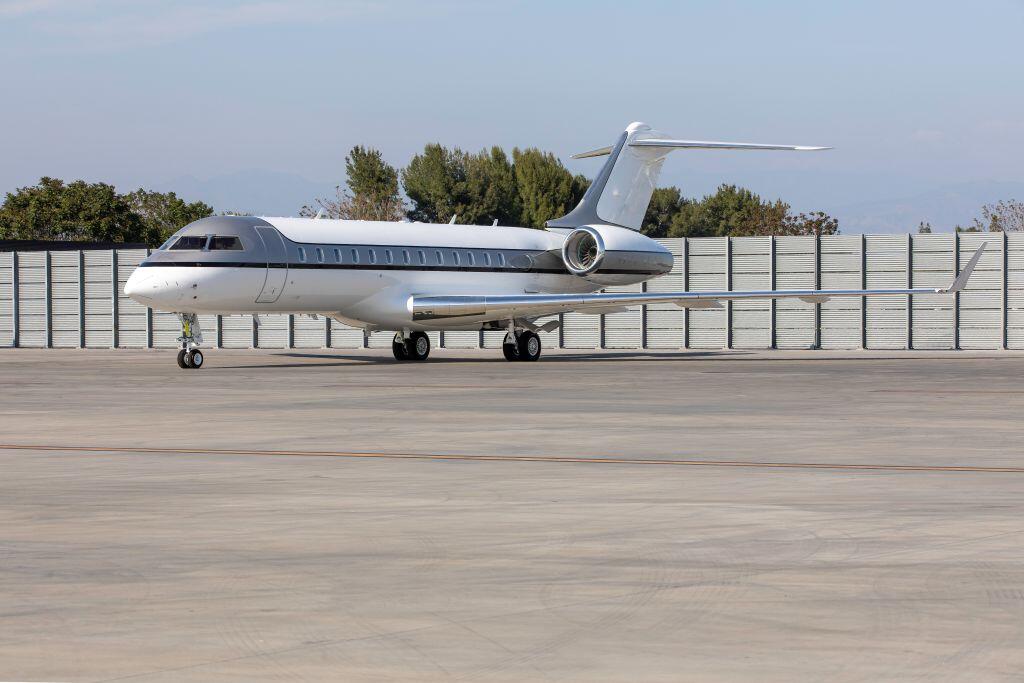
The operational response being implemented by at least one major charter operator — Silver Air — illustrates the practical reordering of flight planning priorities this environment demands. Aircraft with the range to fly nonstop from the U.S. West Coast to continental Europe, such as the Gulfstream G550, are being deliberately routed through UK diversion points to fuel where supply is more reliable, then tankering sufficient fuel to complete the destination leg and return to a stable fuel source without purchasing product in uncertainty markets. This adds complexity and potentially cost in time, but reflects a sound risk-management posture when fuel availability at the destination cannot be confirmed prior to departure. The tactic mirrors fuel tankering strategies used in remote or limited-infrastructure markets and represents a meaningful shift in how long-range international planning will function this summer.
The prioritization dynamic at capacity-constrained airports adds another layer of exposure for business aviation operators. Commercial airlines hold contractual and regulatory priority at major European airports, and as ramp fuel stocks tighten, general and business aviation aircraft will receive what remains. Operators who have not pre-coordinated fuel availability through their international handling providers — fixed-base operators and ground handlers who maintain the most current visibility into airport-specific stock levels — face a realistic risk of arriving at a destination without a viable fuel source. Proactive coordination with handling agents on every international leg before departure is no longer a best practice courtesy; it is a mission risk-management requirement. Trip planning departments and dispatchers should treat fuel availability confirmation as a gate item equivalent to slot and permit coordination.
The broader implication for the business aviation sector is that operators and corporate flight departments who have built cost-transparent relationships with clients or management will navigate this period significantly better than those who have not. Surcharge uncertainty — the genuine inability to quote a final trip cost because fuel pricing remains fluid at time of booking — is an unfamiliar client communication challenge for an industry that has historically been able to produce reliable all-in quotes. Flight departments operating under Part 91 on corporate budgets face analogous pressure when trip costs exceed pre-approved budgets due to surcharges that were not foreseeable at the planning stage. Establishing surcharge communication frameworks now, before departures begin, positions operators to manage client and management expectations rather than react to invoice surprises mid-season. The operators who build flexibility, contingency routing, and supply-chain transparency into their summer planning architecture today are substantially better positioned than those treating this as a pricing story that will resolve on its own.








 Read original article