Boeing ends a nearly decade-long sales drought to China
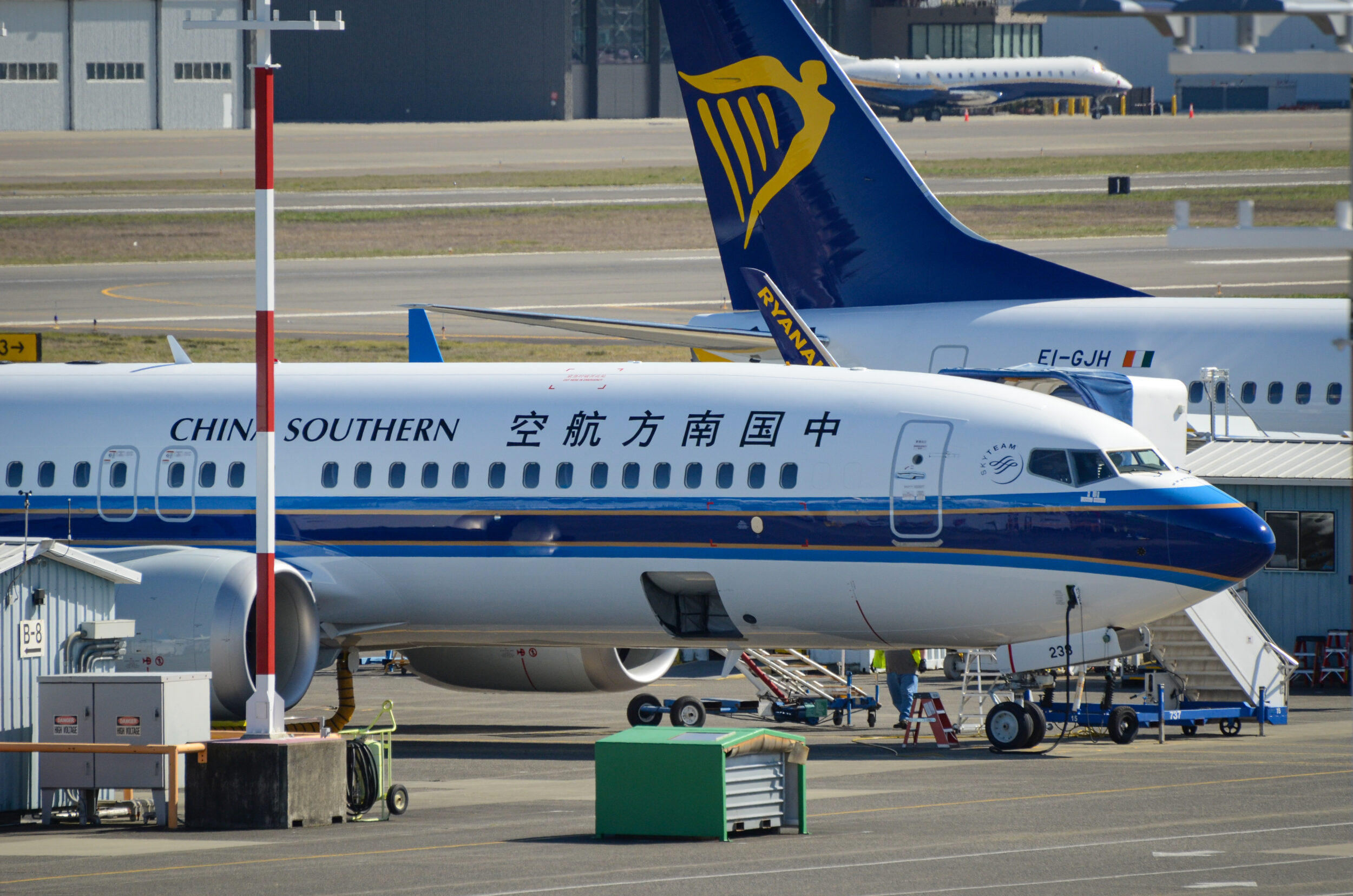
Boeing's announced return to the Chinese commercial aviation market represents the most significant potential shift in global aircraft supply dynamics in nearly a decade, but the deal's opacity has generated as much concern as optimism. The planemaker confirmed a preliminary commitment for 200 aircraft from Chinese buyers, with President Trump suggesting the total could reach as many as 750 airframes powered by GE Aerospace engines. Despite the scale of the announcement, Boeing shares fell more than 9.4% over the two trading days following the disclosure — a market response that reflects deep institutional skepticism about the deal's enforceability, structure, and political durability.
The ambiguities embedded in the announcement are substantial and operationally meaningful. Neither the specific aircraft types nor delivery schedules have been disclosed, leaving unanswered whether the commitment involves narrowbody 737 MAX variants, widebody 787s or 777Xs, or some combination. More critically, it remains unclear whether these represent firm orders with contractual backing or softer letters of intent — a distinction that carries enormous weight given China's track record. The Phase One trade agreement signed at the White House in January 2020 included Chinese commitments to purchase American-manufactured aircraft that were never honored, a precedent that airlines, lessors, and fleet planners cannot ignore when modeling future fleet availability.
For airline pilots and aviation operators, the downstream effects of a genuine resumption of Boeing deliveries to China could meaningfully reshape the global used-aircraft and leasing markets. Chinese carriers have been absorbing significant quantities of Airbus A320-family aircraft in Boeing's absence, and a large-scale reintroduction of Boeing narrowbodies into Chinese fleets would alter competitive dynamics for lessors who currently park or redirect those airframes elsewhere. Part 91K and Part 135 operators in business aviation are less directly affected, but the macroeconomic signal matters: a thaw in U.S.-China aviation trade would reduce pressure on Boeing's production backlog and could eventually ease delivery timelines for business jet variants sharing components or manufacturing capacity with commercial programs.
The deal also highlights how thoroughly commercial aviation has become an instrument of geopolitical leverage rather than a straightforward commercial transaction. Aircraft sales of this magnitude — potentially representing tens of billions of dollars — are now negotiated at the presidential level and announced alongside tariff frameworks, underscoring that procurement decisions affecting airline fleets and pilot employment are increasingly determined by diplomatic conditions rather than operational or financial merit alone. For aviation professionals tracking fleet evolution and job market dynamics, the uncertainty surrounding this commitment is a reminder that Chinese airline expansion plans, which drive hiring and training pipelines, remain contingent on political variables well outside the industry's control.
Whether the commitment materializes into contracted deliveries will likely depend on the trajectory of broader U.S.-China trade negotiations and whether the two governments can sustain the current diplomatic momentum. Boeing's manufacturing pipeline is already strained following years of production disruptions, quality control scrutiny, and the earlier 737 MAX grounding, meaning that even a confirmed large-scale Chinese order would take years to translate into delivered aircraft. The aviation industry will be watching closely for any public filing by Boeing or GE Aerospace that would indicate transition from political announcement to binding commercial agreement.