Bjorn's Corner Archives - Leeham News and Analysis
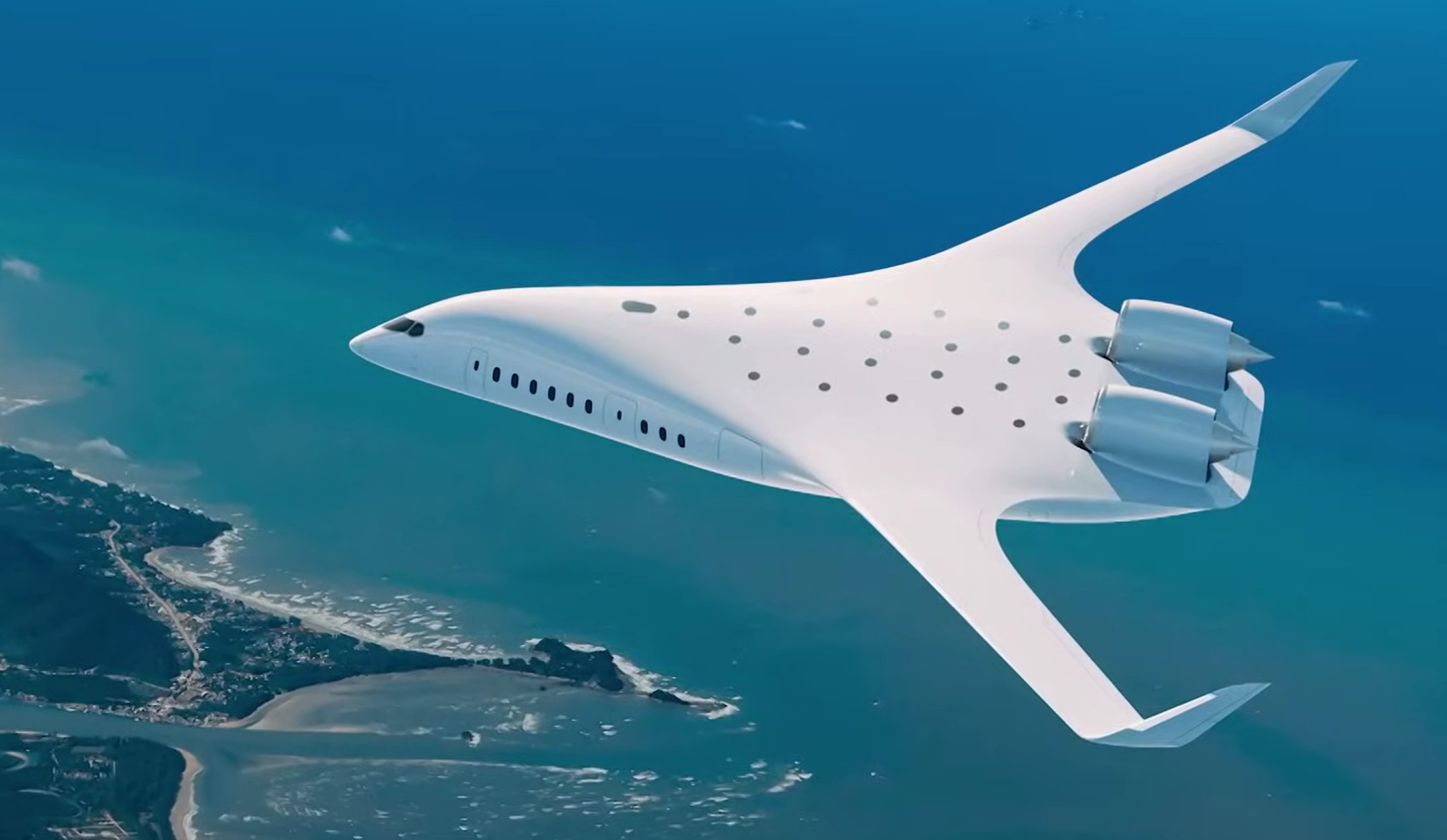
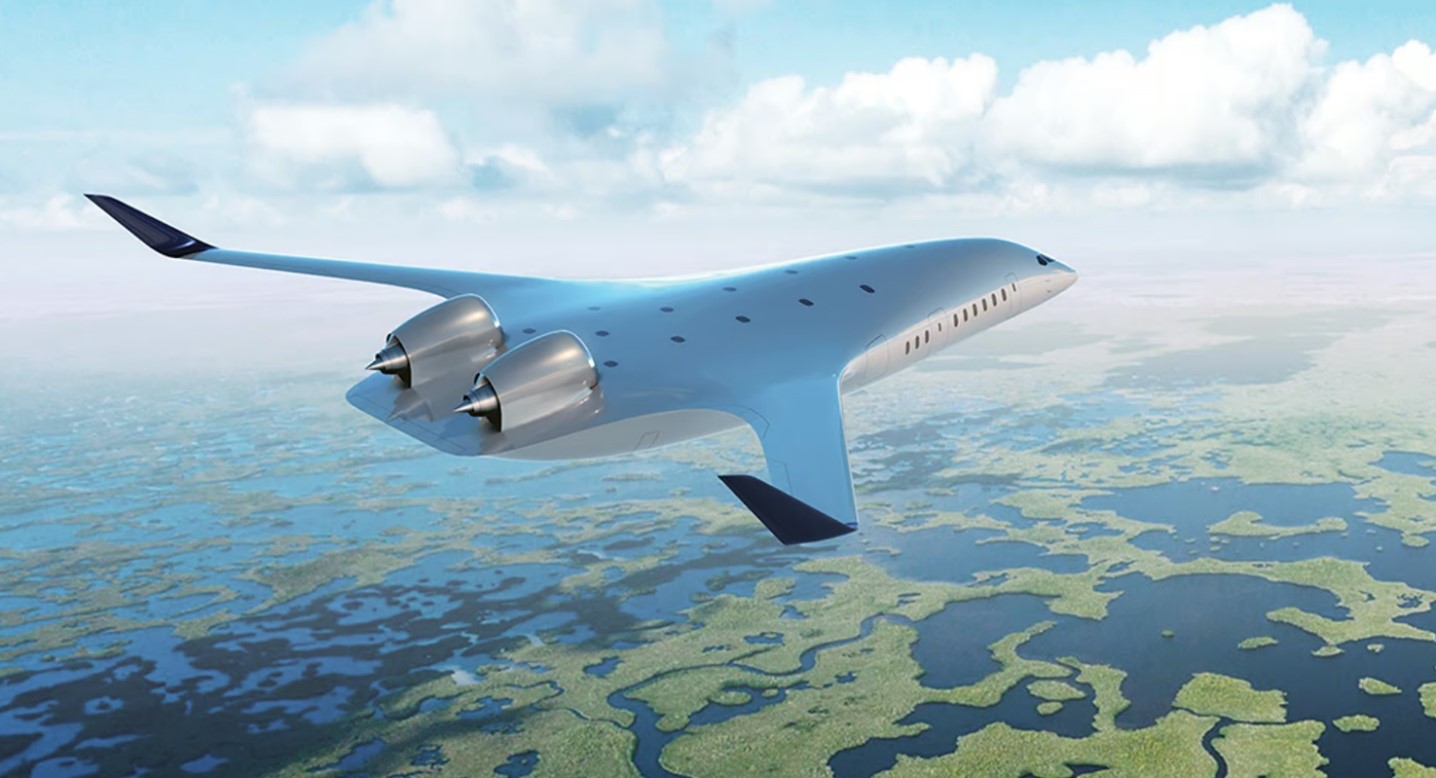
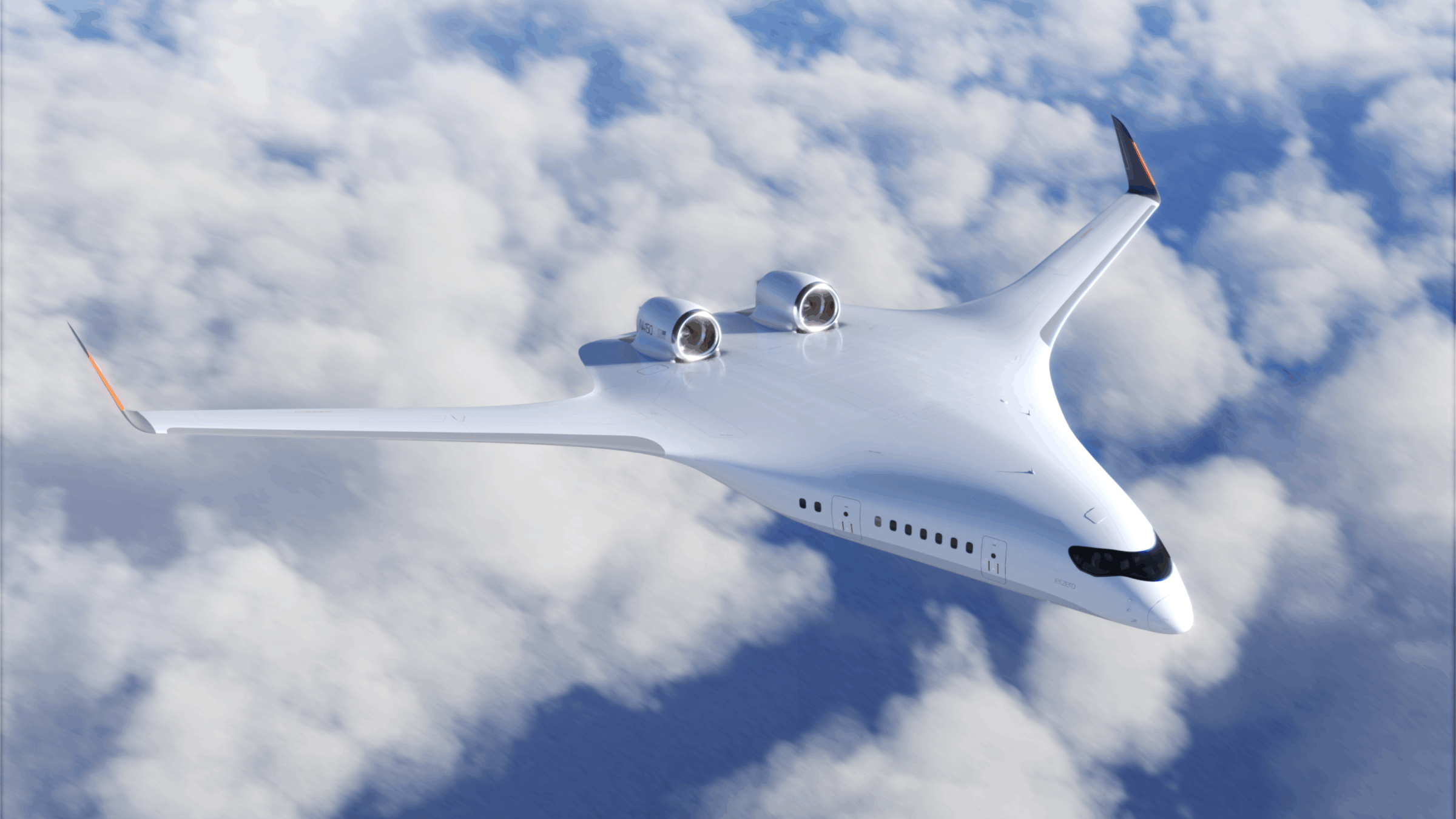
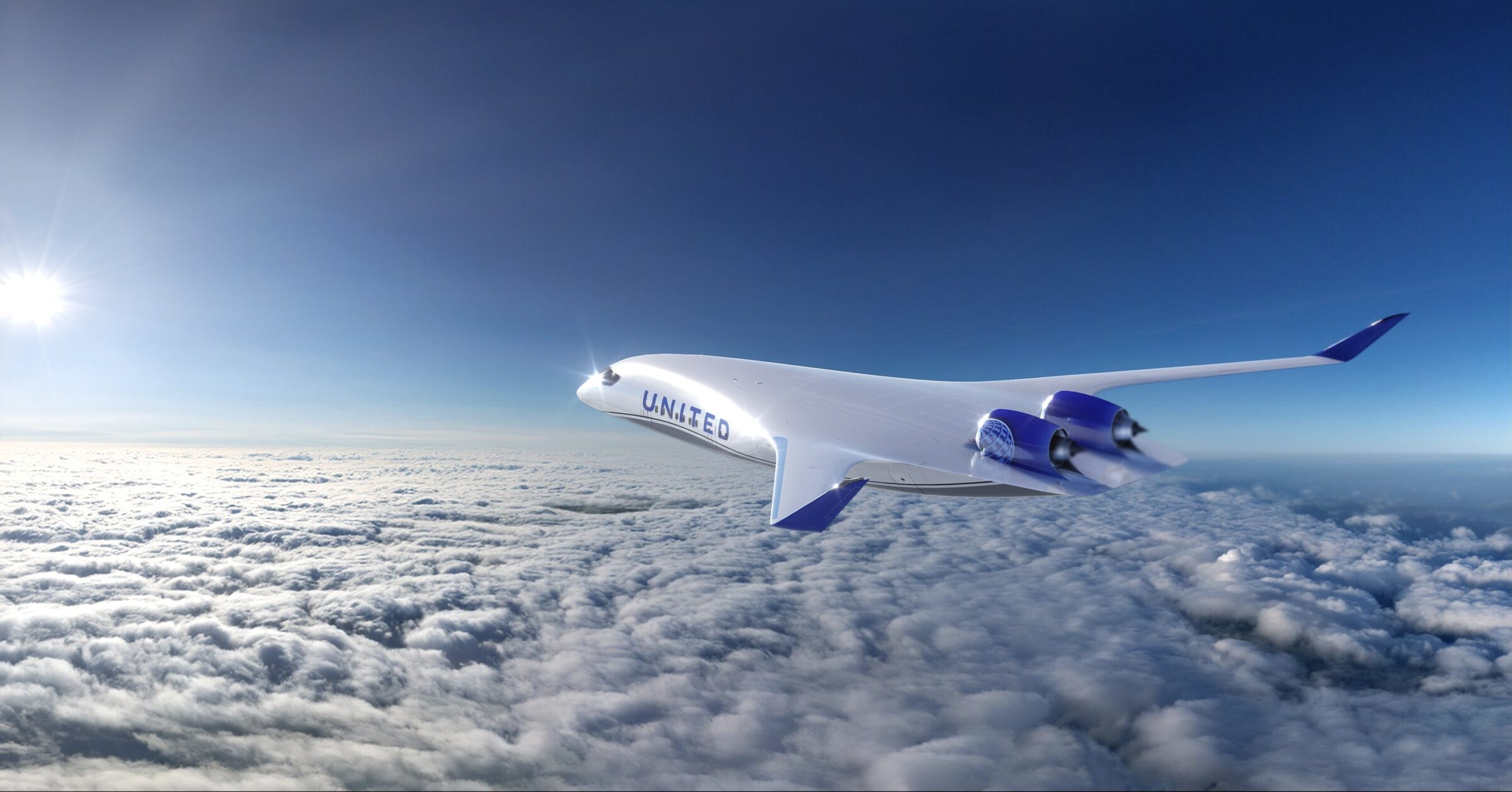
Bjorn Fehrm's ongoing technical series at Leeham News has arrived at a critical juncture, completing a nine-part examination of Blended Wing Body (BWB) airliner design before launching a new series focused on conventional airliner structures. The BWB series centered on JetZero's Z4 concept as the primary reference aircraft, methodically working through aerodynamics, propulsion, structures, and passenger-facing systems. The final BWB installment published May 8, 2026, offers a synthesis of the series' findings, while the May 15 inaugural piece of the structures series signals a broader inquiry into what makes any airliner airframe successful — from legacy designs to next-generation platforms.
The structural engineering challenges of the BWB configuration prove to be among the most consequential findings in the series. Classical tube-and-wing aircraft benefit from a disciplined separation of load types: the pressurized fuselage handles cyclic pressure fatigue loads through an optimized circular cross-section, while the wingbox carries aerodynamic bending and torsion loads from gust encounters, hard landings, and asymmetric thrust events. The BWB merges these load paths into a single wide, box-like structure, creating compounding fatigue stresses that are fundamentally harder to manage than in conventional designs. Fehrm's analysis makes clear that the widely assumed structural weight advantage of the BWB — eliminating a discrete fuselage and empennage — does not materialize cleanly in practice, because the hybrid structure must carry both pressure and wing loads simultaneously without the geometric efficiency of a cylinder.
Engine selection for the Z4 surfaces as another non-trivial constraint. The BWB's aerodynamic profile, dominated by wetted-area friction drag rather than induced drag, pushes the optimal cruise altitude roughly 10,000 feet higher than a comparable tube-and-wing aircraft. That altitude premium imposes a steeper thrust lapse rate, requiring engines with higher specific thrust and therefore lower bypass ratios — a direct contradiction of the design direction pursued by all modern high-bypass turbofan programs. For operators and fleet planners, this represents a genuine economic tension: achieving the fuel-burn gains promised by the BWB configuration may require accepting powerplants that are inherently less propulsively efficient by contemporary standards, or waiting for engine architectures specifically optimized for high-altitude, lower-BPR operation.
Passenger experience and emergency egress round out the operational picture. Without traditional windows, the Z4 relies on large display screens and overhead skylights to manage the psychological environment of the main cabin — an untested variable at scale, though Fehrm notes that widebody passengers already sit well inboard of actual windows. More technically substantive is the water-landing egress challenge: conventional door-level emergency exits may be below the waterline given the BWB's buoyancy characteristics, potentially requiring roof-level escape hatches integrated with the skyport structures. For certificate engineers and airline safety planners, this represents a genuine regulatory design problem with no direct precedent in Part 25 or CS-25 certification databases.
The transition to the new airliner structures series beginning May 15 broadens the analytical lens considerably, situating BWB-specific findings within the longer arc of structural innovation in commercial aviation. Fehrm's framing — that brilliant structural engineering is as central to iconic aircraft as aerodynamic elegance — sets up a comparative treatment likely to span historical designs through to composite-intensive next-generation platforms. For professional pilots and operators, the practical relevance lies in understanding that the airframes entering service over the next decade will reflect fundamentally different structural philosophies, with certification implications, maintenance profiles, and operational limitations that differ materially from the aluminum semi-monocoque and first-generation composite designs that define today's line fleets.





 Read original article