Future aircraft Archives - Leeham News and Analysis
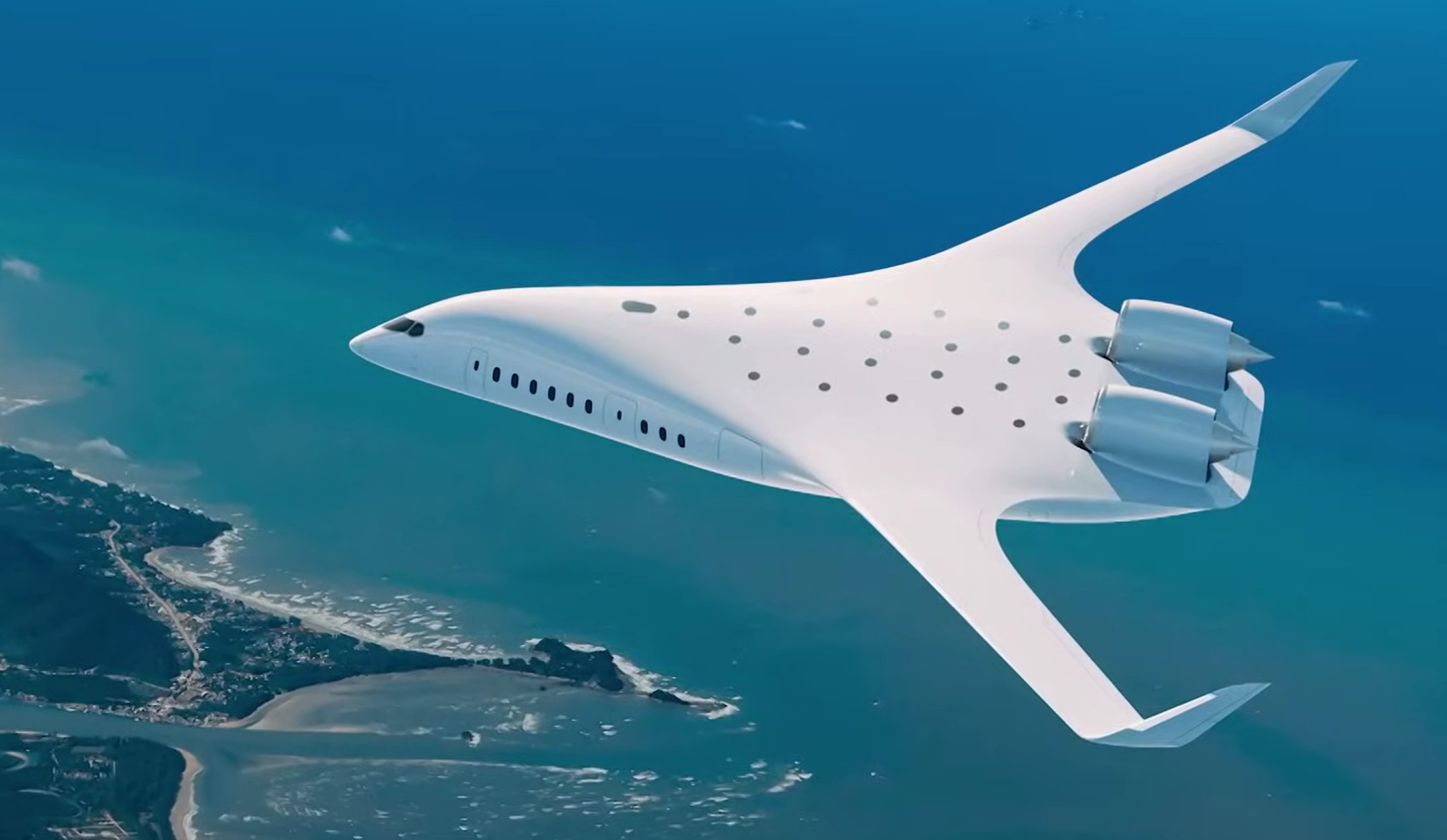
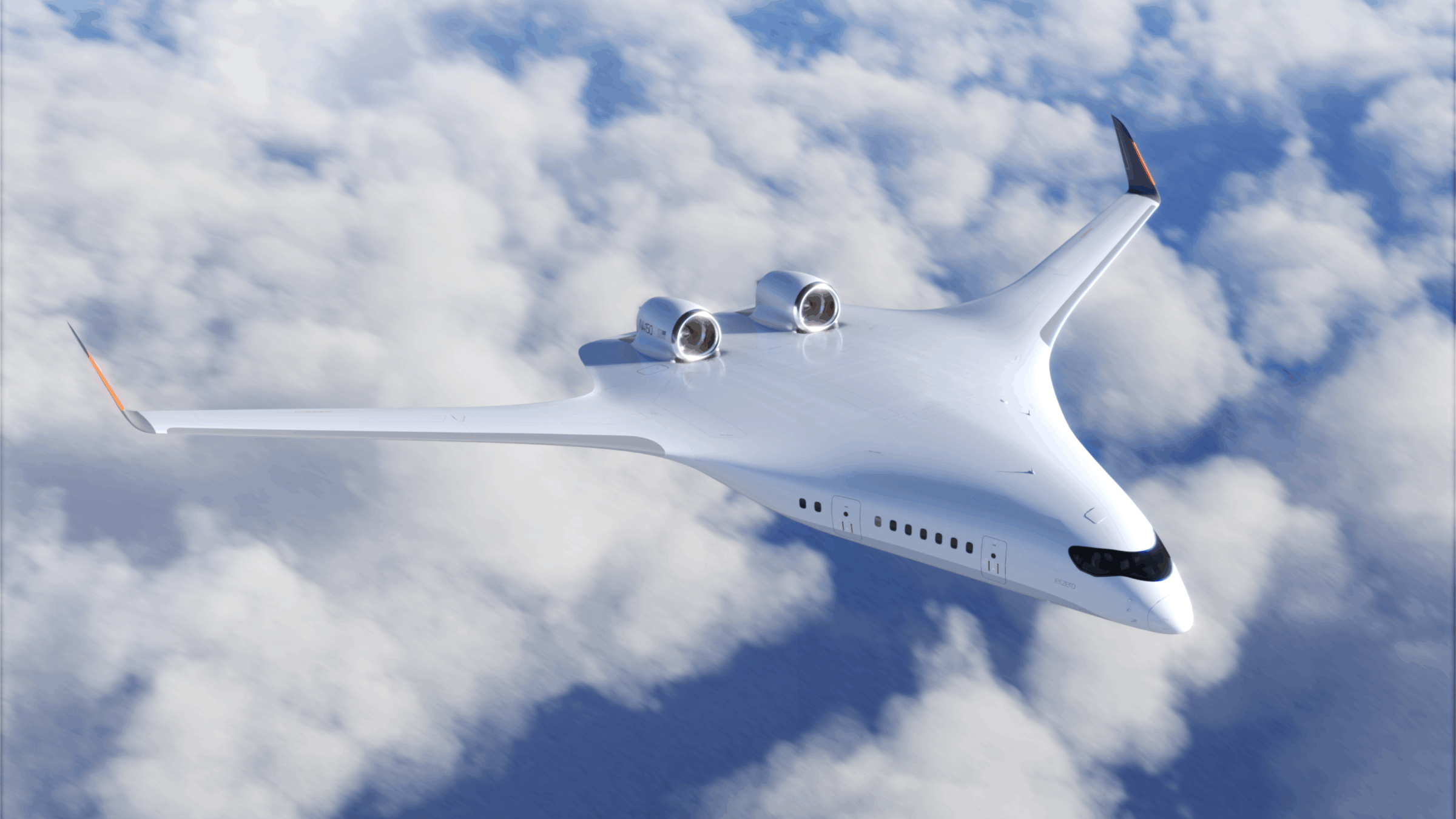
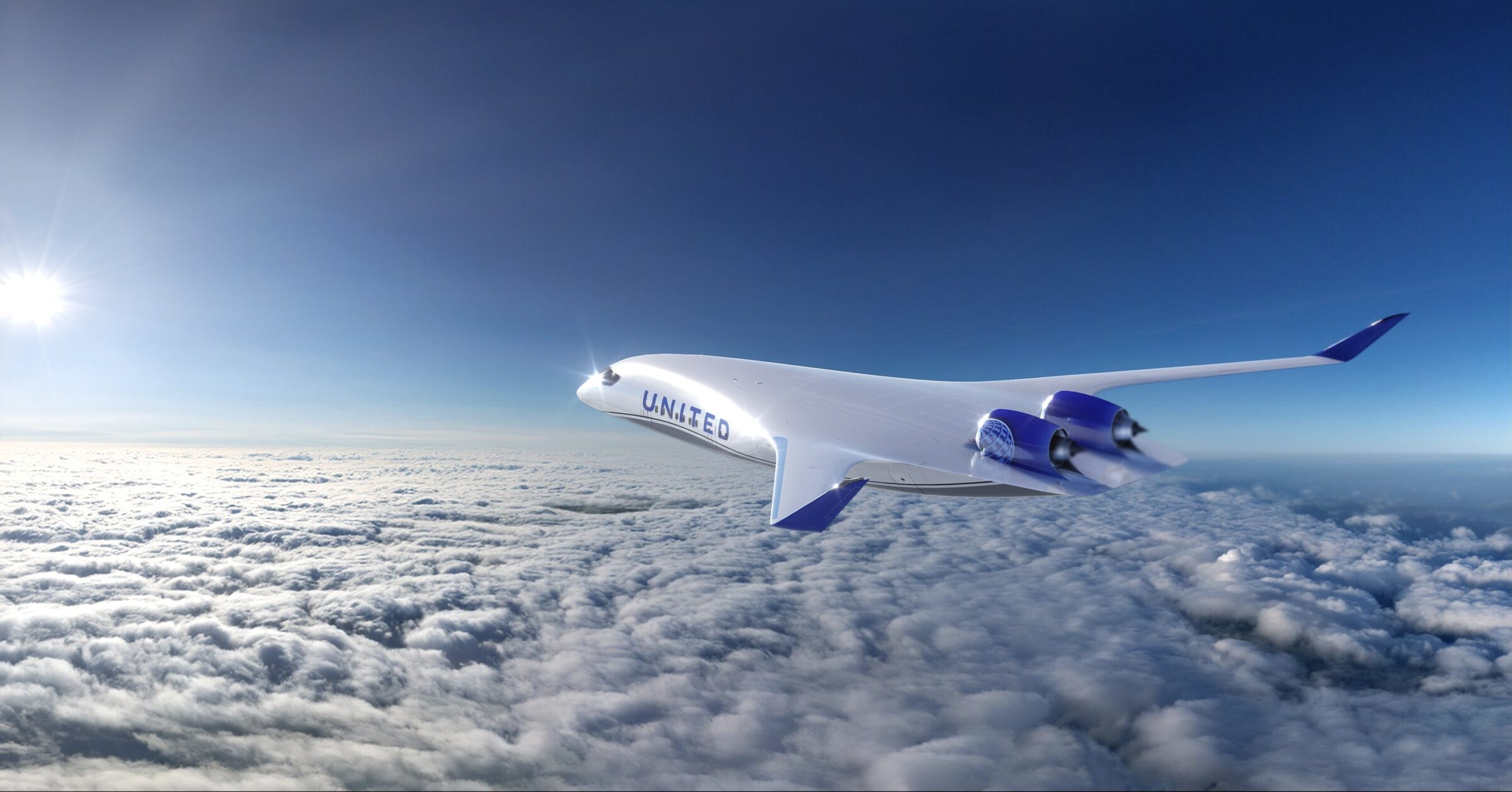
Leeham News analyst Bjorn Fehrm is pursuing three interlocking technical series in mid-2026 that collectively map the engineering frontier facing next-generation commercial airliners: airframe structures, Blended Wing Body configuration, and alternative propulsion. The BWB series, now nine installments deep, centers on JetZero's Z4 as the leading concrete program for a passenger-carrying BWB design capable of carrying approximately 250 seats. Fehrm's analysis establishes that the BWB's aerodynamic efficiency advantage over a conventional Tube-and-Wing aircraft does not derive primarily from generating more lift but from reorganizing drag — specifically, friction drag from wetted surface area dominates over induced drag in the BWB's drag budget, a reversal of the TAW profile. That distinction pushes the Z4's optimal cruise altitude roughly 10,000 feet higher than a comparable TAW aircraft, with direct consequences for engine selection, pressurization cycle loads, and structural design at cruise conditions.
The passenger experience and emergency egress questions addressed in Part 9 of the BWB series carry immediate relevance for operators and regulators. Because the BWB cabin lacks conventional fuselage sidewalls and windows, passengers in the main cabin would rely on wide-screen displays simulating exterior views, with natural light admitted through overhead skylights. Fehrm notes that the emergency exit architecture is conceptually tractable for land emergencies, but water landings present a meaningful certification obstacle: the BWB's broad, flat lower surface may not provide adequate buoyancy to keep emergency door sills above the waterline, potentially requiring roof-mounted exits integrated into the skyport structures. That requirement adds complexity to ditching certification under FAR/CS 25 and could influence route authorization decisions for operators eventually considering BWB equipment on overwater segments.
The parallel structures series, launched May 15, 2026, signals that Fehrm intends to address the less-visible but equally consequential engineering problem facing both BWB programs and conventional next-generation airliners: the structural design must evolve substantially to meet future requirements. The series frames structural elegance as a parallel discipline to aerodynamic optimization, noting that the most successful historical aircraft combined both. For the BWB specifically, the structural challenge is acute — the non-circular pressure vessel geometry of a BWB fuselage generates bending and torsional load paths fundamentally different from a cylindrical tube, requiring composite architectures and load-path solutions that current certification frameworks were not written to accommodate. This is not merely an academic problem; it represents one of the central schedule and cost risks for programs like the Z4, which JetZero has positioned for entry into service in the 2030s.
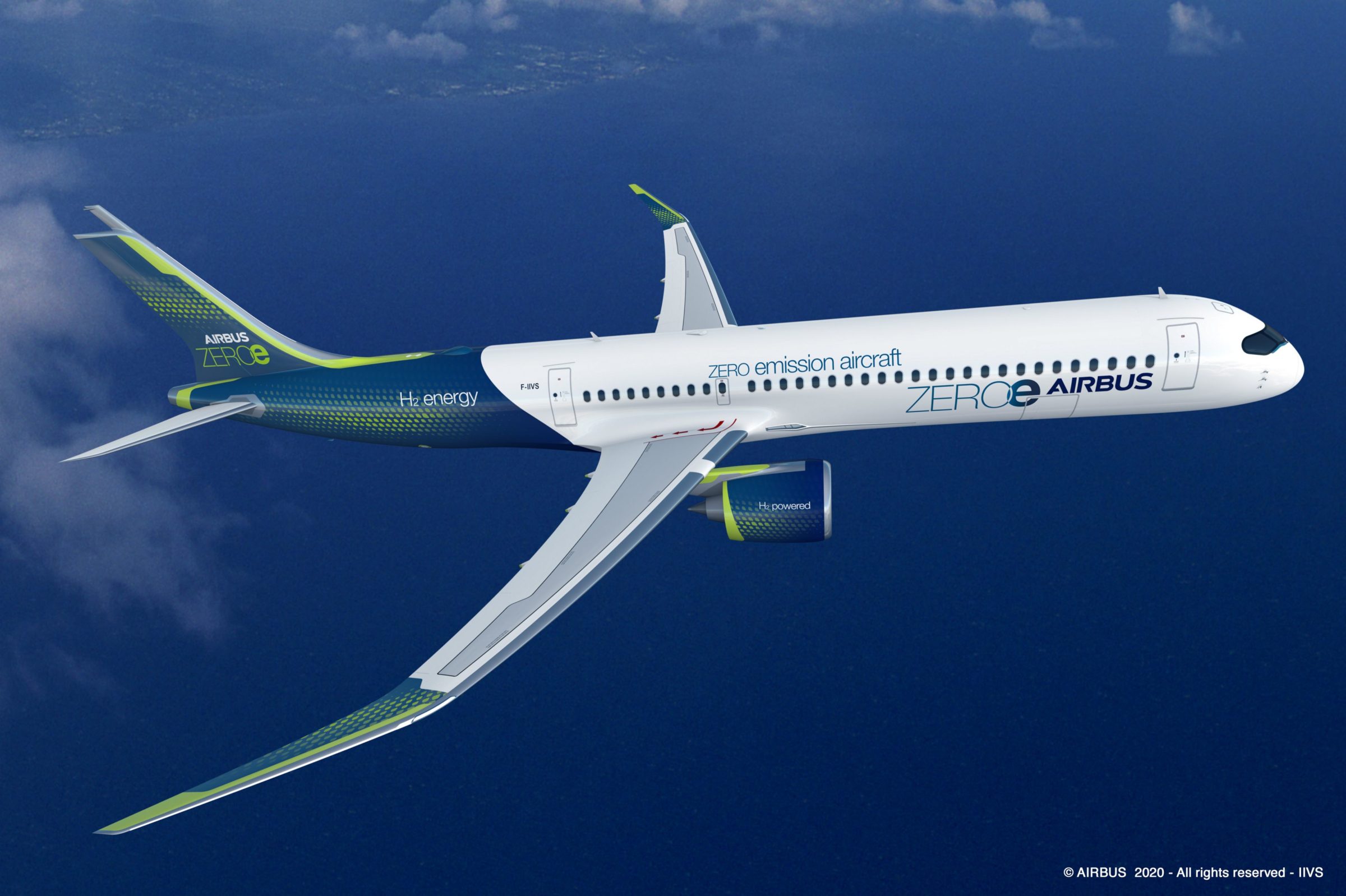
The alternative propulsion series running concurrently addresses hydrogen as the most technically credible pathway to zero-carbon commercial flight at meaningful scale. Fehrm examines two distinct hydrogen architectures: fuel cell systems that convert hydrogen electrochemically to drive electric motors, and direct hydrogen combustion in conventional gas turbine cores. The fuel cell path eliminates the energy density penalty of battery-electric systems but introduces its own mass and systems complexity trade-offs. The gas turbine combustion path preserves the power-to-weight advantages that make turbofan propulsion dominant today but demands substantially revised fuel storage, delivery, and combustion hardware. Airbus's ZEROe program, referenced repeatedly across both the 100-seat fuel cell concept and the larger hydrogen-burn airliner concept, remains the highest-profile institutional bet on hydrogen, though program timelines have shifted from earlier announcements.
For professional pilots and operators in business aviation and the airlines, this cluster of development activity at Leeham News reflects the genuine state of the industry's technical horizon: BWB geometry is no longer a paper concept but an active certification and structural engineering challenge, hydrogen propulsion is being stress-tested against real system-integration constraints rather than treated as a distant aspiration, and airframe structural design is being reconsidered from first principles to accommodate configurations and materials that the existing regulatory framework did not anticipate. Operators planning fleet strategy beyond 2030 should track the structural certification pathway for BWB aircraft and the pace of hydrogen infrastructure development at commercial airports, as both will function as binding constraints on whether next-generation aircraft types are available on the timelines their developers currently project.






 Read original article