Is It True That Long-Haul Pilots Sleep In Secret Bunks During Flights?
Crew rest compartments (CRCs) aboard modern widebody aircraft represent one of the most operationally consequential — and least publicly understood — safety systems in commercial aviation. Mandated under FAA 14 CFR Part 121 and EASA equivalent regulations for flights exceeding roughly eight to ten hours, these facilities are standard equipment on long-range jets including the Boeing 777-200LR, 777-300ER, 787 Dreamliner, and Airbus A350 and A380. Typically located above the forward fuselage or cockpit and accessed through locked, code-secured hatches and narrow staircases, pilot CRCs provide two bunk-style berths offering 15–20 dB of noise attenuation, lie-flat surfaces ranging from 6'2" to 6'6" in length, privacy curtains, independent ventilation, and integrated safety features including seatbelts and oxygen mask access. Cabin crew rest facilities — generally larger to accommodate teams of four to twelve — are located separately, often above the rear galley or within lower cargo deck configurations depending on aircraft type.
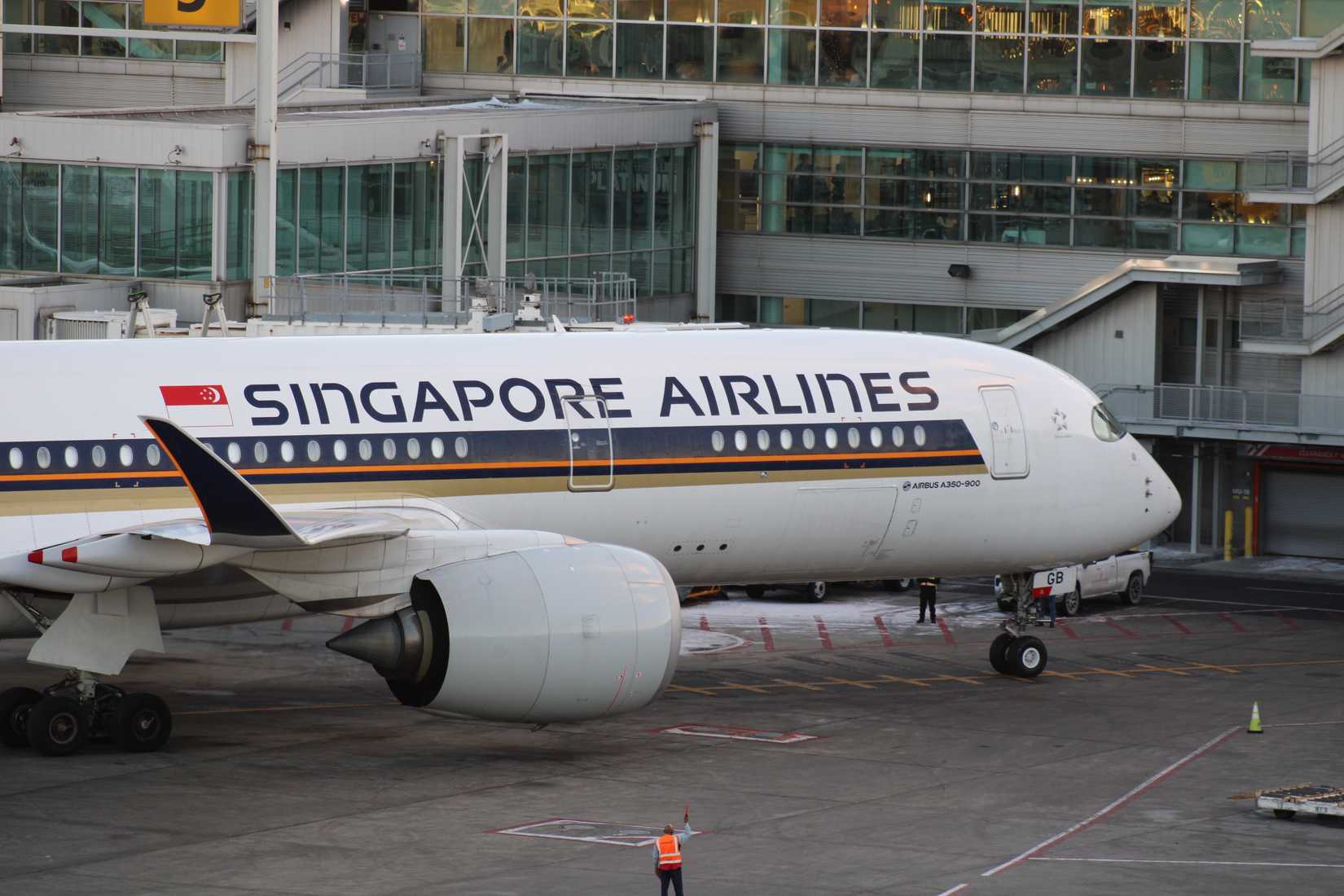
The regulatory framework governing these systems is grounded in decades of fatigue science research tied to circadian rhythm disruption, cumulative sleep debt, and performance degradation under sustained workload. On ultra-long-haul operations — the Singapore Airlines JFK–Singapore route at 18 hours 55 minutes aboard the A350-900ULR being the current commercial extreme — augmented crew configurations of three or four pilots are required, with rest rotations structured so that each pilot achieves a minimum of two to four hours of controlled rest during off-duty periods. Critically, at least two qualified pilots must occupy the flight deck at all times, and the augmented system is specifically engineered to ensure maximum crew alertness during descent and landing — the phases where cognitive load, workload density, and the consequences of error peak simultaneously. The Boeing 777X, which received certification in 2025, carries forward the same CRC architecture, confirming the design's longevity as a regulatory baseline.
For Part 121 line pilots, the practical implications of these rules extend well beyond the physical berths themselves. Rest plan development begins pre-departure, with airlines constructing schedules that account for flight duration, crossing of time zones, and the biological asymmetry between eastbound and westbound operations. Duty time limits enforced under FAA and EASA frameworks impose hard ceilings on flight time and cumulative hours that directly shape crew pairing decisions, operational cost structures, and the economics of ultra-long-haul route viability. Dispatch and crew scheduling departments work within these constraints continuously, and line pilots on international operations must understand not only their own rest entitlements but the interplay between rest quality, circadian positioning, and the performance demands of high-workload arrival procedures into complex international airports.
The broader trend here is the aviation industry's maturing treatment of fatigue as a systems-level safety hazard rather than a matter of individual willpower or professionalism. The FAA's 2013 pilot fatigue rule overhaul under 14 CFR Part 117, which introduced science-based flight and duty time limitations tied to time-of-day and acclimation state, marked a structural shift in how regulators view rest. That framework, combined with the proliferation of autoland-capable autoflight systems, enhanced ground proximity warning systems, and real-time datalink monitoring, has created a layered safety environment in which crew rest is a designed-in operational variable rather than an afterthought. For business aviation operators under Part 91K and Part 135 conducting long international missions — transatlantic ferry legs, transpacific charter operations, or ETOPS-adjacent routing — the regulatory distinctions between Part 121 augmented crew requirements and the applicable Part 135 or 91K duty rules remain an area requiring close attention, as the fatigue management obligations and rest facility standards differ materially from commercial airline operations.
Looking forward, the next pressure point in crew rest design will likely emerge from the intersection of extended operations approvals, single-pilot certification discussions for certain cargo and charter categories, and the introduction of advanced air mobility platforms operating at the edge of current regulatory definitions. The 777X's entry into service with established CRC architecture suggests near-term stability in widebody crew rest design, but the accelerating pace of ultra-long-haul route expansion — with Qantas Project Sunrise targeting nonstop Sydney–London and Sydney–New York operations on the A350-1000 — will continue to stress-test existing augmented crew frameworks and may prompt further refinement of minimum rest duration standards as physiological data from those operations accumulates.









 Read original article