Why Cargo Airlines Can't Replace Their Aging Freighters Even Though They Desperately Need To
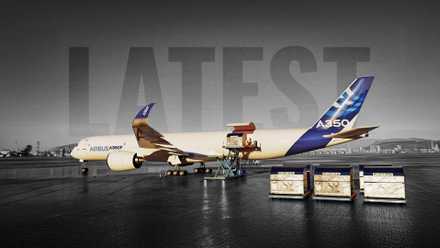
The global air cargo industry's modernization effort has stalled under the combined weight of structural supply chain failures and engine production shortfalls, leaving major freighter operators with no viable path to fleet renewal in the near term. Airbus's A350F program, originally anticipated to begin delivering aircraft in 2026, has slipped to a second-half 2027 entry-into-service target after production rates at the Toulouse assembly line plateaued at roughly six aircraft per month — a fraction of the throughput required to support a clean-sheet freighter launch. The root cause traces directly to the transition of center fuselage work away from Spirit AeroSystems, a structural outsourcing decision whose industrial consequences are still being digested years later. The program's 4.3-meter main deck cargo door introduced additional structural complexity that compounded the fuselage production drag, pushing the A350F more than twelve months behind its original schedule before a single airframe was delivered. The production-to-delivery gap has now reached approximately 30 percent in the first half of 2026, meaning complete airframes are physically sitting on manufacturer tarmacs, waiting only for engines — a condition the industry has taken to calling "gliders."
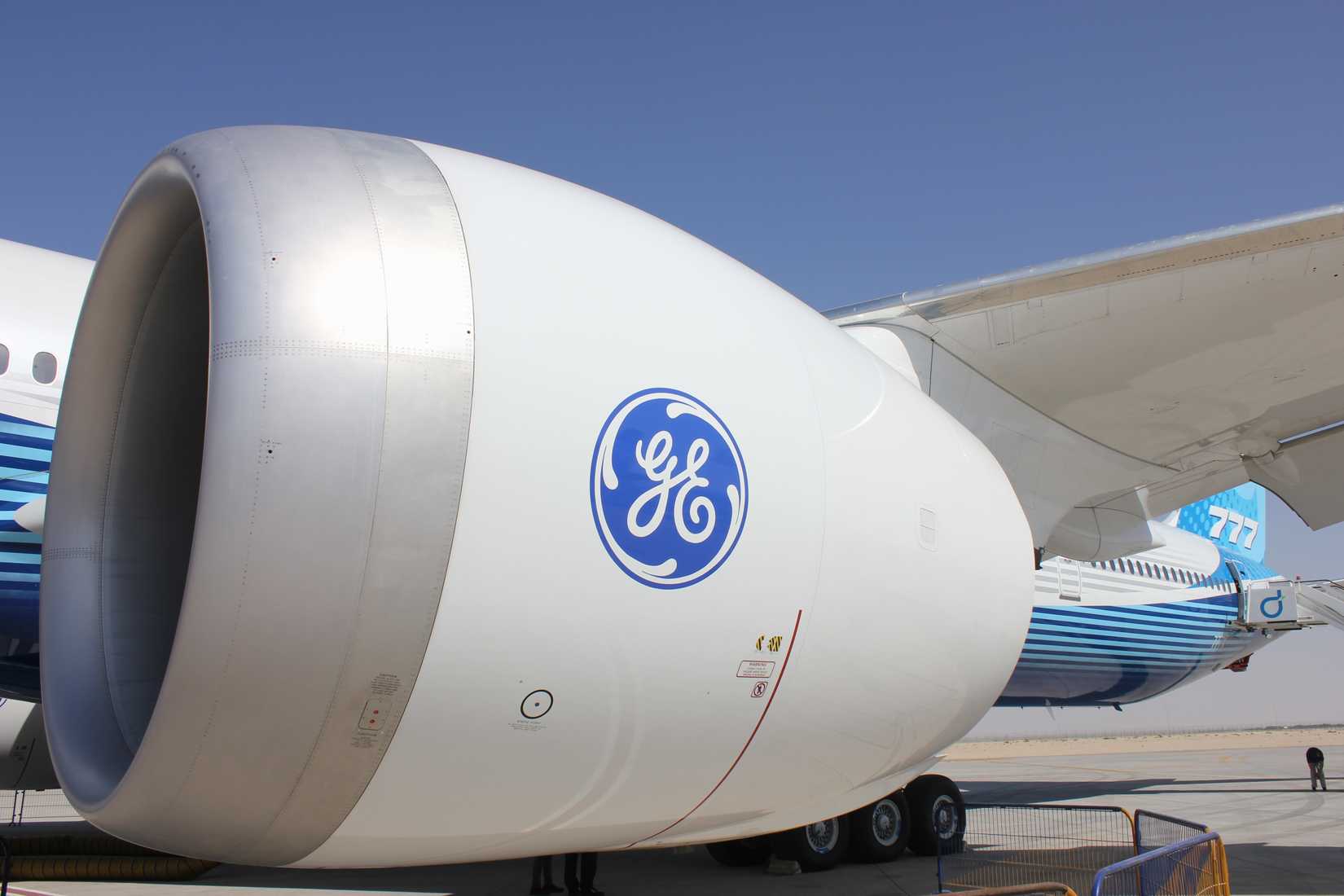
The engine supply crisis is the pacing constraint that neither airframer can engineer around on a short timeline. The A350F relies exclusively on the Rolls-Royce Trent XWB-97, making every disruption at the Derby production facility a direct and immediate threat to the freighter program's schedule. Boeing's 777-8F faces analogous exposure through the GE9X, which has accumulated its own certification and supply chain complications. The underlying bottleneck is not labor or raw materials in the conventional sense, but rather the finite global capacity for casting and forging high-pressure turbine blades — components that must survive thermal and mechanical loads at the extreme edge of materials science. Both Rolls-Royce and GE are currently prioritizing their in-service engine fleets to prevent groundings among existing airline customers, which systematically starves the new-build production lines of the very components needed to complete next-generation aircraft. The result is a multibillion-dollar paradox in which airframes and engines are both being manufactured but are failing to converge on the tarmac in time to meet operator delivery commitments.
For cargo operators and the pilots who fly their fleets, the practical consequence is an indefinite extension of service life for aircraft that were already candidates for retirement. Average freighter fleet age across major cargo carriers now sits near twenty years, encompassing aircraft types including the 747-400F and older 777 freighter variants that were designed under aerodynamic and propulsion standards that predate the current fuel-cost environment. Every month of delay on an A350F or 777-8F delivery translates directly to additional maintenance burden on airframes accumulating high cycle counts, more frequent heavy maintenance events, and fuel burn rates that erode cargo yield on competitive long-haul routes. Pilots operating these legacy platforms can expect continued exposure to MEL-driven dispatch constraints and the operational realities of maintaining airworthiness on structurally mature aircraft, while their operators carry the financial drag of extended operating leases originally intended as bridge solutions.
The commercial fallout from the delivery uncertainty is already reshaping the lessor and airline order landscape. Air Lease Corporation's decision to cancel its entire seven-aircraft A350F commitment — a rare and decisive action from a major launch customer — signals that the financial calculus of holding uncertain delivery positions no longer pencils out for at least some market participants. Air France-KLM's reduction from eight to six A350F frames reflects a similar recalibration, with the group opting to manage near-term capital allocation against a timeline it can no longer reliably forecast. Into this vacuum, CMA CGM Cargo — the air freight arm of the French container shipping conglomerate — has assumed the launch operator position, a move that underscores the strategic importance of air-to-sea logistics integration for global shipping majors willing to absorb program risk in exchange for long-term capacity positioning. The willingness of a non-traditional aviation operator to step into the launch slot suggests that cargo demand fundamentals remain strong enough to justify the exposure, even as legacy carriers and lessors pull back.
The freighter market's current predicament reflects a systemic vulnerability that extends well beyond any single program or manufacturer. The aerospace supply chain's dependence on a small number of specialized tier-one suppliers for critical structural components, combined with globally constrained turbine blade manufacturing capacity, has created a production environment where both Airbus and Boeing are partially hostage to industrial ecosystems they do not fully control. This dynamic is not unique to the freighter segment — similar engine availability and airframe delivery delays have affected narrowbody and widebody passenger programs throughout the 2020s — but the cargo sector's dependency on aging legacy fleets makes the impact particularly acute. Business aviation operators and charter carriers face a structurally similar picture in their own segments, where new-build delivery timelines for large-cabin jets stretch years into the future and used aircraft prices remain elevated. Until turbine component manufacturing capacity scales to meet the demand from both new production and in-service support obligations, the "glider" phenomenon — finished airframes without engines — is likely to remain a defining characteristic of the aerospace delivery landscape well beyond 2027.









 Read original article