Delta Teases 'Mini First Class' To Rival American & United's Front-Row Suites
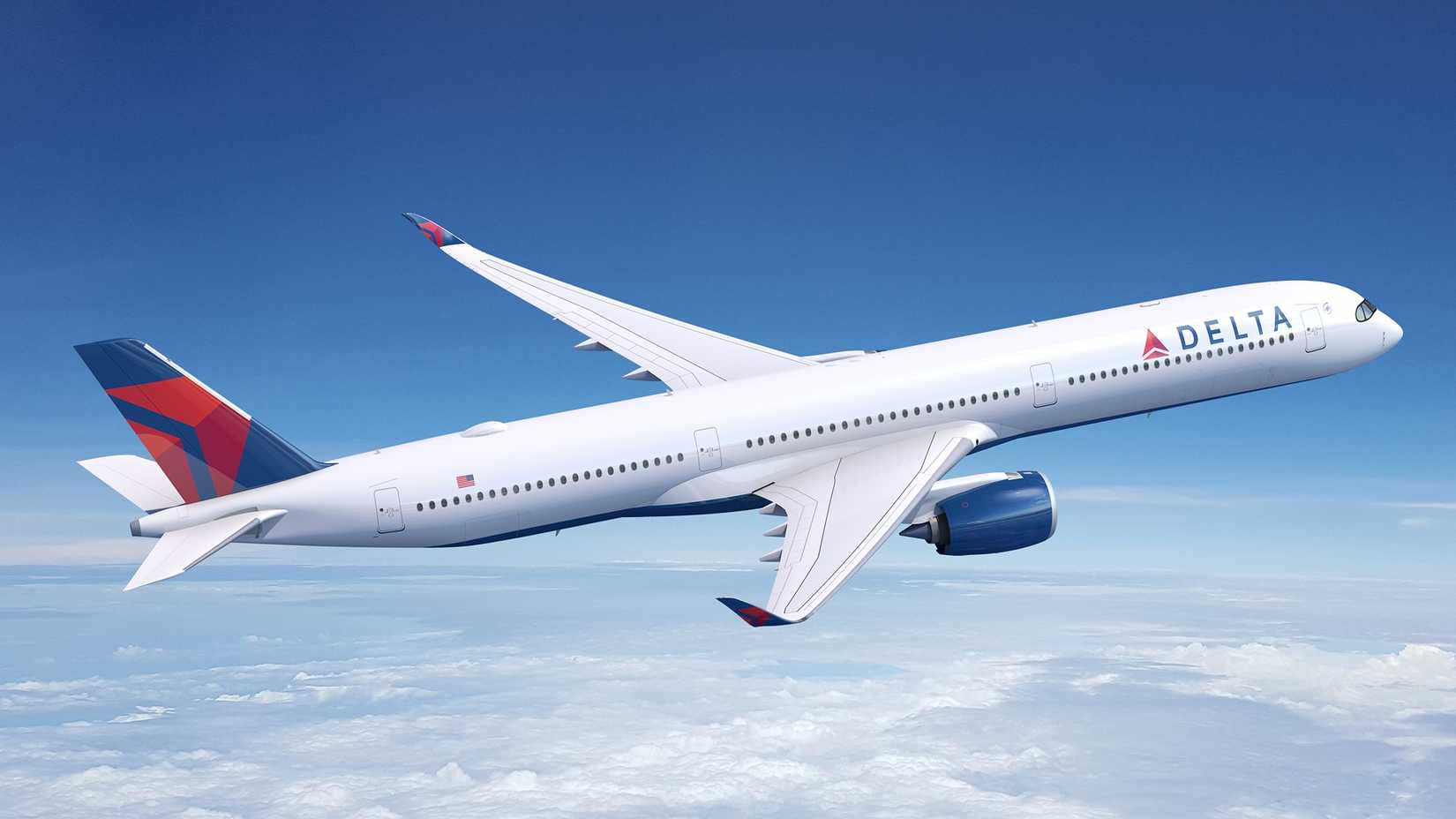
Delta Air Lines is moving to introduce a tiered premium cabin product within its Delta One business class, with Chief Commercial Officer Joe Esposito publicly confirming the airline's intent to create larger, more exclusive suites at the front bulkhead of future widebody aircraft. Speaking to Business Traveler, Esposito characterized the concept as a "mini first class" — an enhanced configuration offering additional personal space over standard Delta One rows without the operational complexity of a dedicated first-class cabin. The product is expected to debut on the carrier's incoming Airbus A350-1000 fleet, for which Delta serves as the launch customer for Thompson Aero's VantageNOVA suite platform. Though specific amenity upgrades and a formal service entry date have not yet been announced, the executive's remarks represent the most unambiguous public signal to date that Delta intends to meaningfully differentiate the front row of its long-haul business class cabin.
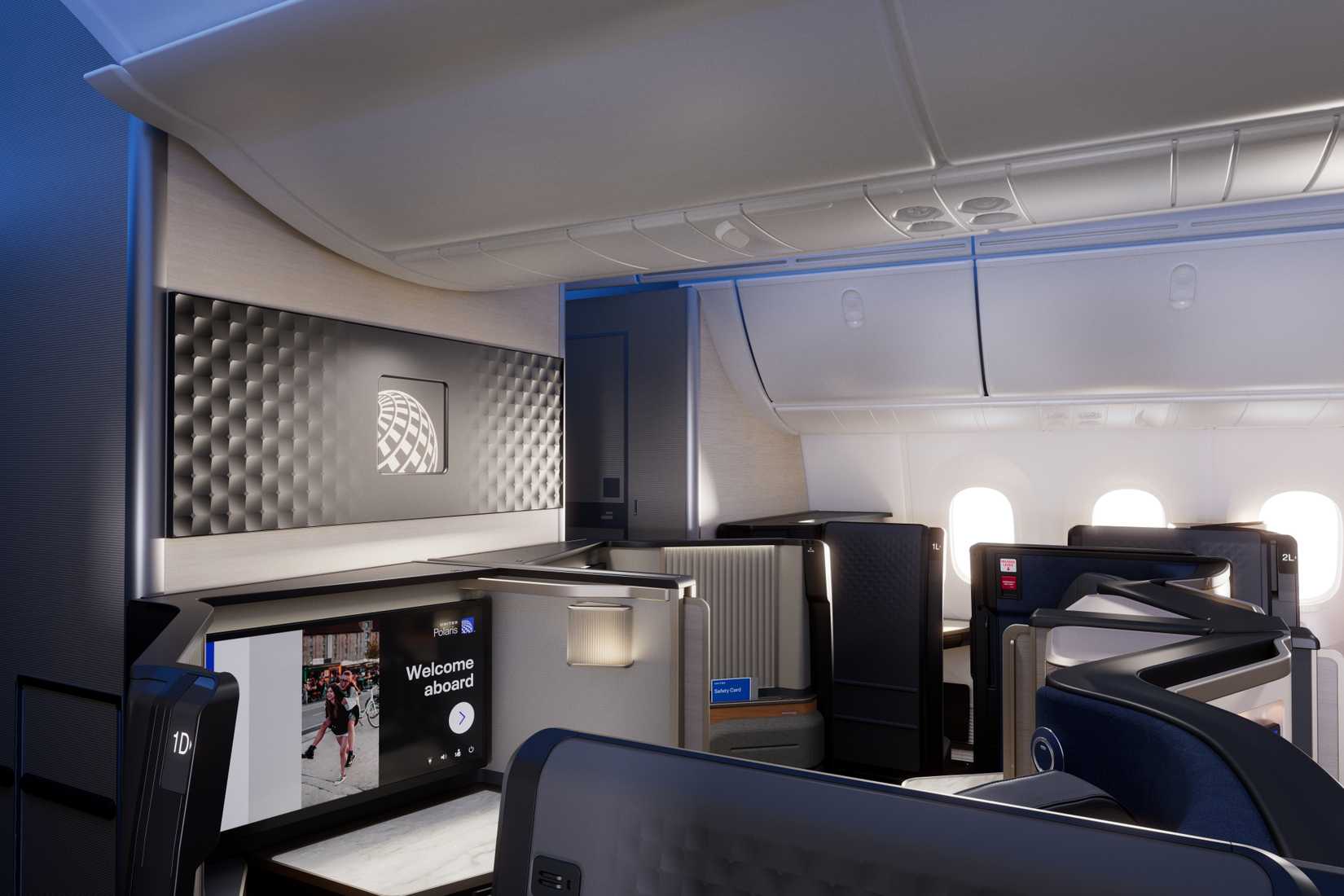
The development is directly relevant to corporate flight departments and Part 91K/135 operators whose clients or executives frequently travel internationally on commercial carriers. Premium cabin product quality has become an increasingly significant factor in travel policy decisions at large enterprises, and the emergence of tiered business class effectively creates a new purchasing tier between standard business and discontinued true first-class cabins. Travel managers and executive assistants advising high-net-worth travelers will need to track these differentiated suite offerings — Delta's front-row product, American's Flagship Suite, and United's Polaris Studio — as distinct booking categories with materially different pricing, availability, and amenity profiles. For operators running charter or fractional programs that compete with commercial premium cabins on transatlantic routes, Delta's move signals that the commercial benchmark for premium point-to-point comfort continues to rise.
Thompson Aero's VantageNOVA platform is central to understanding why this trend is accelerating across multiple carriers simultaneously. The product line was specifically engineered to support enhanced bulkhead suite configurations without requiring a full cabin redesign, lowering the barrier for airlines to introduce premium-tier differentiation within an existing business class footprint. Delta's selection of VantageNOVA as the foundation for its A350-1000 cabin — and the availability of Thompson Aero's companion "VantageNOVA First" concept — suggests that the engineering infrastructure for tiered cabins is now sufficiently mature and cost-effective to become standard practice rather than a competitive exception. American's Flagship Suite and United's Polaris Studio represent parallel investments in the same architectural philosophy, and Virgin Atlantic's Retreat Suite further confirms the model's multi-carrier viability.
At a macro level, the broader industry shift away from true four-class configurations toward tiered business class reflects a structural recalibration of premium revenue strategy that began during the pandemic recovery and has continued to intensify into 2026. Carriers abandoned or significantly reduced first-class operations on most international routes because the cabin's cost-per-seat economics rarely penciled out relative to the premium generated by upgraded business class products. The "mini first class" concept represents a pragmatic resolution: airlines capture a portion of the revenue upside traditionally associated with first-class pricing while preserving the seat density and operational simplicity of a single-class front cabin. For pilots flying these aircraft types, the configuration changes are largely transparent operationally, but the cabin product shifts will increasingly shape passenger expectations, in-flight service complexity, and the competitive positioning of the routes on which widebody fleets are deployed.
Delta's timing also reflects the sustained strength of premium leisure demand as a structural post-pandemic phenomenon rather than a transitory recovery effect. Affluent travelers have continued to prioritize comfort and privacy over price sensitivity at the top of the revenue curve, and airlines have responded by accelerating premium product investment on exactly the long-haul international routes where that demand is most concentrated. As Delta's A350-1000 deliveries progress and the airline finalizes the configuration details of its front-row suites, the product will likely serve as a further reference point in the ongoing redefinition of what commercial business class means in the mid-2020s — and what corporate and high-net-worth travelers will expect as a baseline on transatlantic and transpacific operations.









 Read original article