Here's Where Your Miles Go Furthest On Emirates Airbus A380 First Class In 2026
Emirates' Skywards loyalty program continues to offer some of the most compelling redemption values in commercial aviation's premium cabin space, with its fixed distance-based pricing structure setting it apart from the dynamic award pricing models increasingly adopted by U.S. and European carriers. The program's cents-per-mile values range from 3.7 on shorter regional routes such as Dubai to Delhi to a notable 13.4 on the Newark to Athens fifth freedom service, underscoring how dramatically route economics and cash fare levels influence award value. Critically, Emirates does not employ dynamic pricing on its award inventory, meaning that unlike programs tied to revenue-based algorithms, Skywards redemptions remain predictable — a significant advantage for any traveler planning months in advance. Access to first class award space is restricted to Silver, Gold, and Platinum elite members, which effectively protects premium inventory from casual redemption while rewarding the carrier's most frequent customers.
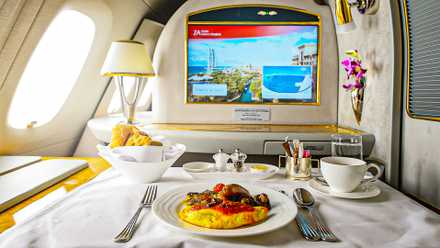
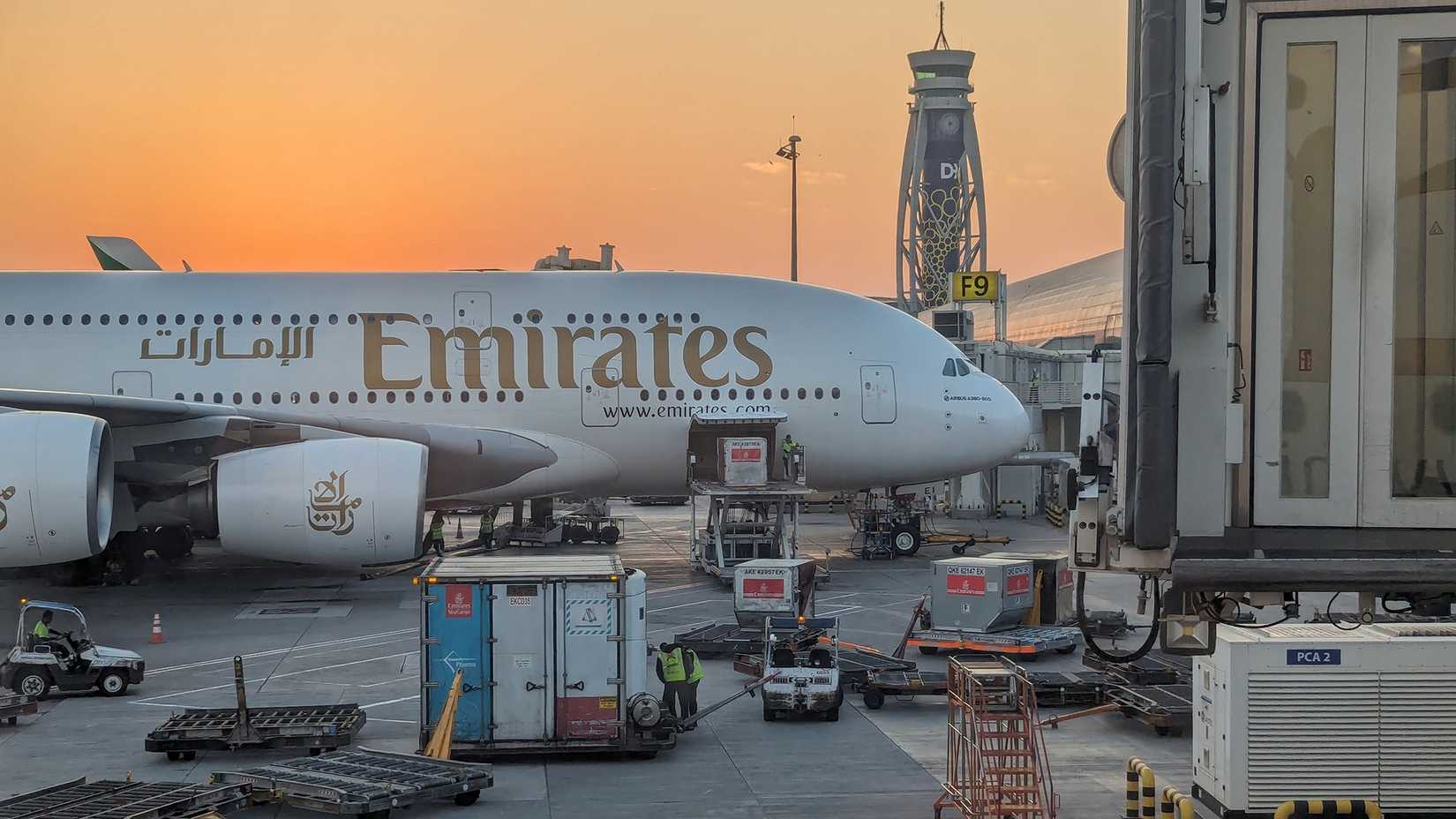
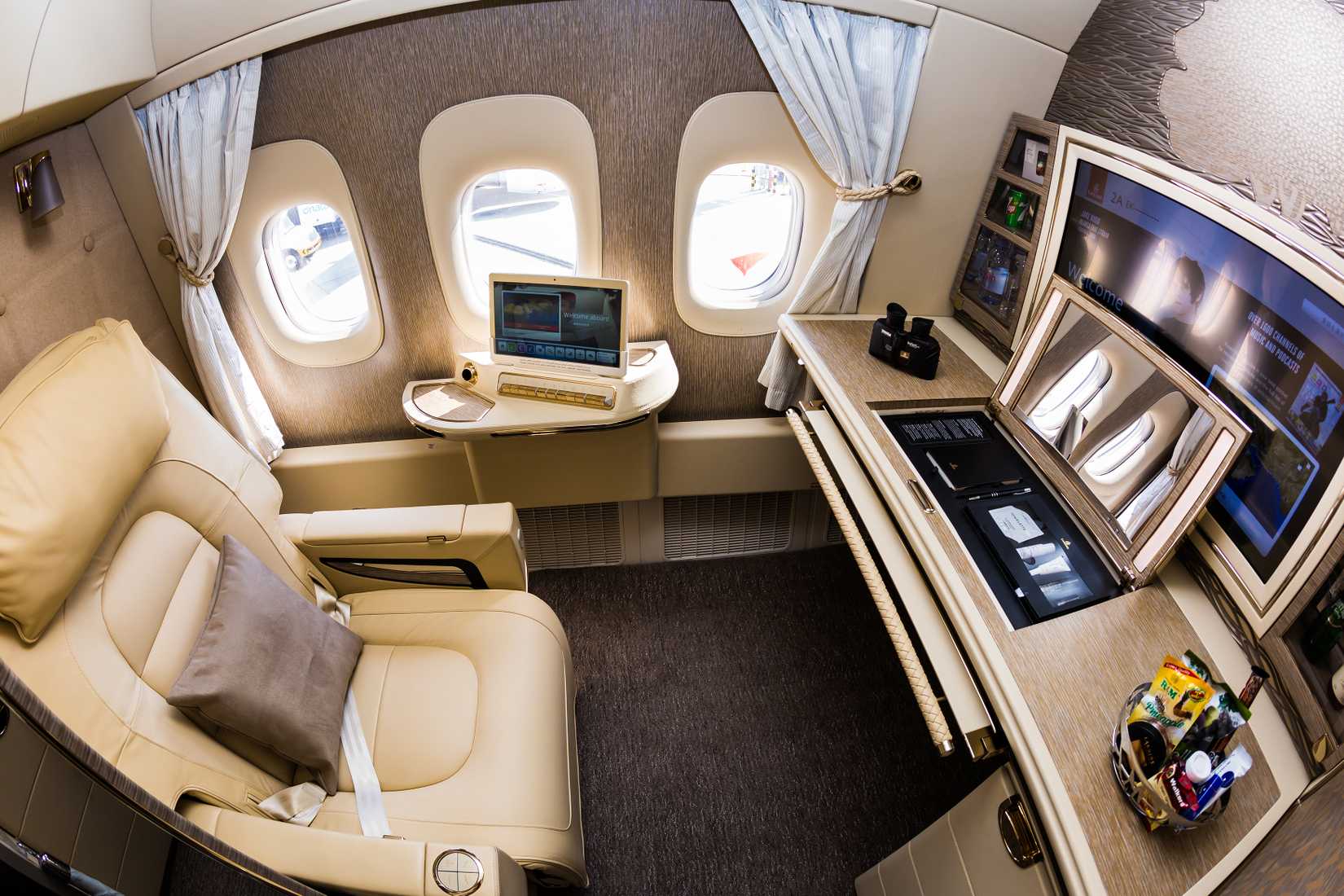
For airline crew members and corporate aviation professionals who accumulate substantial mileage balances through their own travel patterns, Emirates' first class product represents one of the most rewarding targets for redemption in the industry. The A380 configuration in particular — deploying 14 first class suites per aircraft compared to six to eight on 777-300ER variants — means availability on high-demand routes such as Los Angeles to Dubai is comparatively generous. Emirates operates one of the world's largest A380 fleets, with the type deployed across its primary intercontinental network, and the cabin product itself remains an industry benchmark for suite privacy, in-flight service, and onboard amenities. For business aviation operators whose clients regularly compare widebody airline premium cabin experiences against private aircraft options, understanding the Emirates product and its pricing dynamics remains directly relevant market intelligence.
The fuel surcharge structure imposed on Skywards award tickets represents a meaningful cost variable that partially offsets the program's otherwise favorable redemption rates. On long-haul routes such as Los Angeles to Dubai — where cash fares routinely approach $19,000 — fuel surcharges can add several hundred dollars to an award ticket's out-of-pocket cost, a structural reality across many legacy programs that pass carrier-imposed fees through to award travelers. Emirates' policy of permitting same-day business class to first class upgrades using miles, without restricting seat availability for upgraders, offers an operationally simpler alternative pathway to the front cabin that circumvents the inventory constraints typical of direct first class award bookings. The further option to add stopovers post-booking adds flexibility rarely found in comparable programs.
Air Canada's Aeroplan program emerges as the primary third-party avenue for accessing Emirates first class without Skywards elite status, a distinction that reflects Emirates' historically closed partner redemption ecosystem. The arrangement is notable because Aeroplan members can transfer points from multiple credit card programs — including Chase Ultimate Rewards and American Express Membership Rewards in some configurations — creating a broader acquisition funnel for travelers who do not fly Emirates frequently enough to achieve elite status independently. This dynamic mirrors broader trends across premium cabin loyalty ecosystems, where partner program access has become an increasingly valuable attribute as airlines tighten award availability and elevate status thresholds. For aviation professionals monitoring how carriers use loyalty programs as both revenue tools and competitive differentiators, Emirates' selective partner openness reflects a deliberate strategy to maintain first class as a premium, aspirational product rather than commoditizing access through broad partner distribution.






 Read original article