This Major US Airport Just Announced America’s First Offsite TSA Screening Service
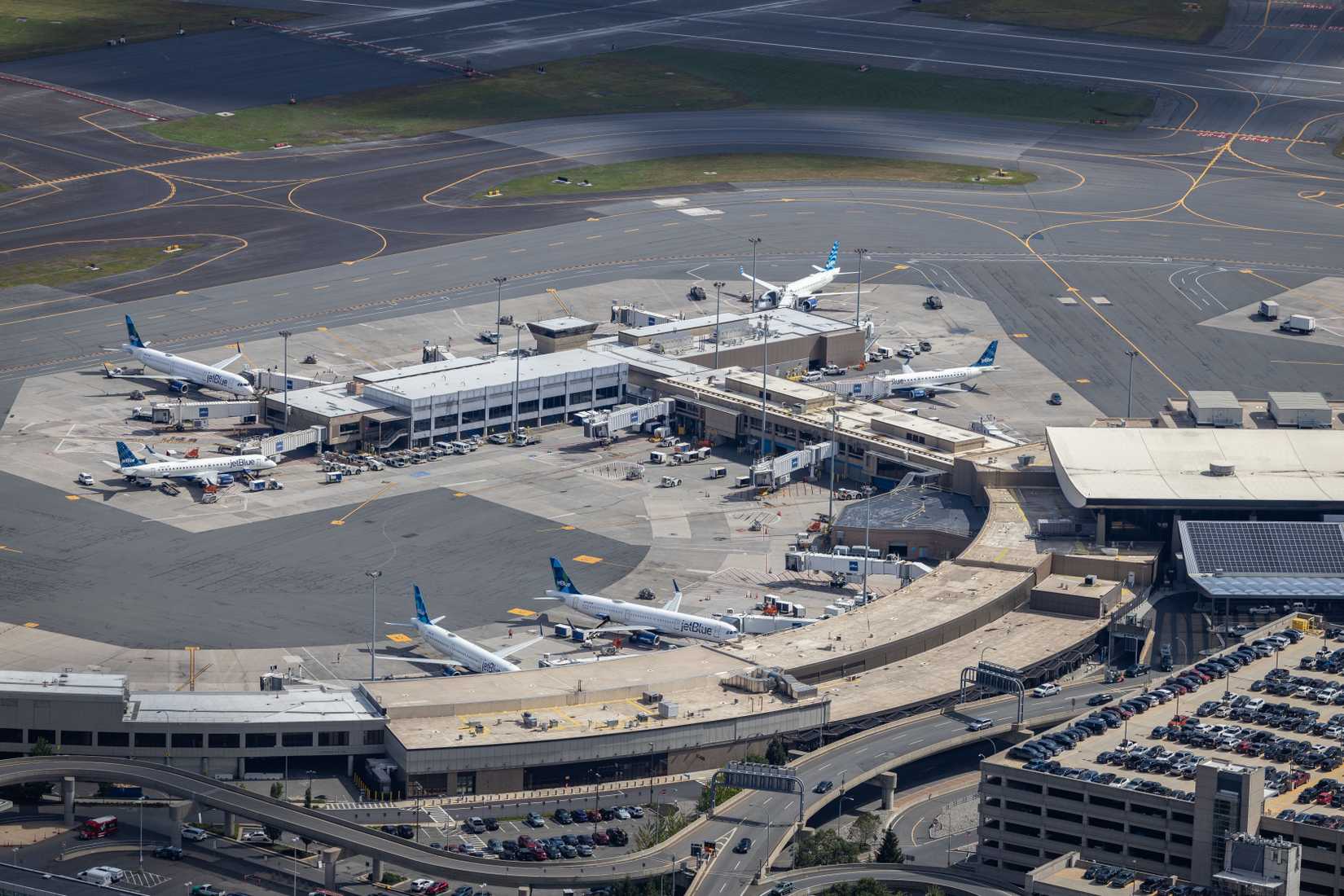
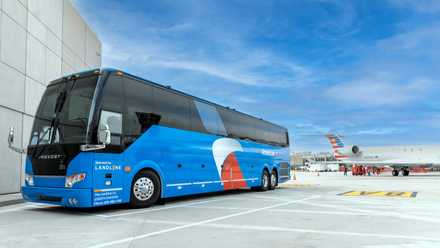
Boston Logan International Airport has launched the United States' first offsite TSA security screening facility, operated through a pilot program managed by Massport in partnership with the Transportation Security Administration and the Landline Company. The Logan Airport Remote Terminal, situated in Framingham approximately 24 miles west of the airport in the MetroWest suburban corridor, allows eligible travelers to clear TSA security screening at the remote location before boarding a dedicated secure motorcoach that delivers them directly to the airside at Logan — bypassing the terminal security checkpoint entirely upon arrival. Currently available to Delta Air Lines and JetBlue passengers on departures between 5:30 AM and 4:00 PM daily, the service costs $9 per one-way trip and is bookable through the Massport website from 90 days to 90 minutes before departure, with passengers arriving at the airport approximately 45 minutes ahead of their scheduled departure.
The operational mechanics of this program carry meaningful implications for airline crews and airline operations departments at Boston Logan. By decanting a portion of the passenger flow away from the main terminal security checkpoints during peak morning hours, the program has the potential to reduce congestion and queue buildup at BOS — one of the more chronically congested legacy airports in the Northeast corridor. For commercial flight crews, particularly those operating short-haul turns into and out of Logan, reduced landside congestion can translate to improved on-time boarding, faster gate-ready conditions, and fewer late passengers disrupting push times. Massport CEO Rich Davey has framed the initiative explicitly around making the passenger journey "more seamless, connected, and efficient," language that aligns with broader airline punctuality and gate-utilization pressures that affect crew scheduling and dispatch operations daily.
The program's regulatory novelty is its most structurally significant dimension. TSA has never before authorized a remote, offsite security checkpoint that feeds directly into the sterile airside environment of a commercial airport. The secure motorcoach functions as an extension of the sterile zone, requiring that TSA maintain integrity of the security perimeter from Framingham all the way to the Logan gate area — a logistical and regulatory achievement that required coordination across Massport, TSA, the airlines, and the Department of Homeland Security. If the pilot demonstrates acceptable security performance metrics and operational reliability, the TSA framework established here could serve as a template for replication at other congested hub airports, potentially reshaping how passenger origination geography and security infrastructure intersect in American aviation planning.
For operators in the business and corporate aviation sector — Part 91, 91K, and 135 — this development is largely tangential to daily flight operations, as those operators access their aircraft through FBOs and do not transit commercial terminal security. However, at airports where congestion on access roads and ground transportation networks is a shared operational constraint, any program that reduces the volume of commercial passengers driving to and through the airport campus improves ground transit times and reduces surface congestion for all operators. Boston Logan's geography, hemmed in by the harbor and connected to the city primarily through the Sumner and Ted Williams tunnels, makes landside access a persistent variable in departure planning for all aviation users.
The Framingham pilot also situates the United States within a longer global tradition of distributed check-in and pre-clearance infrastructure, though with a meaningful distinction: the Logan model adds TSA security screening to the equation, which international counterparts in Hong Kong, Seoul, Kuala Lumpur, Vienna, and Abu Dhabi do not replicate. Those cities offer in-town bag check and check-in tied to rail connections, but passengers still pass through airport security upon arrival. The Massport model's post-security delivery represents a more operationally complex — and consequentially more powerful — version of that concept. Whether the program survives its pilot phase and scales depends on ridership uptake, TSA's internal assessment of the security architecture, and Massport's ability to expand airline participation beyond Delta and JetBlue, but the foundational proof of concept, once established, becomes a referenceable precedent for every major hub airport authority in the country watching closely.





 Read original article