Elevate Jet acquires Boeing 757 for private client | Corporate Jet Investor | CJI news
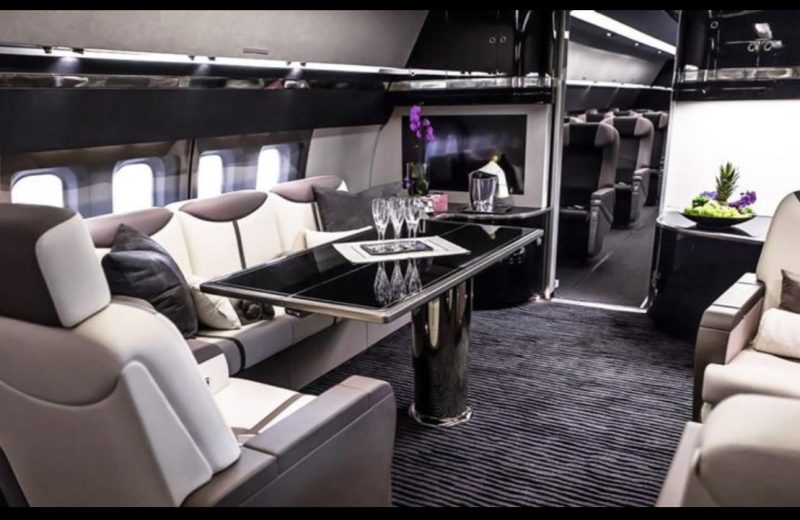
Elevate Jet, operating under the Elevate Aviation Group umbrella, has acquired a VIP-configured Boeing 757-200 on behalf of a private client, adding one of the few airliner-class luxury aircraft in U.S. private aviation to its managed fleet. The aircraft — registered 9H-AVM with a lineage tracing back to Petrolair in 1989 and subsequent operation by PrivatAir, Jet Magic, and Windcraft Overseas — seats up to 50 passengers in a bespoke VIP interior, dwarfing the 12-to-14 seat capacity of the largest purpose-built business jets currently offered by Bombardier, Gulfstream, and Dassault. The aircraft is being formally conformed into Elevate's managed fleet structure and is scheduled to receive high-speed satellite WiFi before year's end. It will not be made available for general charter, operating exclusively for the unnamed acquiring client.
For professional pilots and flight department operators, this acquisition underscores a persistent and largely unmet demand segment at the intersection of commercial aviation operations and ultra-high-net-worth private travel. The 757-200 is an airliner requiring type-rated crews trained to FAA Part 121 or Part 135 standards, meaning the aircraft's integration into a Part 135 managed fleet framework brings with it significant crewing, maintenance, and dispatch infrastructure compared to conventional business jet operations. Operators running large-cabin jets for sports franchises, touring entertainers, or government principals routinely encounter hard capacity ceilings — 14 passengers on a Global 7500 or G700 simply does not scale to a full touring party, a professional sports roster plus staff, or a cabinet-level delegation. The 757-200 bridges that gap operationally while preserving the privacy, scheduling flexibility, and cabin customization that clients in those categories demand.
CEO Greg Raiff's observation — that after 35 years in aviation the scarcity of VIP airliners in the U.S. private market continues to surprise him — points to a structural supply constraint rather than a lack of demand. Boeing Business Jets and Airbus Corporate Jets have long served the market for single-owner converted narrowbodies, but the availability of pre-configured, Part 135-ready VIP 757s or 737s remains thin. The economics of maintaining an airliner-class asset under private operation are considerable, typically limiting ownership to sovereigns, ultra-high-net-worth individuals, and large corporate entities with sufficient flight hours to justify the cost basis. Elevate's model — acquiring and managing the asset on a client's behalf rather than speculative charter placement — reflects a brokerage-to-management pipeline that spreads the operational burden while retaining the exclusivity the client requires.
The broader trend this acquisition reflects is the gradual formalization of "VIP airliner" as a distinct product category within business aviation, separate from both charter airliners and traditional business jets. Operators such as VistaJet, Atlas Air, and a handful of boutique U.S. managers have historically fielded this type of equipment, but scalable inventory remains rare. As professional sports team travel, major concert tours, and high-level government movement increasingly demand both scale and discretion simultaneously, the 757-200 — and its 767 and A330 counterparts — represents an asset class likely to attract additional managed-fleet investment. For pilots holding 757/767 type ratings or pursuing them, managed private operations of this kind offer an operationally demanding but potentially lucrative career track distinct from the mainline and ULCC airline environment.