Falcon 10X Revives Dassault's Visibility In Business Jet Market
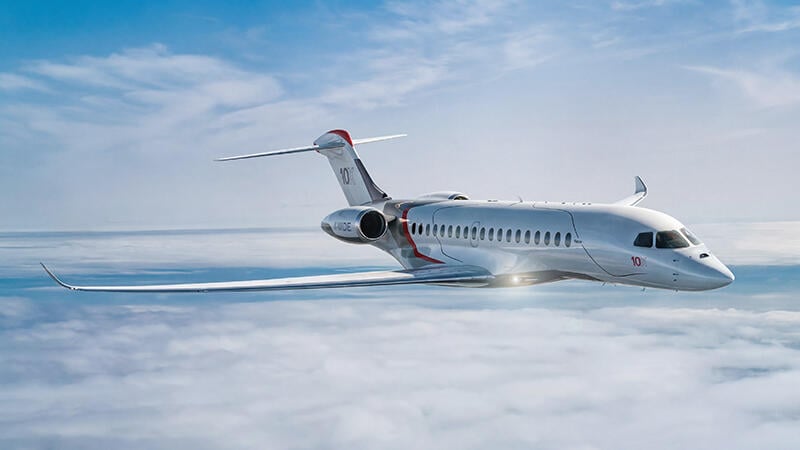
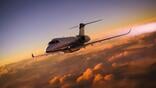
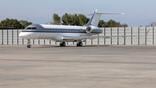
Dassault Aviation's Falcon 10X represents the French airframer's most ambitious effort in decades to reclaim competitive ground in the ultra-large-cabin business jet segment, arriving approximately two years behind its original schedule due to COVID-19 disruptions, supply chain constraints, and engineering resource conflicts stemming from the delayed Falcon 6X certification program. The aircraft's cabin measures 2.77 meters wide and 2.03 meters tall, making it the largest purpose-built business jet interior available, surpassing comparable offerings from Bombardier and Gulfstream. Priced at approximately $80 million before cabin completion, the 10X features a four-zone, 78.7-cubic-meter cabin designed around a highly modular partition system, with 38 windows offering 30 percent greater surface area than those on the Falcon 6X. Dassault's Bordeaux factory is configured to produce up to 22 aircraft annually, and CEO Éric Trappier has publicly stated first customer deliveries are expected two to three years after first flight, with the first two aircraft already assembled and two more in production.
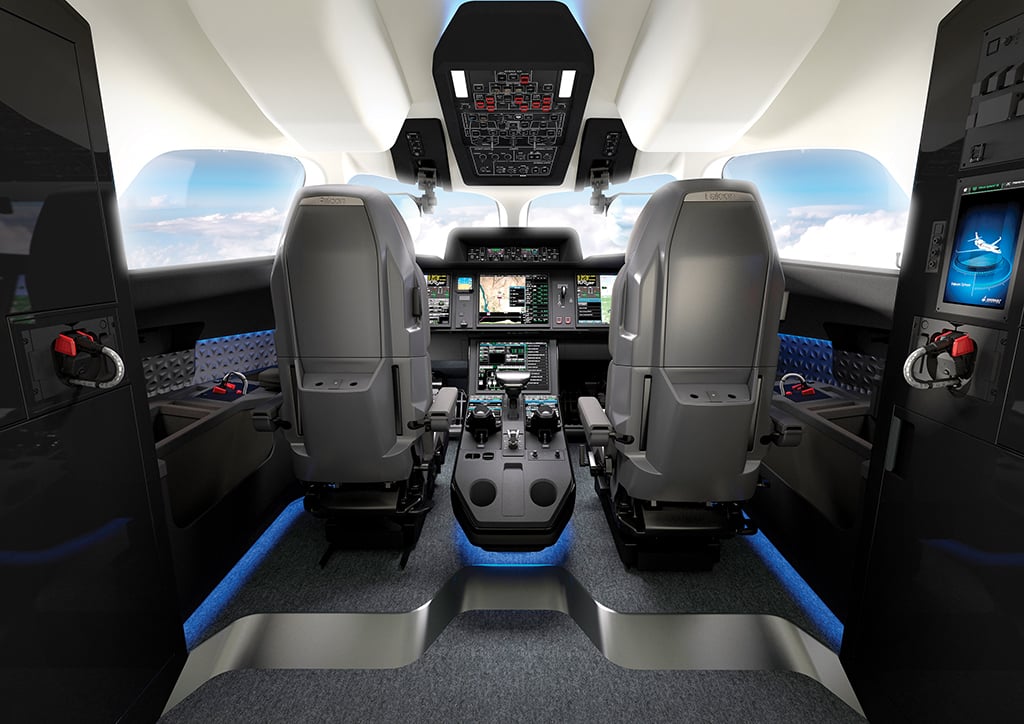
The flight deck technology embedded in the Falcon 10X warrants particular attention from professional pilots and flight departments evaluating the platform. Dassault has moved meaningfully beyond conventional envelope protection into what it terms "ultimate protection modes" — automated systems that do not merely warn but actively intervene. These include an operational speed protection system that will advance the smart throttle (a single-lever dual-engine controller) without crew input if airspeed decays toward a critical threshold, terrain avoidance automation capable of executing a 2.5g pull if a crew fails to respond to a GPWS alert, and an autothrottle-autopilot coupling that can follow TCAS resolution advisories autonomously. Most notable for type rating and line training implications is the automated upset recovery mode: pressing a dedicated button on the glare shield commands the aircraft to wings-level at a safe speed and attitude, directly addressing spatial disorientation and wake turbulence scenarios. This last capability echoes the trajectory Airbus established with A350 envelope protection philosophy, now migrated into the business jet world. Pilots transitioning to the 10X will need to internalize a cockpit culture where system authority is real, not merely advisory, and understand the override discipline required to remain pilot-in-command in a meaningful operational sense.
From a fleet and operator perspective, the Falcon 10X enters a market where Dassault has been significantly outpaced in delivery volume — 37 Falcons delivered in the most recent reported year against Gulfstream's 136 large-cabin aircraft and Bombardier's 86. The 10X, combined with the Falcon 6X now entering gradual customer service, forms the foundation of Dassault's stated goal of scaling annual production to 40–60 aircraft. For Part 91K fractional programs, charter operators under Part 135, and large-market corporate flight departments currently evaluating ultra-long-range platforms, this delivery gap matters: it has historically translated into longer wait times and thinner used-market availability compared to Gulfstream's G700/G800 line and Bombardier's Global 7500. The 10X's cabin size advantage is a genuine differentiator for operators flying high-density VIP configurations or owner-operators prioritizing sleep comfort on transatlantic and transpacific routes, but the program's two-to-three-year delivery horizon from first flight means procurement decisions made now will not yield assets until well into the latter half of the decade.
The Falcon 10X's development arc also illuminates a systemic risk that aviation operators and OEM analysts should monitor closely: the compounding effect of defense production prioritization on civil aviation programs at dual-mandate manufacturers. Dassault's resource diversion toward Rafale fighter production and the engineering bottleneck created by the Falcon 6X certification delay directly contributed to the 10X's timeline slippage, a dynamic not unique to Dassault. As defense budgets globally expand and fighter programs accelerate, manufacturers with both military and civil portfolios — including Boeing, which has faced analogous resource allocation pressures across commercial and defense lines — present a structural schedule risk that sophisticated flight department procurement teams must factor into long-range fleet planning. Dassault's transparent acknowledgment of these constraints, and the new Bordeaux facility's dedicated production capacity, suggests the company is attempting to institutionally insulate the 10X program from further such interference, but the proof will be in whether first-flight-to-certification timelines hold to the two-to-three-year target Trappier has set.






 Read original article