FAA details first official response to D.C. crash safety recommendations
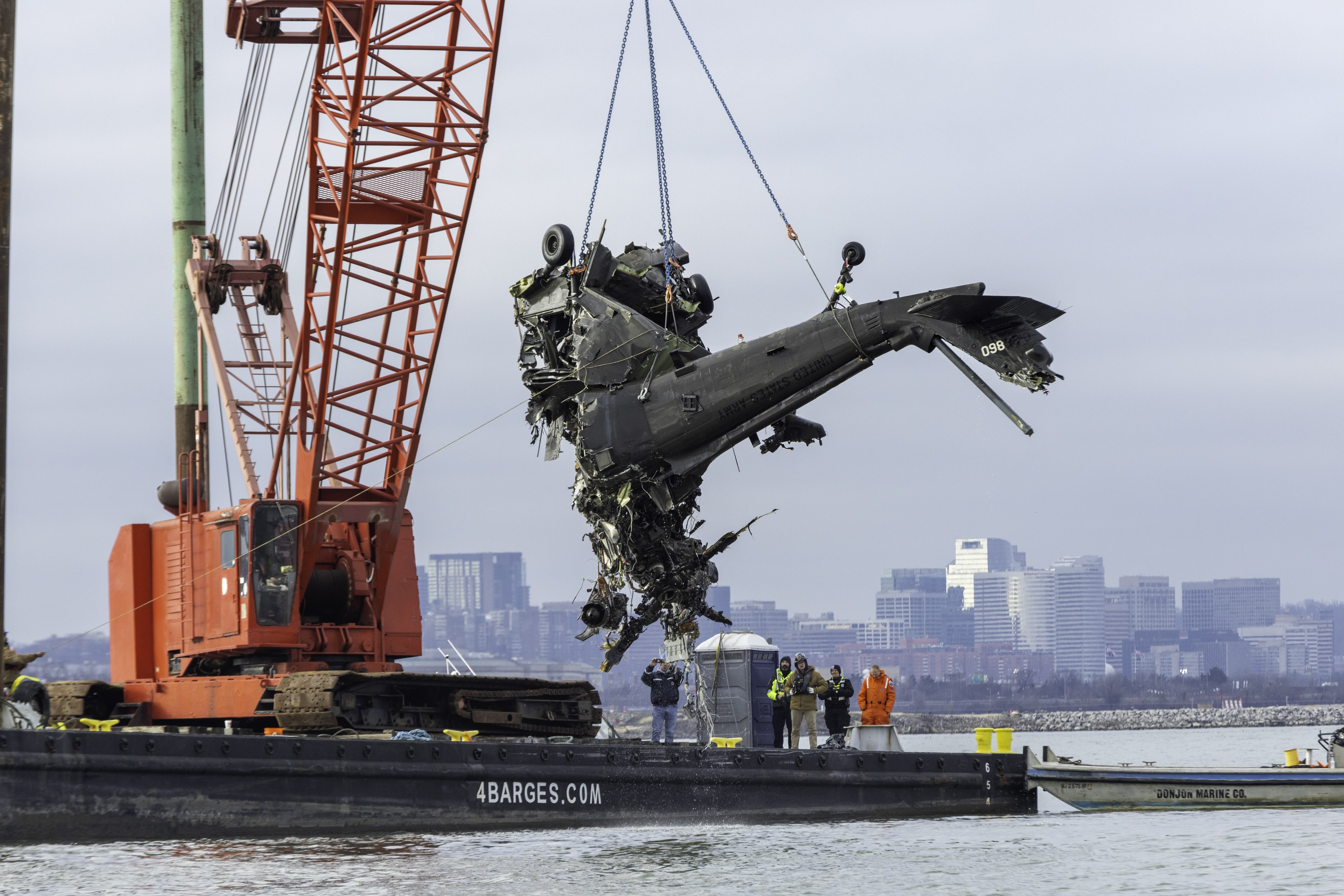
The Federal Aviation Administration released its first formal responses on May 18, 2026 to roughly three dozen National Transportation Safety Board safety recommendations generated by the January 2025 midair collision near Ronald Reagan Washington National Airport that killed all 67 people aboard an American Eagle CRJ700 and a U.S. Army Black Hawk helicopter. The agency claims to have fully addressed seven recommendations and projects it will close more than half by the end of 2027, but the official correspondence — recorded publicly on the NTSB's website — is notable for its vagueness. On the most consequential technology mandate at stake, ADS-B "In," the FAA said only that it "will initiate rulemaking to address equipage and other operating requirements," while simultaneously signaling that pending congressional legislation could alter the timeline or regulatory approach entirely. On the critical question of whether DCA's authorized arrival rate contributed to the airspace saturation that preceded the collision, the agency deferred any decision to an analysis it will not complete until 2027.
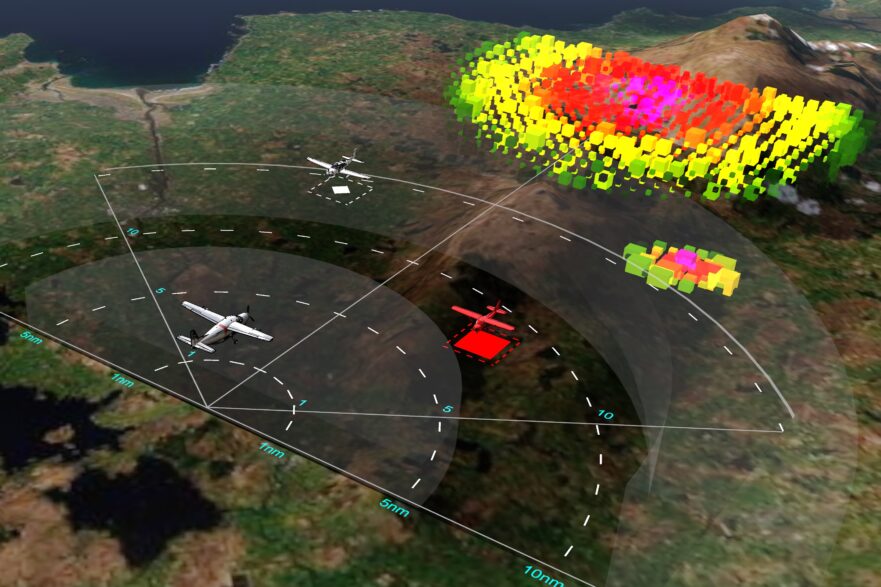
The FAA's posture on ADS-B In represents a continuation of a pattern stretching back nearly two decades. The NTSB has formally advocated for an ADS-B In mandate since February 2008, when the FAA was already mid-rulemaking on ADS-B Out. Following a 2019 midair collision between air tour aircraft in Ketchikan, Alaska, the NTSB again pressed for ADS-B In requirements specifically for Part 135 commuter and on-demand operators. The FAA's eventual 2023 reply — that existing ADS-B requirements "adequately address the needs of aviation safety" and that no additional mandates would be pursued — was reiterated again in 2024. That same language now shadows the agency's DCA response. For Part 135 operators and crews flying in high-density terminal environments, the absence of a firm ADS-B In equipage mandate means the cockpit traffic picture remains voluntary and inconsistent across the fleet, a condition the NTSB cited as a contributing factor in both the Ketchikan and DCA accidents.
The collision avoidance technology question extends beyond ADS-B. The FAA indicated it will work to update standards for Traffic Collision Avoidance System alerts — potentially revising trigger altitudes to improve effectiveness in terminal airspace — but declined to commit to mandating the next-generation Airborne Collision Avoidance System X until standards clear the full industry stakeholder process. ACAS X represents a more adaptive, probabilistic approach to collision avoidance than legacy TCAS II, and the NTSB has flagged its absence as a gap in fleet-wide protection. By conditioning any mandate on a multi-year standards process, the FAA is effectively signaling that large portions of the commercial and business aviation fleet will continue operating with legacy TCAS II architecture for the foreseeable future, a concern particularly relevant for operators conducting approaches into congested Class B airports where low-altitude resolution advisories are most time-critical.
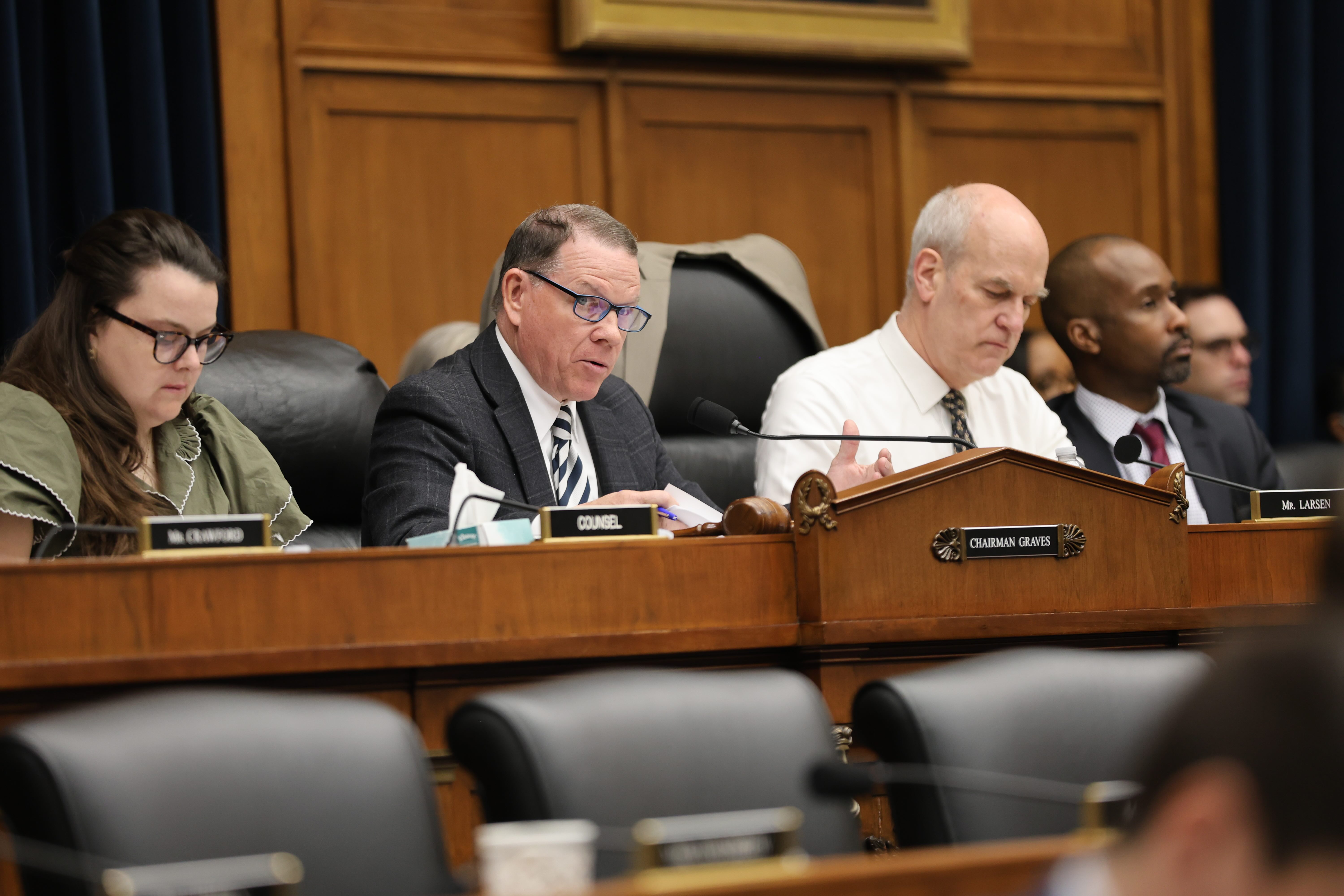
The legislative dimension adds further uncertainty to the regulatory timeline. The House passed the ALERT Act on April 14 by a 396-to-10 vote, while the Senate has advanced the separate ROTOR Act, and the two chambers remain at odds over implementation specifics — particularly regarding ADS-B In and helicopter flight rules. Both NTSB Chair Jennifer Homendy and families of the 67 victims publicly called on Congress in mid-May to reconcile the two bills before the August recess. The FAA's explicit statement that congressional action "could dictate timelines or the approach" to rulemaking introduces a regulatory dependency that could delay enforceable equipage requirements by years, regardless of which bill prevails. For operators planning avionics upgrades or fleet acquisitions, the practical consequence is continued regulatory ambiguity around ADS-B In installs — equipment that carries real cockpit value now even absent a mandate, but whose return on investment calculation for retrofit decisions remains tied to an unresolved rulemaking posture.
The Department of Transportation's Office of Inspector General separately agreed to audit the FAA Air Traffic Organization's safety culture by September 2026, following the NTSB's finding that the ATO "does not embrace the principles of open communication, just culture, and continuous improvement." That finding carries weight beyond the DCA accident specifically: it describes an organizational environment in which controllers and traffic managers may be reluctant to surface concerns, flag anomalies, or advocate for procedural changes — conditions that affect the quality of the air traffic service on which every IFR operation depends. For airline and business aviation operators whose crews interface daily with ATC at high-density terminals, the OIG audit represents the most structurally significant near-term action in the FAA's response package, even as the agency's noncommittal language on technology mandates and airspace capacity constraints suggests the deeper operational reforms called for by the NTSB remain years from implementation.