From 615 To 569 Seats: Emirates Debuts First High-Density A380 Retrofit With Premium Economy
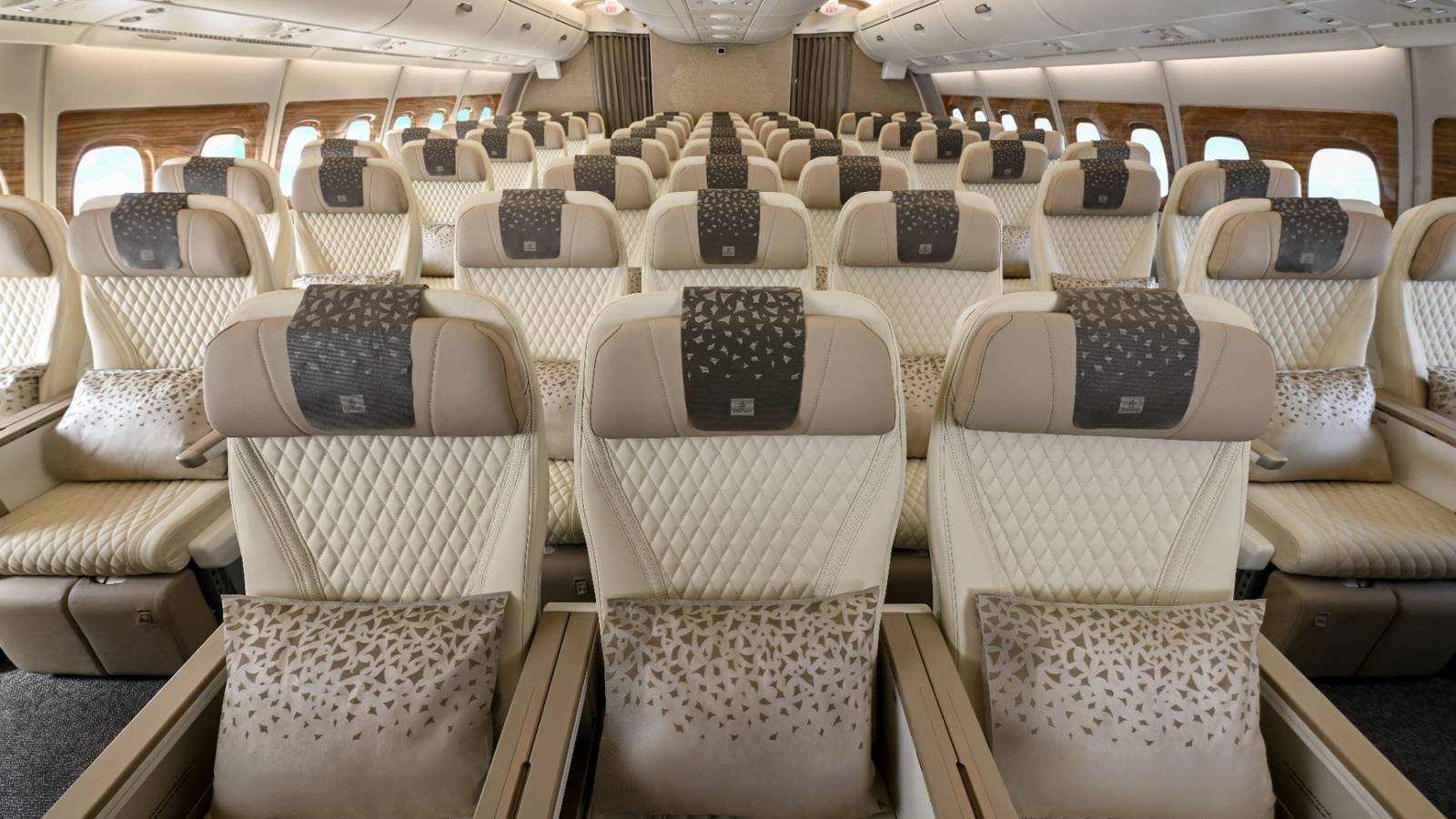
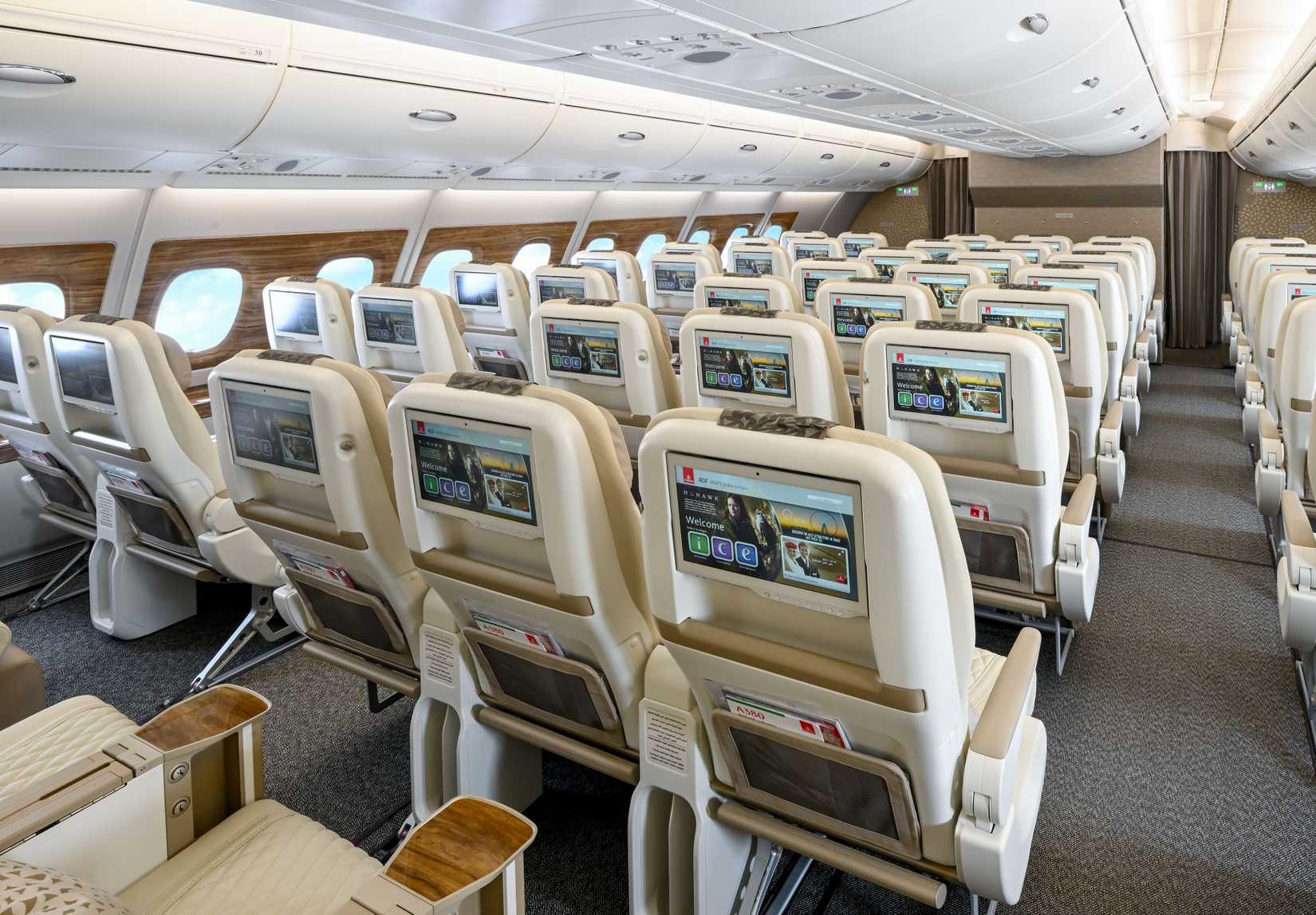
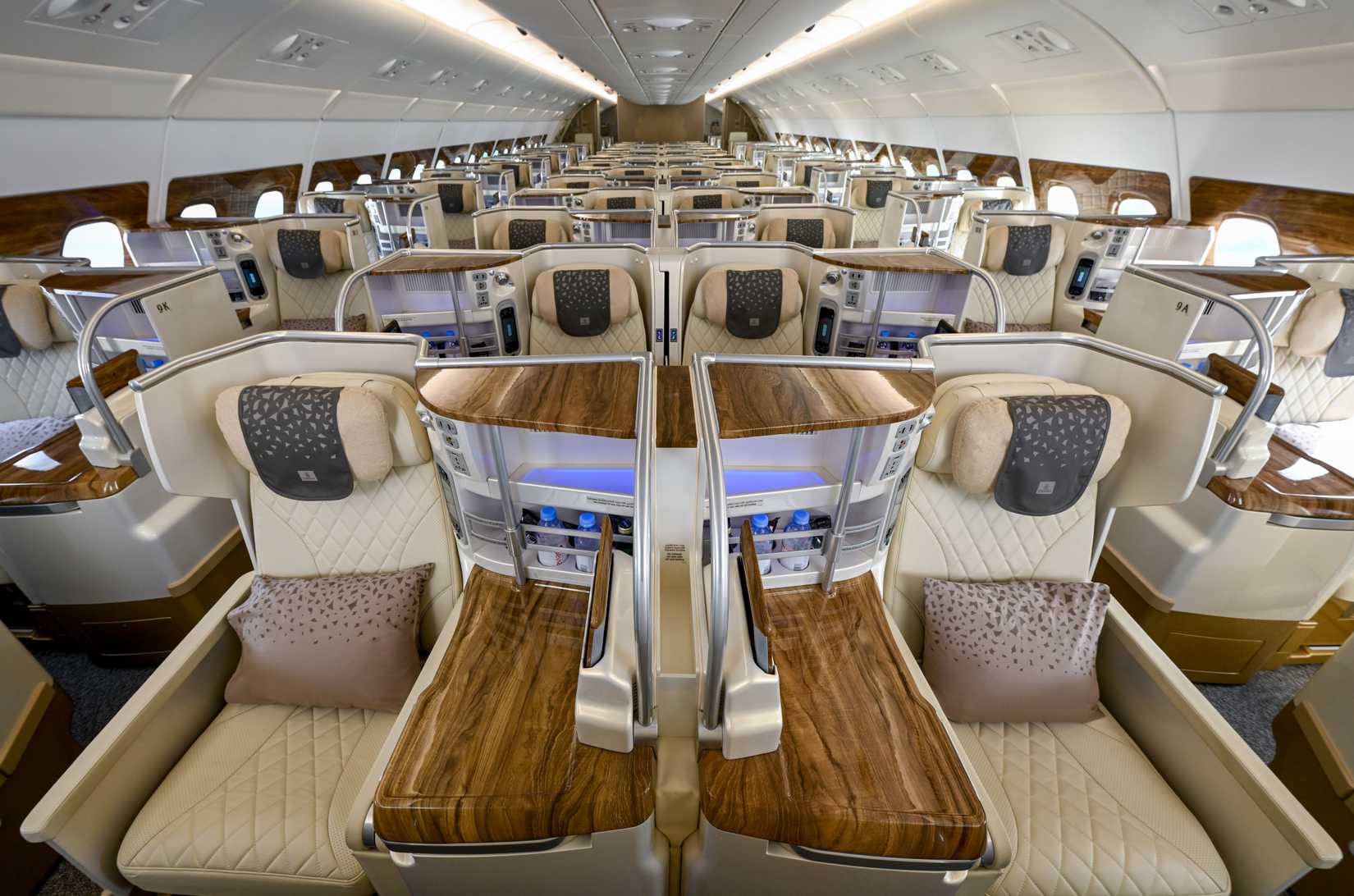
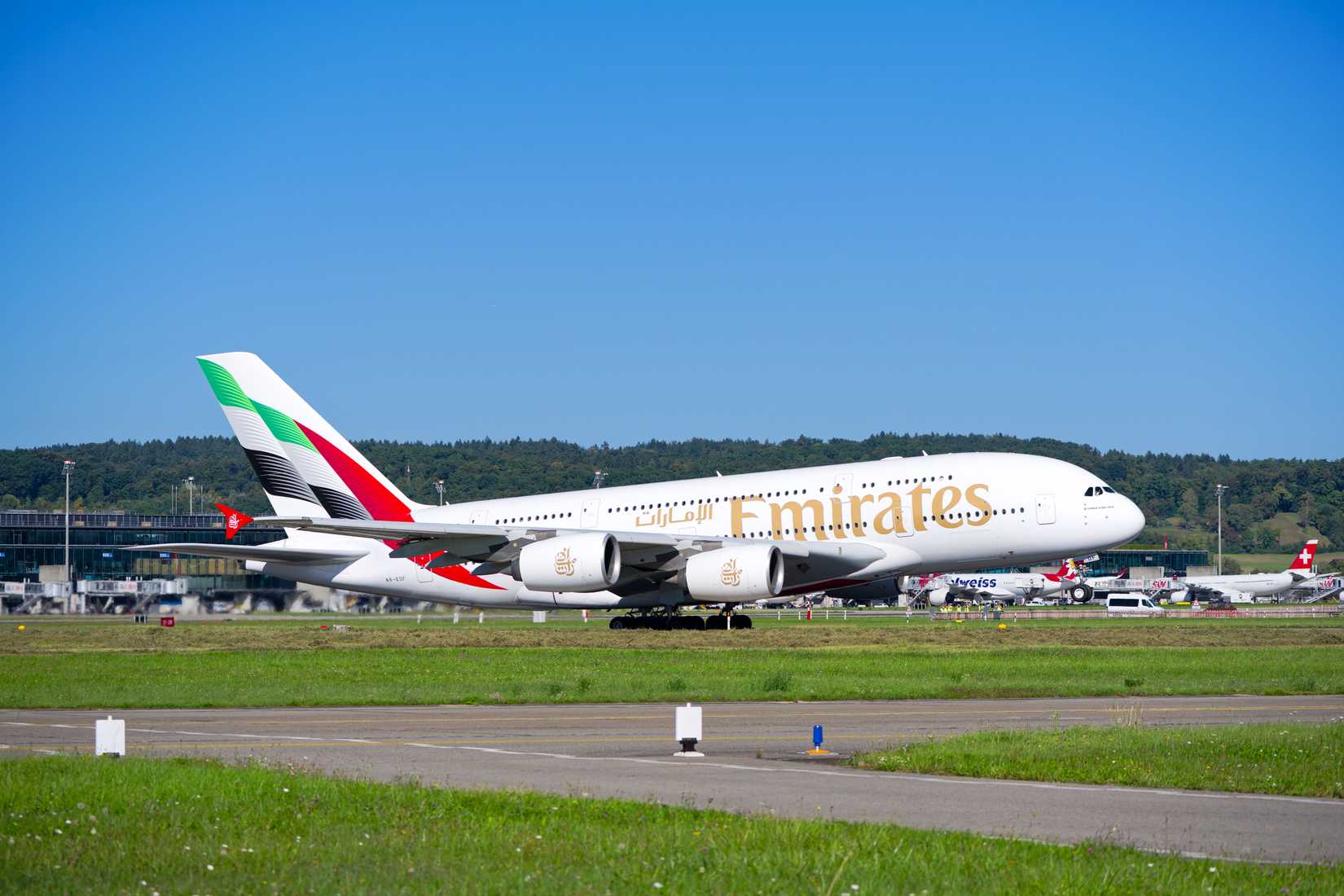
Emirates has completed the first cabin retrofit of its high-density Airbus A380 subfleet, returning aircraft A6-EUX to commercial service on May 16, 2026, after approximately two months in modification. The work reduces the aircraft's total seat count from 615 to 569 — a 7.5% capacity reduction — while introducing three cabin classes where only two previously existed. The upper deck, which formerly housed 557 economy seats in a 2-4-2 configuration alongside business class, has been reconfigured to accommodate 56 premium economy seats in a 2-3-2 layout and 18 additional business class seats, bringing the business class total to 76. The lower deck retains its 437-seat economy configuration in a 3-4-3 arrangement. The retrofitted aircraft debuted on the Dubai–Birmingham route, making Birmingham the fourth UK city in the Emirates network to receive premium economy service, joining London, Manchester, Edinburgh, and Newcastle.
The retrofit is one component of Emirates' $5 billion fleet modernization program, originally announced in 2021 in direct response to new-aircraft delivery delays affecting both Airbus and Boeing programs. What began as a 120-aircraft initiative has since expanded to 219 aircraft, reflecting the airline's recognition that delivery timelines remain unreliable and that extending the productive life of existing widebody assets is both commercially and operationally necessary. As of the article's publication date, Emirates has completed retrofits on 95 aircraft — 42 A380s and 53 Boeing 777s — and aims to finish the remaining 14 high-density A380s by year-end 2026. The first aircraft required two months to complete; the carrier expects subsequent airframes to be turned around in roughly half that time as the MRO workflow matures.
For aviation operators and commercial pilots, the Emirates program illustrates a broader strategic shift in how major carriers are managing fleet lifecycles under persistent OEM supply chain pressure. Rather than waiting for new-build aircraft, airlines with large existing widebody fleets are treating heavy maintenance events as revenue optimization opportunities, using cabin reconfiguration to improve yield per flight rather than simply maintaining the status quo. The economics are straightforward: removing 120 economy seats and replacing them with 56 premium economy and 18 business class seats meaningfully raises the revenue ceiling per departure without adding airframes to the operation. For crews operating these aircraft, the practical implications include changes to passenger load factors, revised service procedures in the newly configured upper deck, and potential adjustments to catering and weight-and-balance planning as the mixed-class upper deck becomes standard across the subfleet.
The program also reflects the competitive dynamics of the long-haul premium market, where carriers like Qantas, British Airways, and Singapore Airlines have aggressively expanded premium economy as a discrete, high-margin cabin class rather than a soft upgrade buffer. Emirates was a relative latecomer to premium economy, but its fleet scale means that once the retrofit program is complete, it will operate one of the largest premium economy seat inventories in the world. The simultaneous induction of 19 Airbus A350-900s — all delivered with the new cabin products — accelerates that trajectory. By the end of 2026, Emirates projects approximately 120 aircraft across its fleet will feature the latest cabin generation, a figure that encompasses both retrofitted legacy frames and newly delivered aircraft, fundamentally reshaping the product consistency that corporate travel buyers and frequent fliers experience across the network.







 Read original article