Why The Airbus A350 Has Such A High Service Ceiling
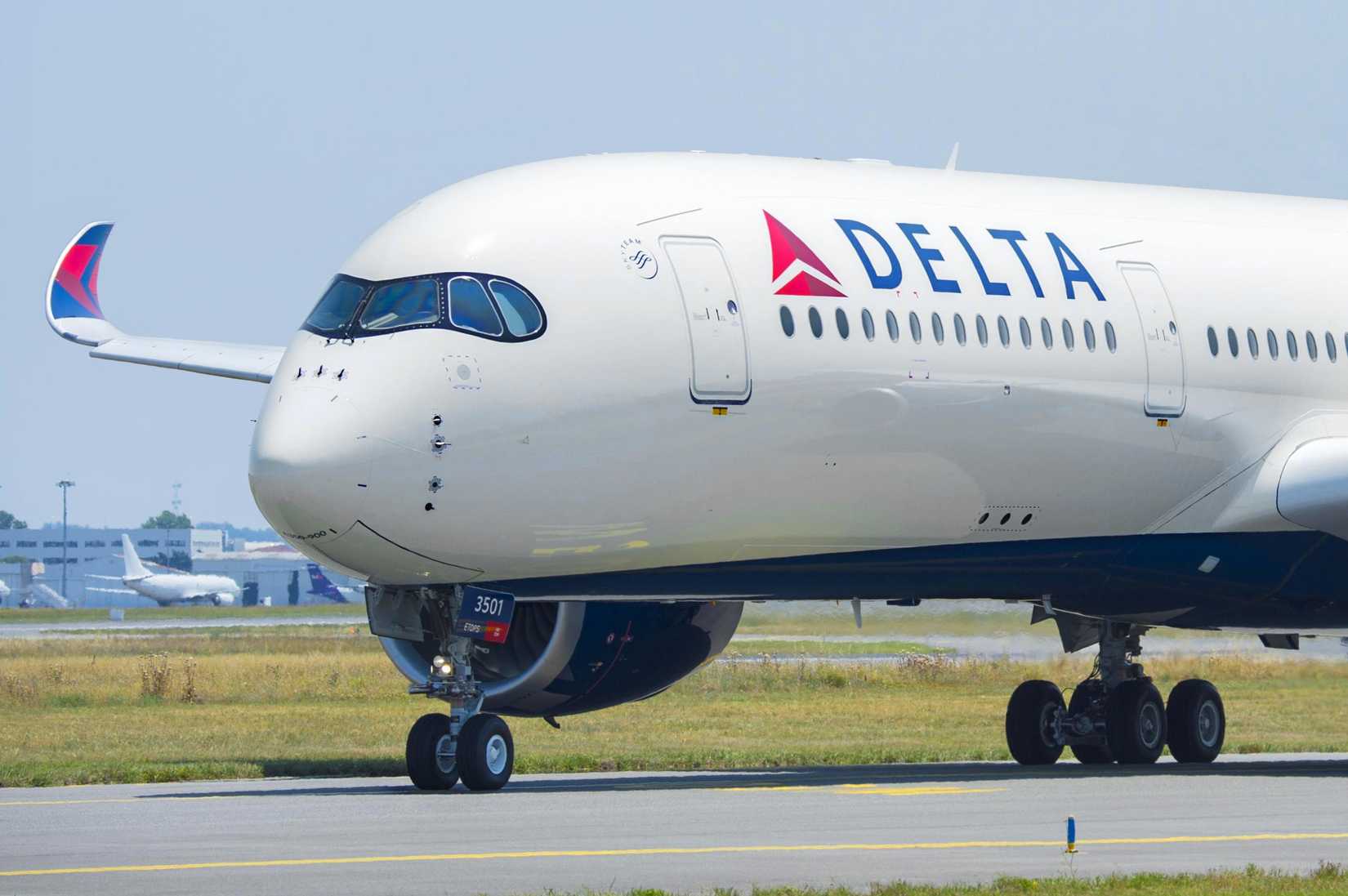
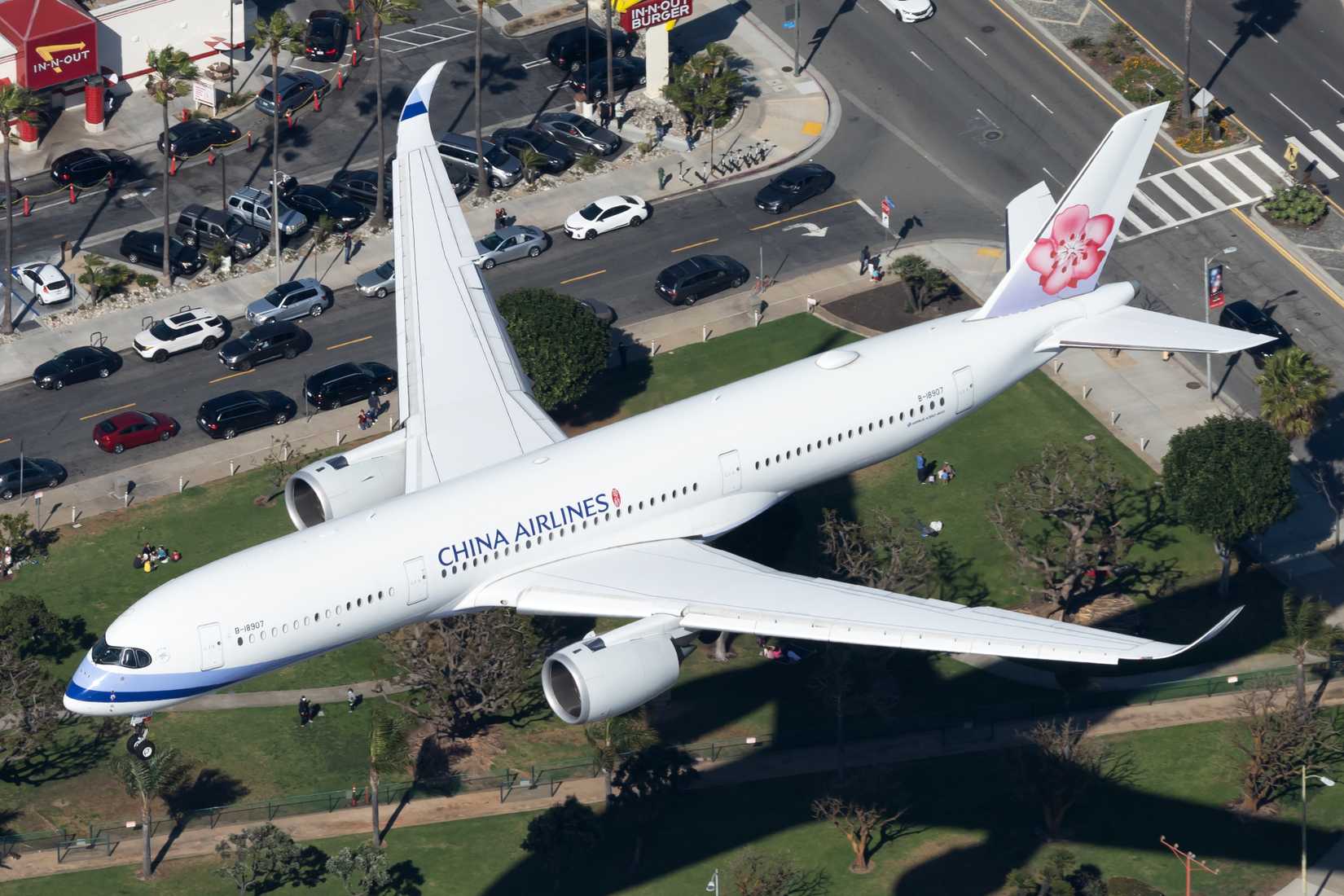
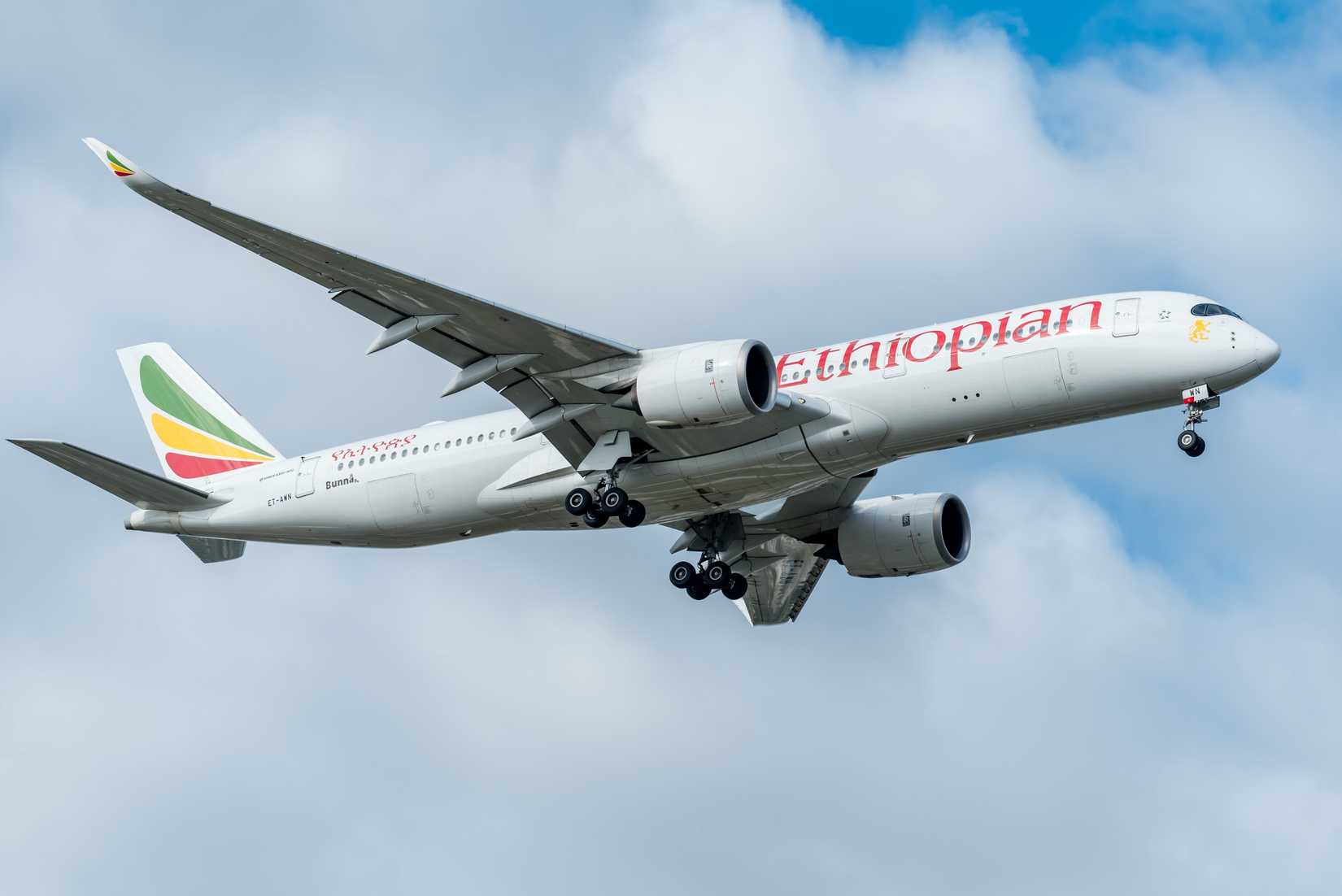
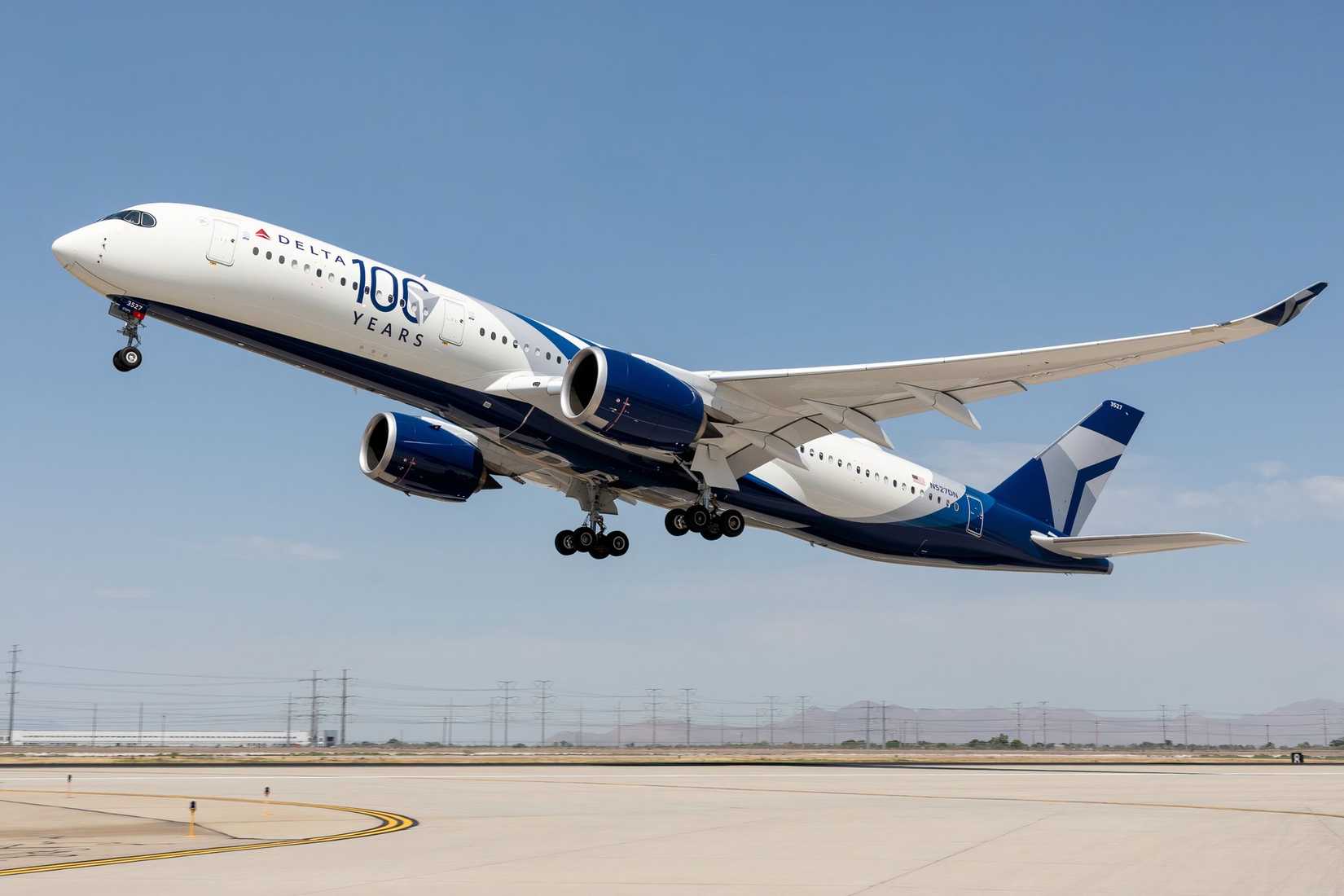
The Airbus A350's 43,000-foot service ceiling — shared by the Boeing 787 and Airbus A380 — represents a meaningful operational capability advantage over narrowbody and older widebody platforms, and stems from a convergence of structural, propulsion, and systems engineering that defines the current generation of long-range commercial transport. The aircraft's extensive use of carbon fiber-reinforced polymer (CFRP) throughout the fuselage and wing structures reduces overall airframe weight significantly compared to aluminum-dominant predecessors, directly improving thrust-to-weight ratio at altitude. Paired with Rolls-Royce Trent XWB engines — purpose-built for high-altitude efficiency in thin air — the A350 sustains usable climb performance well above the operational ceilings of aircraft like the A320 (39,000 ft) or A330 (41,500 ft). The aerodynamic package, including the aircraft's swept composite wings and raked wingtips, further reduces induced and parasitic drag across the cruise and ceiling envelope.
For flight crews operating the A350, the practical implication of a 43,000-foot service ceiling is expanded route flexibility and fuel economy on ultra-long-range operations. At higher cruise altitudes, aircraft typically encounter reduced aerodynamic drag and can take advantage of favorable jet stream positioning, both of which translate directly to block fuel savings. The ability to request and sustain FL410 or FL430 on transatlantic, transpacific, or Middle East–to–Australia routings allows dispatchers and crews to optimize cost index targets without being constrained by performance limitations. On routes like those operated by Singapore Airlines' A350-900ULR between Singapore and Newark — among the longest non-stop commercial flights in service — even marginal altitude-driven efficiency gains compound over 18-plus hours of flight time into operationally significant fuel and cost outcomes.
The A350's cabin pressurization architecture is equally relevant to operators managing passenger experience on extended sectors. The aircraft maintains a cabin altitude of approximately 6,000 feet, compared to the 8,000-foot standard on older-generation widebodies. Operating at a higher service ceiling does not, in this case, impose a penalty on the cabin environment — rather, the pressurization system is engineered to sustain the lower cabin altitude throughout the flight envelope. For crews, this is operationally transparent but matters from a passenger management standpoint: reduced hypoxic stress correlates with lower incidence of passenger medical events, which has measurable implications for diversion decisions on long oceanic sectors where diversion airports may be hours away.
The A350's high service ceiling also connects to a broader industry trajectory in which airframe and propulsion technology are increasingly co-designed to extend the operational envelope of commercial transports. The Boeing 787 achieves an identical 43,000-foot ceiling through a comparable design philosophy — composite structure, high-efficiency turbofans, and advanced pressurization — underscoring that this performance threshold has become a de facto benchmark for modern widebody programs. The pending deployment of the A350-1000 on Qantas' Project Sunrise operations, connecting Sydney non-stop to London and New York, will push these combined capabilities to their practical limits, requiring crews and operators to plan around maximum-range profiles that leave little performance margin for unforeseeable deviations. As ultra-long-range operations become commercially routine rather than experimental, the engineering decisions embedded in the A350's design — ceiling, fuel burn, and cabin environment — translate into the standard operating parameters within which professional crews must execute with precision.







 Read original article