Why Dead Airbus A380s Are Now Aviation's Most Valuable Spare-Parts Source
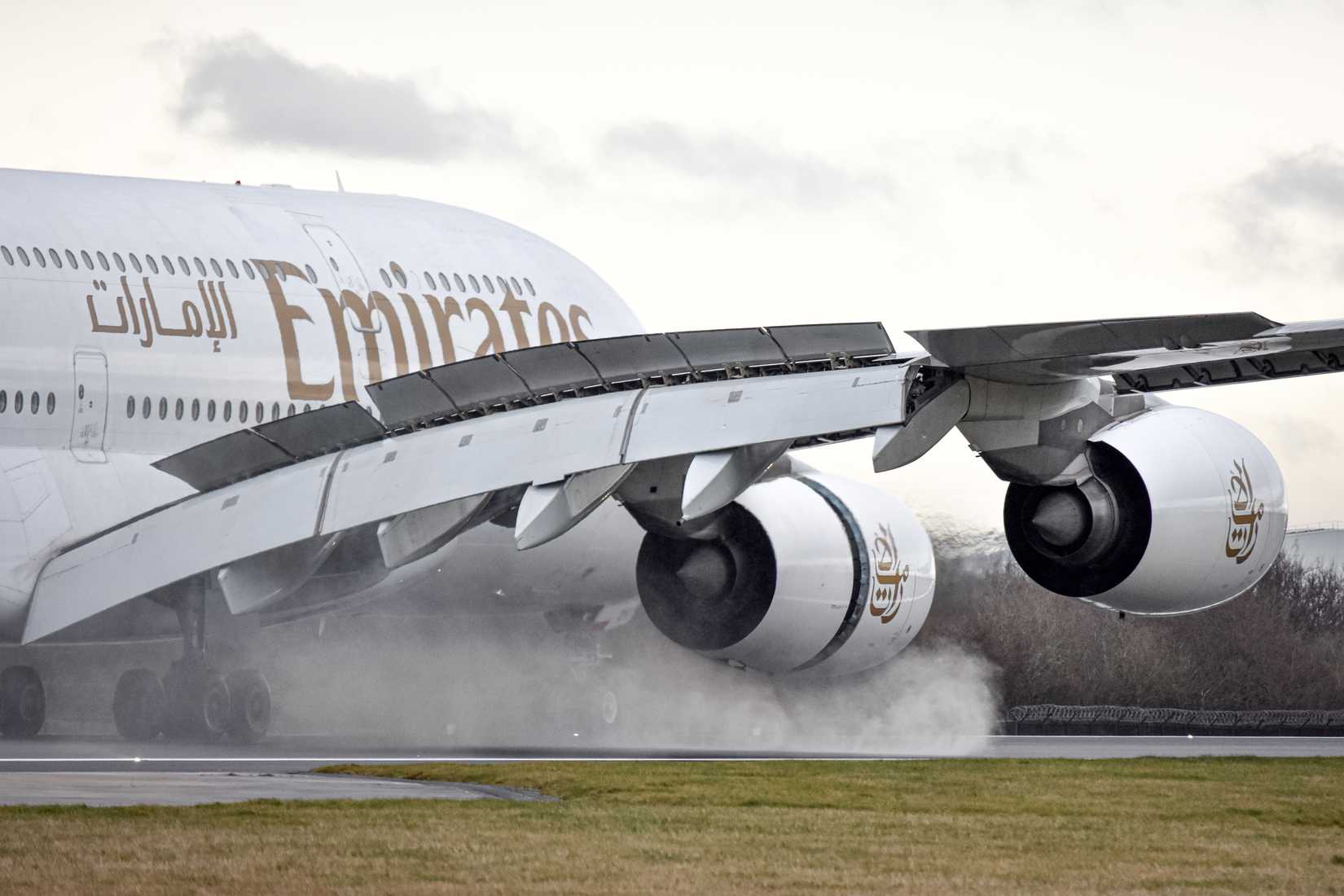
The Airbus A380's post-pandemic trajectory has become one of commercial aviation's more consequential reversals, and the industrial infrastructure now supporting the surviving fleet reflects just how permanent that reversal has become. Airbus formally selected VAS Aero Services in April 2025 to oversee the teardown of three retired superjumbos — former Lufthansa aircraft MSN 61 and MSN 66 and former Malaysia Airlines aircraft MSN 84 — at Tarmac Aerosave's facility in Tarbes, France. The project represents VAS Aero's 13th dedicated A380 dismantlement program, a figure that illustrates how rapidly a niche teardown niche has matured into a structured supply-chain function. Components targeted for recovery and resale include avionics, landing gear assemblies, hydraulic systems, electrical components, and engine-related hardware — all of which will be redistributed to operators and MRO providers across Europe, the Middle East, and Africa. With Airbus having ceased A380 production in 2021 after building only 251 airframes, every retired aircraft now functions as an irreplaceable inventory reservoir for the approximately 159 to 189 examples remaining in commercial service.
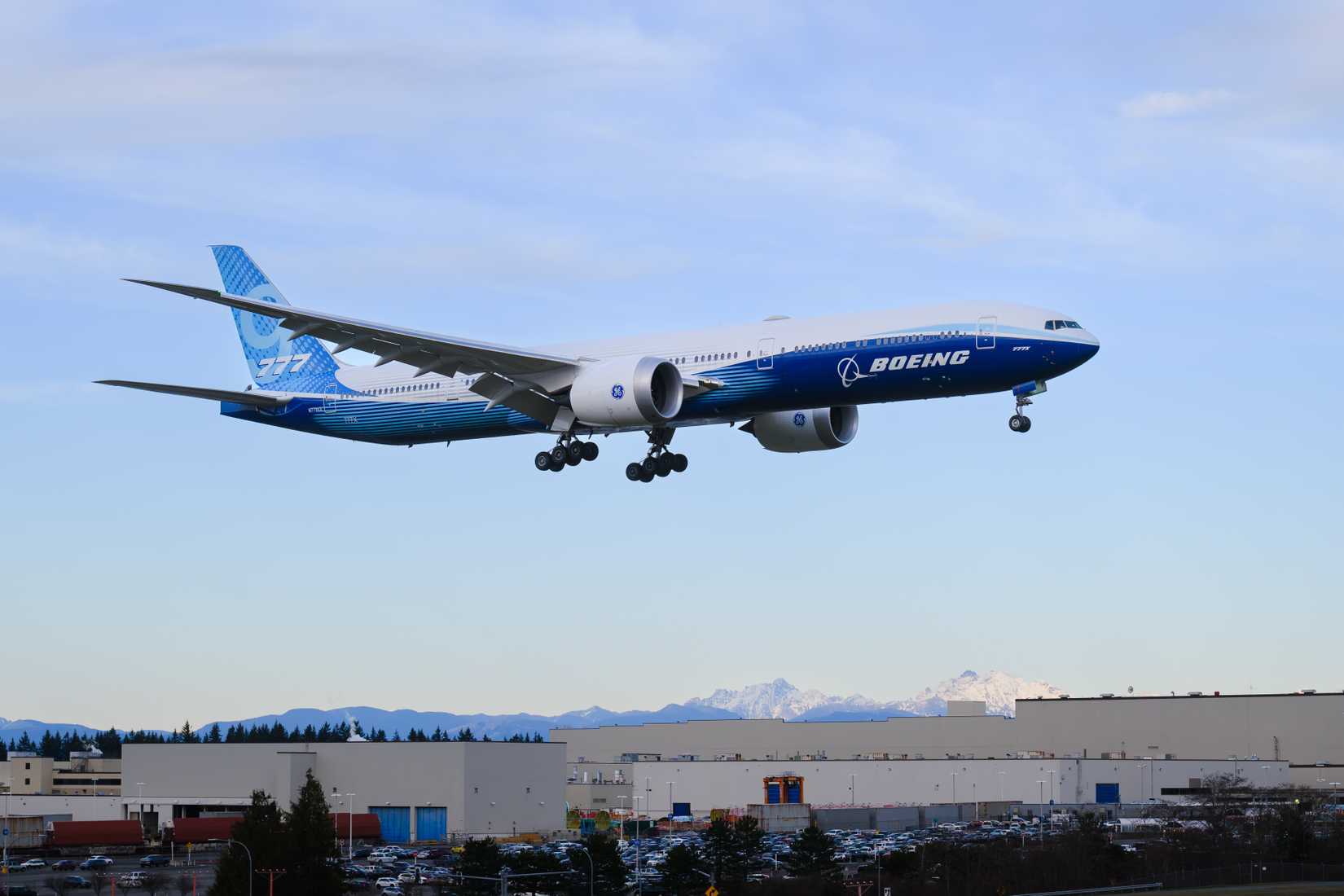
The supply-chain pressure driving these teardown operations is inseparable from the Boeing 777X program's prolonged certification delays. Multiple major A380 operators — Emirates, Qatar Airways, and Singapore Airlines among them — had structured fleet transition plans around the expectation that 777X deliveries would begin absorbing high-capacity long-haul demand before legacy widebodies required major reinvestment. Those plans have not materialized on schedule, and the resulting capacity gap has forced carriers to extend A380 service lives well beyond original assumptions. For flight operations and technical departments at these airlines, that means maintenance planning horizons are being stretched into territory that was never fully resourced, and the availability of used serviceable material from teardown programs has become a direct operational dependency rather than a convenient cost option. The three aircraft entering dismantlement — all grounded during the 2020 pandemic contraction — never returned to revenue service because their operators determined that individual reactivation economics were unfavorable, yet their component value in support of the active fleet remains substantial, potentially running into millions of dollars per airframe.
For professional pilots and aviation operators, particularly those flying or managing heavy widebody equipment in international operations, this dynamic carries practical implications beyond the headline economics. Airlines extending A380 fleet utilization under constrained parts supply conditions face elevated MEL scrutiny, longer AOG resolution timelines, and increasing reliance on lease pools and used serviceable material channels that are finite by definition. The teardown pipeline, while now institutionalized, is inherently self-limiting — each dismantled airframe reduces the total future inventory available to the fleet, and with production permanently closed, no new supply exists beyond what the existing 251-aircraft population can yield. Maintenance planners and chief pilots at Part 135 and ACMI operators that wet-lease or charter A380-equipped capacity should factor these supply constraints into risk assessments for long-term fleet positioning and contract negotiations.
The broader trend visible through the A380 situation is the aviation industry's accelerating dependence on circular-economy teardown infrastructure as a front-line supply solution rather than a fallback. Delivery backlogs at both Airbus and Boeing have created fleet age profiles that were not anticipated in pre-pandemic planning cycles, and aging narrowbodies and widebodies alike are now being flown deeper into their operational lives across all segments from major network carriers to regional operators. Companies like VAS Aero Services and Tarmac Aerosave have effectively become critical infrastructure providers to the global airline system, not peripheral recyclers. As the 777X certification timeline remains unresolved and next-generation narrowbody deliveries continue to lag, the structural conditions that have elevated teardown operations to essential status show no sign of reversing in the near term. For operators planning fleet strategy through the end of the decade, the secondary parts market is no longer a supplementary consideration — it is a primary supply variable.








 Read original article