How The B-21 Raider Stacks Up Against The B-2 Spirit, B-52, & B-1 Lancer
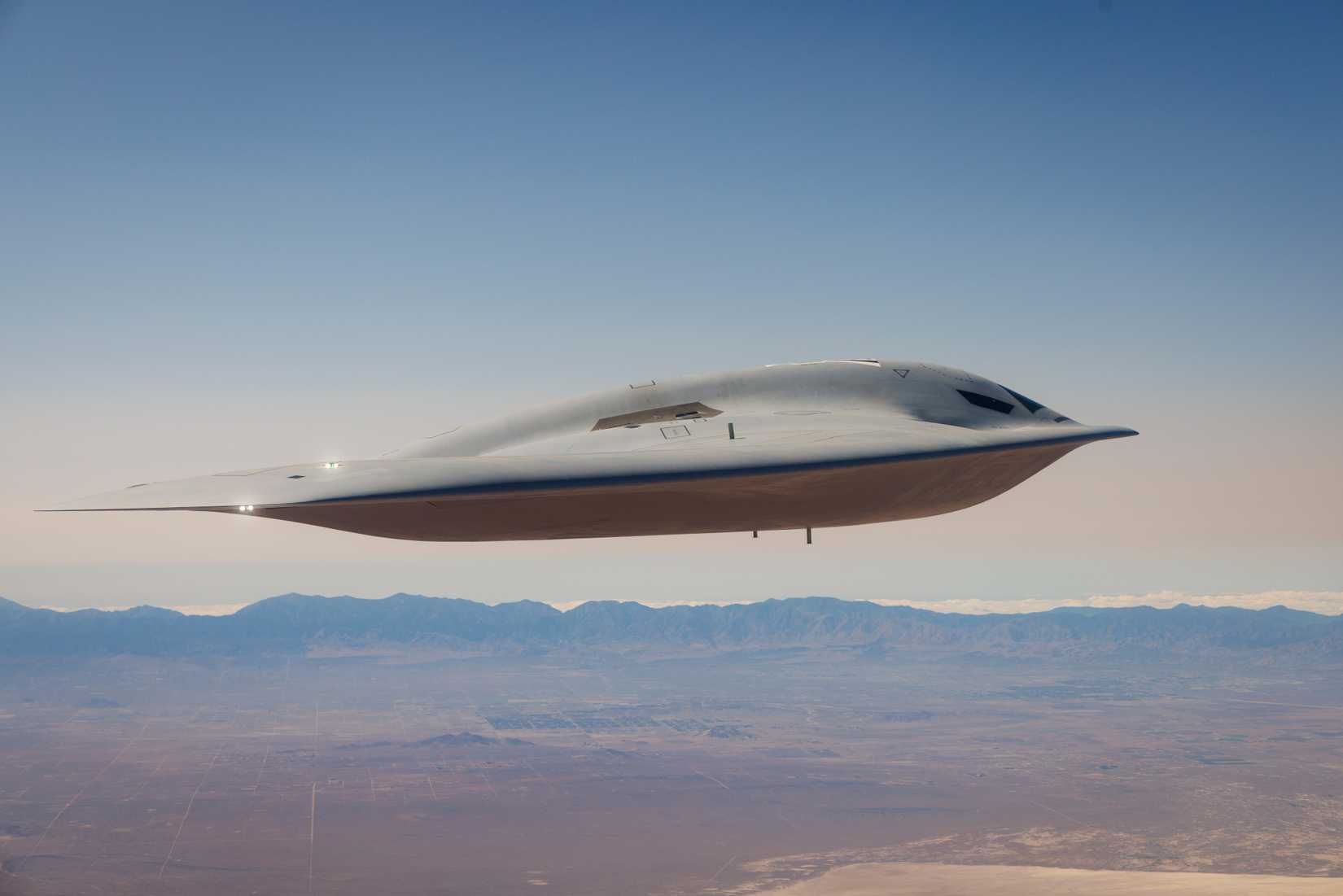
The Northrop Grumman B-21 Raider is advancing toward an anticipated 2027 operational debut, positioning itself as the cornerstone of U.S. strategic bombing capability for the coming decades. Currently in Air Force test operations, the B-21 will first displace the B-1B Lancer beginning around fiscal year 2028, then eventually succeed the B-2 Spirit, while continuing to operate alongside a modernized B-52 fleet well into the 2050s. Critically, the transition away from the B-1B is not a one-for-one capability replacement — the Raider trades raw payload mass and supersonic dash performance for a generation-leap in low-observable technology, a trade the Air Force has explicitly accepted as adversary integrated air defense systems grow too sophisticated for any non-stealthy penetrating bomber to survive.
The differing lineages of America's bomber fleet explain much of the current transition. The B-52 descends from the WWII-era philosophy of massed, attrition-tolerant formations designed to overwhelm defenses with sheer volume of ordnance, a doctrine that became operationally untenable by the early 1970s after Operation Linebacker II. The B-1B was conceived as a bridge between supersonic strike aircraft and the all-aspect stealth of the B-2, relying on terrain-following low-level flight to defeat radar — a tactic itself eventually neutralized by look-down radar improvements and advances in short-range air defense. Decades of high-density low-level flying have accelerated B-1B airframe fatigue to the point where sustaining the remaining 45-aircraft fleet is becoming logistically and economically untenable, regardless of the platform's still-demonstrated utility. The B-21, by contrast, is designed around stealth penetration of heavily contested airspace, accepting a publicly disclosed payload of only 30,000 pounds — roughly comparable to an F-15EX — in exchange for survivability that no current adversary air defense network can reliably defeat.
The payload comparison across the fleet reveals the deliberate strategic calculus behind the B-21's design. The B-1B carries the largest official weapons load at 75,000 pounds, the B-52 follows at 70,000 pounds, and even the B-2 Spirit's unclassified figure of 40,000 pounds — with strong evidence it can actually carry 60,000 pounds under certain configurations — significantly exceeds the B-21's disclosed 30,000-pound figure. However, analysts note that the B-21's true classified payload almost certainly exceeds the publicly released number, consistent with how the B-2's official and operational capacities diverged significantly. The broader point, as the article argues, is that precision-guided munitions have fundamentally changed the payload calculus: a single JDAM-guided weapon can accomplish what dozens of unguided bombs once required, reducing the strategic premium on raw tonnage. This is why the Air Force intends to retain the high-capacity B-52 alongside the B-21 rather than replacing it, using the legacy bomber as a standoff missile truck and conventional payload platform against lower-threat environments.
The 2026 U.S. air campaign against Iran offers a timely and instructive real-world data point. B-1B Lancers played a significant role in delivering large ordnance loads against Iranian targets, leveraging their considerable payload advantage in an operational environment where Iranian air defense capability was assessed as degraded or limited. The risk in drawing broad conclusions from that operation, however, is substantial. Iran does not represent the high-end threat environment posed by peer or near-peer adversaries such as China or Russia, whose integrated air defense networks — incorporating advanced surface-to-air missile systems, modern fighter aircraft, and sophisticated early warning infrastructure — present a categorically different penetration challenge. The B-1B's utility against Iran demonstrates its continued relevance in permissive or semi-permissive environments, but also underscores precisely why a stealthy successor is operationally necessary when the threat environment does not offer the luxury of degraded defenses.
For aviation operators and industry professionals, the B-21 program reflects broader trends accelerating across both military and civil aerospace: the progressive obsolescence of platforms optimized for environments that no longer exist, the increasing premium placed on low-observable and electronic survivability over brute performance metrics, and the compounding maintenance burden that legacy high-performance aircraft accumulate over extended service lives. The B-1B's airframe fatigue problem — directly attributable to sustained low-level, high-speed flight profiles — parallels challenges seen in other aging high-cycle military airframes and carries instructive lessons for operators managing any fleet with intensive structural usage histories. The transition to the B-21 also signals a continued industry-wide shift toward fewer, more capable, and more expensive platforms designed for survivability in contested environments, a trend with direct implications for defense contractors, sustainment supply chains, and the broader aerospace manufacturing ecosystem.












 Read original article