Airbus Archives - Leeham News and Analysis
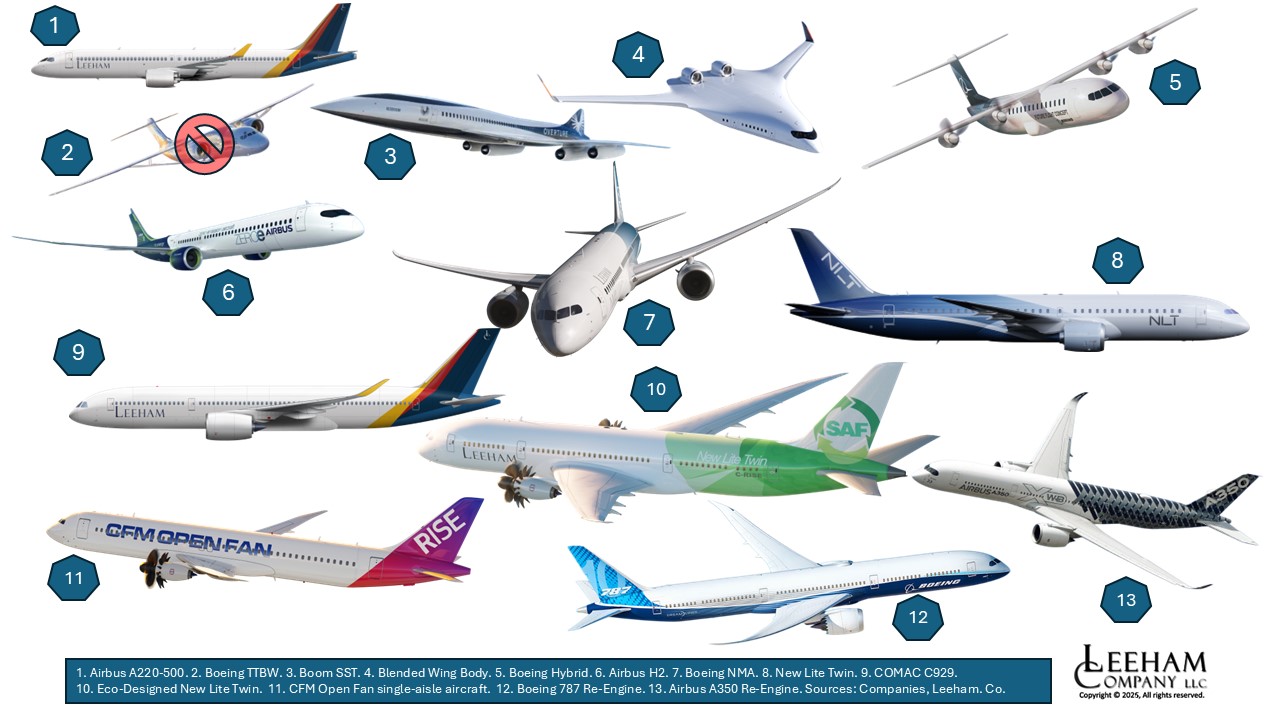
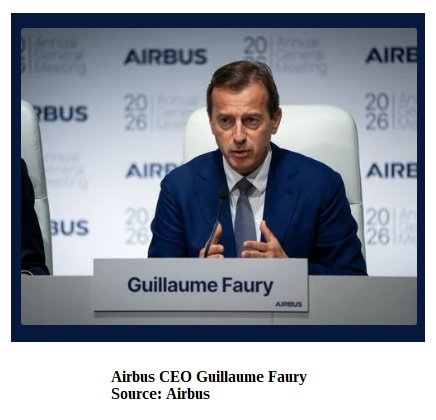
Airbus faces a structural gap in its product development timeline that will stretch to approximately 27 years between all-new airplane program launches, according to analysis from Leeham News and Analysis. The A350 XWB, launched in its revised form in 2006, remains the manufacturer's last clean-sheet design — the A220 having been acquired from Bombardier rather than developed internally. Airbus CEO Guillaume Faury had previously targeted a 2030 program launch for the single-aisle successor to the A320 family, contingent on evaluation of the CFM RISE open-fan engine architecture. That timeline has slipped materially: engine testing, originally scheduled to begin in 2027, is now not expected to start until 2029, pushing any realistic program launch to 2031 at the earliest. The RISE engine, a departure from conventional ducted turbofan design, is central to the next-generation narrowbody concept, and Airbus has indicated it will not commit to a new airframe without sufficient data on propulsion maturity.
The commercial significance of that delay is compounded by the A350's origins as a compromise design. Leeham characterizes the XWB as an attempt to straddle the market space between the Boeing 787 and 777, resulting in a fuselage slightly wider than the 787 but narrower than the 777 — a configuration that satisfied neither mission cleanly. For operators flying the A350 in long-haul and ultra-long-haul configurations, this context matters because it explains persistent discussions about whether the platform fully optimizes cabin density and range economics against its competitors. The 27-year gap also means that widebody operators on either the Airbus or Boeing side are unlikely to see a genuinely new twin-aisle product from Airbus before the late 2030s at the absolute earliest, given typical program development timelines of seven to ten years from launch to entry into service.
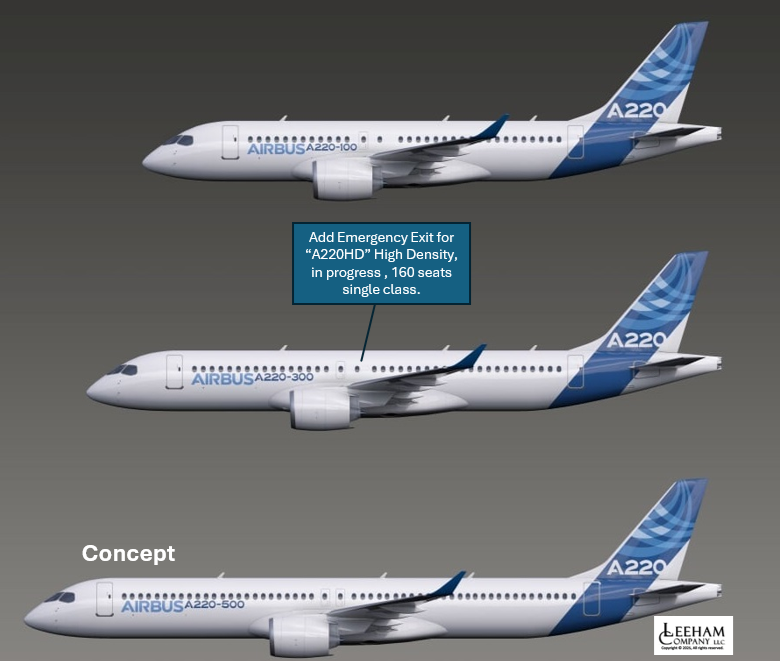
On the narrowbody side, AirAsia's order for 150 A220-300s represents a significant inflection point for a program that has struggled to accumulate backlog sufficient to justify Airbus's stated production target of 14 aircraft per month. The deal is the largest single-operator order for the type, surpassing the previous high-water mark of 90 aircraft. Delta Air Lines holds orders for 145 A220s but accumulated that position across multiple transactions. Critically, AirAsia is serving as launch customer for a high-density variant capable of seating 160 passengers — a configuration that extends the A220-300's competitive reach into markets previously dominated by the A320neo family. For operators and fleet planners evaluating the A220 for short-to-medium-haul operations, the high-density version signals that Airbus is actively working to close the seat-count gap that has historically positioned the A220 as a regional or thin-route aircraft rather than a mainline workhorse.
The third major thread running through Leeham's recent coverage addresses the aviation workforce shortage, a structural constraint that increasingly shapes operational and safety decisions for airlines, MRO providers, and business aviation operators alike. Industry estimates cited by analyst Kathryn Creedy suggest workforce-related costs to the aviation and aerospace sector may reach into the tens of billions annually — the Boston Consulting Group places MRO inefficiencies and unavailable aircraft alone at $27 billion per year — yet no comprehensive, industry-wide quantification of total workforce shortage costs currently exists. For Part 91, 91K, and 135 operators, this matters in concrete terms: maintenance delays, difficulty sourcing qualified AMTs, and the accelerating pace of retirements among experienced aviators are daily operational realities. The "juniority" concern — a cockpit experience gap created by rapid retirement of senior crews against a backdrop of high hiring demand — carries direct safety implications that the industry has been slow to formally measure.
The convergence of these three developments paints a coherent picture of an industry navigating simultaneous long-cycle and short-cycle pressures. Airbus's extended product development horizon means operators will be managing current-generation fleets — A320neos, A321XLRs, A350s — for longer than initially anticipated, increasing the premium on maintenance planning and technical training depth. The A220's expansion into higher-density configurations opens new deployment options for carriers willing to reconfigure cabin interiors, while the workforce shortage constrains every operator's ability to execute on fleet growth or transition plans. Professional pilots and aviation managers making decisions about type ratings, fleet planning, or workforce investment in 2026 are operating in an environment where OEM timelines are lengthening, backlog is consolidating around proven platforms, and human capital has become as binding a constraint as aircraft availability.






 Read original article