Here's How Much A Business Class Ticket On American Airlines' Boeing 787 Actually Costs In 2026
American Airlines' Flagship Business cabin pricing on the Boeing 787 fleet in 2026 reveals a tiered fare structure that tracks closely with the carrier's competitive positioning across global regions. One-way fares to Europe range from approximately $2,200 to over $11,000, with meaningful variation based on origin market — US-originating itineraries consistently price higher than Europe-originating equivalents. Asian routes, despite involving considerably greater stage lengths, are priced more modestly at $3,100 to $8,500, a reflection of American's diminished footprint in that region relative to Delta and United. South American Flagship Business seats run $2,300 to $5,400 one way, while Oceania — served primarily through seasonal 787-9 operations to Auckland and Brisbane — can exceed $15,000, underscoring the premium commanded on thin, long-haul routes where American relies partly on its Qantas joint venture to fill capacity.
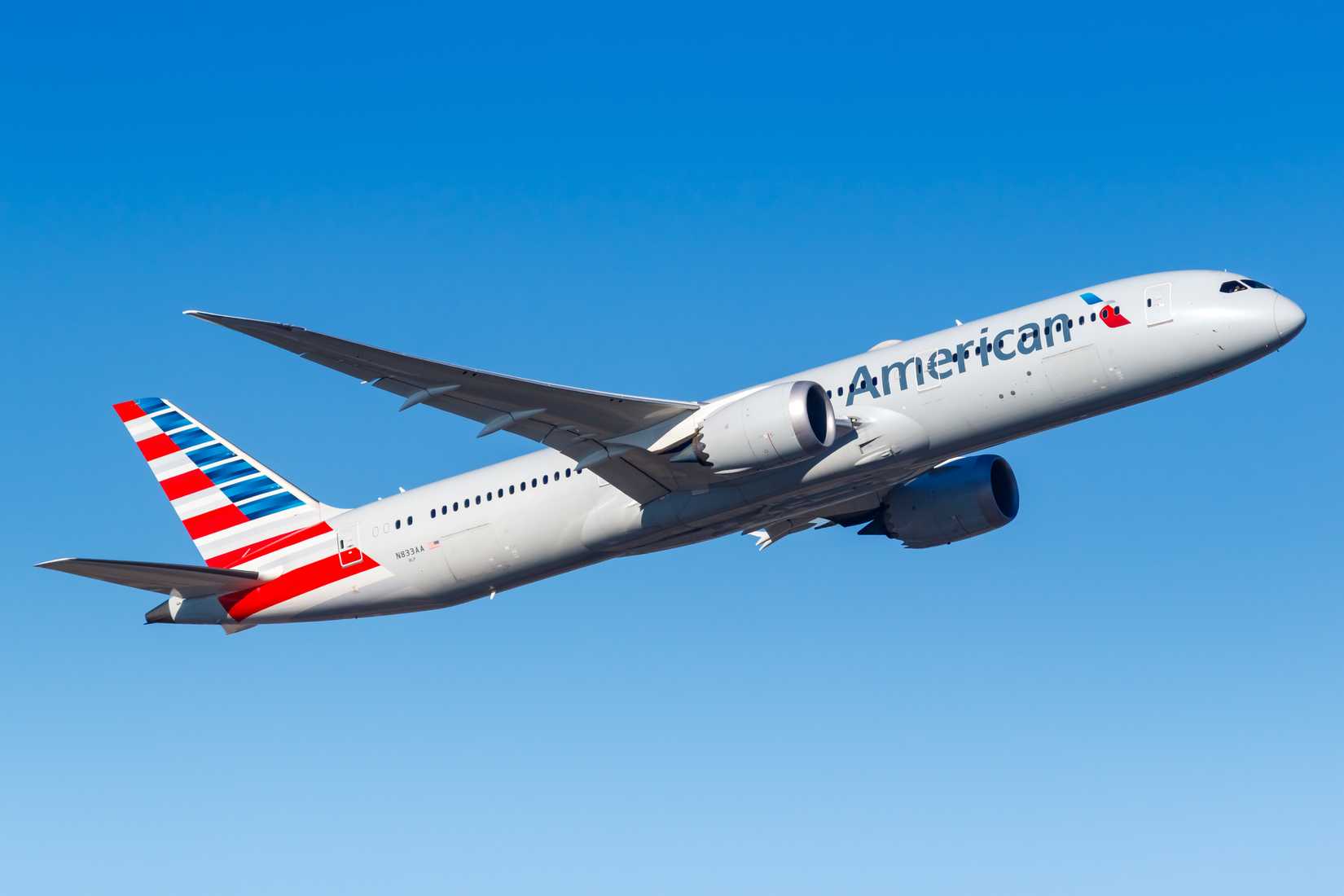
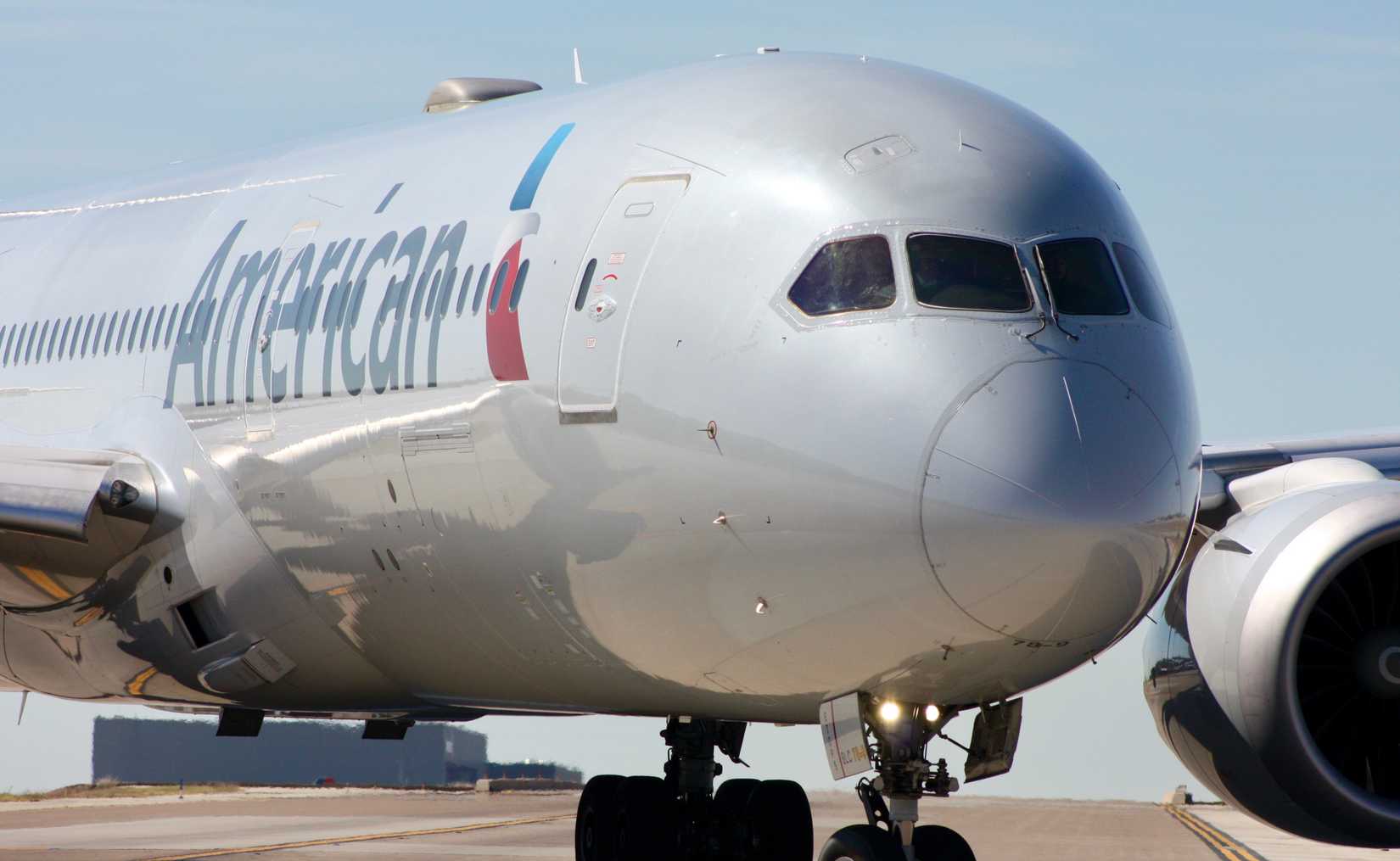
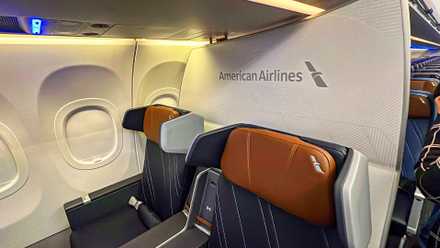
The fleet deployment strategy behind these prices matters operationally. American's 70-aircraft 787 fleet, split between 37 787-8s and 33 787-9s with 19 additional 787-9s on order, is distributed across hubs in a way that reflects both gate capacity and competitive necessity. Philadelphia and Chicago O'Hare anchor the transatlantic 787 network precisely because neither hub supports Boeing 777 operations, making the Dreamliner the sole widebody tool available on those corridors. The 787-8, as American's smallest widebody, is deployed on thinner European routes — Prague, Copenhagen, Nice, Budapest — while the denser 787-9 handles higher-demand city pairs like Paris, London-Heathrow, and Rome. This gauge management has direct implications for load factor and yield on any given route, and pilots operating these aircraft will see configuration differences across the fleet, including newer 787-9s fitted with the premium-heavy Flagship Suites layout versus older reverse herringbone configurations.
For corporate flight departments and operators working alongside commercial carriers on mixed itineraries, the fare spread in Flagship Business is a useful benchmark for understanding what premium travelers are willing to pay — and where they might defect to private or charter options. A $11,000 one-way business class fare to Europe, or a $15,000-plus ticket to Oceania, narrows the perceived value gap between scheduled premium cabin travel and light or midsize charter, particularly for time-sensitive travelers with flexible schedules. Corporate travel managers increasingly use these fare benchmarks when evaluating the break-even case for fractional shares or on-demand charter, especially on routes where American's pricing power is softer, such as Asia, where the carrier's reduced network frequency gives travelers fewer connection options and thus less reason to choose American over Delta or United even at a discount.
The broader trend visible in this pricing data is the continued bifurcation of the long-haul premium market. Airlines with dominant hub positions — American in South America via Miami, United in Asia via San Francisco and Los Angeles, Delta across the North Atlantic via Atlanta and New York — are able to extract meaningfully different yield profiles even on comparable stage lengths. American's South American pricing, notably lower than its European fares despite similar distances, illustrates how hub strength and O&D demand density shape revenue strategy as much as fuel burn or aircraft economics do. For professional pilots flying these routes, understanding that asymmetry helps contextualize load factors, schedule decisions, and the carrier's ongoing fleet investment in premium-heavy 787-9 configurations — a signal that American is attempting to close the yield gap in markets where it has historically underperformed.








 Read original article