This Bomber Defied 15 Years Of Retirement Proposals To Become USAF's Most-Deployed Long-Range Strike Aircraft
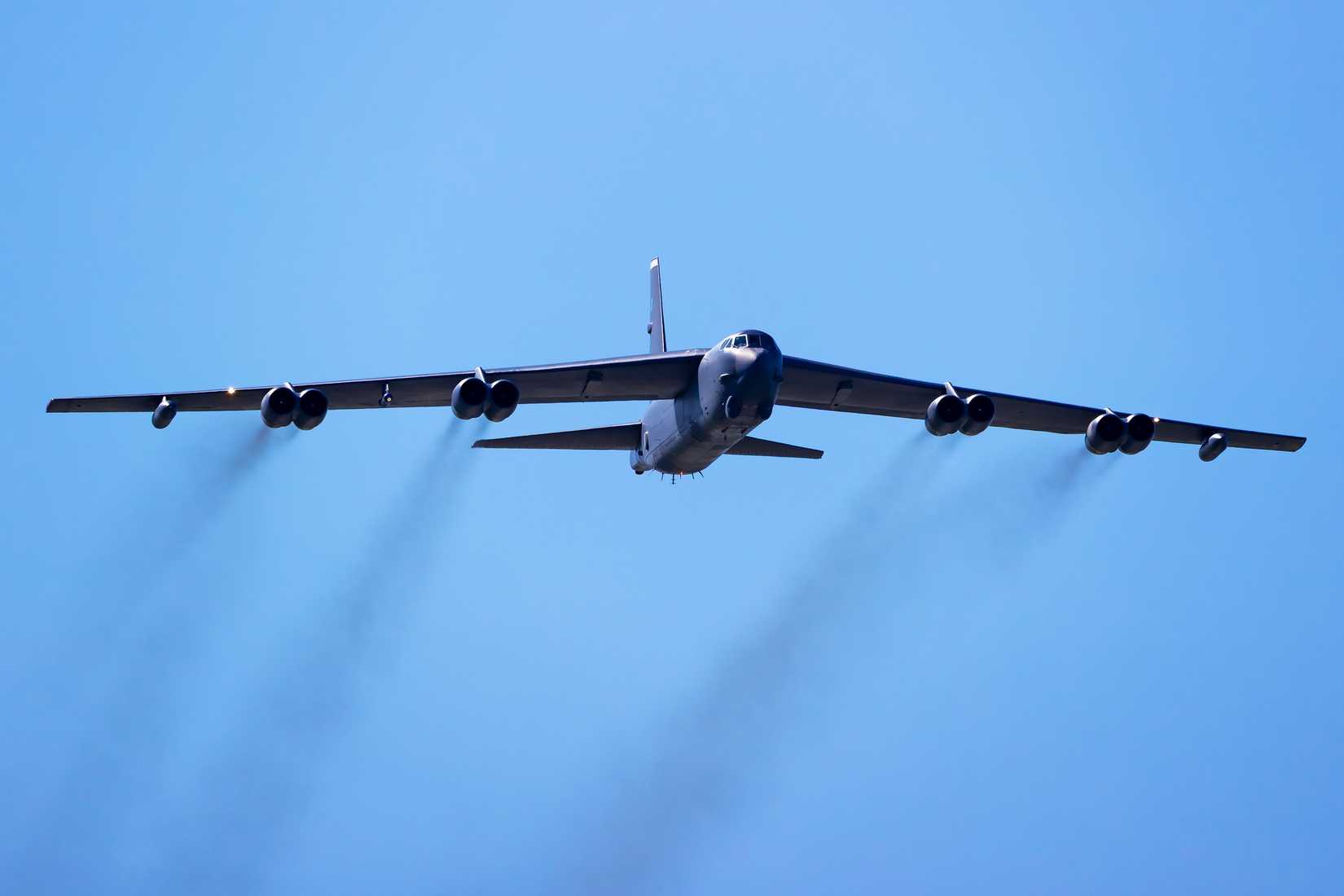
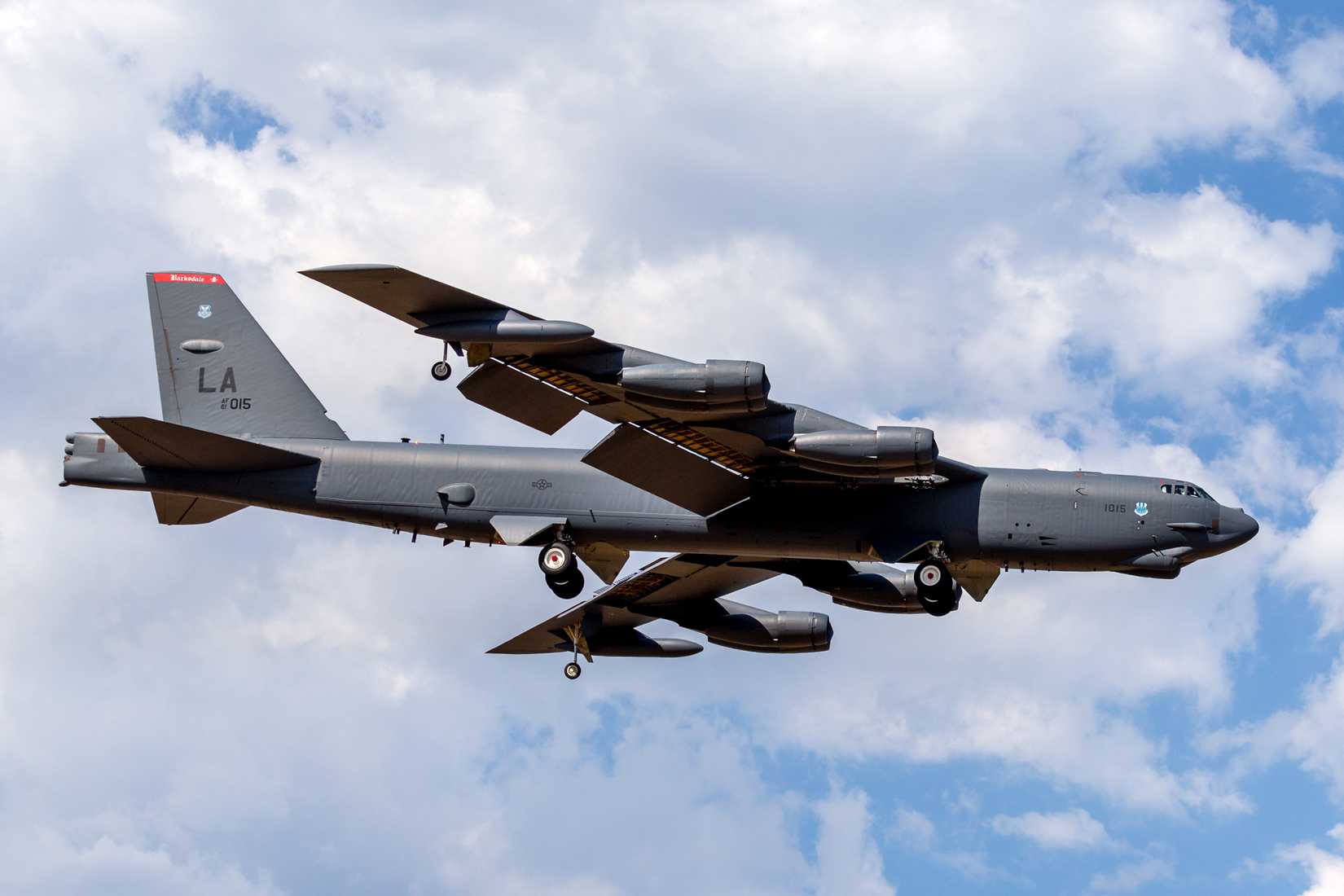
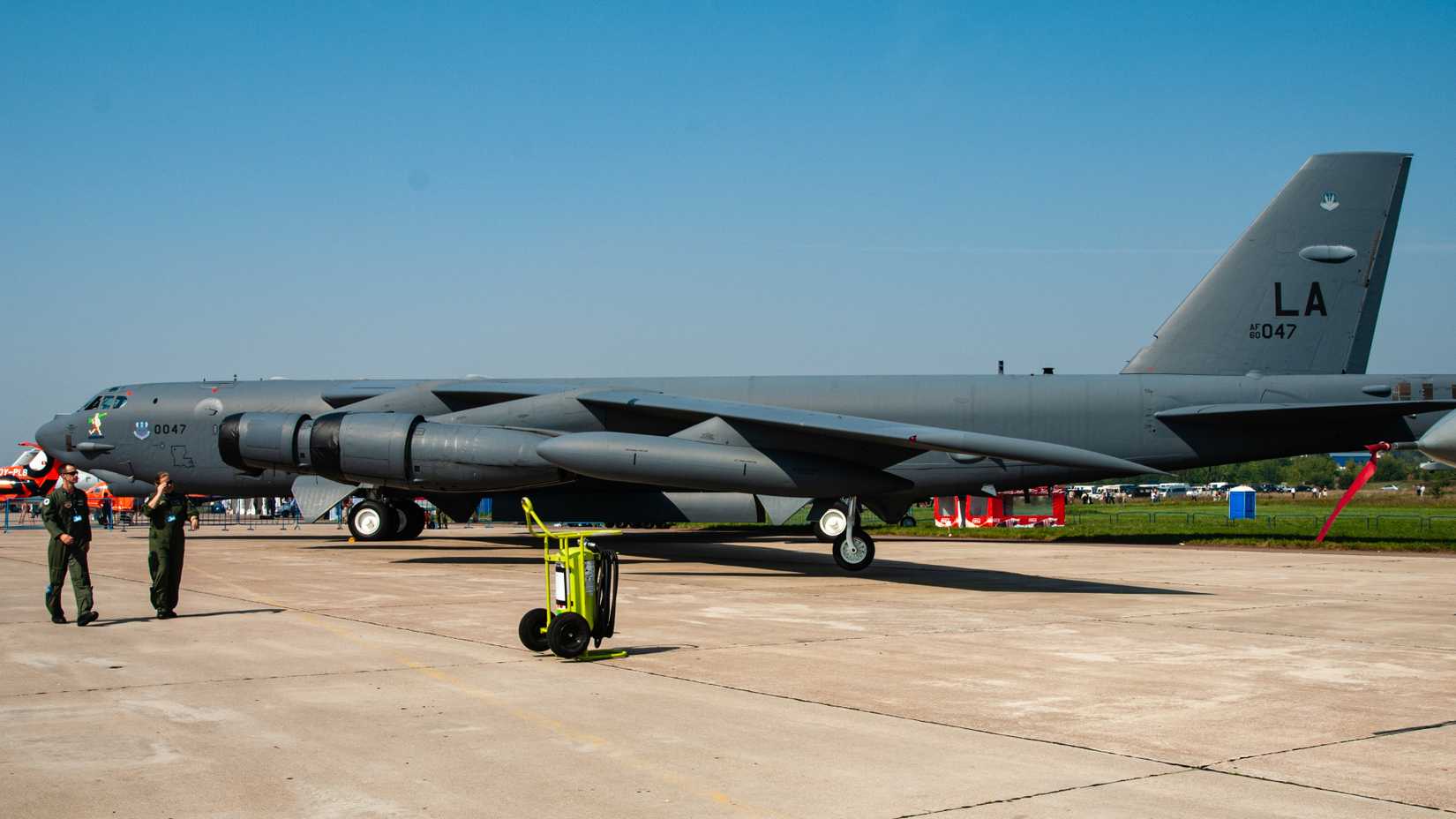
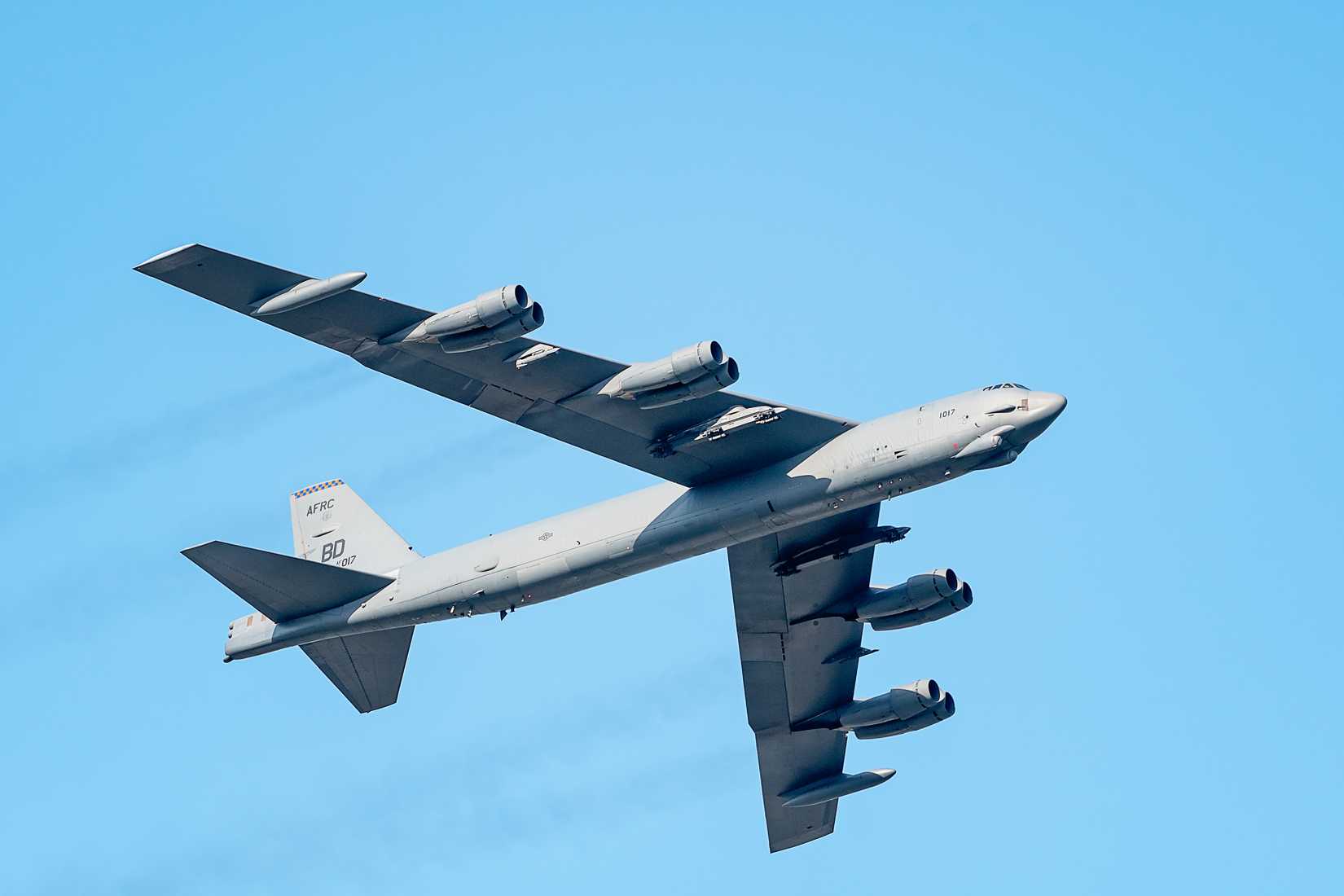
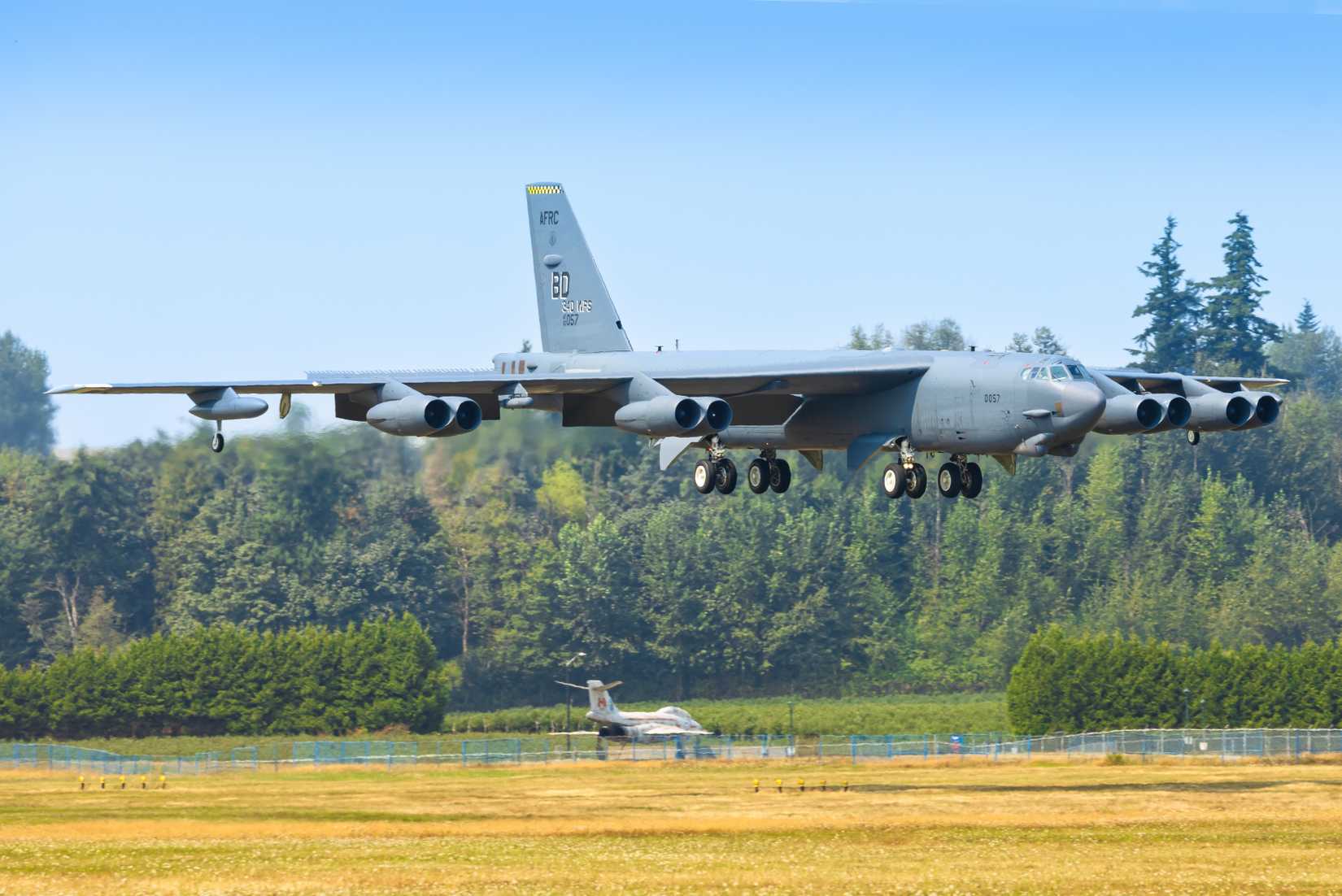
The Boeing B-52 Stratofortress has completed a Critical Design Review for its sweeping B-52J upgrade program as of May 4, 2026, clearing the path for what amounts to the most comprehensive modernization in the aircraft's seven-decade operational history. All 76 remaining B-52H airframes will be re-engined with Rolls-Royce F130 turbofans — a military derivative of the commercial BR700 family — replacing the Pratt & Whitney TF33s that have powered the fleet since the early 1960s. The upgrade package also includes a full-authority digital engine control (FADEC) system, an AN/APQ-188 active electronically scanned array radar, and a digitally modernized flight deck with new multifunction displays. The total program cost across all 76 aircraft is projected to exceed $18 billion, with the first airframes entering Boeing's San Antonio facility later in 2026, first flight targeted for 2029, and initial operational capability projected for 2033 — approximately three years behind the original 2029 IOC target.
For pilots and operators outside the military community, the B-52J program carries direct technical relevance. The Rolls-Royce BR700 family is not an abstract military platform — it is the same engine lineage that powers the Gulfstream G550, G650, and Bombardier Global Express series in widespread business aviation use today. The BR710 and BR725 variants have accumulated tens of millions of flight hours in corporate and fractional operations, meaning the engine's core architecture is deeply understood by MRO providers, type-rated pilots, and fleet managers operating at the top end of business aviation. The military's decision to select this engine for a century-spanning strategic bomber program is a strong signal of confidence in the BR700's durability, parts availability, and long-term support ecosystem — factors that matter equally to a Part 91K operator managing a Global 7500 fleet as to a USAF wing commander managing a bomber squadron.
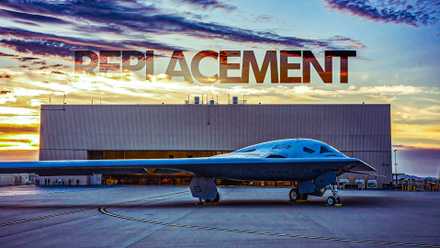
The broader strategic context frames the B-52J decision as a deliberate choice of cost-effectiveness and operational flexibility over raw performance metrics. The B-1 Lancer, though supersonic and capable of higher payload, suffers from structural fatigue associated with high-speed, low-altitude profiles and carries the maintenance burden of variable geometry wing systems. The B-2 Spirit, while bringing stealth capability, operates at extreme sustainment costs and will be retired ahead of the B-52 despite being significantly newer. The Air Force's decision to retain and invest heavily in the B-52 while retiring both younger platforms reflects a calculus familiar to any fleet operator: an aircraft that is reliable, adaptable, and logistically supportable can outlast theoretically superior alternatives that prove operationally brittle or unaffordable at scale. The USAF is effectively making the same fleet management argument that leads corporate flight departments to extend aging but well-understood airframes rather than absorb the transition costs of newer types.
The transition to an all-digital flight deck on the B-52J mirrors modernization patterns seen throughout commercial and business aviation over the past two decades. Cockpit digitization — glass displays, integrated avionics architectures, FADEC-driven engine management — has become standard on every new transport category type certificate since the late 1990s, and retrofit programs for legacy platforms have accelerated as legacy analog systems lose parts support and regulatory approval. The B-52J's avionics refresh is structurally analogous to glass cockpit upgrades on aging Boeing 737 Classics or the Garmin G5000 retrofit programs that have extended the operational lives of Citation and Hawker airframes. FADEC integration in particular reduces crew workload in engine management, standardizes power settings across the eight-engine configuration, and improves fuel efficiency — outcomes identical in principle to FADEC benefits on modern turbofan business jets.
Looking toward the mid-century timeline, the B-52J's projected service life through the 2050s will place it in a two-platform strategic bomber force alongside the Northrop Grumman B-21 Raider, with the B-21 handling penetrating strike roles requiring low observability and the B-52J serving as a high-capacity, long-range standoff and conventional strike platform. This division of labor — a new-generation stealth aircraft paired with an upgraded legacy platform performing complementary but distinct missions — has parallels in how commercial operators increasingly pair next-generation narrowbody or widebody types with fully upgraded legacy fleets rather than pursuing wholesale fleet replacement. The B-52's survival of more than fifteen years of retirement proposals, and its emergence on the other side with an $18 billion modernization commitment, stands as one of the more striking examples in aviation history of sustained institutional value winning out over arguments based solely on airframe age.







 Read original article