What Delta Air Lines' Delta One Suite Actually Costs Vs. American Airlines Flagship Business On Transatlantic Flights
Delta Air Lines and American Airlines compete directly on transatlantic routes from New York-JFK and Los Angeles, but the competitive dynamics between the two carriers reveal a significant asymmetry in pricing power, hub strategy, and premium brand positioning. Delta's Delta One Suite product consistently commands higher fares than American's Flagship Business class on many European routes, with Delta frequently pricing tickets at one-and-a-half to double American's fares on select city pairs, and the Delta/Virgin Atlantic joint venture regularly pushing select London-JFK fares above $10,000 one-way—a threshold American and British Airways rarely reach. Both carriers price transatlantic business class tickets broadly between $2,500 and $12,000 depending on routing, demand, and origination point, with notable differences in how each carrier prices Europe-originating itineraries specifically.
The competitive imbalance at JFK is central to understanding the pricing gap. Delta has made sustained infrastructure investments at Kennedy over the past decade and a half, emerging as the dominant carrier at both JFK and LaGuardia. American, by contrast, operates JFK primarily as an origin-and-destination station rather than a true connecting hub, concentrating its transatlantic connecting feed through Philadelphia. JFK's slot-controlled environment further constrains American's ability to expand, leaving it ranked third at JFK by market share behind Delta and JetBlue, and fourth in the broader New York metro area behind United's Newark operation. This structural disadvantage limits American's revenue capture in one of the world's most lucrative international business travel markets, even as the carrier maintains a substantial AAdvantage credit card holder base in the region.
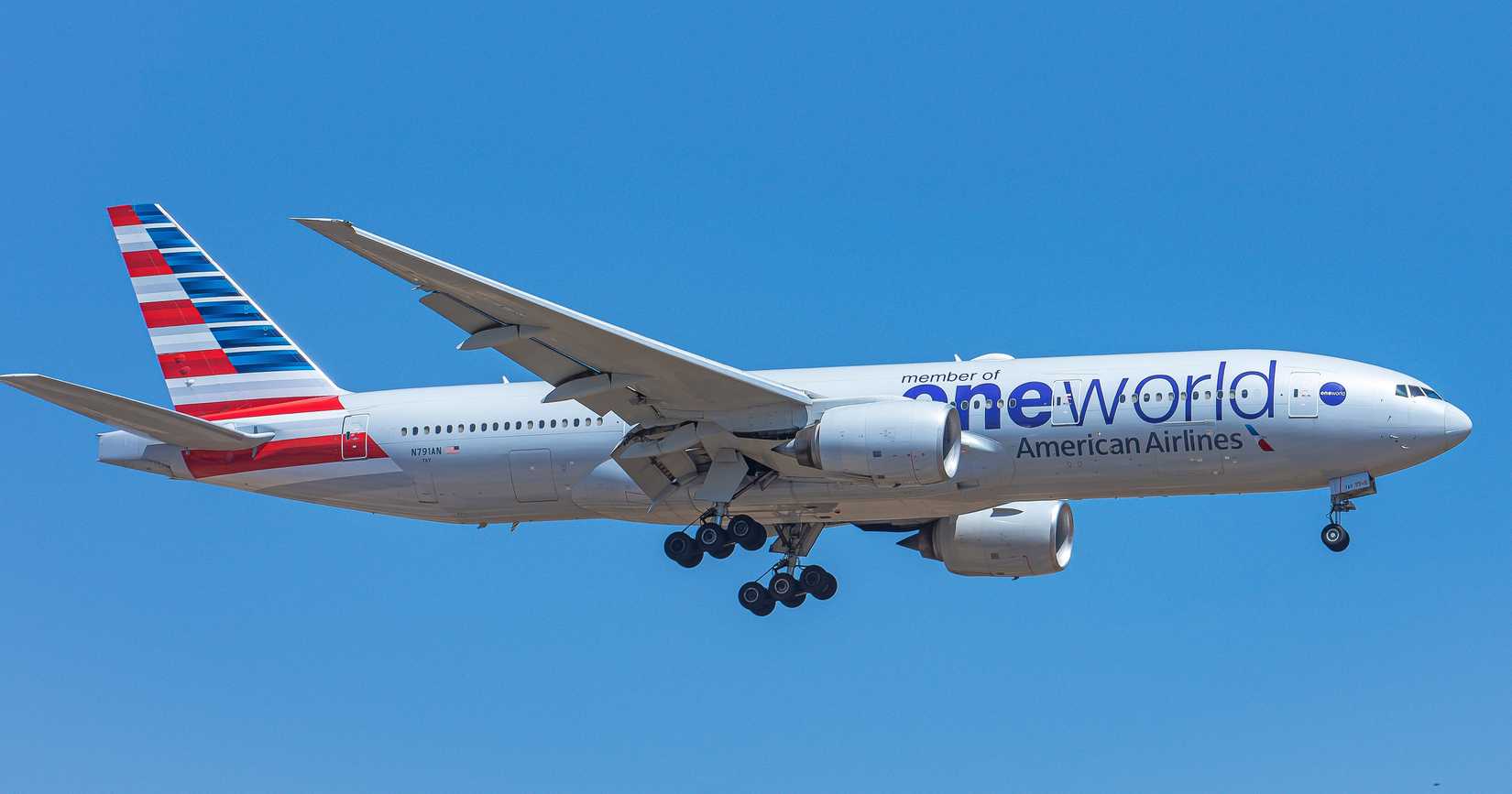
The divergence in premium strategy between the two carriers traces back to deliberate decisions made in the 2010s. American moved down-market and reduced its focus on business travelers during that period, a shift that observers note has materially weakened its pricing power in premium cabins. Delta, meanwhile, invested aggressively in its brand image and product, explicitly citing brand premium as a lever for higher fare capture. American's Boeing 777-200ER configuration at JFK offers 37 business class seats—more than any Delta aircraft on the route—which provides capacity but may dilute exclusivity and complicate yield management in a market where Delta is already operating from a position of greater pricing authority. Delta's ability to sustain higher average fares despite comparable or lower seat counts reflects not just product differentiation but the compounding advantage of hub dominance and perceived brand quality.
For corporate flight departments, travel managers, and pilots employed by or advising these carriers, the pricing dynamics carry practical implications. Corporate travel programs negotiating contracts with either airline will encounter meaningfully different rack rates and award redemption structures. Both AAdvantage and SkyMiles operate as dynamic, spend-based programs, though American retains the distinction of publishing an award chart—advertising approximately 75,000 miles for a one-way Flagship Business ticket to Europe as a reference point, while noting that actual pricing fluctuates with demand. Delta's SkyMiles program prices awards dynamically without a fixed chart, which can benefit or disadvantage travelers depending on route and timing. Part 135 operators and charter providers positioning aircraft for transatlantic repositioning or NetJets-style fractional clients should also note that transatlantic business class positioning costs for crew or deadheading personnel will reflect these same fare disparities depending on departure point and carrier.
The broader trend illustrated by this competitive snapshot is the continued stratification of the U.S. legacy carrier landscape around hub geography, product investment, and loyalty monetization. United Airlines' dominance via Newark, Delta's entrenchment at JFK, and American's reliance on Philadelphia as its transatlantic gateway each represent distinct strategic bets on where premium international demand will concentrate. As wide-body fleet renewals continue—American's 777-200ERs are aging assets—the product gap may narrow or widen depending on how aggressively each carrier reconfigures its long-haul cabins. For now, Delta's ability to consistently price above American on transatlantic routes from the same metro area underscores how hub position and brand investment, compounded over years, translate directly into yield advantage on the world's most competitive ocean crossing.







 Read original article