5 Hidden Features Of The Boeing 777 Cockpit
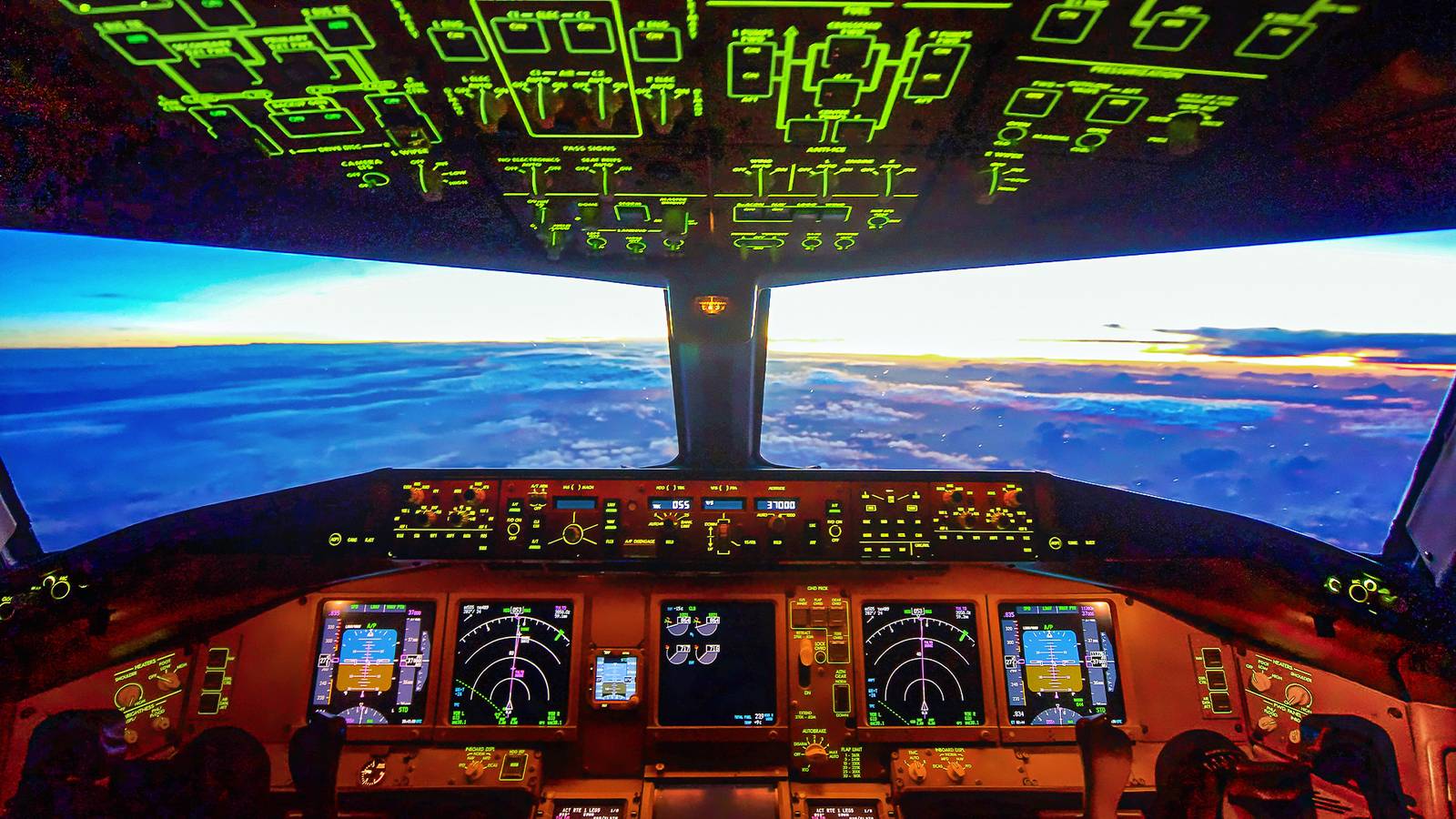
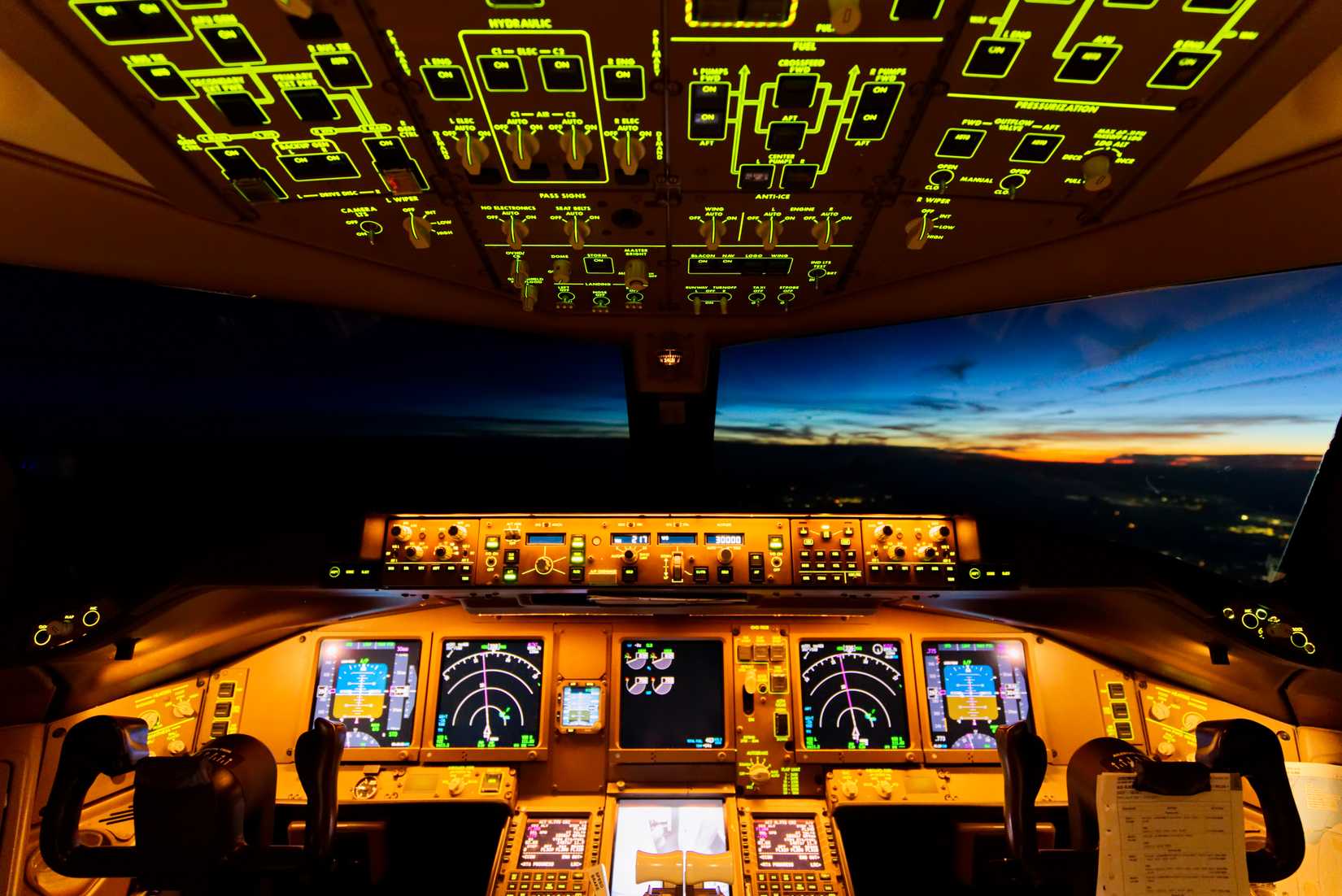
The Boeing 777 remains the backbone of long-haul widebody operations for dozens of carriers worldwide, and its flight deck reflects three decades of refinement that has quietly shaped modern cockpit design standards across the industry. While the aircraft is frequently discussed in terms of its range, payload, and economic performance, the specific ergonomic and systems features built into its flight deck reveal a design philosophy centered on crew workload reduction and situational awareness — concerns that are as operationally relevant today as they were when the type entered service in 1995. The 777 was Boeing's first fly-by-wire airliner, and its cockpit introduced several human-factors innovations that have since become baseline expectations on clean-sheet commercial designs.
Among the most practically significant features for line pilots are the ground maneuvering cameras installed as standard equipment on the 777-300 and 777-300ER variants. At approximately 242 feet in length, the 777-300 presented taxiing geometry challenges that simply did not exist on the shorter -200 series, and Boeing addressed this by integrating a three-camera system — two positioned at the rear fuselage offering views of the main gear bogies, and one behind the nose gear. The addition of painted reference lines on the wings further aids crews in tracking centerline position during tight turns, a feature that reflects direct feedback from airport operations where wingtip and gear clearances are measured in feet. This solution predated the broader industry adoption of ground maneuvering camera systems and directly influenced Airbus's approach on the A340-600, A380, and A350, establishing a template that is now a de facto standard for large-aircraft taxi operations.
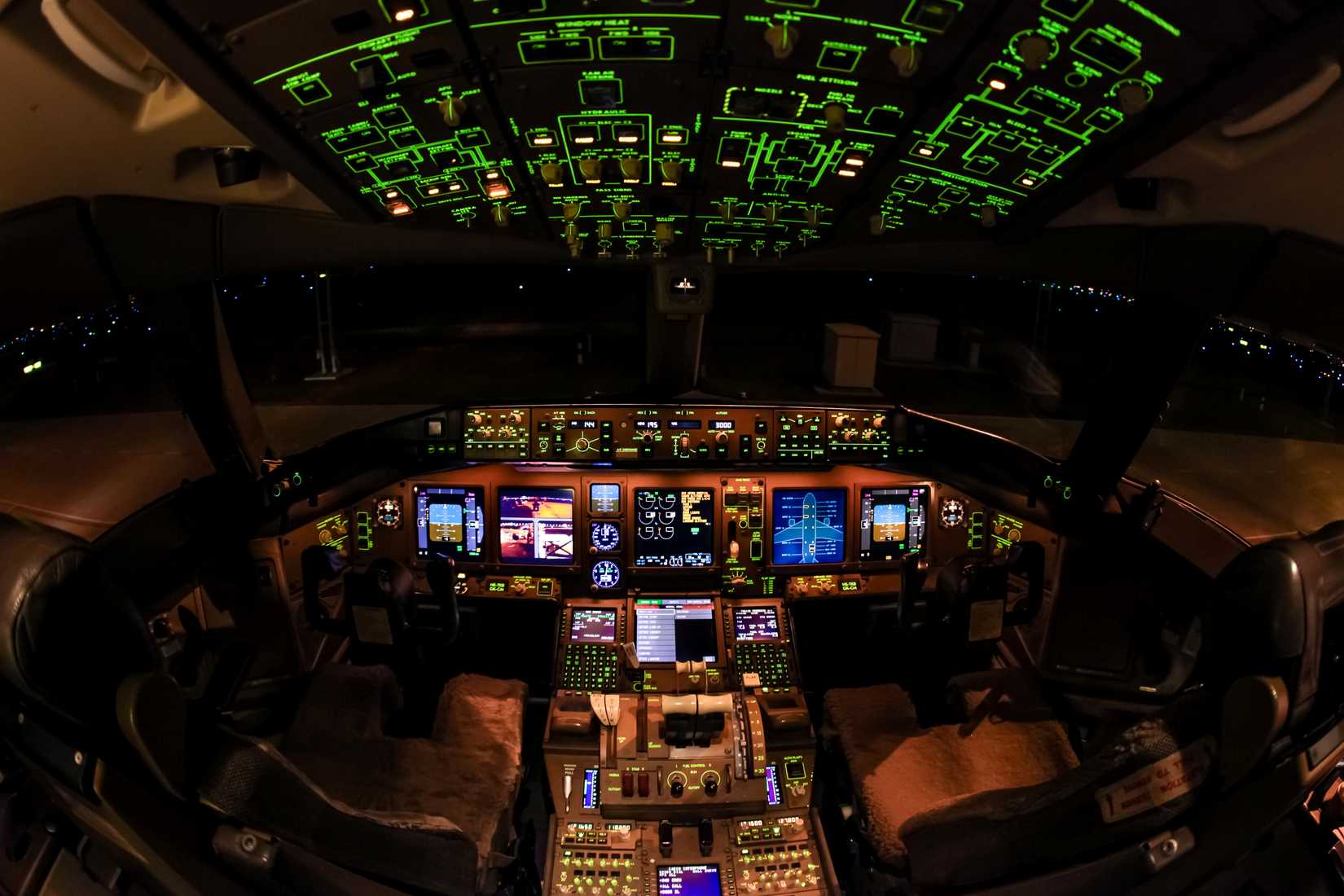
The Cursor Control Devices located beneath the Flight Management Computers represent another understated but consequential contribution the 777 made to cockpit design. By introducing a trackpad-based interface for navigating the Multi-Function Displays — which present aircraft systems data, electronic checklists, ACARS messaging, and CPDLC communications — Boeing significantly reduced the cognitive load and physical effort required to manage avionics information during high-workload phases of flight. For crews operating under datalink-heavy environments, particularly on oceanic and ETOPS routes where CPDLC is a primary communication medium, the ability to navigate and respond to clearances with a fluid pointing device rather than cycling through knobs and push-buttons is a meaningful operational advantage. The 787 carries forward this same CCD architecture, and Airbus adopted an analogous trackball-and-wheel system on the A380 and A350, confirming the concept's enduring utility.
The cockpit heating system — though seemingly mundane — speaks to a human factors challenge that is chronic on widebody long-haul operations: thermal management across a large pressurized tube where crew and passenger comfort requirements frequently diverge. The 777's dual-zone pilot heating controls, with independent shoulder and foot-level airflow dials for each crew member, acknowledge that the flight deck's large window surface area and distinct airflow dynamics create thermal conditions that cannot be adequately addressed by the cabin temperature system alone. On ultra-long-range operations — sectors of 14 to 17 hours that are routine for 777-200LR and -300ER operators — pilot fatigue and comfort have direct implications for alertness and performance, and fine-grained environmental control is a legitimate crew resource. The separation of pilot comfort from the cabin temperature loop also reduces friction between flight crew and cabin crew over temperature adjustments, a small but real source of operational friction on long sectors. Together, these features illustrate how the 777's flight deck design continues to reward close study by the crews who fly it, and how the human-factors decisions embedded in a 30-year-old design still resonate in the standards applied to aircraft entering service today.







 Read original article