Textron Aviation delivers 37 jets in first quarter as revenues hit $1.5bn | Corporate Jet Investor | CJI news
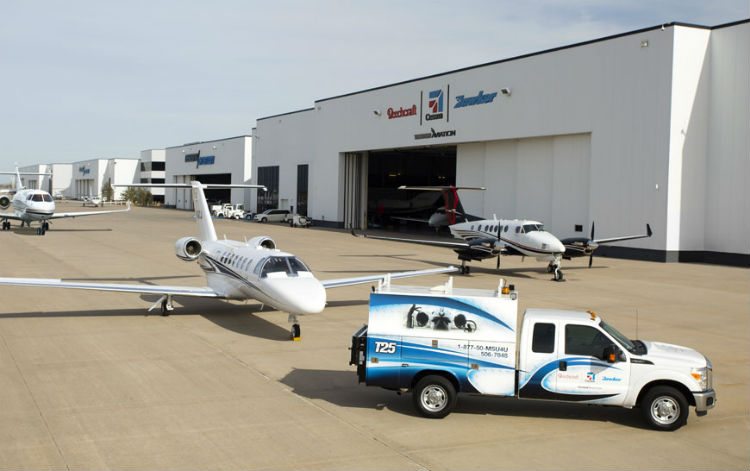
Textron Aviation posted its strongest first-quarter financial results in recent years, delivering 37 jets and 35 commercial turboprops in Q1 2026 while generating $1.5 billion in total segment revenue — a 22% year-over-year increase. Aircraft revenue alone climbed 30% to $954 million, driven by higher Citation jet volumes and improved product mix, while aftermarket parts and services contributed $531 million, up 10%. Segment profit reached $154 million, a 26% increase, yielding a 10.4% margin. The division closed the quarter with an $8.0 billion backlog, up $276 million from year-end 2025, reflecting a book-to-bill ratio of approximately 1.2x — meaning orders are outpacing deliveries, a reliable indicator of sustained production demand for at least several quarters ahead.
For operators and pilots working in business aviation, the delivery and backlog data carry direct implications. The 19% jump in jet deliveries — from 31 to 37 units in a single quarter — signals that Textron is successfully pushing throughput at its Wichita facilities, addressing what has been a persistent constraint across the business jet OEM sector since the post-COVID demand surge. The Citation Latitude fleet order by LUMINAIR, bringing their total to nine aircraft, reflects continued consolidation of Citation types among fleet operators. Belgium's Special Operations Forces ordering five SkyCouriers marks the first military sale of that model, opening a defense-use pathway for an airframe that had previously competed exclusively in the commercial utility turboprop market. Pilots operating or evaluating Citation or King Air variants should note that strong backlog positions may translate to extended lead times and limited pre-owned availability, influencing fleet planning and acquisition timelines well into 2027.
The more strategically significant announcement from the Q1 earnings call is Textron's stated intent to separate its industrial division — which manufactures products entirely unrelated to aviation — into either a standalone public company or sell it outright within 12 to 18 months. New CEO Lisa Atherton's decision to pursue a pure-play aerospace and defense structure aligns Textron more closely with Bell (military rotorcraft) and Textron Systems (unmanned systems and defense electronics) alongside Textron Aviation. Analysts at Vertical Research Partners framed the move as a potential re-rating event for the company's equity, arguing there was no coherent strategic rationale for the industrial businesses to coexist with high-margin A&D franchises. For the aviation industry, a more focused Textron could mean increased capital allocation toward aviation R&D, production capacity, and aftermarket infrastructure — areas that directly affect operators' aircraft availability and support experience.
The Q1 results also place Textron Aviation's performance within a broader industry context. Textron and Bell together recorded their best first-quarter bookings since Q1 2022, the peak of the post-pandemic business aviation demand wave. While that earlier surge was partly driven by high-net-worth individuals entering business aviation for the first time, sustained 2025-2026 order flow suggests institutional and corporate flight departments are now driving demand — a structural rather than cyclical signal. This matters for Part 91K fractional operators and Part 135 charter companies assessing fleet refresh cycles, as continued OEM production discipline (rather than aggressive discounting) indicates manufacturers are not chasing volume at the expense of margin. Operators planning aircraft acquisitions over the next 24 months should expect pricing to remain firm and delivery slots for new Citations and King Airs to remain competitive assets in any fleet negotiation.