What Flight Attendants Notice First About Passengers When Boarding A Flight
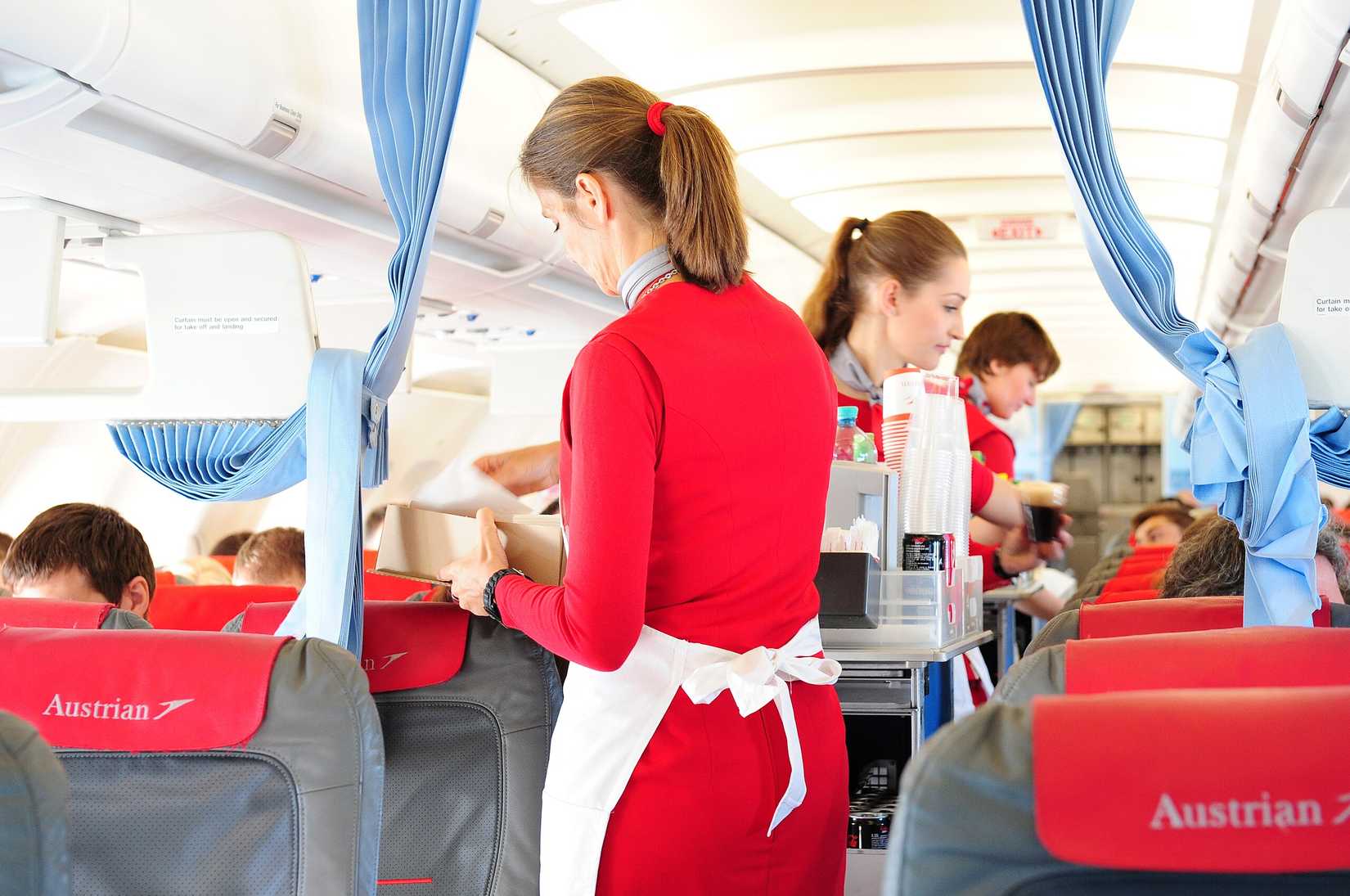
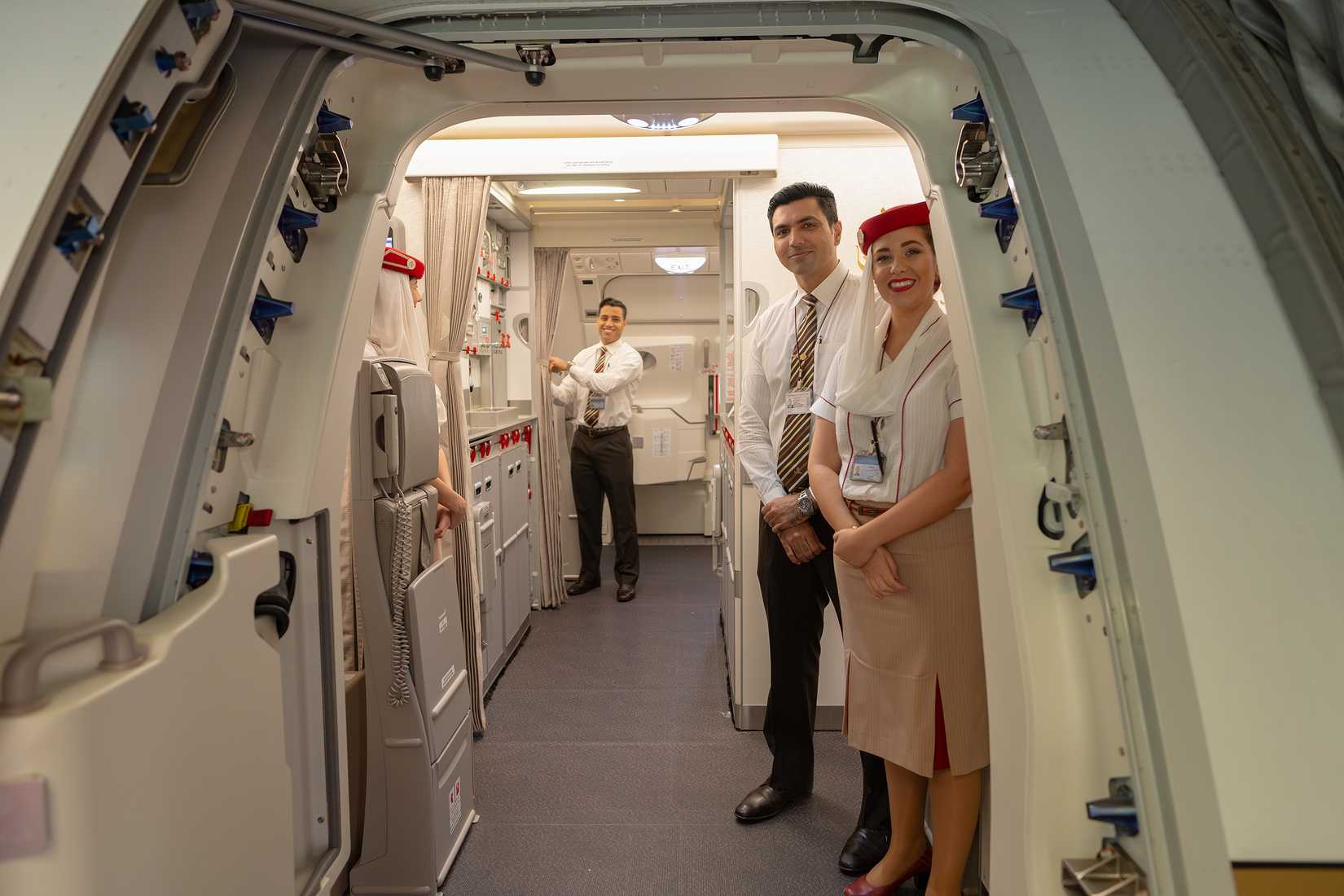
Flight attendants conducting boarding are performing a continuous, structured threat and risk assessment that runs parallel to the operational preparations underway on the flight deck, and the two processes are more interconnected than most passengers — or even some pilots — fully appreciate. From the moment boarding begins, cabin crew are screening for disruptive behavior, signs of intoxication, medical vulnerability, mobility limitations, and nervous passengers, all while simultaneously identifying able-bodied passengers (ABPs) who could serve as crew resources during an emergency evacuation. This dual function — hospitality and covert safety screening — reflects years of regulatory evolution following high-profile incidents of in-flight violence, medical diversions, and evacuation failures, and it underscores how much operational risk is assessed and managed before an aircraft ever pushes back from the gate.
The disruptive passenger problem has escalated sharply and is now generating measurable operational and financial consequences for carriers. U.S. airlines reported over 2,100 disruptive or unruly passenger incidents in 2024 alone, while Ireland's Aviation Authority recorded a tripling of events year-over-year, and Switzerland logged 1,730 separate cases. For flight crews, this trend is not abstract: a single disruptive passenger can trigger a diversion, and diversion costs — now recoverable from offending passengers under FAA enforcement policy, ranging from $15,000 to $100,000 — represent a significant operational disruption. Captains must be informed immediately when cabin crew identify a potential threat, and the decision to remove a passenger prior to departure or divert en route ultimately rests with the pilot in command. The article's emphasis on early de-escalation reflects the well-established principle that intervention before takeoff is exponentially less costly — in every sense — than managing the same situation at cruise altitude over water or congested airspace.
The identification of able-bodied passengers during boarding carries specific relevance for professional pilots who may be riding in the cabin as off-duty crew. The article notes that passenger information lists flag off-duty cabin crew and pilots because they are trained in emergency procedures and evacuation protocols. This places a professional obligation on off-duty pilots occupying passenger seats: airlines and operators broadly expect them to be available as a crew resource in extremis, which has implications for seat selection, situational awareness during boarding, and willingness to engage if the active crew requests assistance. For Part 91 and Part 135 operators flying smaller-cabin business jets — where a single flight attendant or no dedicated cabin crew is present — the concept of the ABP becomes even more critical, since the pilot in command may be the only trained person on board capable of directing an evacuation.
Medical emergencies represent a parallel and statistically significant operational risk that boarding-phase screening is designed to minimize. With one estimated medical event per 212 flights and a 1.7% diversion rate for neurological and cardiovascular cases, the aggregate exposure across a moderately active flight operation is substantial. Cabin crew who identify a visibly unwell passenger during boarding and intervene before departure prevent a scenario that could require the flight crew to declare an emergency, coordinate with ATC for priority handling, and divert to an airport that may not be the intended destination — with all associated fuel, scheduling, and liability consequences. Pilots operating under Part 135 charter or scheduled service should understand that their cabin crew's pre-departure passenger assessment is a legitimate risk-mitigation step, not a procedural formality, and crew briefings should reinforce the expectation that the flight deck be notified without delay if any boarding-phase concern arises.
The broader trend reflected in this article is the formalization of cabin crew threat assessment as a structured safety function rather than an incidental byproduct of passenger service. Regulatory bodies including the FAA and EASA have responded to rising unruly passenger numbers with enhanced enforcement frameworks, and training curricula at major carriers increasingly treat boarding-phase observation as a discrete, teachable competency. For business aviation operators — particularly those in Part 91K fractional or Part 135 charter environments where cabin crew may be less numerous or less experienced than their airline counterparts — this reinforces the value of investing in formal cabin crew training programs that address not only service standards but also threat recognition, de-escalation, and emergency resource identification. The pilot in command's authority over the aircraft begins well before the thrust levers advance, and the information flowing from the cabin during boarding is operationally actionable data.







 Read original article