Why The Boeing 777X Had To Survive 2,500°F Brakes Before FAA Certification
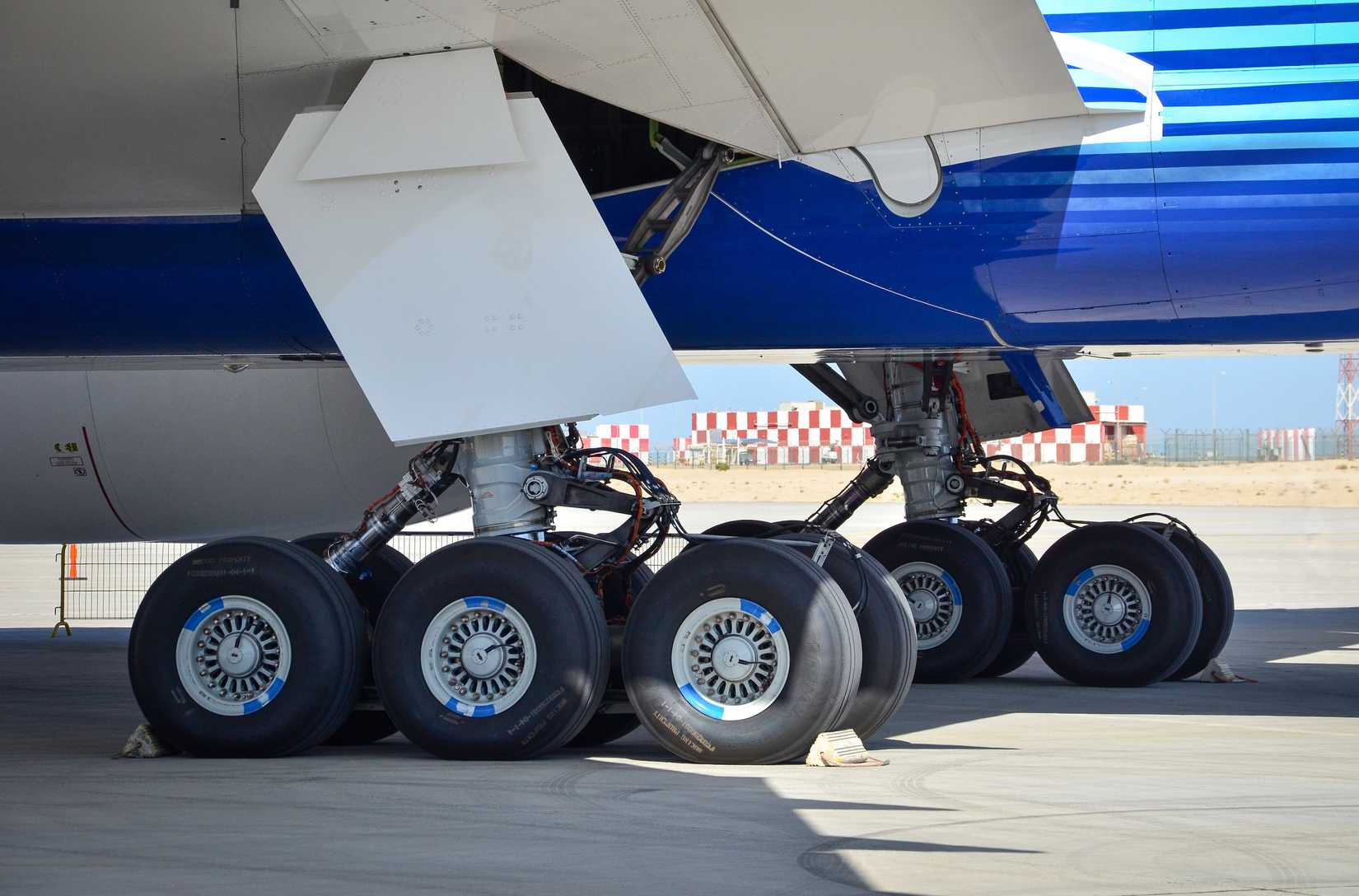
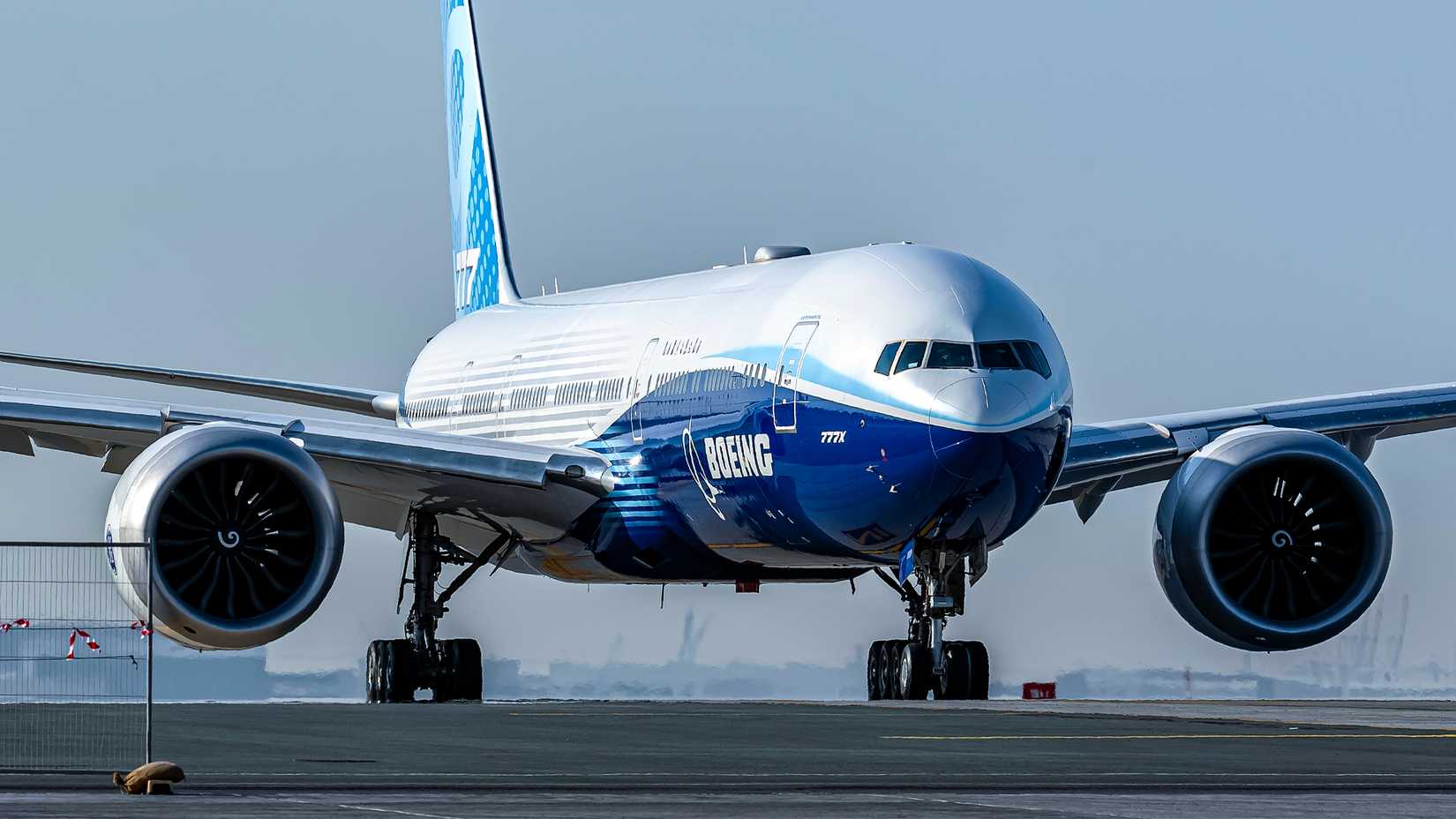
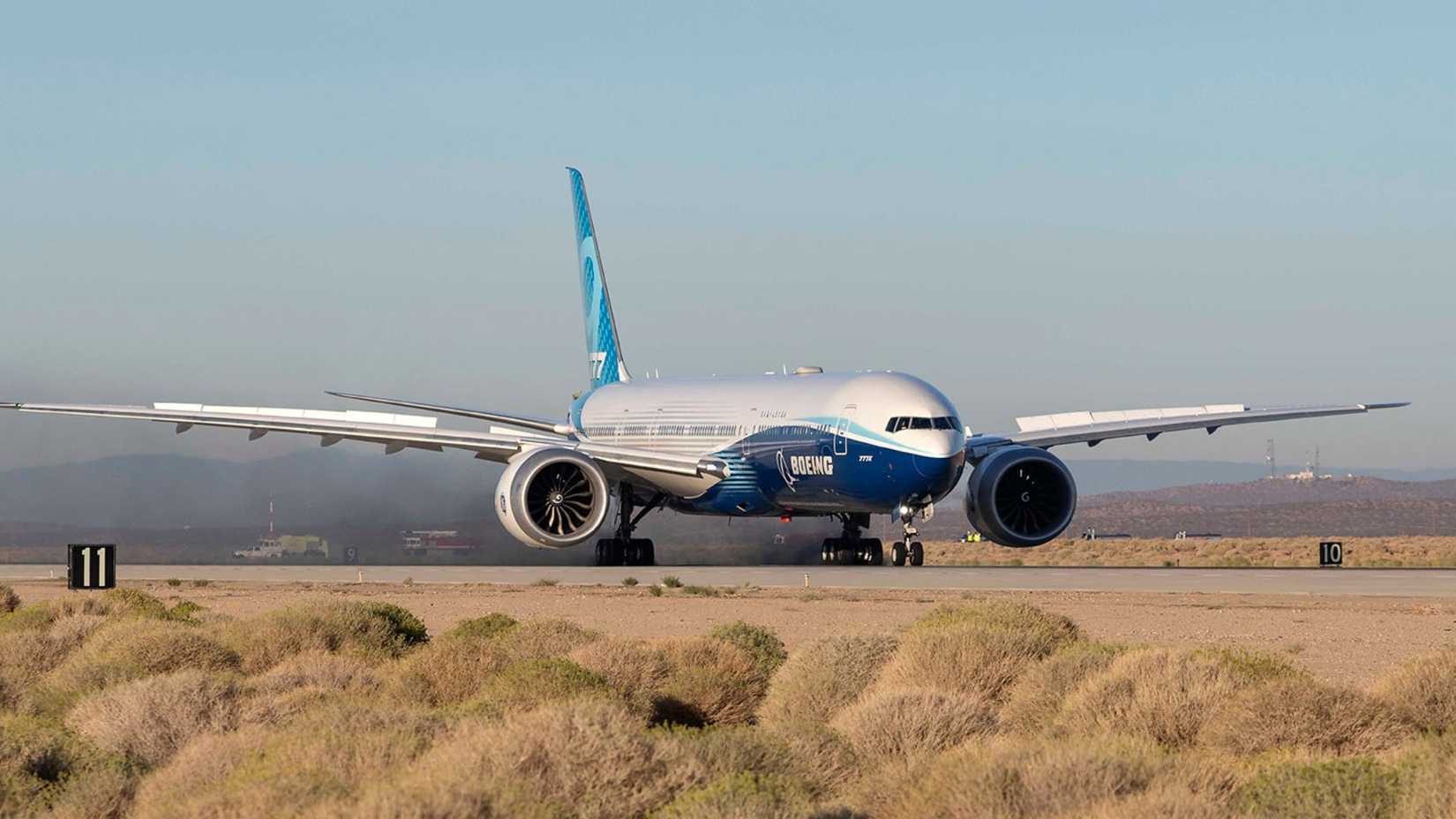
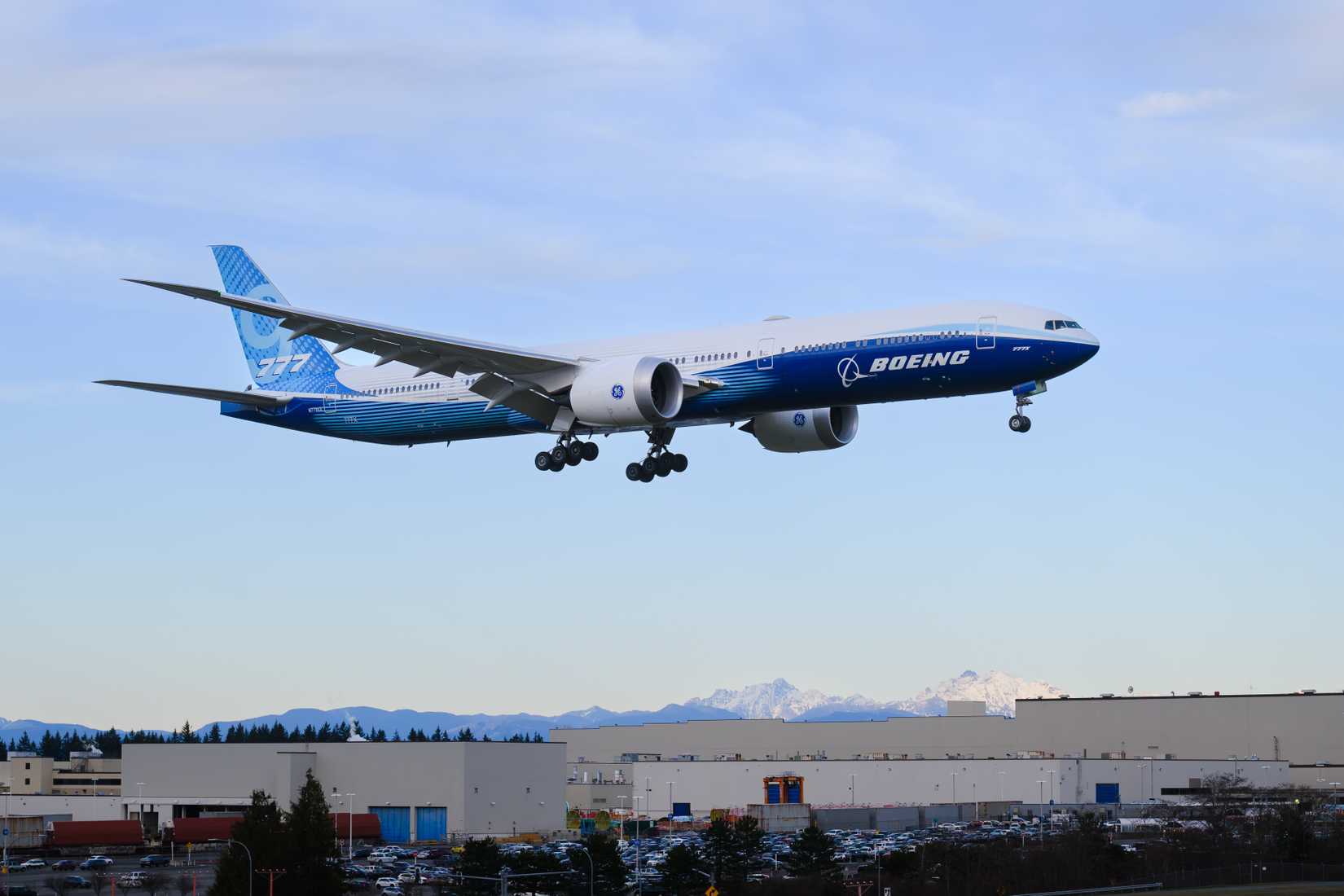
Boeing's 777-9 recently completed one of the most physically demanding certification tests in its entire approval campaign, executing a maximum kinetic energy rejected takeoff at Edwards Air Force Base with brakes worn to 100% of their allowable operational limit and no reverse thrust. The aircraft accelerated to approximately 190 knots at maximum takeoff weight before the crew initiated a full stop using brakes supplied by Safran. Temperatures within the brake assemblies exceeded 2,500°F — well above the melting point of aluminum and into temperature ranges that compromise the structural integrity of many high-performance industrial alloys. Safran reported the stopping event generated in excess of one billion foot-pounds of torque. The test is governed by 14 CFR § 25.735, which mandates that transport-category aircraft demonstrate survivable stopping performance under worst-case conditions, with the Maximum Kinetic-Energy Accelerate-Stop test representing one of the defining regulatory hurdles for heavy jets entering service.
The physics driving those extreme temperatures are straightforward but unforgiving at scale. Kinetic energy scales with the square of velocity, meaning the difference between rotating at 160 knots versus rejecting at 190 knots is not marginal — it is enormous in terms of the thermal load transferred into brake assemblies. At the 777-9's maximum takeoff weight of approximately 775,000 pounds, the estimated total kinetic energy at the rejection point exceeds 1,600 megajoules, all of which must be converted to heat through friction within a matter of seconds. The deliberate exclusion of thrust reversers from the stopping procedure is not a procedural quirk but a regulatory requirement designed to validate the braking system in isolation. The FAA's rationale is explicit: real-world operations involve worn components, not factory-fresh hardware, and certification margins must reflect what crews actually encounter across the service life of the aircraft.
For professional pilots operating transport-category aircraft, this test reinforces several principles that underpin rejected takeoff decision-making and systems knowledge. The certification standard does not promise a comfortable outcome during a maximum energy RTO — it promises survivability. Brake temperatures during a worst-case stop can reach conditions that destroy wheel and tire assemblies even when the event goes according to plan, which is why post-RTO procedures universally prohibit approaching a heavy aircraft after a high-energy stop until brake cooling has been confirmed and emergency services have assessed the gear. Crews operating widebody aircraft should understand that fusible plugs in wheel assemblies are a deliberate design feature, not a failure — they are engineered to deflate tires in a controlled manner before explosive failure can occur when brake temperatures threaten structural integrity.
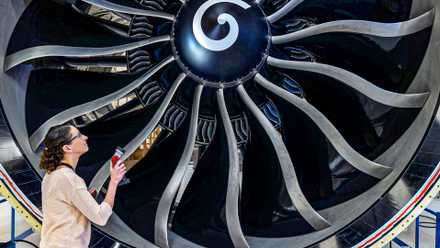
The broader certification context matters for operators evaluating the 777X program's commercial trajectory. The 777-9 has faced years of delays tied to engine certification challenges with the GE9X, structural testing requirements, and evolving FAA scrutiny following the 737 MAX accidents. Completing the maximum brake energy test at Edwards represents a meaningful milestone in the program's ground certification campaign, demonstrating that at least one critical safety-critical system has cleared its most demanding regulatory hurdle. For airline fleet planners and Part 91K or charter operators considering the 777X in long-range planning, successful completion of high-profile certification tests signals continued forward movement in an approval process that has drawn considerable industry and regulatory attention.
The 777X certification effort also reflects a broader evolution in how the FAA and its international counterparts approach transport-category approvals in the post-MAX environment. Regulatory scrutiny has intensified across multiple aircraft programs, with authorities placing increased emphasis on independent verification of manufacturer test data and greater conservatism in accepting worst-case assumptions. Boeing's decision to conduct testing at the demanding conditions documented at Edwards — fully worn brakes, no reverse thrust, maximum weight, high rejection speed — reflects not only regulatory compliance but a deliberate effort to demonstrate program rigor at a moment when the FAA's oversight of Boeing's certification processes remains under sustained public and congressional scrutiny. For operators and pilots who will eventually fly the 777-9, the depth of that certification campaign is ultimately what underwrites the safety margins they rely on every time they push up thrust for departure.






 Read original article