The Boeing 777X Will Physically Refuse To Take Off If Its Wings Are Still Folded
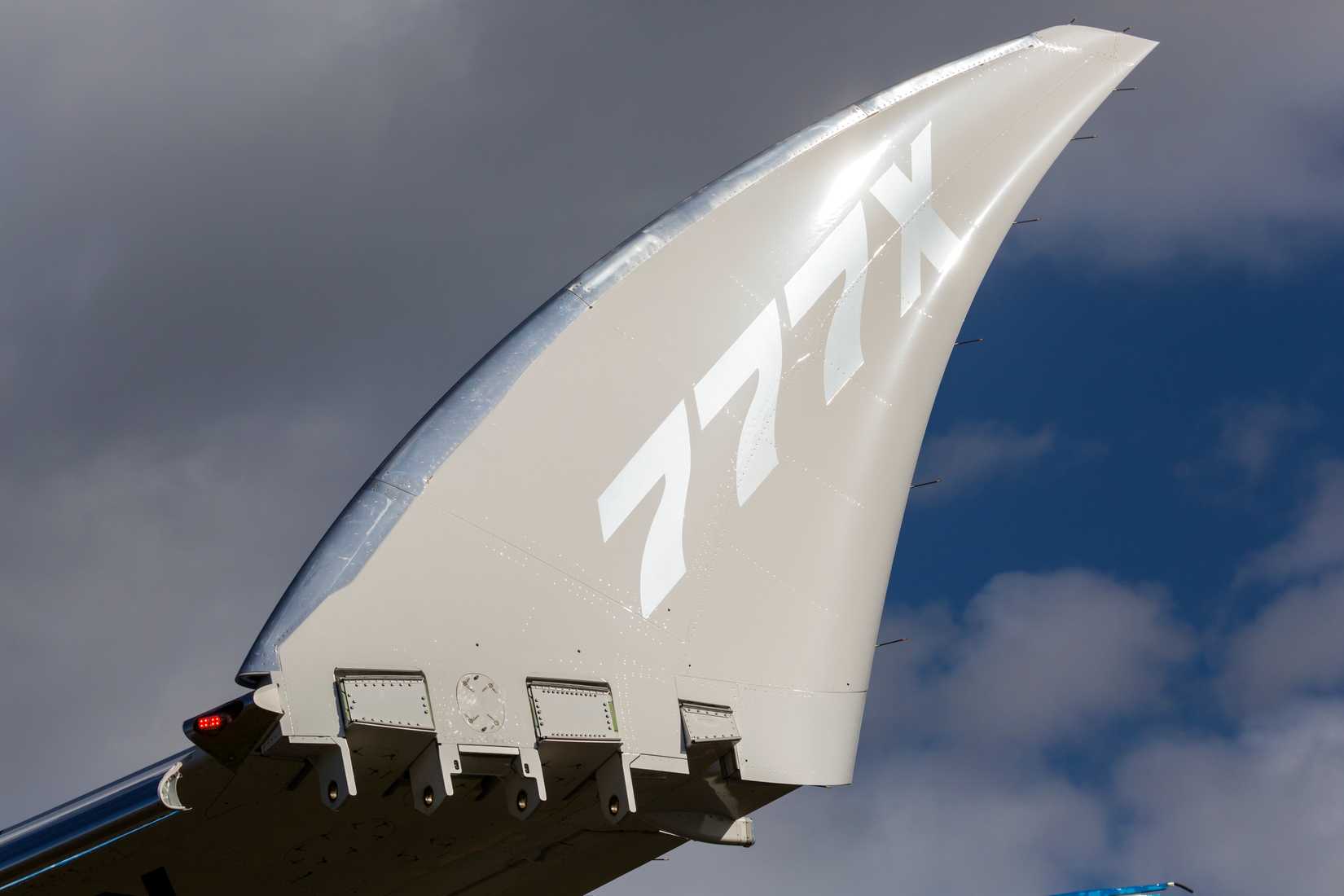
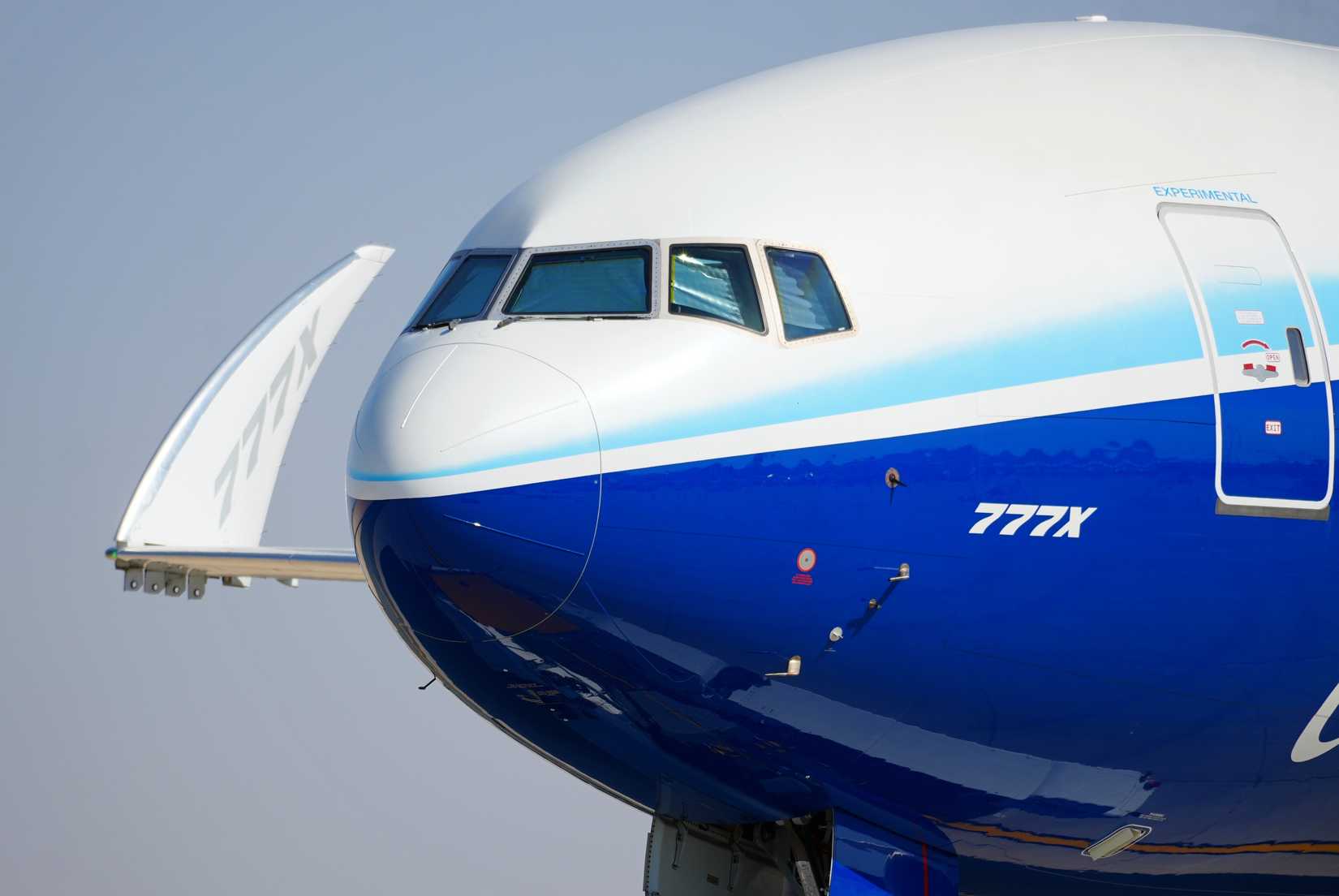
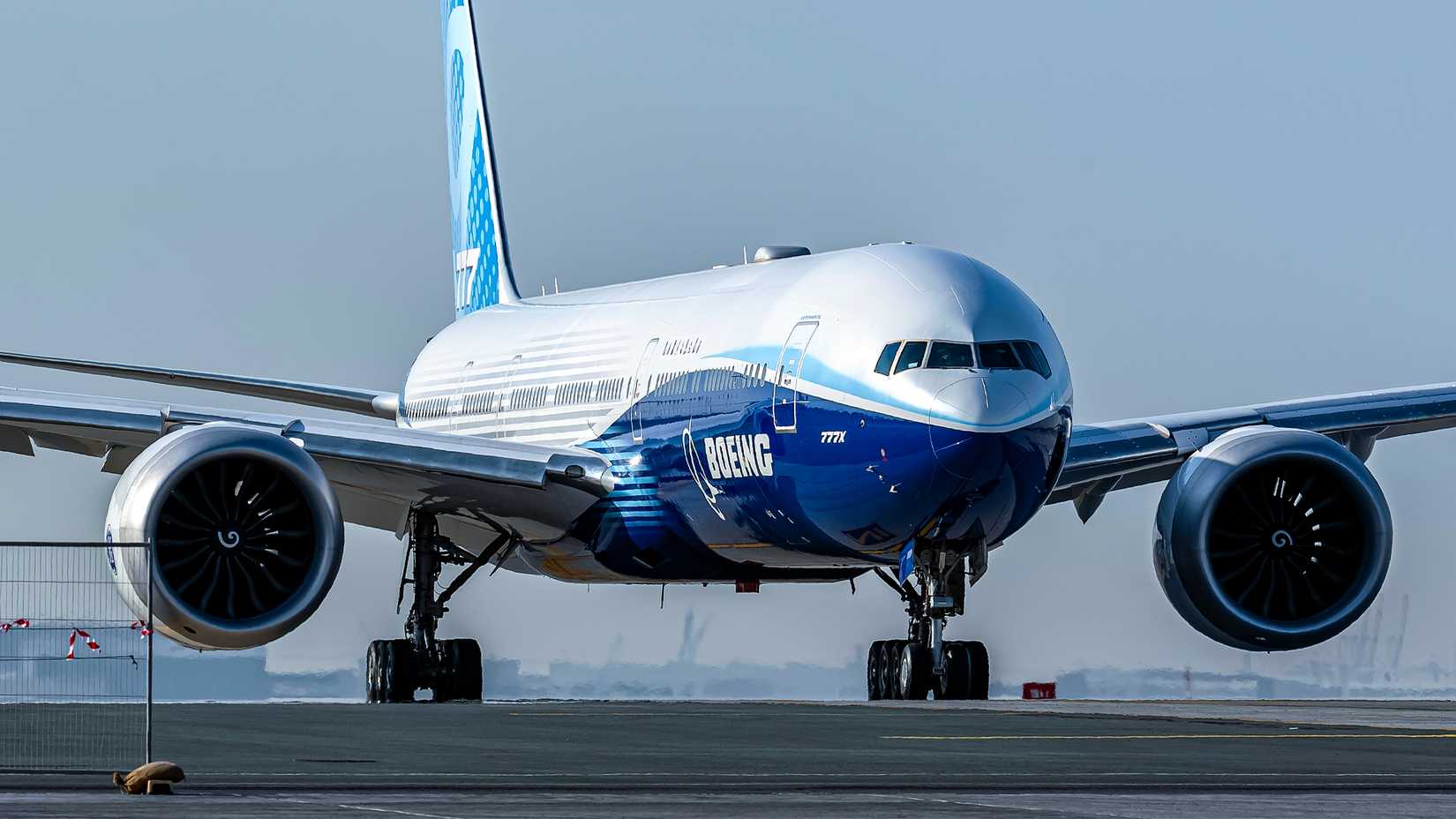
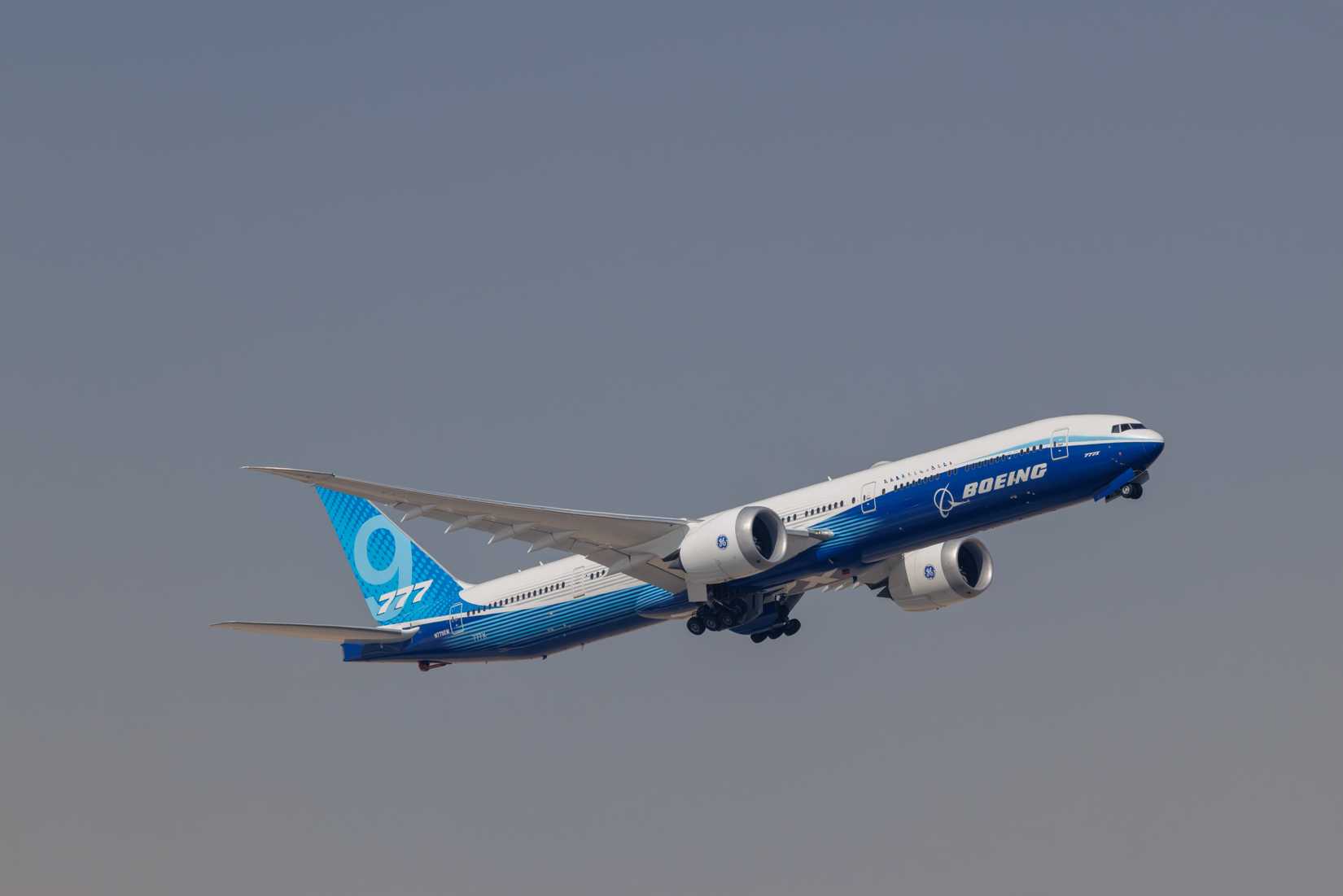
Boeing's 777X introduces the first folding wingtip system ever certified for commercial passenger transport operations, a distinction that carries significant engineering, regulatory, and operational weight. The aircraft's composite wing spans 235 feet at full extension — the widest of any twin-engine commercial jet ever built — generating aerodynamic performance advantages that directly translate to fuel efficiency and range capability on long-haul routes. To preserve that aerodynamic benefit while maintaining compatibility with existing Code E airport infrastructure, Boeing partnered with Liebherr to engineer hydraulic rotary actuators that fold each 11-foot outer wingtip section upward in approximately 20 seconds, reducing the ground footprint to roughly 212 feet. That reduction is the difference between requiring specialized Code F gates — the same category as the Airbus A380 — and slotting into the same gate infrastructure that current 777 operators already use worldwide. Pilots manage the system through a dedicated overhead panel switch, with extension and mechanical locking completed during taxi before departure.
The safety architecture surrounding the folding system is what elevates this beyond a mechanical novelty into a study in modern airworthiness design philosophy. Regulators treated wingtip position as a safety-critical parameter, meaning a folded-wing takeoff attempt was not classified as merely inadvisable but as a failure mode requiring active prevention rather than passive warning. The resulting takeoff inhibition system uses multiple independent sensors to continuously verify that both wingtip sections are fully extended and mechanically locked before allowing the aircraft to enter a high-speed takeoff roll. The system does not alert crews to correct the condition and then yield control — it physically prevents the takeoff from progressing. This represents a meaningful philosophical distinction in human-machine interface design: the aircraft itself closes the loop on a category of error that cockpit workload or procedural distraction might otherwise allow to slip through. For professional crews, this is a direct parallel to other flight envelope protection and ground logic systems that have become standard on modern fly-by-wire transports.
The operational significance for airline operators and the airports serving them is substantial. Boeing's explicit design goal was to avoid replicating the infrastructure burden that limited A380 deployments. Many carriers that ordered the A380 encountered gate width constraints, taxiway lighting conflicts, and terminal modification costs that narrowed the aircraft's practical route network. By keeping the 777X within Code E parameters on the ground, Boeing has positioned the type to operate across a far broader range of airports without requiring capital investment from airport authorities or from airlines seeking to add new destinations. For flight departments and operators already familiar with current-generation 777 operations, the gate compatibility means the transition requires no new ground handling infrastructure, a significant factor in fleet planning discussions at the airline level.
From a broader industry perspective, the 777X wingtip program reflects a widening trend in which advanced materials and mechatronic systems are being deployed to resolve conflicts between aerodynamic optimization and ground operations constraints. The composite wing structure itself — lighter and structurally superior to traditional aluminum — is what made the larger span economically viable in the first place. The folding system then unlocks the full commercial utility of that span. Military aviation has relied on folding wings since carrier-based operations made deck space a hard constraint, but the transfer of that concept to commercial transport required a certification framework that didn't previously exist. The FAA and EASA scrutiny applied during 777X development has effectively created new regulatory precedent for how movable primary lifting surfaces are classified, monitored, and protected against crew error on Part 121 operations. That precedent will matter as aircraft designers continue pushing wingspan dimensions on future narrowbody and widebody programs seeking efficiency gains without infrastructure penalties.










 Read original article