Why Did Airbus Build The A380 With 4 Engines?
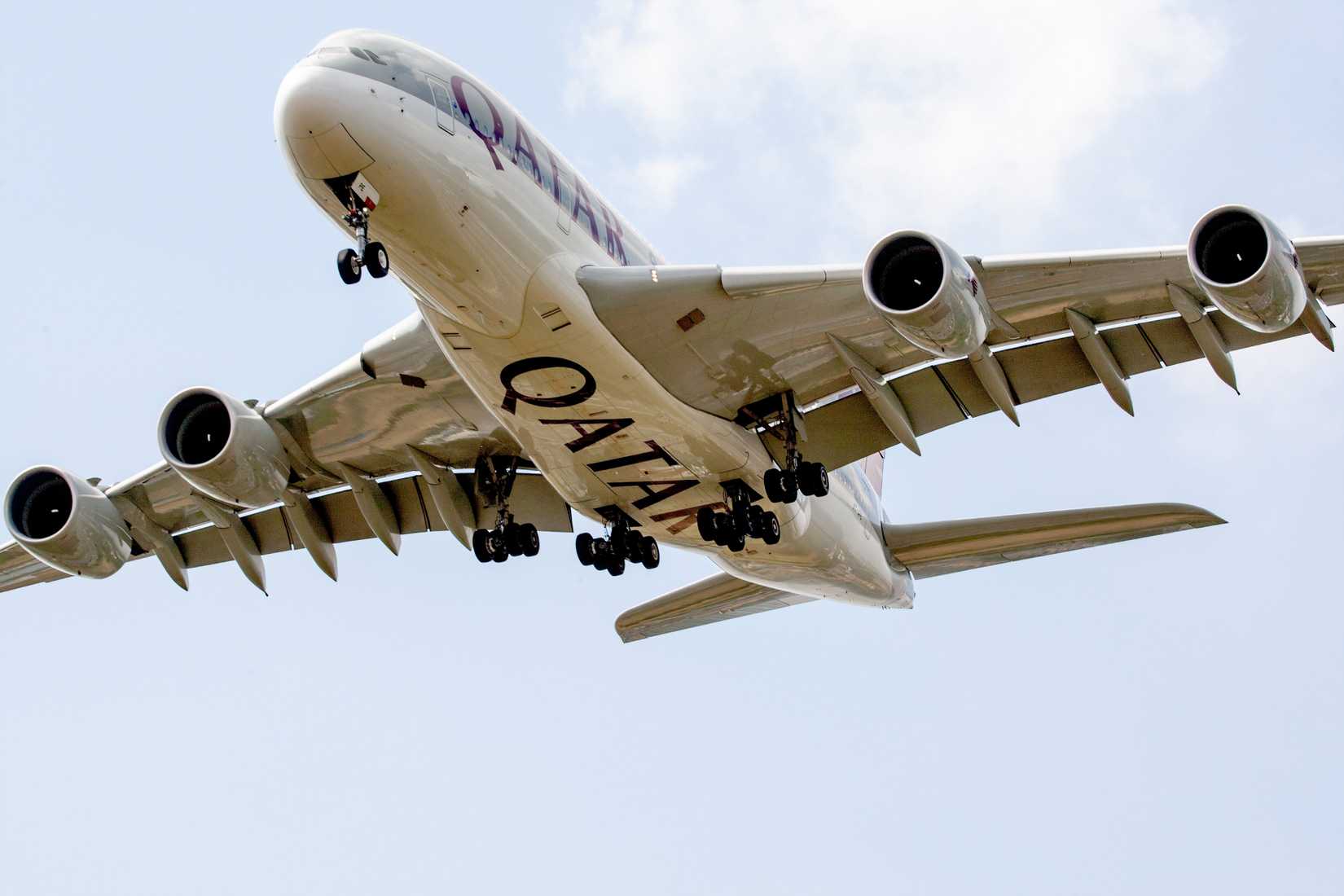
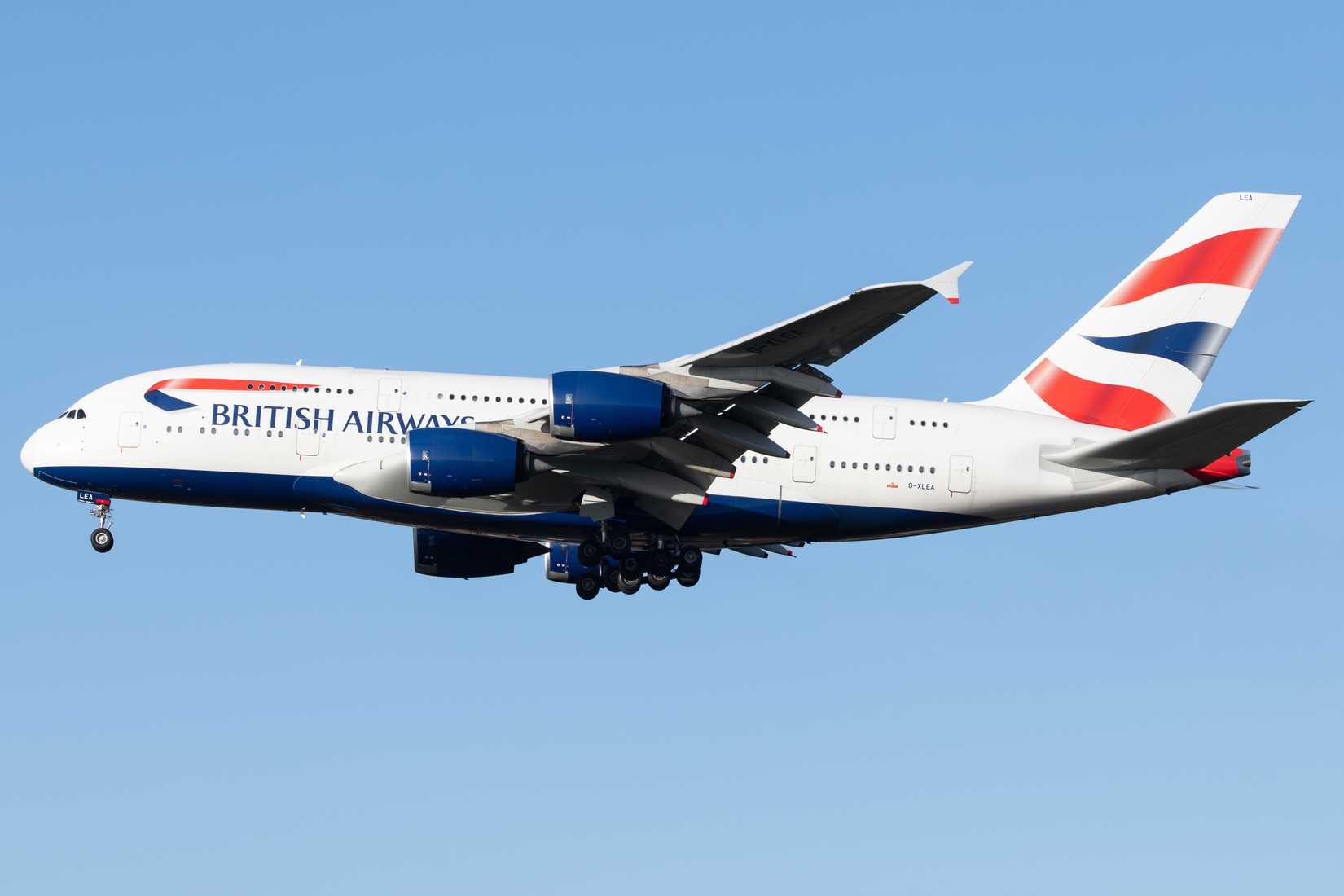
The Airbus A380's quadjet configuration was not a choice born of preference but of physical necessity. With a Maximum Takeoff Weight of 575 metric tons, the A380 exceeded the thrust ceiling achievable through any credible twinjet arrangement available at the time of its development. Even the most powerful production turbofan ever built, the General Electric GE90-115B producing over 115,000 pounds of thrust, could not be paired in a twin configuration to meet the A380's requirements. Its Engine Alliance GP7200 and Rolls-Royce Trent 900 powerplants together generate over 307,000 pounds of thrust at takeoff power — a figure that remains beyond the reach of any current or near-term twinjet design. The engineering math was unambiguous: four engines were the only viable path to getting the aircraft airborne within acceptable field lengths and performance margins.
The deeper commercial problem, however, was not the count of engines but their technological vintage. The A380 occupies an awkward chronological position in widebody development history, arriving after the 1990s-generation aircraft like the Boeing 777 and Airbus A330, yet before the leap in propulsion technology represented by the GEnx, Trent XWB, and Trent 1000. The GP7200 and Trent 900 are essentially derivative designs — the GP7200 mating a scaled-down GE90 core to PW4000 low-pressure architecture, while the Trent 900 borrowed reduced components from earlier Trent variants. Neither engine benefited from the full clean-sheet advances that defined late-2000s propulsion development. This left the A380 burning more fuel per seat than newer rivals like the A350 and 787, while also carrying higher maintenance costs due to both the additional engine count and the relative inefficiency of these orphaned powerplant lineages.
The aircraft's structural design compounded these propulsion disadvantages. The A380-800, the only variant that ever entered service, was engineered as a shrink from a larger A380-900 that never materialized. This design philosophy produced an aircraft that was structurally overbuilt for its actual mission — heavier than it needed to be, with oversized stabilizers and a wing optimized for a heavier aircraft, while its fuselage was actually shorter than a 777-300ER. Operators received a platform with exceptional range and structural capability, but paid for that capability in every fuel uplift and maintenance event. Airlines attempting to deploy A380s on thinner routes or during off-peak periods found the economics punishing, as the per-seat cost structure demanded consistently high load factors that few networks could reliably deliver.
For airline fleet planners, route strategists, and pilots who flew or managed A380 operations, the aircraft's trajectory offers a precise case study in how propulsion efficiency, fleet economics, and route network flexibility intersect. The 251 frames delivered against the 777-300ER's 800-plus stands as a market verdict on those intersections. The twinjet's dominance — underscored by the commercial success of the 787, A350, and the upcoming 777X — reflects regulatory evolution through ETOPS as much as engineering progress. Extended Twin Operations authority progressively unlocked long-haul oceanic routes that once required three or four engines, removing the final operational rationale for quadjet widebodies in commercial passenger service. The A380 became commercially stranded not because four engines are inherently flawed, but because the regulatory and technological environment shifted faster than its production run could absorb.
The A380's legacy matters to current operators and pilots because it clarifies the economic logic now governing every significant widebody acquisition decision. Airlines selecting between the 787-10, A350-900, and 777X are weighing not just seat counts and range figures but the full cost-per-available-seat-mile implications of engine count, technology generation, and network flexibility. Emirates, the aircraft's dominant operator with well over 100 frames, built a hub-and-spoke network specifically engineered around the A380's capacity — a strategic alignment that has allowed the aircraft to function profitably within that carrier's specific model. That success is the exception, not the template. For the broader industry, the A380's history reinforces that aircraft size must be matched to realistic demand density, and that propulsion efficiency measured across the full maintenance and fuel lifecycle will ultimately determine whether an airframe finds durable commercial acceptance.











 Read original article