A Flight Tracker For AvGeeks: Live Alerts, Military Aircraft, NOTAMs & More
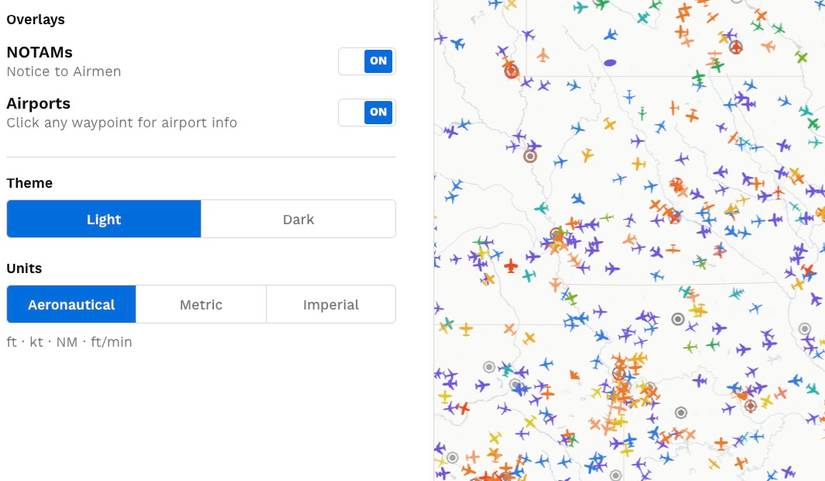
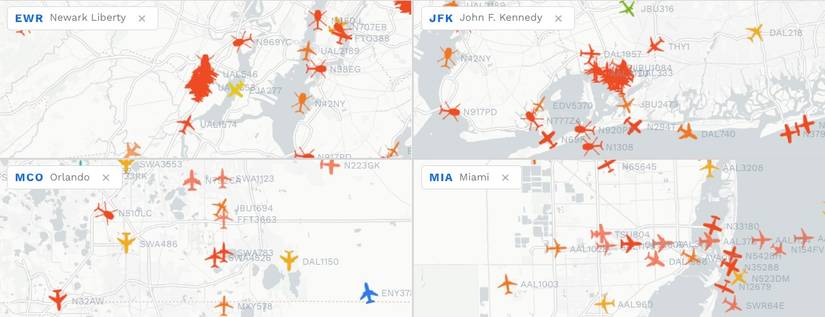
Simple Flying, one of aviation's most-read independent news outlets, has launched a proprietary real-time flight tracking platform designed to surface operationally interesting aircraft behavior rather than simply rendering traffic on a map. The tool aggregates live ADS-B data across more than 13,000 simultaneous airborne targets and applies eight algorithmic detection methods—including altitude oscillation, displacement ratio, erratic track, holding pattern speed envelope, squawk code monitoring, and turn rate analysis—to flag aircraft exhibiting unusual profiles. The platform displays per-aircraft data including altitude, indicated and ground speed, heading, phase of flight, and vertical speed, along with ambient conditions such as wind and outside air temperature at cruise altitude. Military, government, and general aviation traffic are included without filtering, a distinction from platforms that suppress such traffic by default, and NOTAM boundaries are overlaid directly on the map to contextualize restricted or modified airspace regions.
For professional pilots and aviation operators, the squawk code alert function represents the most immediately relevant feature from an airmanship and situational awareness standpoint. Automatic detection and flagging of 7700 transponder codes—the universal emergency squawk—means that dispatchers, FBOs, line operations staff, and crews monitoring the broader traffic environment can identify developing emergencies in real time without polling multiple platforms. Historically, awareness of another aircraft's declared emergency depended on ATC broadcasts or PIREP chains; aggregating that signal into a public-facing dashboard lowers the barrier to situational awareness significantly. The NOTAM overlay feature similarly provides value in preflight and in-flight planning contexts, though professional operators will note that the platform's NOTAM presentation is a visualization aid rather than a replacement for official NOTAMSearch or authorized EFB briefing packages, which carry regulatory standing for Part 91, 91K, and 135 operations.
The inclusion of unfiltered military and government aircraft tracking aligns with a broader push across the flight tracking community toward greater transparency in airspace utilization. Platforms such as ADS-B Exchange have long offered unfiltered feeds as a counter to the ICAO-compliant blocking mechanisms used by FlightAware and Flightradar24, and Simple Flying's tracker extends that philosophy to a mainstream, editorially supported audience. For corporate flight departments operating in airspace adjacent to military training routes, MOAs, or restricted areas, the ability to visualize military traffic patterns alongside NOTAM overlays can inform route planning decisions and departure timing, even if the data lacks the reliability and latency standards of certified avionics feeds. The sky-wide statistical aggregations—top operators, aircraft type distributions, mean ground speed, altitude banding—are more oriented toward analysts and enthusiasts but could inform charter operators or fleet planners tracking industry utilization trends in near real time.
The platform's current limitations are operationally meaningful: it does not display destination airports or estimated times of arrival, which constrains its utility for active flight following or passenger-handling coordination. Simple Flying has indicated that flight replay capabilities and live in-article embeds are forthcoming, which would expand the tool's value for post-event analysis of incidents, airspace events, or weather-related diversions. The broader trend this launch represents is the continued commoditization of ADS-B surveillance data and the proliferation of consumer-grade flight intelligence tools that approximate, in user experience if not in certification, the situational awareness capabilities once exclusive to operations centers and air traffic control facilities. As these platforms mature, professional aviation operators increasingly face the expectation—from passengers, corporate leadership, and the public—that airspace events will be visible and interpretable in real time, making fluency with such tools a practical asset alongside traditional dispatch and flight-following workflows.






 Read original article