Here's Why The Boeing 777X May Be Too Big For This European Airline
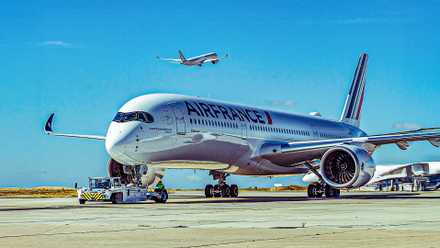
Scandinavian Airlines is conducting a widebody evaluation that pits Boeing's 777-9 against the Airbus A350, A330neo, and Boeing 787-9 as the carrier prepares to retire its aging fleet of eight A330-300s averaging 14 years in service. The timing is inseparable from a broader corporate restructuring: Air France-KLM is set to hold approximately 60.5% of SAS by late 2026, pulling the carrier out of Star Alliance and into SkyTeam. That ownership shift carries fleet implications, as SkyTeam's hub-and-spoke logic favors the high-density, long-range aircraft that Air France and KLM themselves operate — both carriers are significant 777 operators. SAS currently runs six A350-900s averaging under five years of age, making them the backbone of its efficient long-haul operation and the natural reference point against which any new type must justify itself.
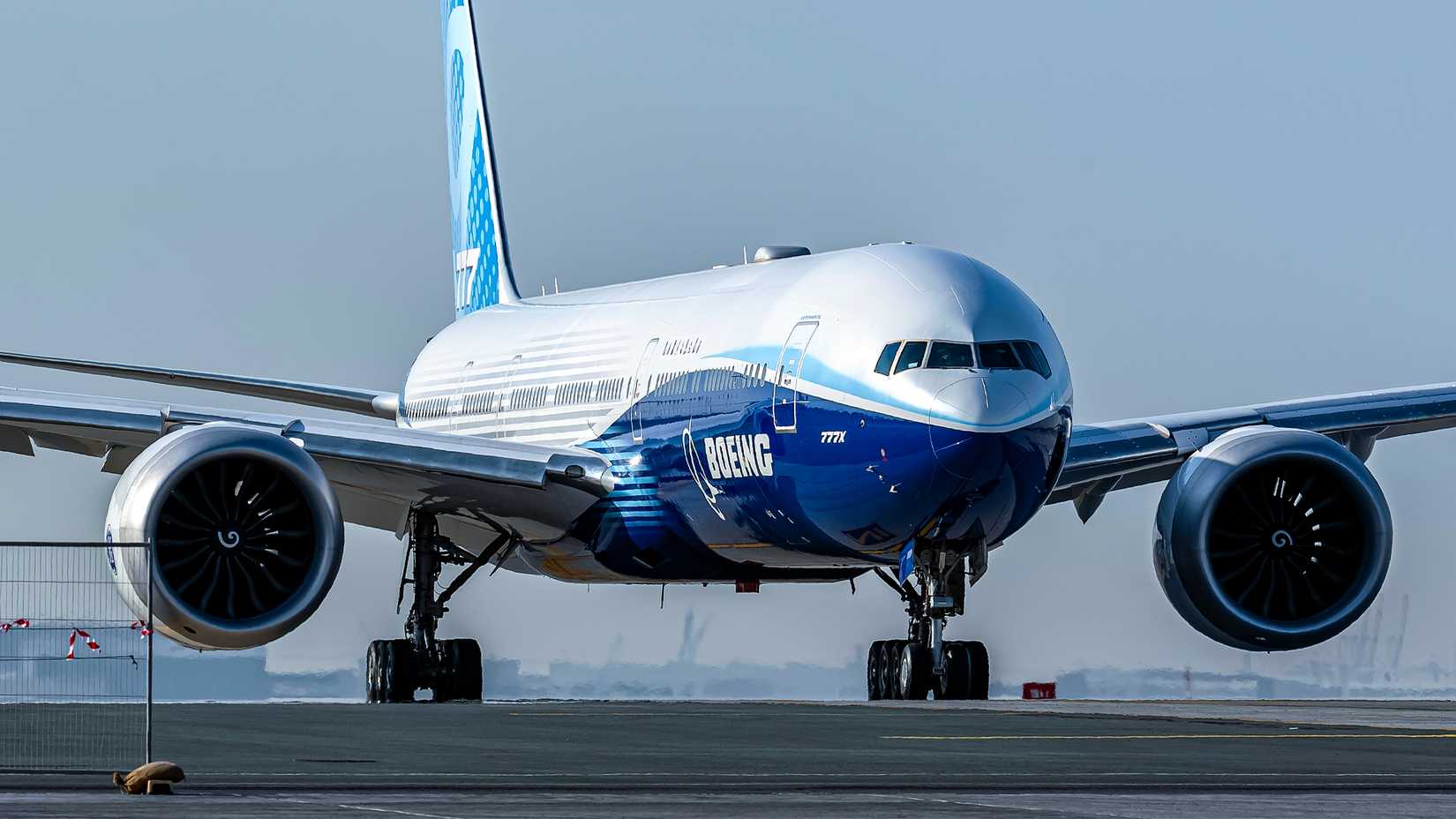
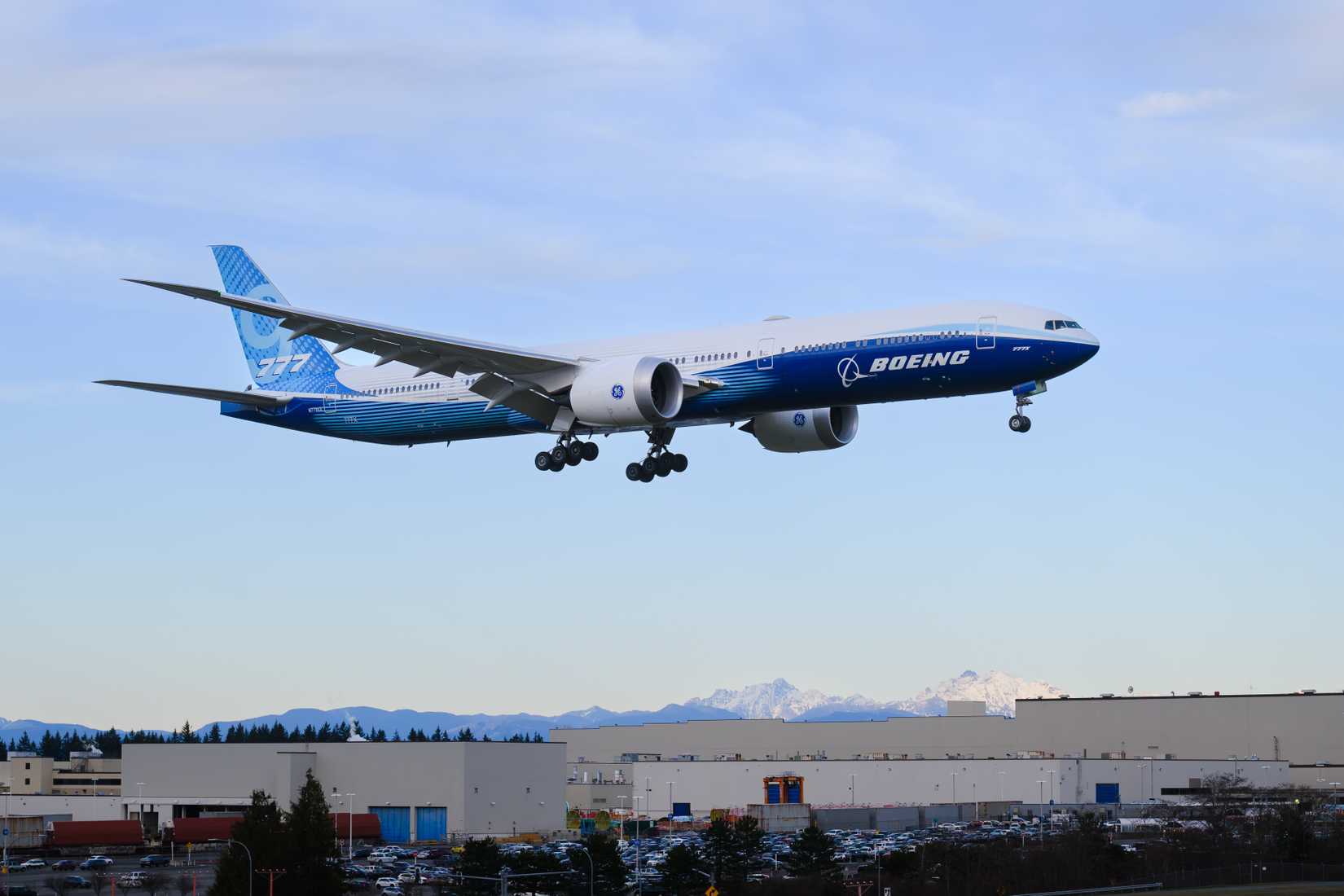
The core tension the evaluation surfaces is a mismatch between the 777-9's design mission and SAS's network topology. The aircraft is engineered for mega-hub operations — Dubai, Doha, Singapore — where connecting banks deliver the passenger volumes needed to fill 400-plus seats at commercially viable load factors. Copenhagen and Stockholm are origin-destination markets, not transfer hubs, and Scandinavian long-haul demand has historically been best served by aircraft in the 250-to-320-seat range. Forcing a 777-9 into that environment typically requires either reducing frequencies to consolidate demand or accepting structurally lower load factors, both of which carry serious yield implications. Reducing frequencies specifically threatens the high-yield corporate and premium leisure travelers who underpin Scandinavian transatlantic revenue, since those passengers book on schedule flexibility, not cabin size.
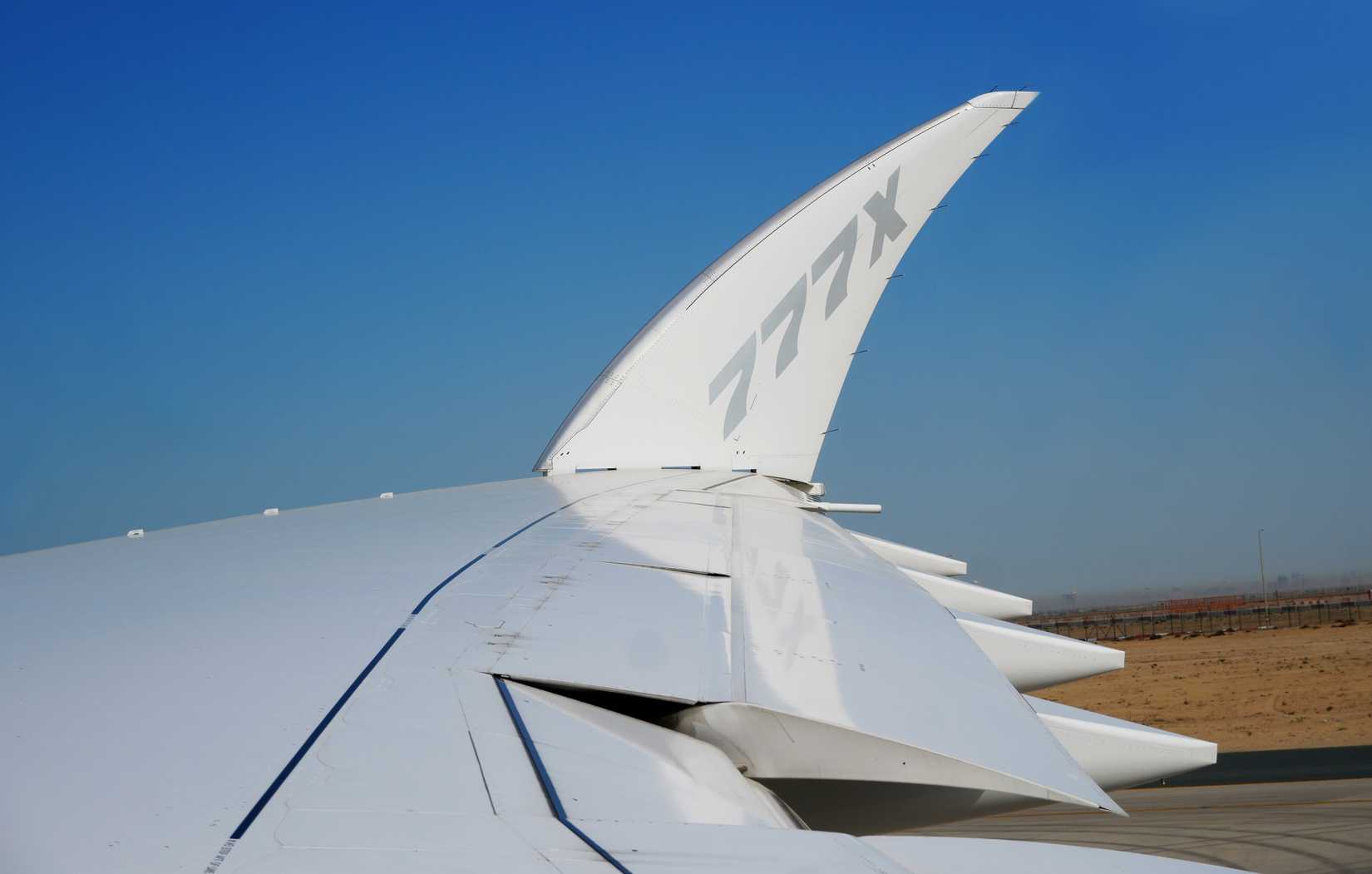
From a fleet management standpoint, introducing the 777-9 would fracture SAS's existing technical commonality in a way that carries compounding costs. Pilots currently qualified on the A350 would require a full type rating on the 777-9, adding training expense and scheduling complexity. The GE9X engine program requires a dedicated spare engine inventory, specialized tooling, and maintenance agreements that only become economically rational above a certain fleet threshold — the article cites 18 to 20 aircraft as the minimum efficient scale, a number far beyond what SAS would realistically order in this cycle. The 777-9's folding wingtip system, while operationally elegant in allowing the aircraft to use Category E gates, introduces an additional maintenance touch point and ground crew training requirement at every SAS-served station. For a carrier in post-bankruptcy recovery mode, these are not trivial cost centers.
The strategic value of the evaluation, however, may be partly independent of whether SAS actually selects the 777X. Placing a serious widebody competition — one that includes Boeing's most capable twin — gives SAS credible leverage over Airbus on pricing and delivery positioning for additional A350s or A330neos. The 787-9 presents a more operationally compatible alternative: similar seat counts to the retiring A330-300, a well-established pilot pool across European carriers, and GEnx or Trent 1000 support networks that are mature and competitive. For routes where the A350-900 is oversized or underranged, the 787-9 slots naturally without requiring SAS to build an entirely new maintenance infrastructure. That said, the 777-9's GE9X-powered range of 8,745 nautical miles does open city pairs — Scandinavian hubs to Southeast Asia or South America nonstop at full payload — that no current SAS aircraft can serve, which is where the aircraft's business case is most defensible.
The broader industry context is that the 777X is finding its clearest customers among carriers with structural capacity advantages: Emirates, Qatar, Lufthansa, and Singapore Airlines, all of which operate at scale sufficient to absorb the 777-9's size and support costs. European network carriers outside that tier — those operating hybrid point-to-point and hub models from secondary hubs — have broadly favored the A350-1000 or 787-10 as the upper boundary of their widebody ambitions. SAS's evaluation, watched closely by operators in similar market positions, will either validate the 777X's addressable market among mid-tier European carriers or reinforce the consensus that the aircraft belongs to a specific operational archetype that SAS does not fit. The outcome will also carry signal value for pilots and flight operations professionals tracking fleet evolution across the SkyTeam alliance, particularly as Air France-KLM's growing influence begins to reshape the technical and commercial priorities of its newest partner.










 Read original article