The Real Reason United Airlines Is Adding Lie-Flat Seats To Routes Under 6 Hours
United Airlines' Coastliner program, unveiled March 24, 2026, represents a fundamental restructuring of domestic premium transcontinental service rather than a simple cabin upgrade. The airline has committed to 40 leased Airbus A321neos — internally designated A321LF — configured with 20 Polaris lie-flat suites in a 1-1 layout, 12 Premium Plus seats, and 129 economy seats, for a total of just 161 passengers. The deliberate decision to leave significant revenue capacity on the table signals that United is prioritizing yield per seat over seat count, betting that corporate and high-frequency premium travelers will sustain the economics on Newark–Los Angeles and Newark–San Francisco routes where the aircraft will primarily operate.
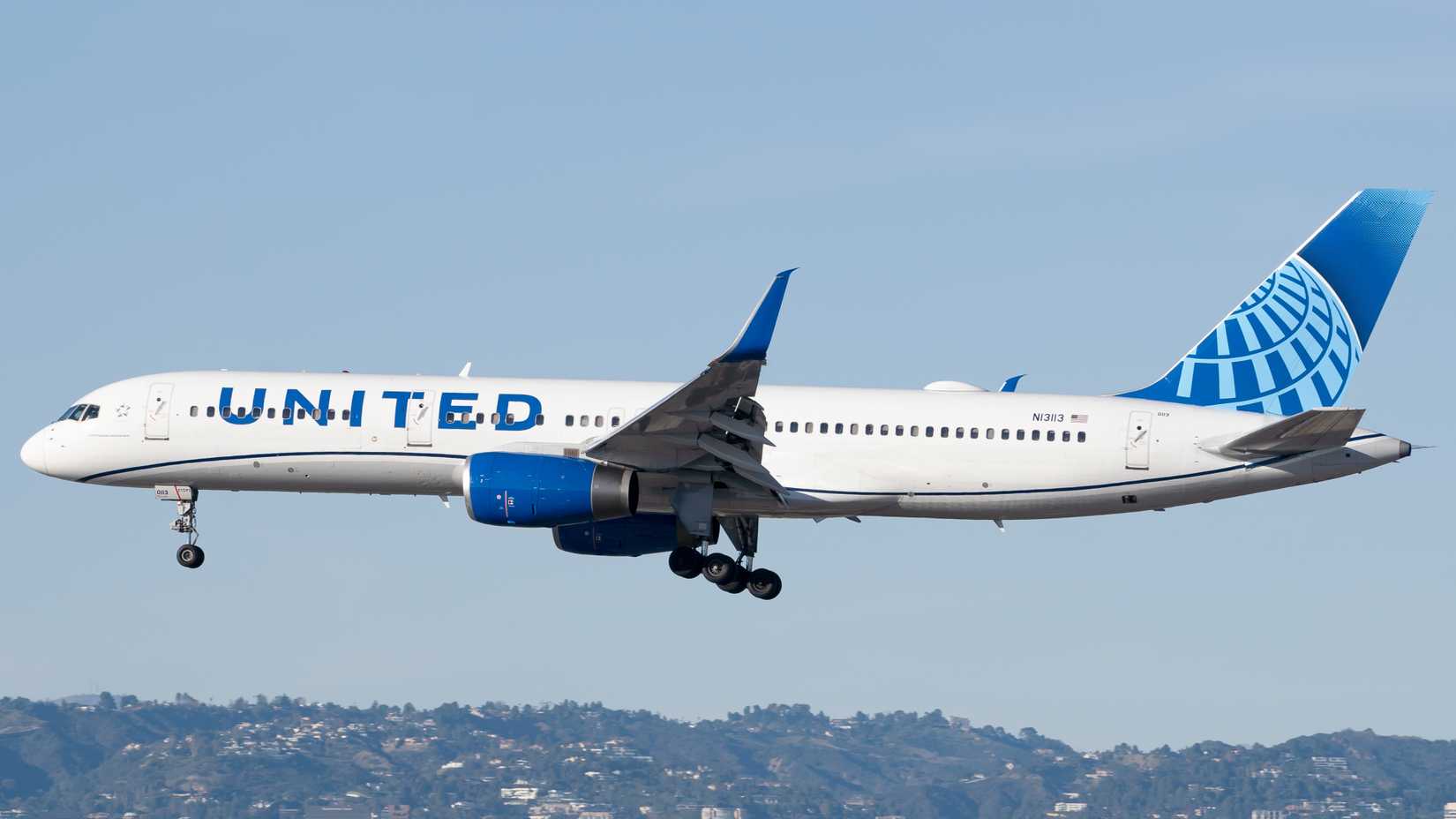
The operational driver behind the program is the accelerating obsolescence of United's Boeing 757-200 fleet, approximately 40 aircraft, the youngest of which is now approaching 30 years of service. Beyond raw maintenance costs, the 757s created a product consistency problem that became commercially damaging. Operational substitutions — common in any large network — meant that premium passengers booking lie-flat products occasionally received inferior cabin experiences when different aircraft types covered the routes. For corporate travel managers and high-yield frequent flyers, that unpredictability eroded confidence in the product. The Coastliner subfleet directly addresses this by establishing a dedicated, single-configuration aircraft type for the mission, eliminating the variability that undermined premium bookings. Fleet reliability matters operationally as well: older narrowbodies demand more unscheduled maintenance and carry greater risk of irregular operations, both of which translate to cost exposure and schedule disruption across the broader network.
Airbus's role in this program was not part of United's original fleet plan. The carrier had intended to use the Boeing 737 MAX 10 for premium transcontinental service, but sustained certification delays forced a strategic pivot. The A321neo filled the gap effectively, offering range sufficient for coast-to-coast sectors, meaningfully better fuel efficiency than the aging 757, a quieter passenger environment, and modern avionics. For flight crews, the transition from 757s to A321neos involves a significant shift in systems architecture and handling characteristics — the 757 is a conventional-controls narrowbody with high-thrust performance that has long been valued for its short-field and hot-and-high capabilities, while the A321neo introduces fly-by-wire controls, different climb and cruise profiles, and Airbus-family type rating requirements. Airlines operating mixed Airbus and Boeing fleets face real training and scheduling cost implications when expanding one family at the expense of another, and United's move deepens its Airbus narrowbody footprint in ways that will shape crew qualification pools for years.
The broader significance for commercial and business aviation operators lies in what the Coastliner program reveals about premium demand trends on domestic routes. United is effectively importing international cabin standards — lie-flat suites, enclosed suite configurations, full Polaris service — into a sub-six-hour domestic context, a move that would have seemed commercially marginal a decade ago. The rationale reflects documented post-pandemic shifts in corporate travel spending, where companies and individual business travelers have demonstrated sustained willingness to pay significant premiums for productivity-enabling seating even on daytime domestic sectors. For business aviation operators and Part 91/135 flight departments, this trend is double-edged: it validates the productivity and comfort arguments that justify private and charter flying, but it also means that first-class commercial alternatives on key city-pair routes are becoming more competitive with charter offerings on a per-seat cost basis, particularly for single travelers or small groups. Corporate flight departments should expect clients and executives to increasingly reference lie-flat domestic products as a benchmark when evaluating travel options.
United's program also reflects a structural dynamic reshaping airline fleet planning industry-wide: Boeing's ongoing certification and production difficulties are creating Airbus penetration into market segments and airline fleets that Boeing had historically dominated. The 737 MAX 10 delay cost Boeing a significant role in United's domestic premium strategy and accelerated Airbus's expansion within a carrier that has been a major Boeing operator. For pilots and operators tracking fleet transitions, type rating demand, and training pipeline capacity, the continued erosion of Boeing's narrowbody delivery reliability is producing compounding effects — not only in fleet mix but in type rating scarcity, simulator availability, and the long-term trajectory of which aircraft will define narrowbody operations across North American networks.










 Read original article