AskThePilot.com
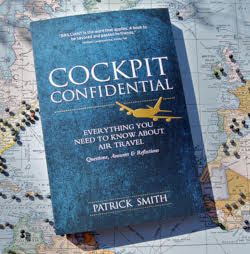
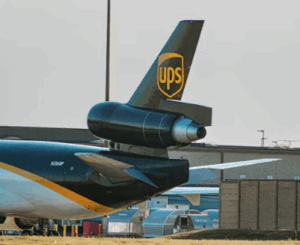
AskThePilot.com, the long-running aviation platform authored by commercial airline pilot Patrick Smith, functions as one of the most sustained pilot-to-public communication efforts in the industry, spanning content originally developed for Salon.com beginning in 2002 before migrating to an independent site. Smith, who flies Boeing 757 and 767 aircraft on domestic and intercontinental routes, structures the platform around Q&A volumes, narrative essays, and a semi-regular Express Blog that addresses both operational realities and cultural dimensions of aviation. The current homepage surfaces a wide cross-section of active topics including the LaGuardia ground collision involving aircraft and service vehicles, the UPS cargo accident in Louisville, the Air India Flight 171 disaster with a developing murder-suicide hypothesis, and the abrupt halt of Persian Gulf air traffic triggered by the Iran conflict — all of which carry direct operational relevance to working pilots regardless of fleet type or operation category.
The site's technical content, while presented for general audiences, reflects procedures and standards that professional crews encounter daily. Smith's treatment of stabilized approach criteria — gear configured by 1,000 feet AGL, minimal power and pitch adjustments through short final — aligns precisely with the policies embedded in airline Operations Specifications and Part 135 standard operating procedures. His explanations of idle-thrust descent profiles, glide ratios on transport-category jets, and the physics behind early gear retraction after liftoff are accurate and current. For Part 91K and charter operators whose passengers may arrive with misconceptions about normal jet behavior, Smith's framing provides a useful analog: the same facts pilots brief informally in the cabin get a more structured treatment here, and crews who understand how accurate that public-facing content is may be better positioned to manage passenger communication during abnormal situations.
The editorial catalog visible on the homepage also tracks several developments with meaningful implications for operators. The coverage of Spirit Airlines' collapse fits into a broader pattern of low-cost carrier attrition that has been reshaping crew hiring pipelines and route structure across the regional and mainline sectors. The Persian Gulf airspace closure piece addresses a scenario — politically-driven NOTAM cascades that shut down major oceanic and overland corridors — that directly affects international dispatch planning, fuel release calculations, and alternate airport selection for crews operating under Part 121 or long-range Part 91 authorities. The Air India Flight 171 coverage, with its evolving hypothesis around deliberate crew action, connects to the ongoing regulatory and industry debate about cockpit access protocols, crew mental health screening, and the legacy of Germanwings in shaping international safety standards.
Smith's platform occupies a distinct position in aviation media because it is produced by an active line pilot rather than journalists, consultants, or retired industry figures. That operational currency gives the content credibility on procedural and regulatory matters, even as the site's primary audience remains the traveling public. For professional pilots, AskThePilot.com serves a secondary but practical function: it shapes the informational environment in which their passengers, corporate clients, and the general press form opinions about airline safety, cockpit authority, and aviation risk. Crews who track what informed laypeople are reading about their profession are better equipped to address questions, correct misconceptions before they escalate, and communicate with authority during irregular operations. In an era when social media accelerates the spread of aviation misinformation following any incident, a well-maintained, technically grounded public resource run by an active pilot remains a net positive for the industry's credibility.































 Read original article