AskThePilot.com
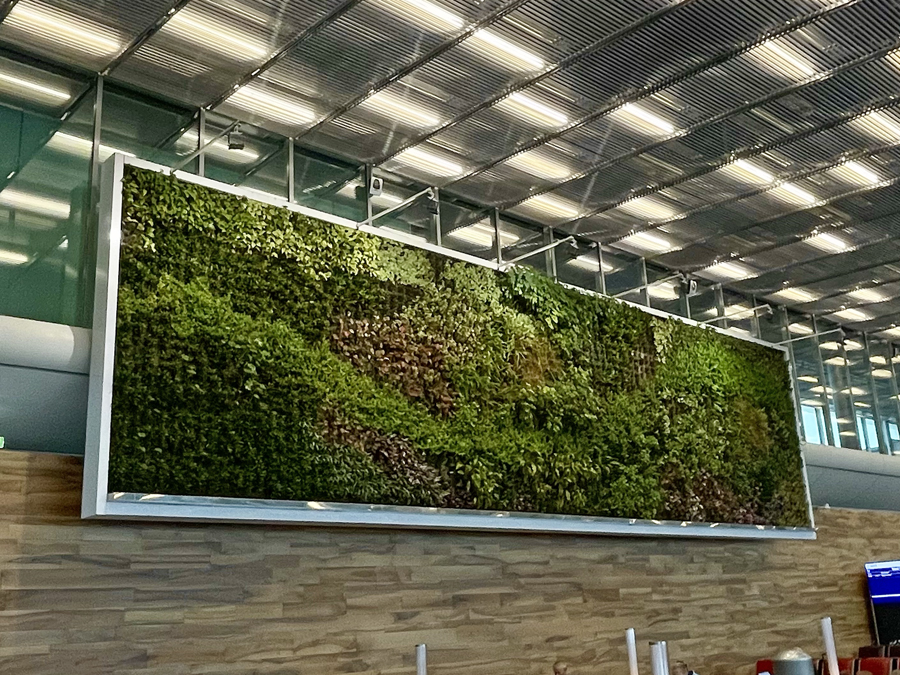
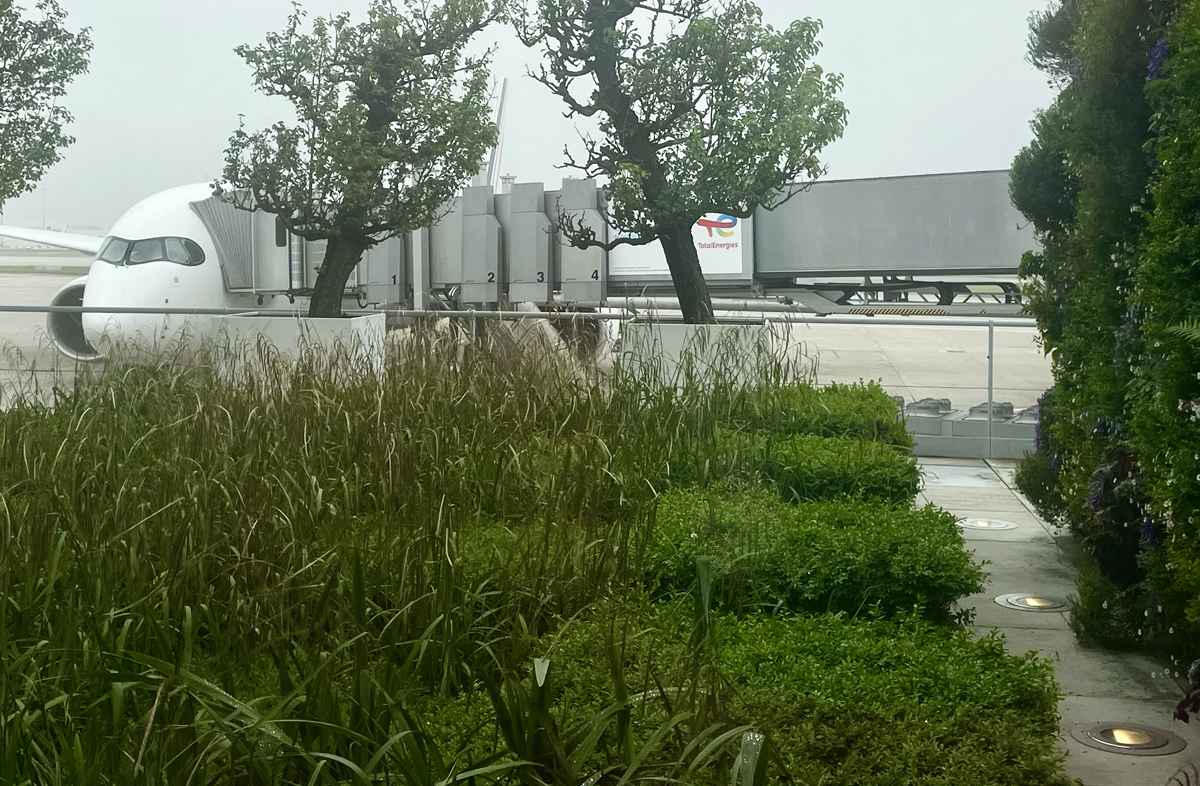
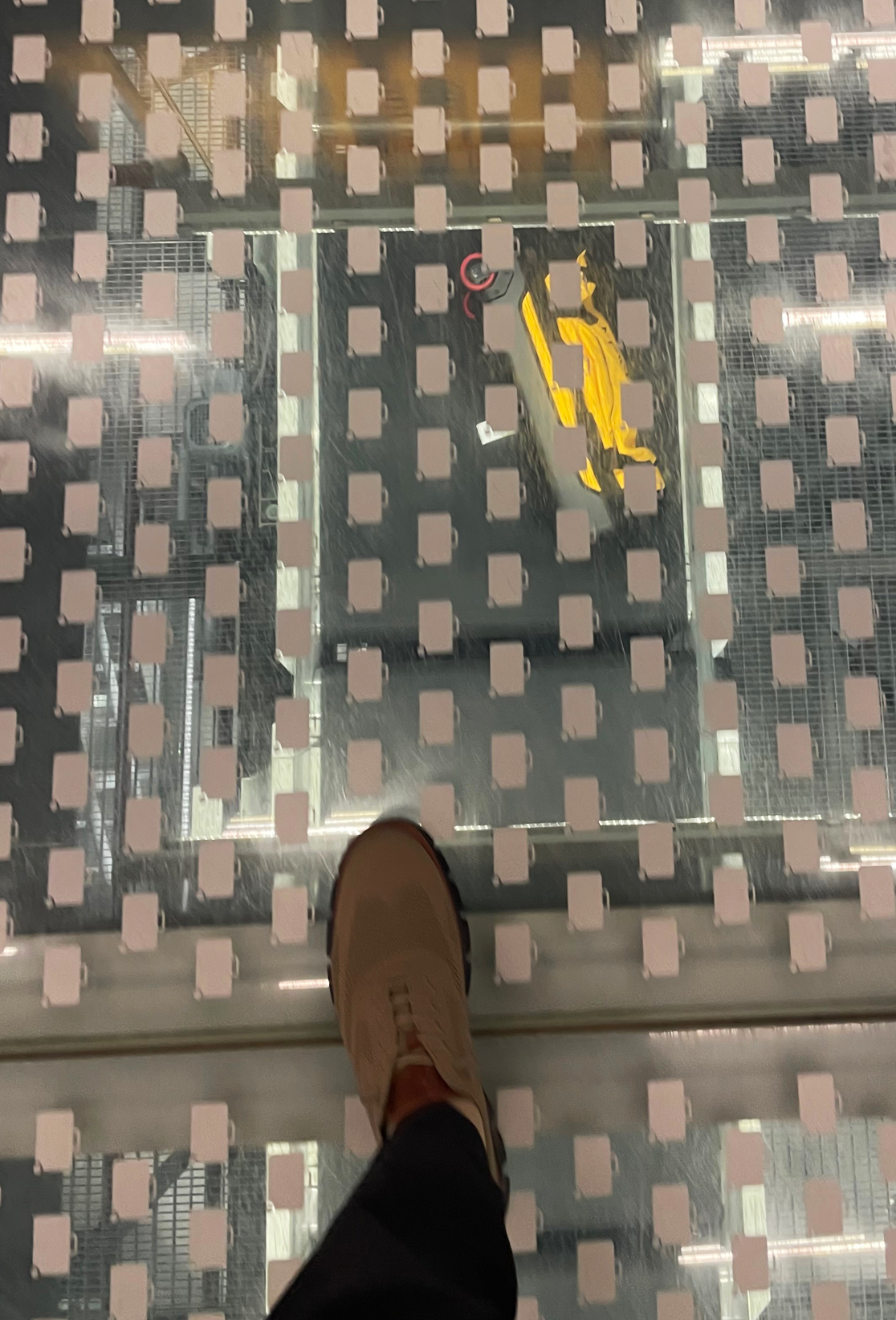
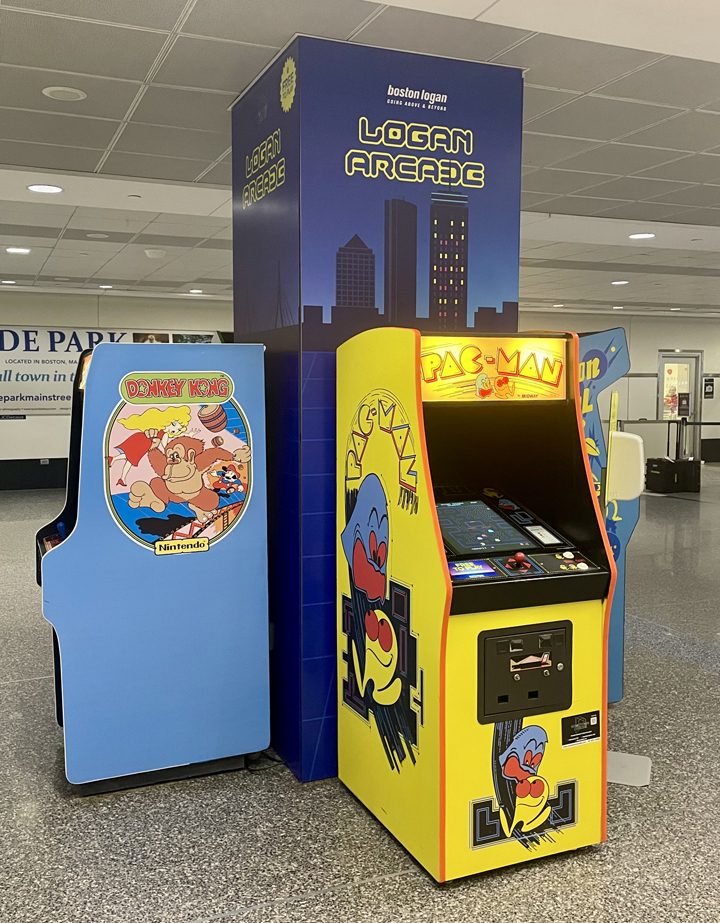
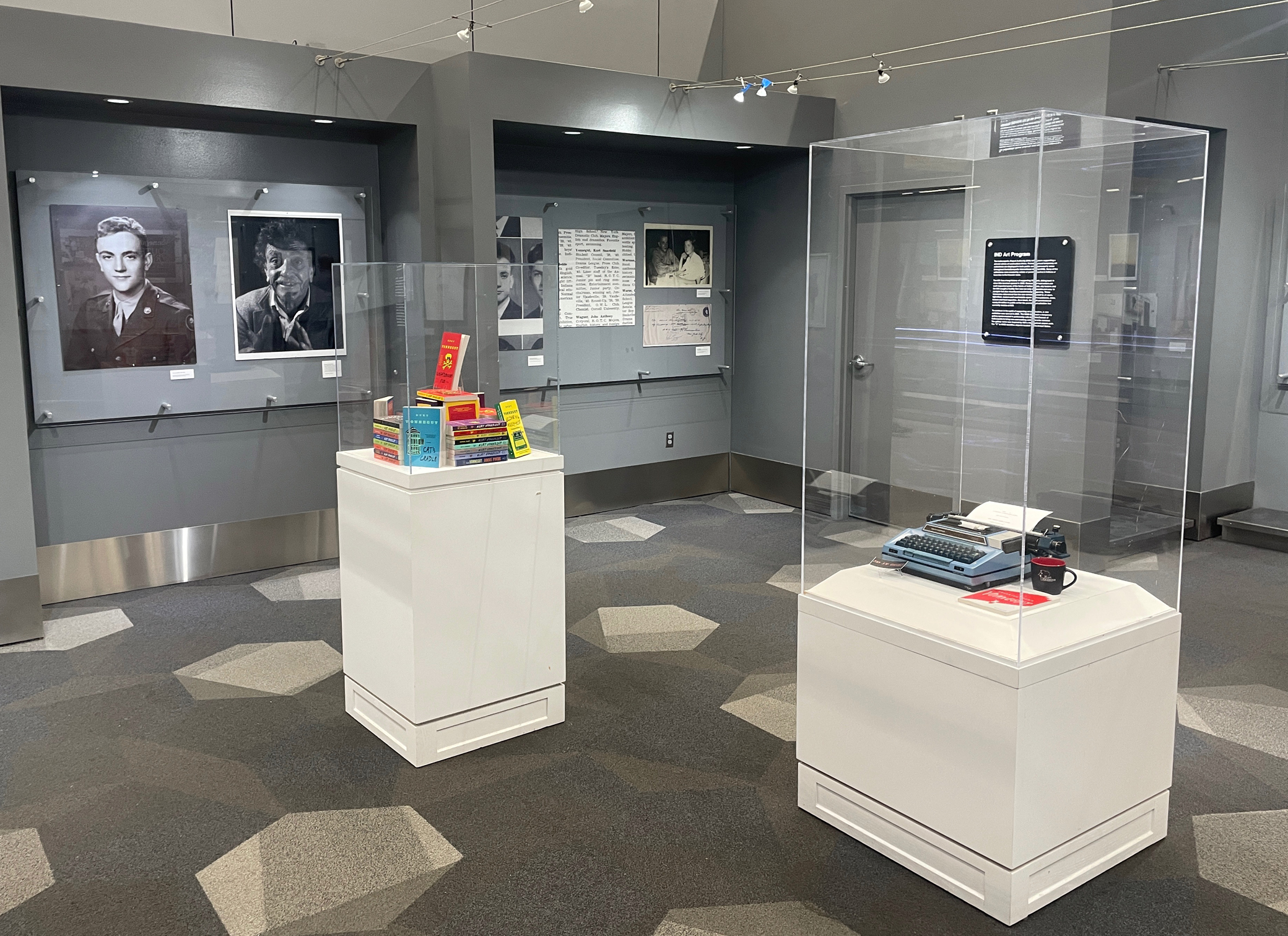
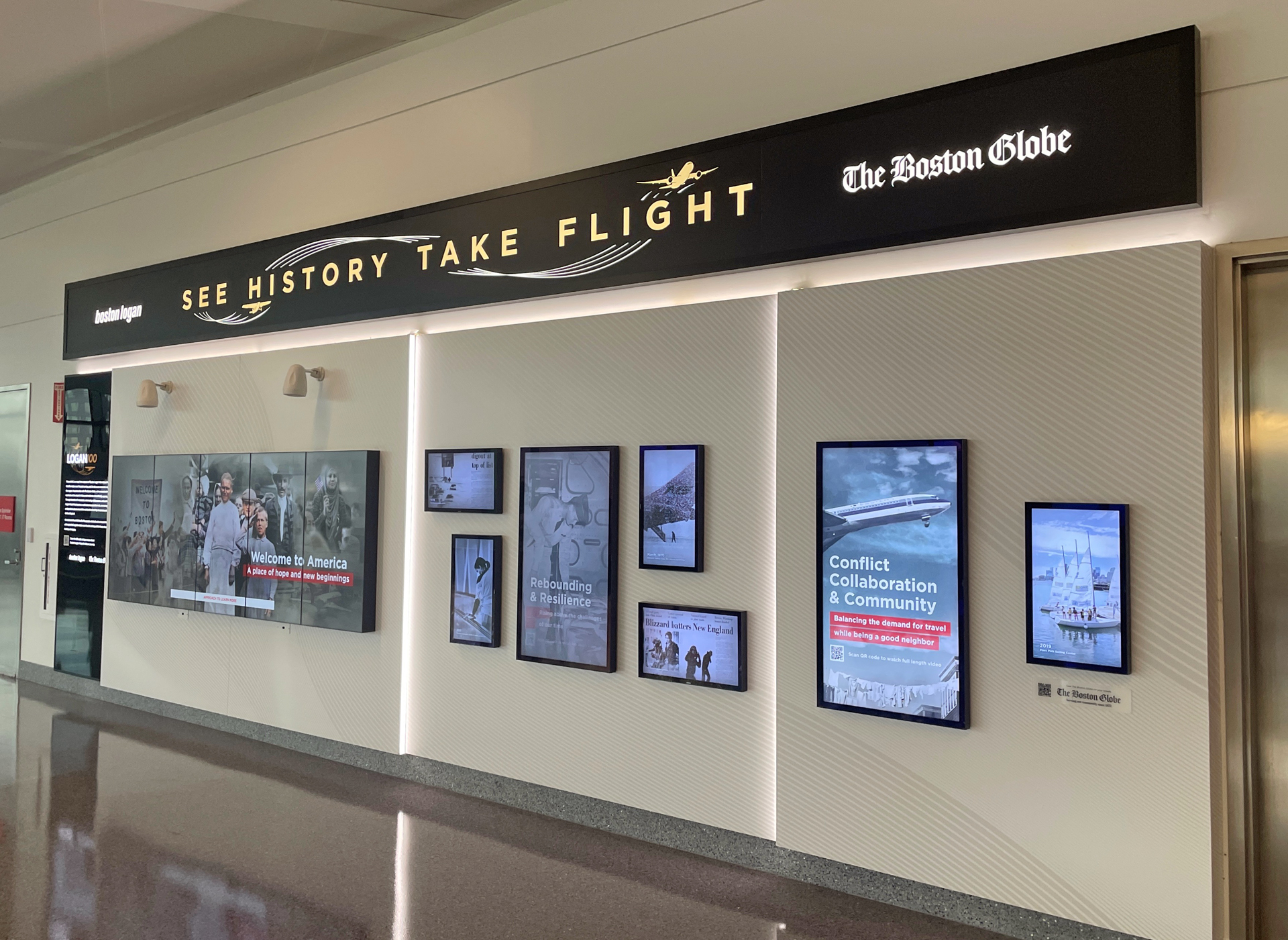
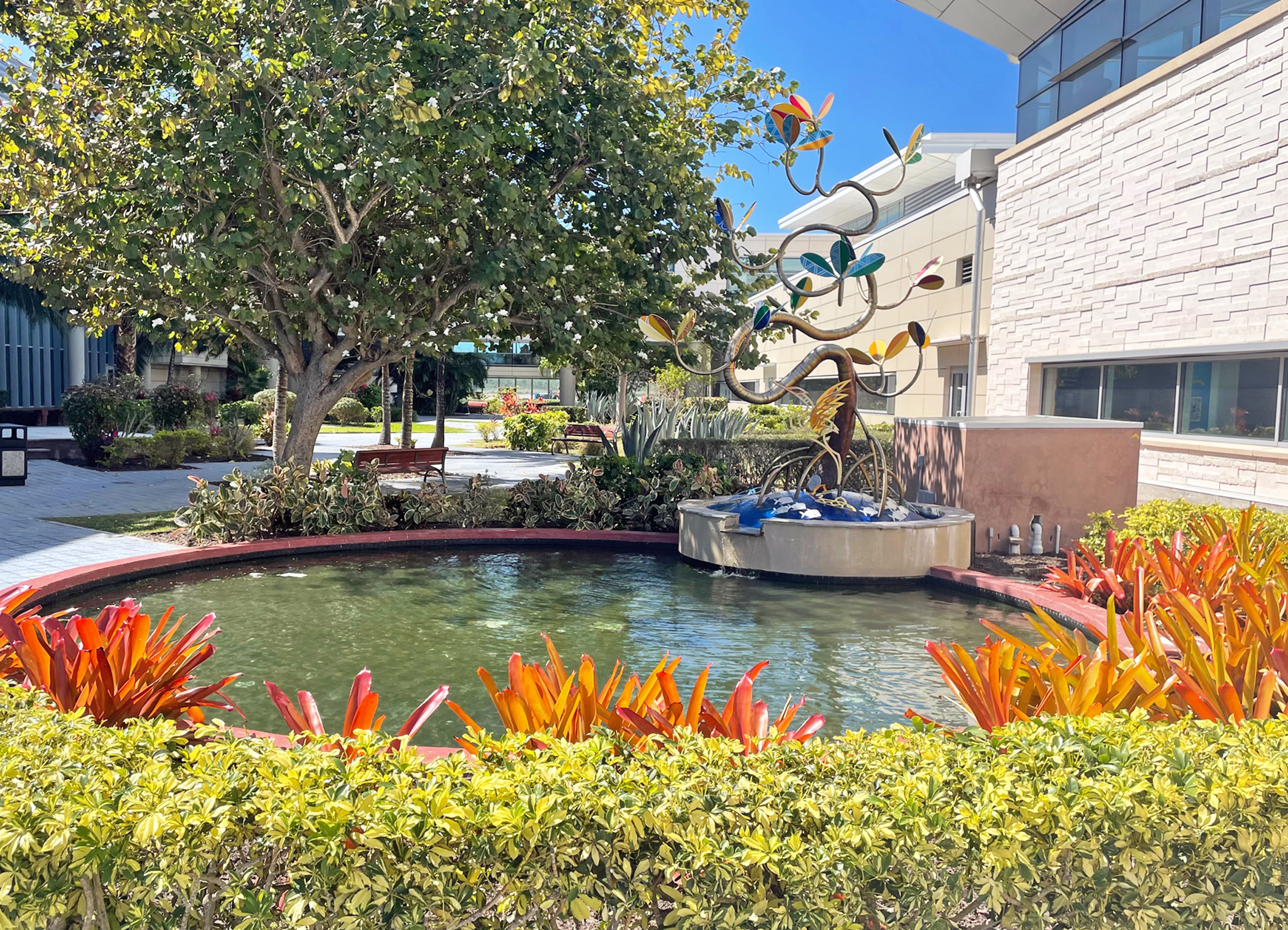
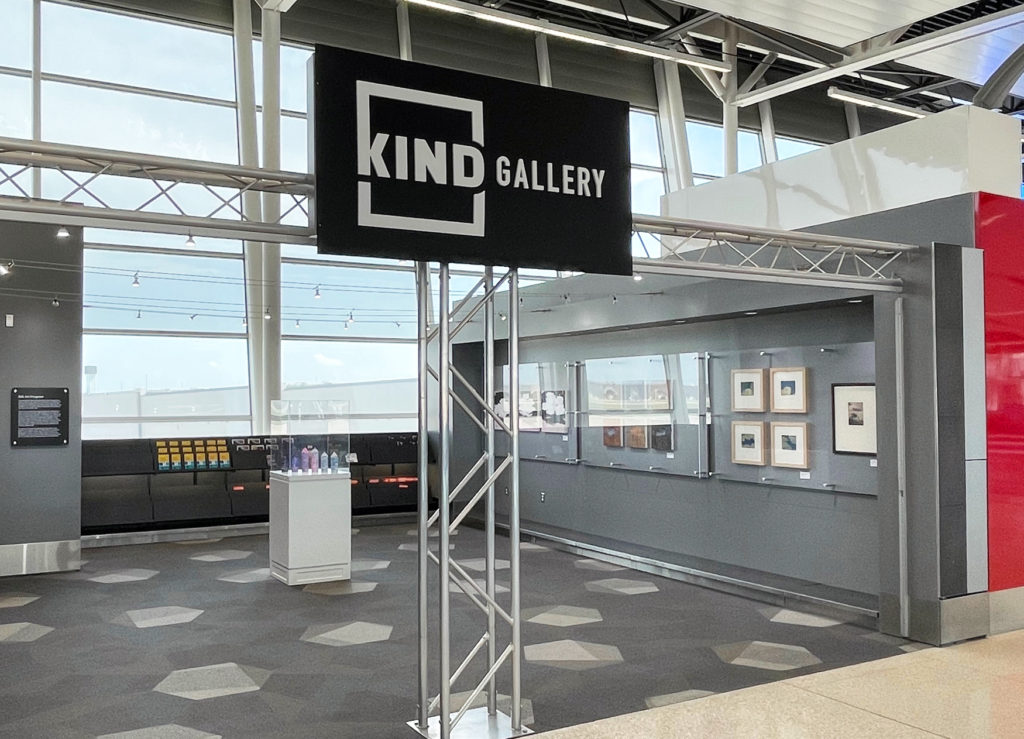
Patrick Smith's recurring "Hidden Airport" feature at AskThePilot.com documents an often-overlooked dimension of commercial aviation infrastructure: the deliberate, if uneven, effort by major airports to humanize terminal environments that are architecturally and operationally hostile by default. Smith's latest installment surveys six airports — Charles de Gaulle, Amsterdam Schiphol, Boston Logan, Indianapolis International, JFK, and Green Bay Austin Straubel — identifying installations ranging from biophilic living walls and terrace gardens at CDG's S4 concourse to a glass floor cutaway exposing Schiphol's baggage transfer conveyors, a vintage 1980s arcade in Boston's Terminal A, a Kurt Vonnegut literary exhibit at Indianapolis's KIND Gallery, and a centennial retrospective celebrating Logan's 100 years of aviation history. These are not headline operational developments, but they represent an identifiable design and cultural programming trend across airports of widely varying size and type.
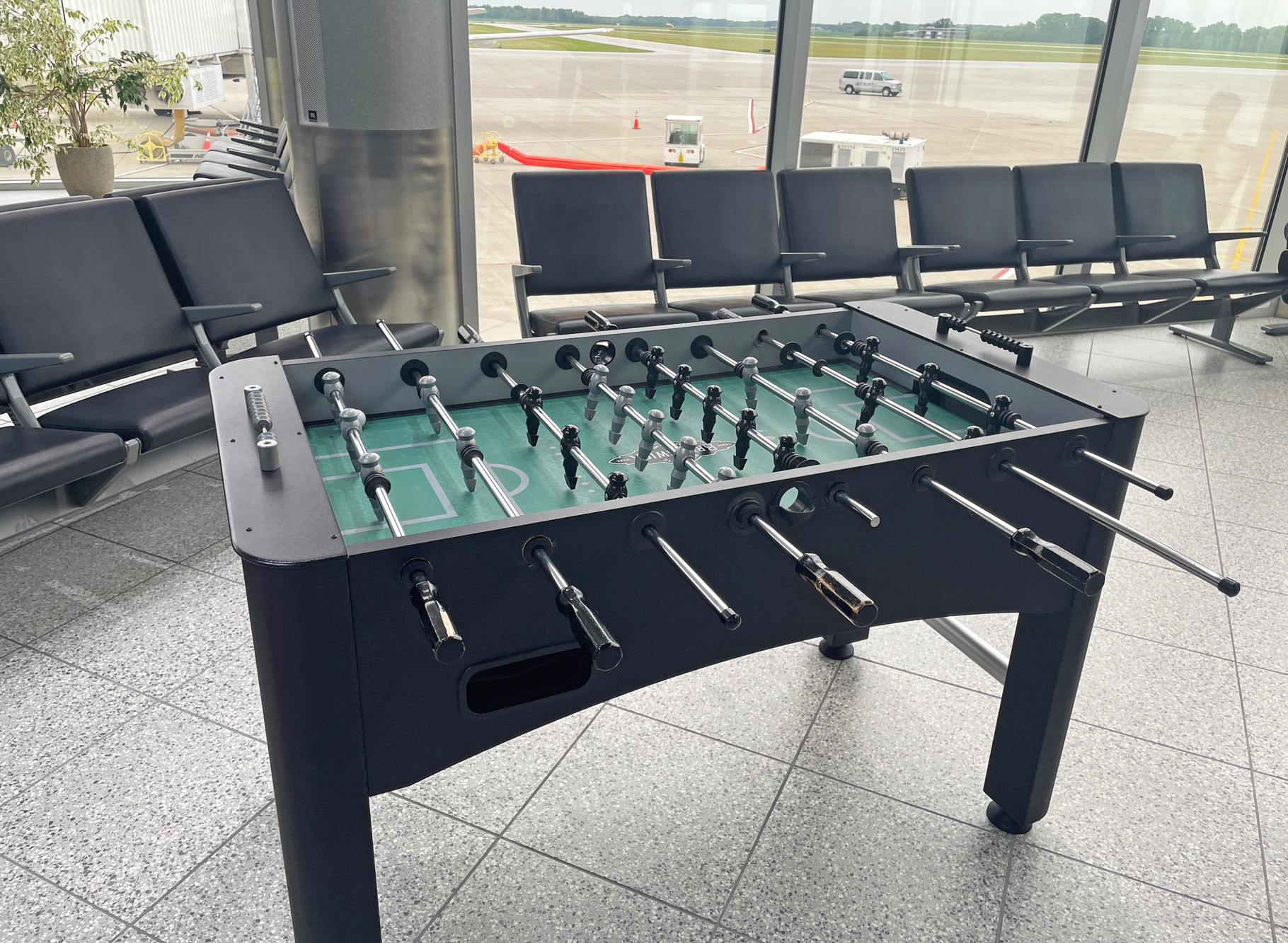
For working airline and business aviation crews, airports function as repetitive workplaces rather than occasional destinations, and the psychological texture of those environments carries real operational and human factors significance. Smith — himself a line pilot flying Boeing 757s and 767s on domestic and international routes — writes from a perspective that reflects sustained professional familiarity with these spaces, noting the CDG installations with the matter-of-fact appreciation of someone who transits the S4 concourse with regularity. For crews operating long international turns, transiting hub airports on positioning legs, or holding ground time during charter or cargo operations, the presence of even modest environmental amenity — natural light, greenery, cultural content — functions as low-cost cognitive recovery space. The Green Bay foosball table, encountered while Smith was operating a charter flight positioning the Packers to Denver, illustrates that these features appear across the airport system spectrum, not only at flagship international gateways.
The broader trend Smith is documenting, even if obliquely, is the increasing adoption of biophilic design principles and cultural programming in terminal architecture. Living walls and terrace gardens — the CDG S4 installations Smith highlights — represent a design movement that gained significant traction in European airport development through the 2010s and 2020s, with Changi Airport's indoor gardens serving as the benchmark. The Schiphol baggage conveyor window is a different category: operational transparency presented as passenger entertainment, a gesture that reflects Schiphol's historically passenger-centric design philosophy and its long-standing reputation as among the most navigable major hub airports in the world. Both approaches — biophilic softening and operational demystification — reflect a response to airports' chronic failure to compete as destinations in their own right rather than mere transit nodes.
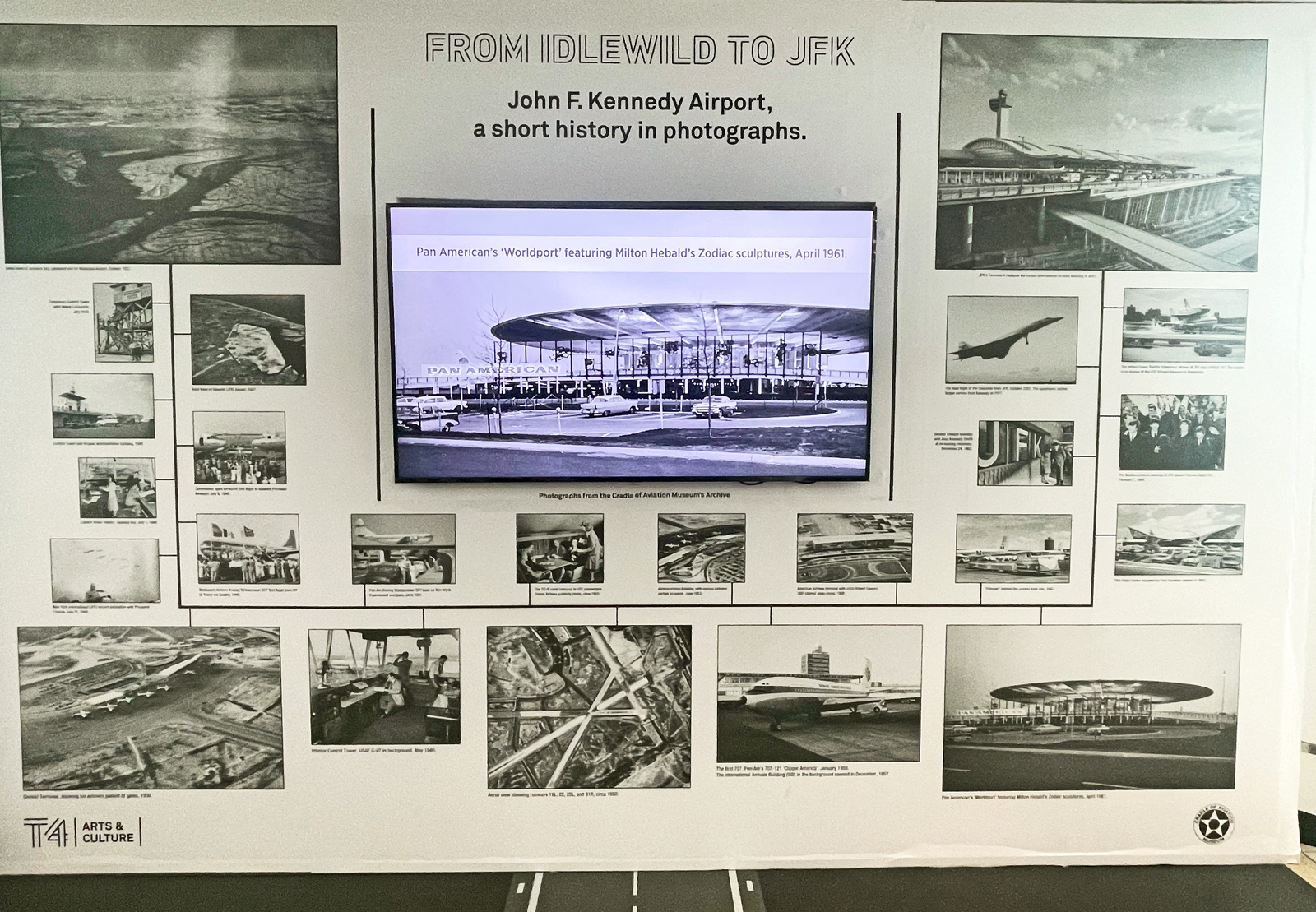
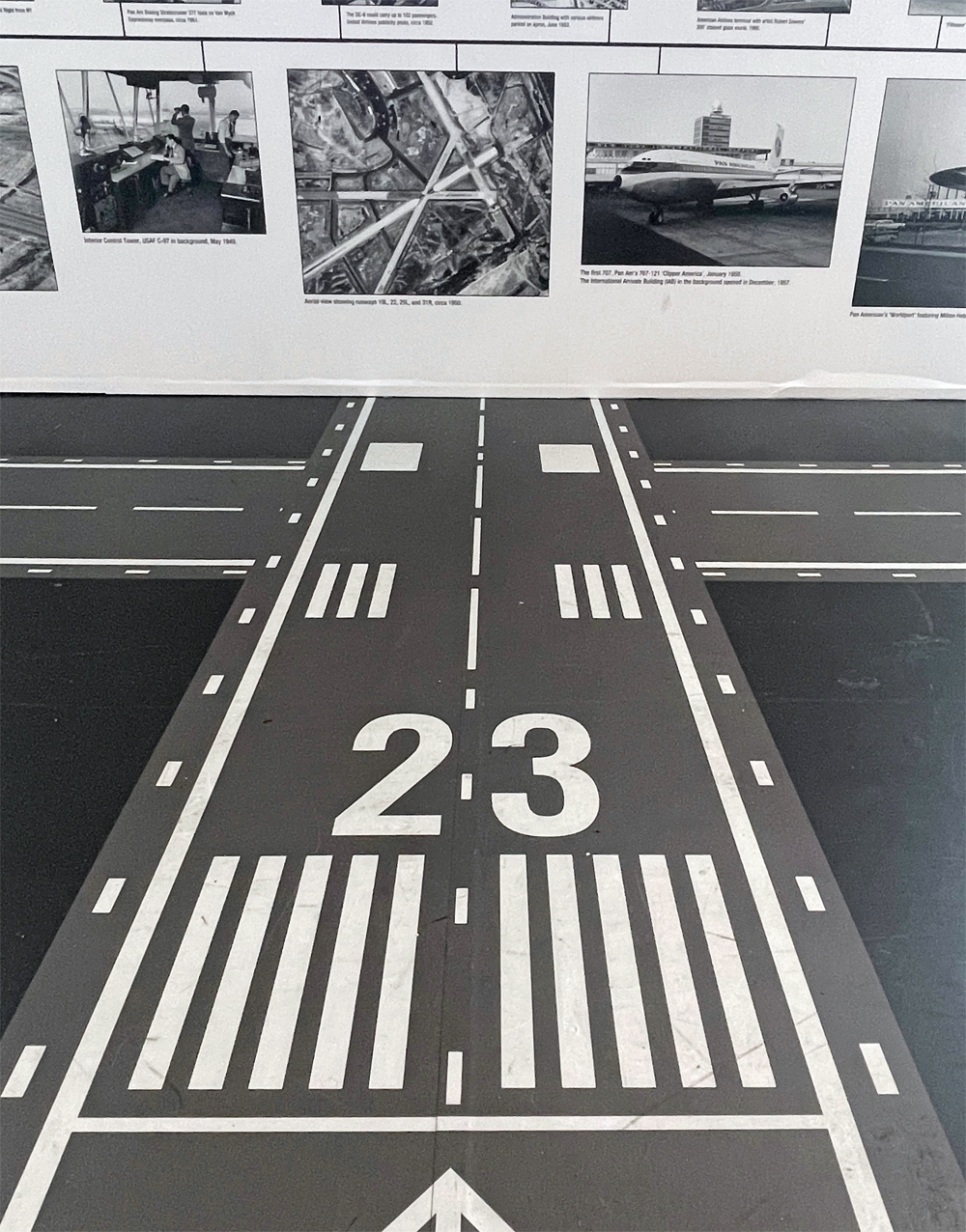
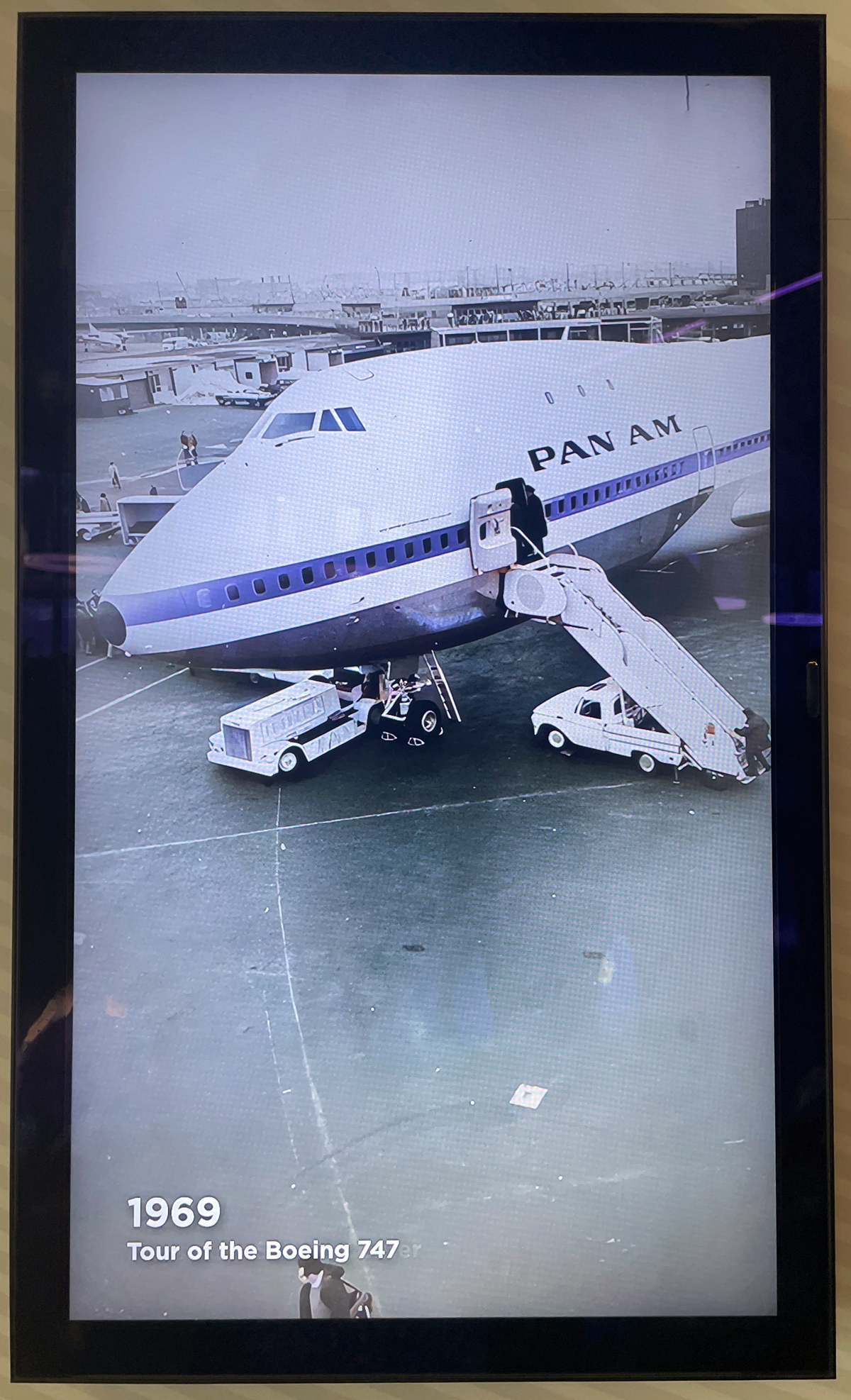
Smith's critique of the JFK "From Idlewild to JFK" exhibit — characterizing it as "a bit half-assed" and noting the inexplicable omission of I.M. Pei's Sundrome terminal from an airport history installation — points to a persistent tension in airport cultural programming between ambition and execution. JFK is, as Smith observes, arguably the most historically significant commercial airport in the Western Hemisphere, having hosted the inaugural revenue jet service, the first Concorde commercial landings in the United States, and the architectural commissioning of Eero Saarinen's TWA Flight Center, now reconstituted as a hotel. That the airport's own historical self-presentation falls short of the institution's stature is consistent with the broader dysfunction that has long characterized JFK's passenger experience — an irony not lost on pilots who operate there regularly and are well acquainted with the airport's operational complexity and infrastructure fragmentation. The Logan 100 exhibit, by contrast, draws Smith's more genuine enthusiasm, connecting to the civic identity Boston residents and the airport's operator, Massport, have historically invested in a facility that sits unusually close to the urban core it serves.
The value of Smith's "Hidden Airport" series to a professional aviation audience lies less in its individual discoveries than in its cumulative argument: that airports are built and maintained environments whose quality of experience reflects deliberate choices by operators and designers, and that those choices have measurable effects on the people — crews and passengers alike — who inhabit them for significant portions of their working and traveling lives. As airport infrastructure investment accelerates globally, driven by post-pandemic traffic recovery and fleet renewal cycles that are bringing new aircraft types into markets that require upgraded ground infrastructure to support them, the question of how terminals function as human environments is increasingly integrated into capital planning conversations. Smith's ground-level documentation of what works, what fails, and what gets overlooked provides a practitioner's perspective that complements the architectural and operational data driving those investments.





















 Read original article