Only 9 Airlines Operate The Airbus A380 With A First Class Cabin: Here Is How Much A Ticket Costs
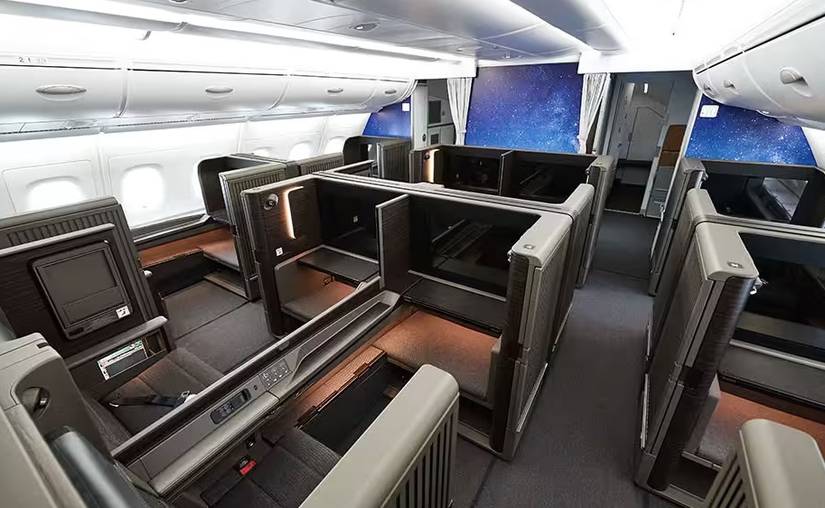
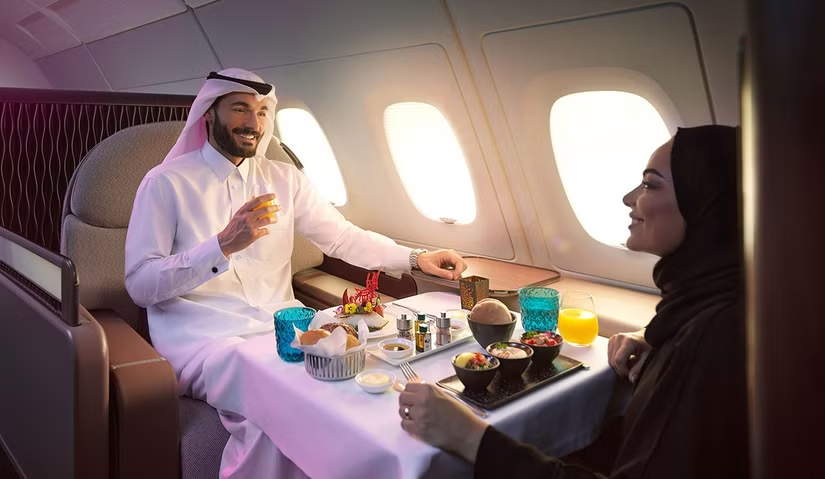
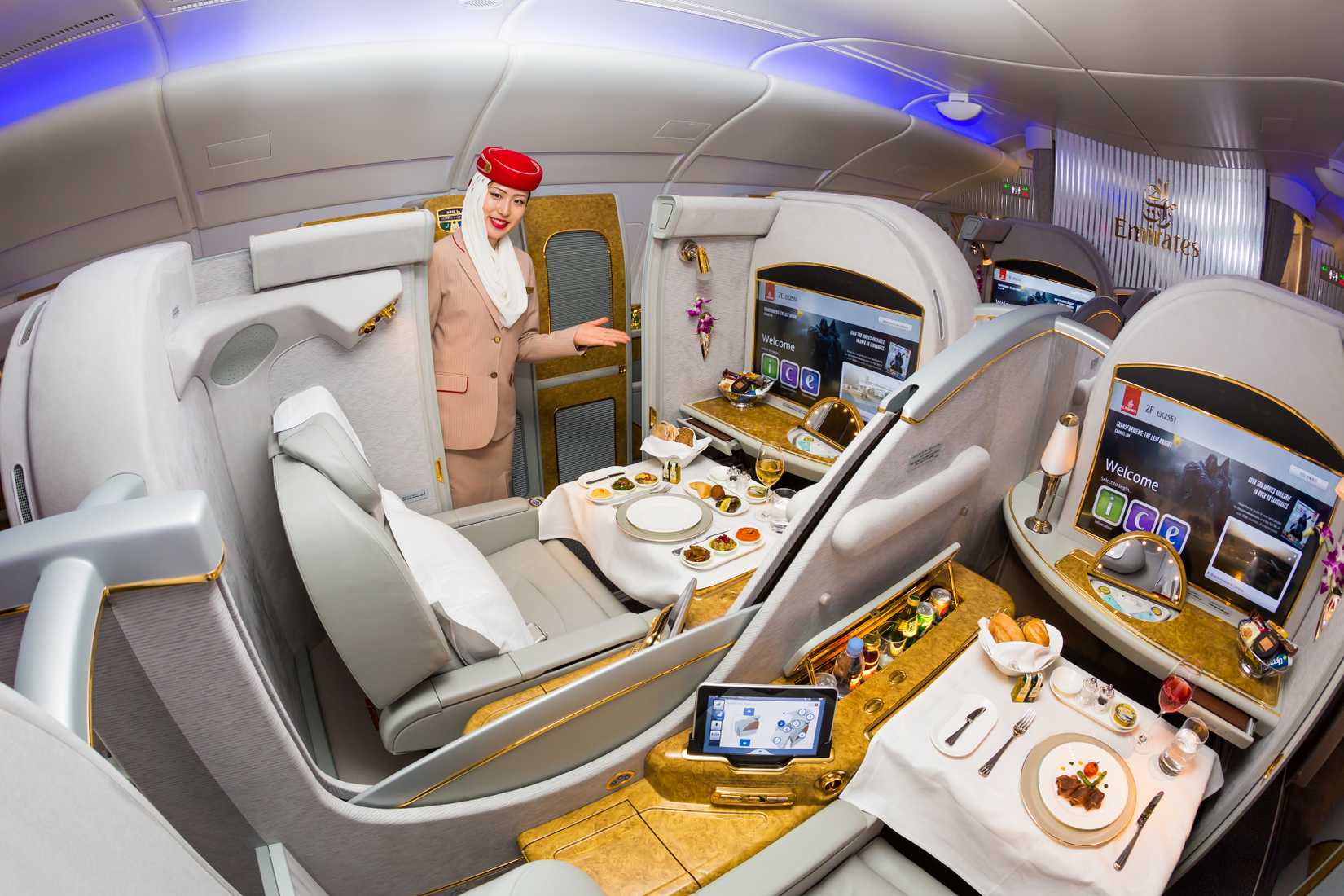
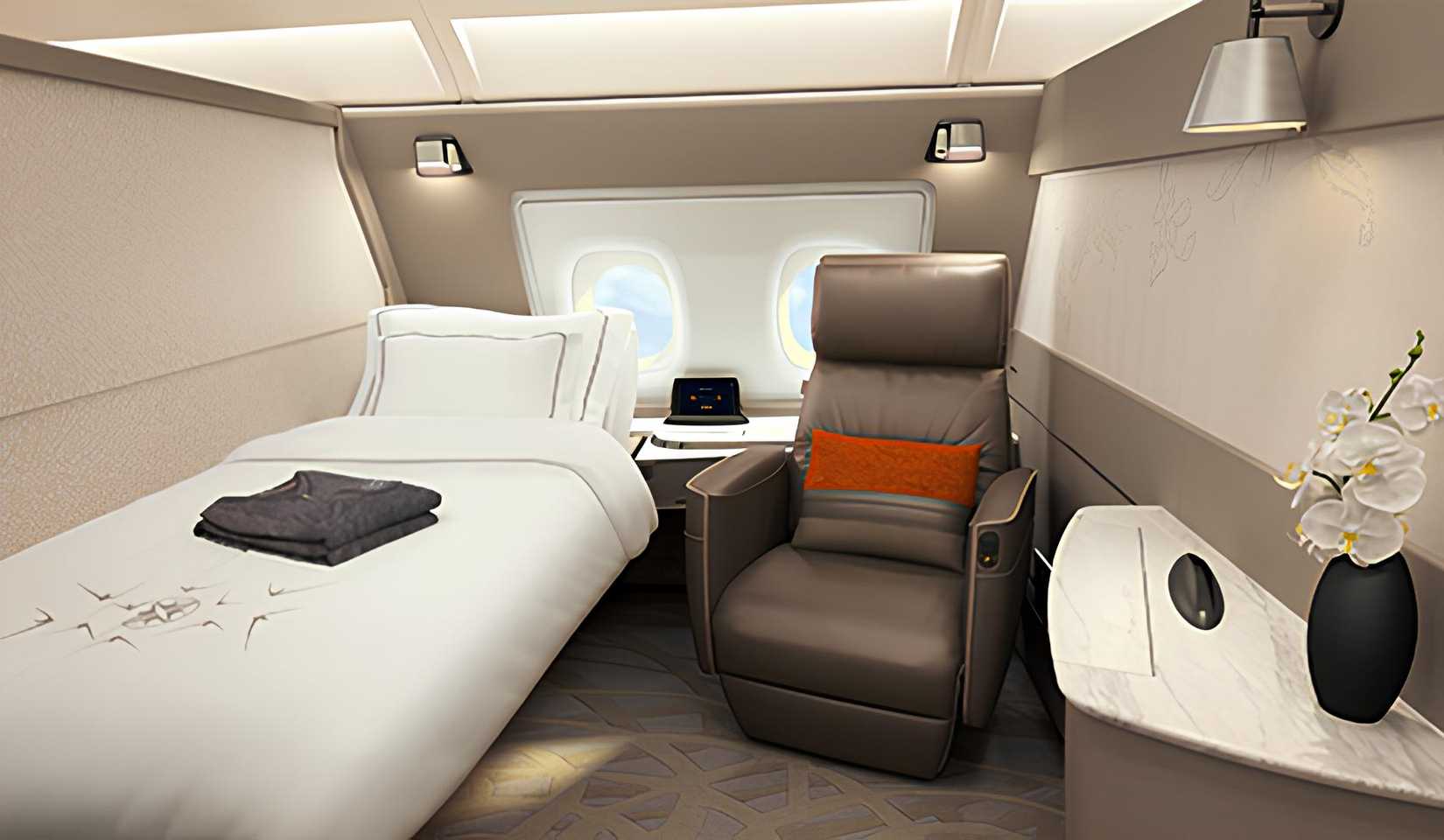
The Airbus A380's continued operation in 2026 has become inextricably linked to the survival of genuine first-class air travel, with only nine carriers worldwide maintaining both the aircraft type and a true first-class product simultaneously. Of the 159 A380s currently in service, the vast majority have seen their first-class cabins either removed entirely or downgraded to premium business configurations, reflecting a broader industry trend away from the four-cabin model that once defined long-haul premium aviation. The carriers still offering the product span a wide spectrum of hardware quality and pricing, from Korean Air's aging but service-rich Kosmo Suites — priced asymmetrically between $5,000 departing Seoul and over $16,000 departing the United States — to more technologically current enclosed-suite products on Asian and Middle Eastern carriers. British Airways represents perhaps the most transitionally interesting case, with a retrofit program underway that will shrink its A380 first-class cabin from 14 open-shell seats to fully enclosed suites by late 2026, reducing total aircraft capacity from 469 to approximately 421 seats in the process.
For professional pilots operating in the corporate and charter space, the practical significance of this landscape extends beyond passenger curiosity. Flight departments and travel managers routing senior executives on transoceanic missions — particularly on city pairs like JFK–ICN, NRT–HNL, or LHR–LAX — increasingly encounter a market where the distinction between "first class" and "business class" has become genuinely meaningful in hardware terms rather than simply a matter of fare code. ANA's Flying Honu operation on the Narita–Honolulu route illustrates the capacity constraints that affect premium positioning travel: three weekly frequencies across three aircraft, each carrying only eight first-class suites, means availability is structurally limited regardless of budget. Korean Air's pricing asymmetry — where the same cabin costs more than three times as much departing the U.S. than departing Korea — also has direct relevance to scheduling decisions for corporate operators whose executives travel multidirectional itineraries across the Pacific.
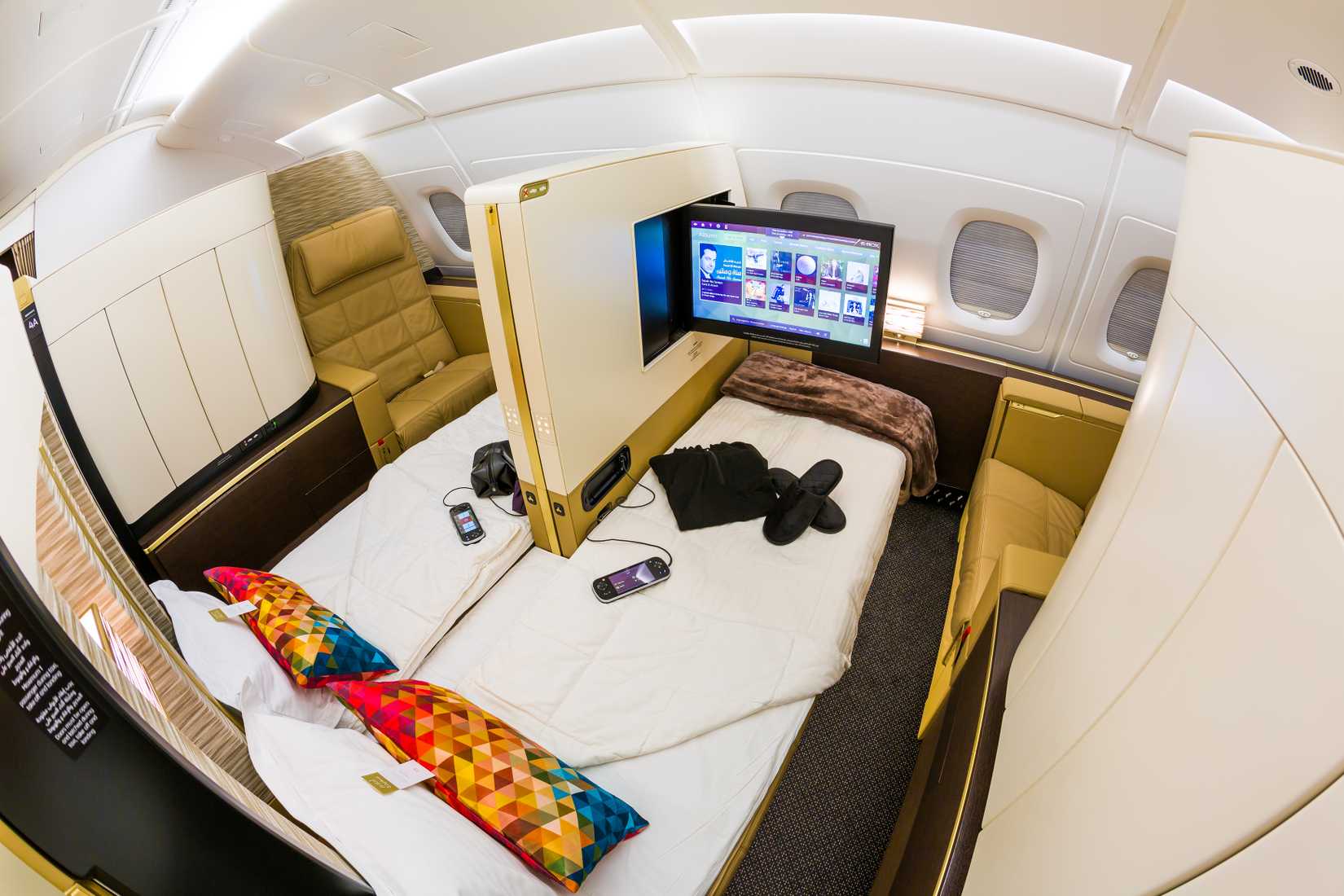
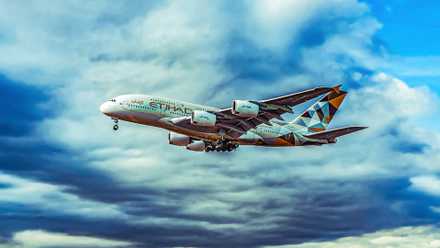
The broader trend these nine airlines represent is a gradual consolidation of ultra-premium air travel onto a shrinking number of routes and aircraft types, with the A380 serving as a de facto last refuge for the format. As legacy widebody fleets transition toward more fuel-efficient twin-engine alternatives such as the Boeing 777X and Airbus A350, the physical volume that made the A380 viable for four-cabin configurations becomes unavailable on replacement equipment. Airlines like Emirates, Singapore, and Etihad — which are not fully covered in the available article text but are understood to be among the nine operators — have maintained first class partly because their hub-and-spoke business models depend on differentiated premium revenue at scale, a structural condition that most North American and European network carriers no longer sustain. British Airways' decision to invest in enclosed suites rather than retire the product reflects a deliberate strategic bet that the LHR origin market can still command sufficient yield to justify the hardware investment.
For operators tracking fleet and cabin evolution as part of competitive intelligence or passenger experience benchmarking, 2026 marks a meaningful inflection point. The A380 first-class segment is not growing — it is contracting in seat count while simultaneously improving in quality on the carriers that retain it. The result is a product that is simultaneously rarer and, in many cases, more capable than it was five years ago, creating a bifurcated market where ultra-premium passengers face meaningful trade-offs between availability, routing convenience, and cabin generation. Aviation professionals advising executive travelers or managing corporate travel programs will find that route-specific research has become increasingly essential, as the same airline may offer materially different hard products across its own fleet depending on aircraft sub-variant and retrofit status.














 Read original article