AskThePilot.com
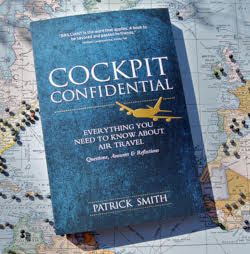
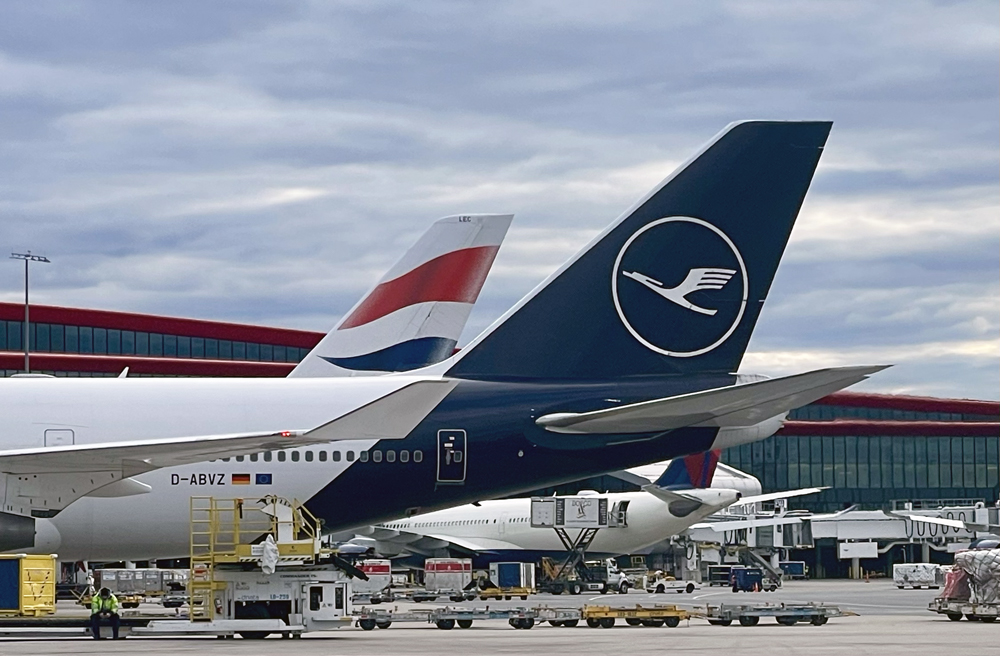
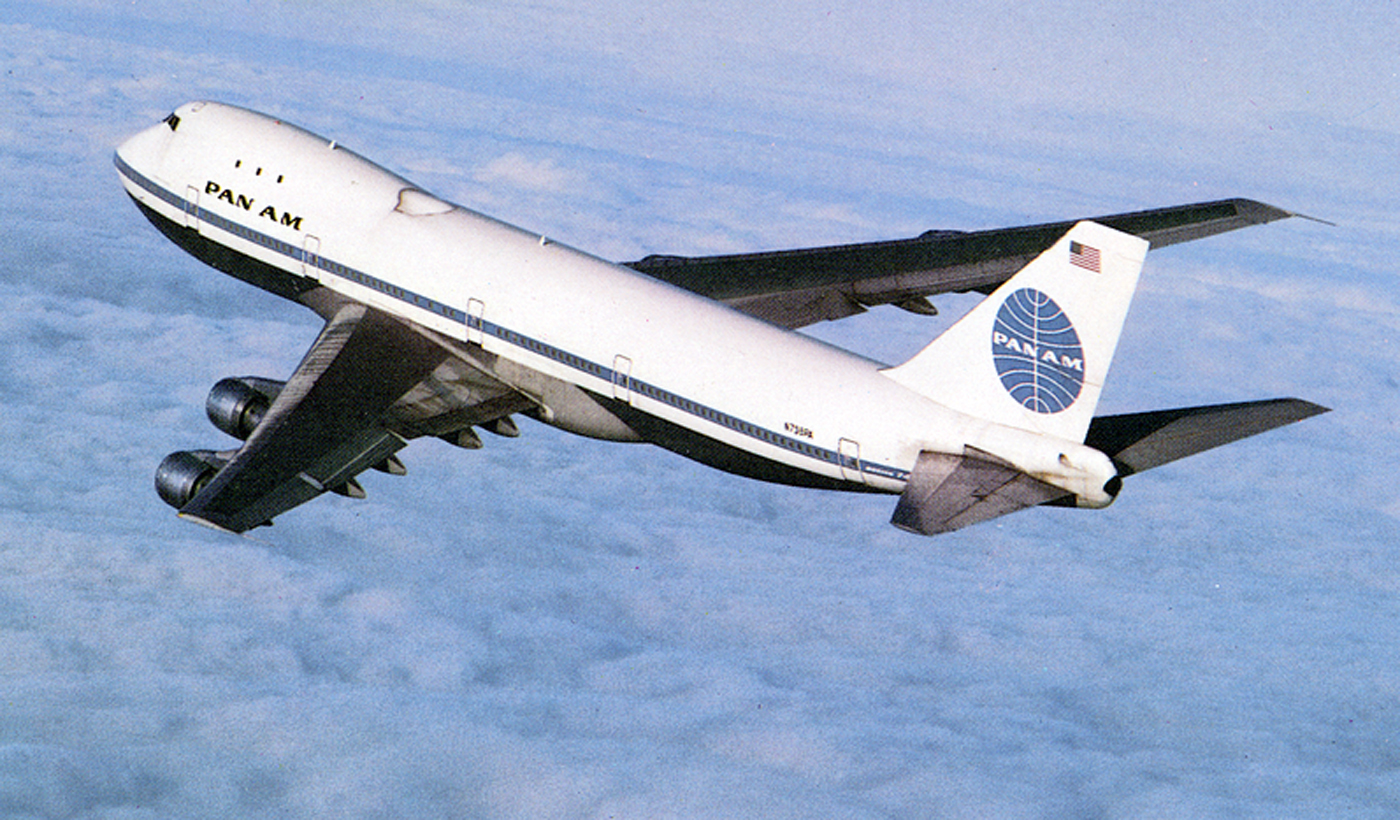
Patrick Smith's AskThePilot.com Express Blog, maintained by an active airline pilot flying Boeing 757 and 767 equipment, serves as a practitioner's commentary on aviation history, operations, and policy — blending firsthand observation with broader industry analysis. Among the most operationally significant entries in the recent run is Smith's May 2026 observation that Lufthansa remains the sole major carrier operating the 747-400 variant in passenger service at Boston-Logan International, deploying the type seasonally on the Frankfurt route. Lufthansa's continuous 747 operation since 1970 represents one of the longest uninterrupted widebody relationships in commercial aviation history, and the airline's retention of the -400 variant — a type long retired by British Airways, Virgin Atlantic, and most legacy carriers — reflects both the aircraft's residual economic utility on high-density transatlantic routes and Lufthansa's deliberate fleet strategy ahead of its own transition to the 777X.
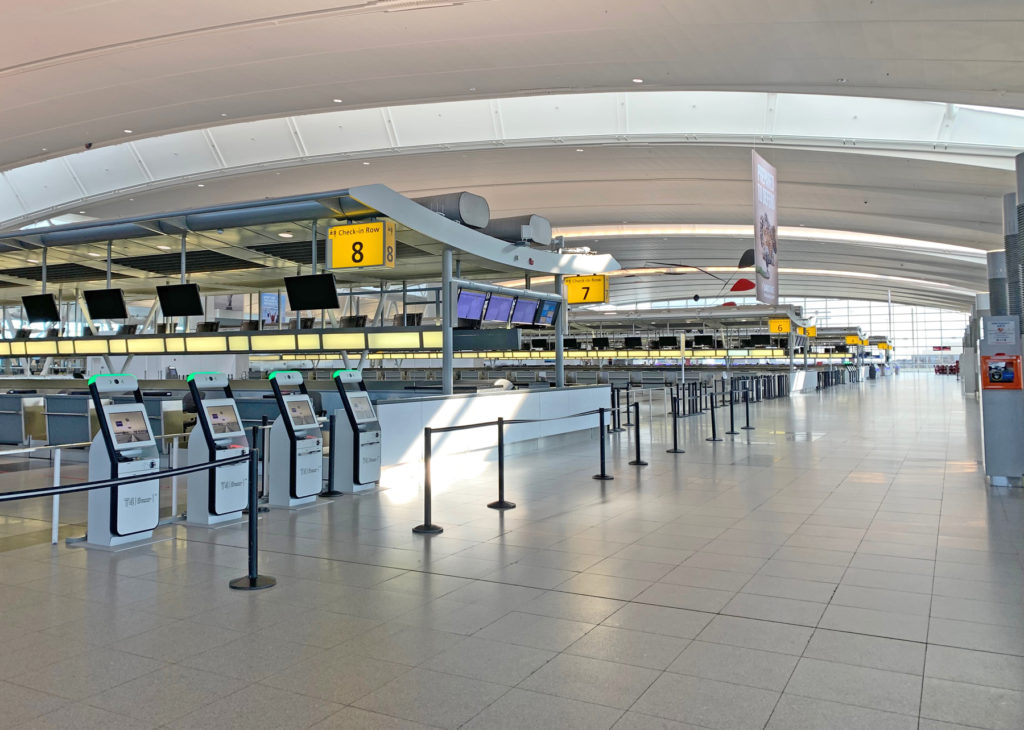
The blog's April 2026 entry on Transportation Security Administration funding carries direct relevance for aviation operators across all certificate categories. Smith argues not merely for sustained TSA funding but for a structural dismantling and reconstitution of the American airport security model — a position consistent with longstanding critiques from aviation professionals who note that post-9/11 security architecture was built reactively rather than strategically. For Part 91 and Part 135 operators, TSA-related friction primarily manifests at commercial terminals shared with airline operations, though the broader policy landscape around security theater versus intelligence-driven screening affects the operating environment for charter, fractional, and corporate flight departments navigating FBO access, SIDA badge protocols, and TSA security program compliance under the General Aviation Airport Security guidelines.
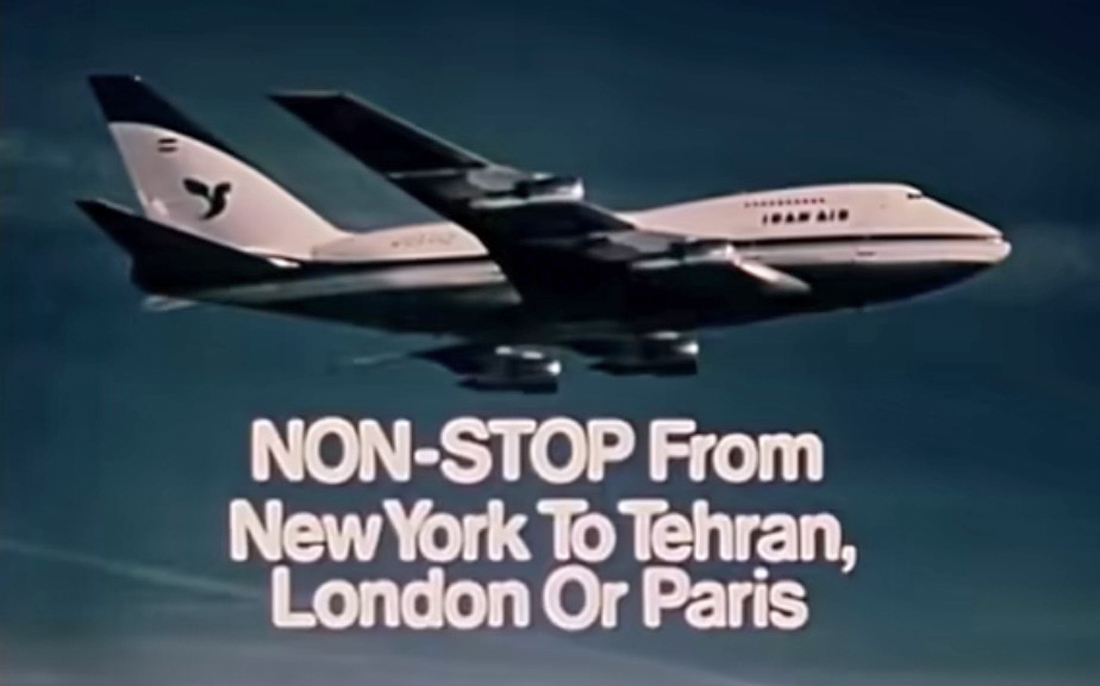
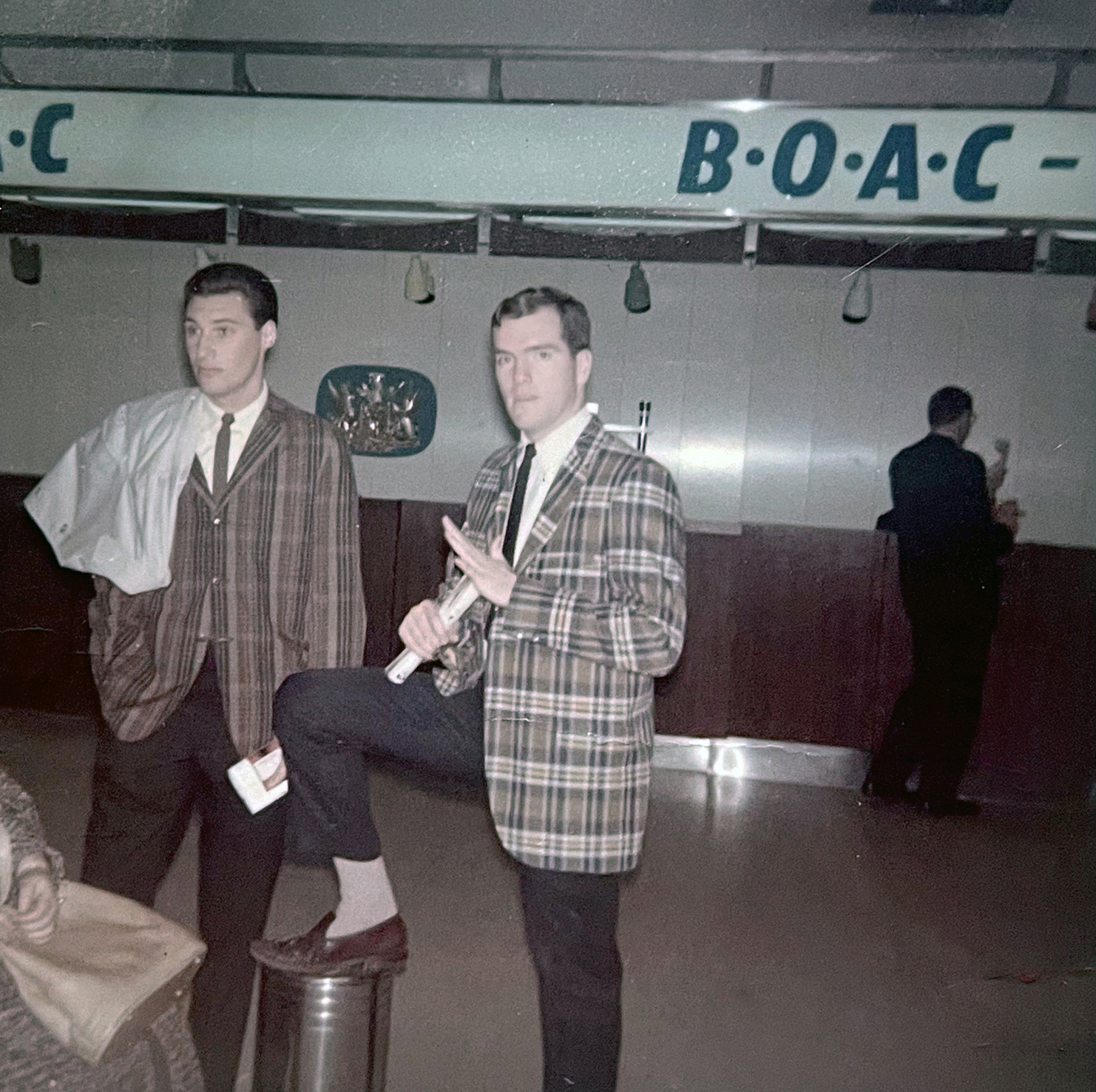
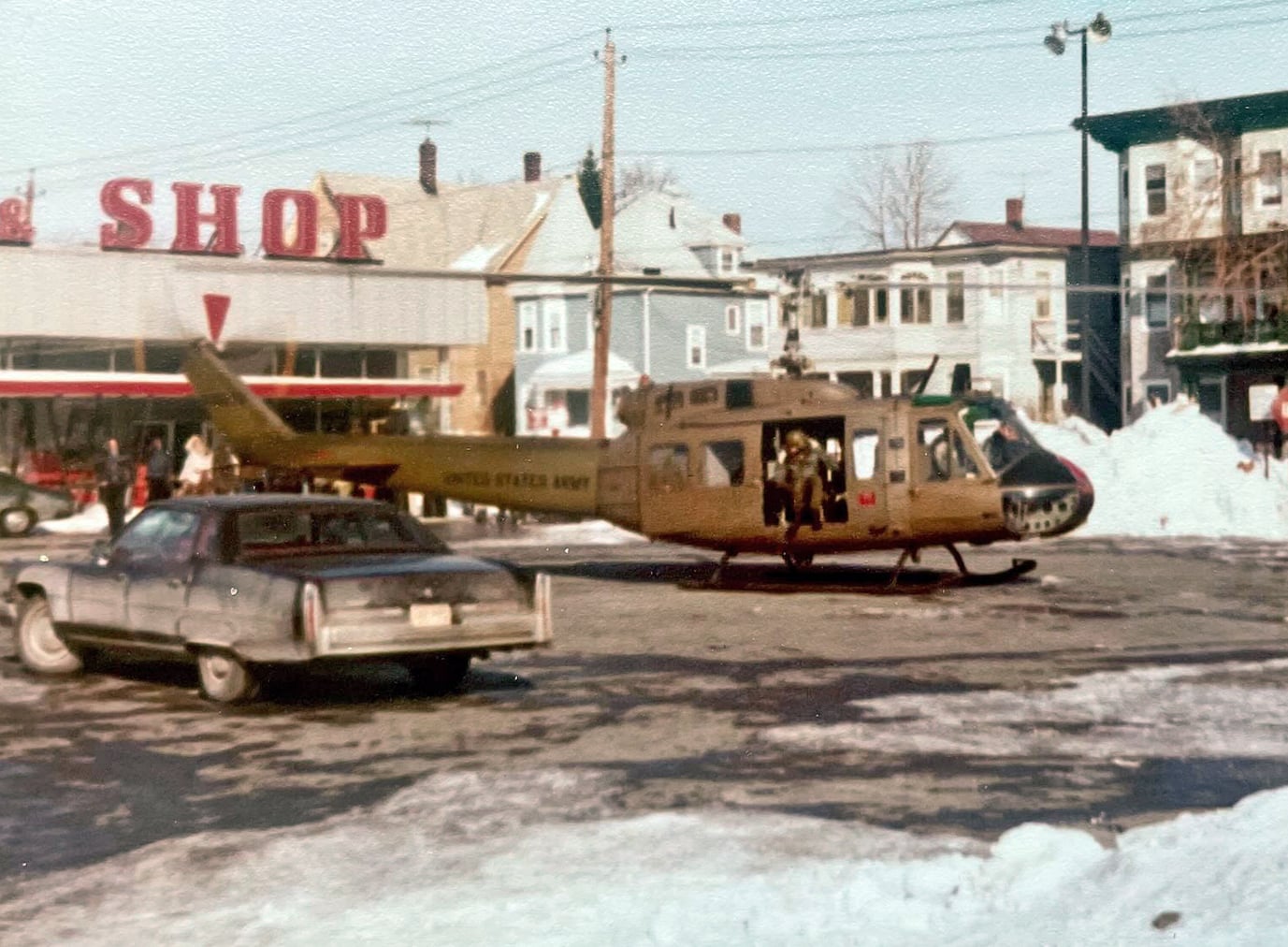
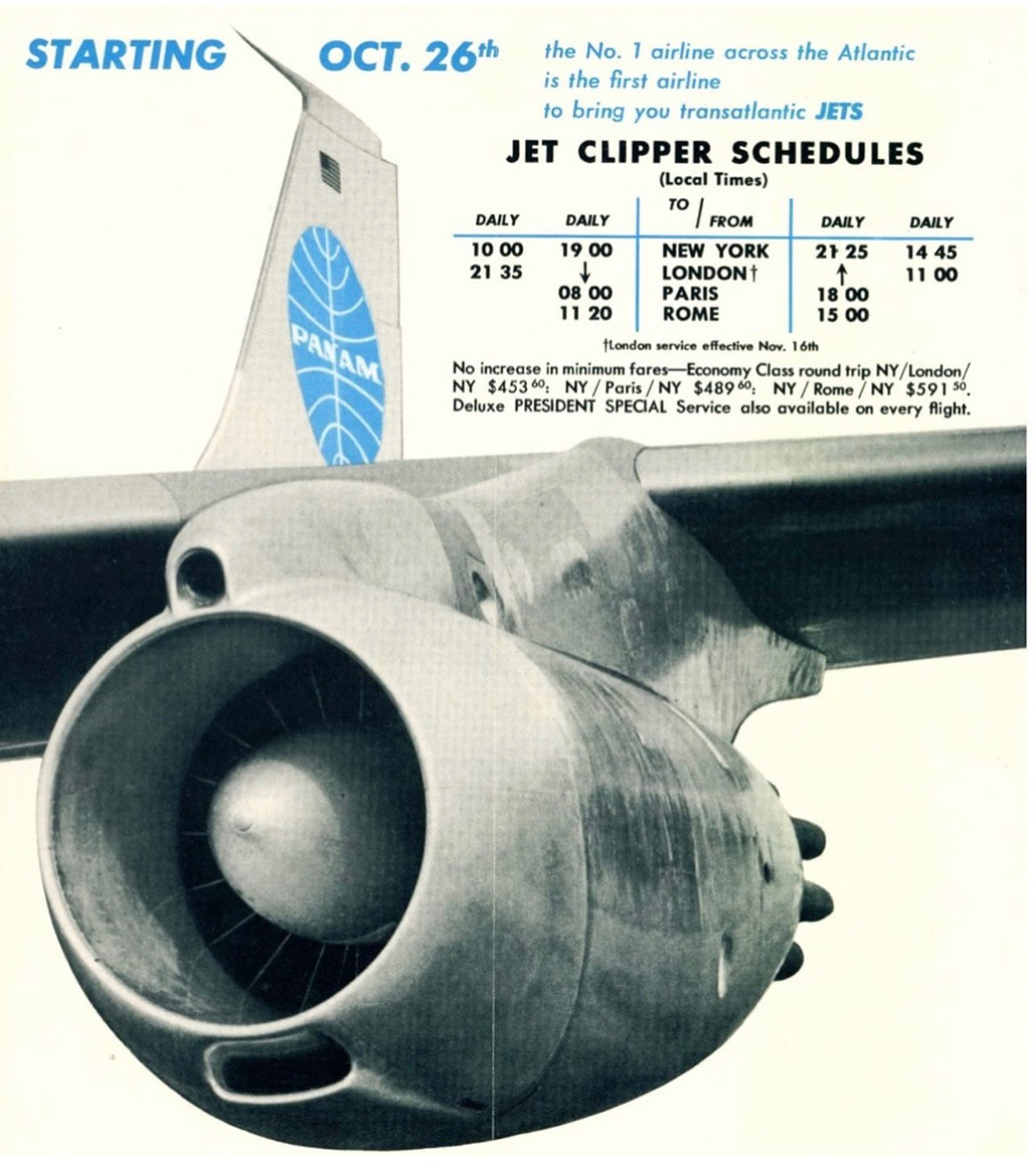
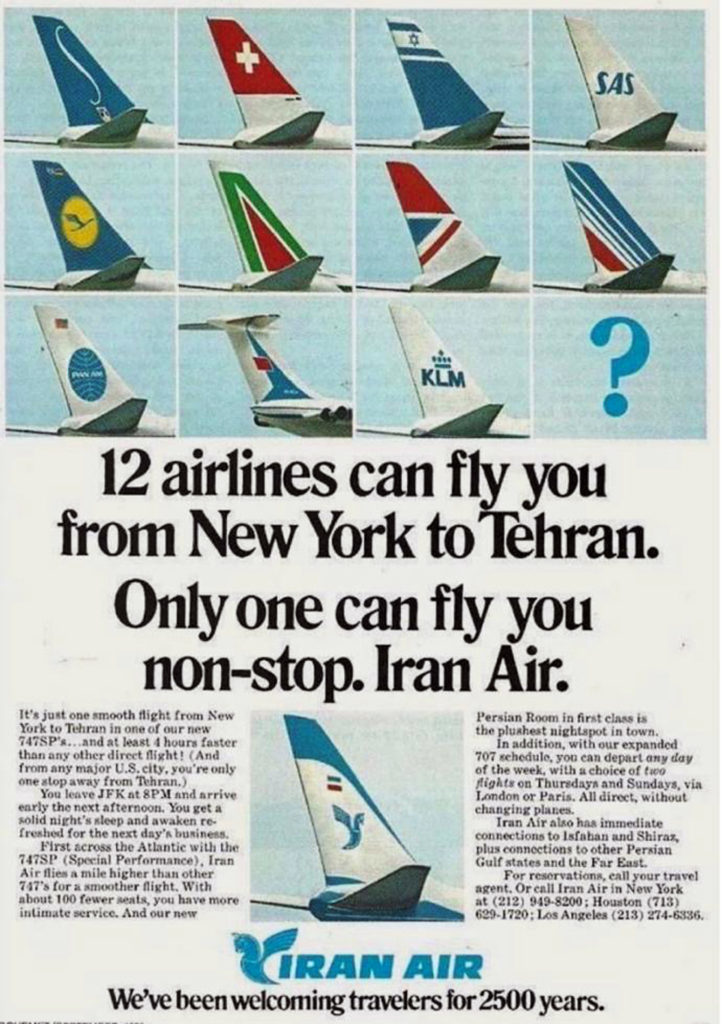
The historical content — including a 1965 photograph of BOAC operations at Logan, a late-1970s Iran Air advertisement featuring 747SP transatlantic service, and a 1978 National Guard helicopter deployment during the Blizzard of '78 — functions as institutional memory for an industry that tends toward short historical horizons. The Iran Air material is particularly instructive: in the pre-revolutionary period, the carrier operated 747-200s and the long-range 747SP on New York–Tehran routing, a commercial relationship rendered impossible by geopolitical rupture in 1979 and never restored. The BOAC photograph, situating a legacy carrier at a terminal now dominated by very different traffic patterns, illustrates how radically the international route map at secondary hubs like Boston has contracted and reconcentrated since deregulation.
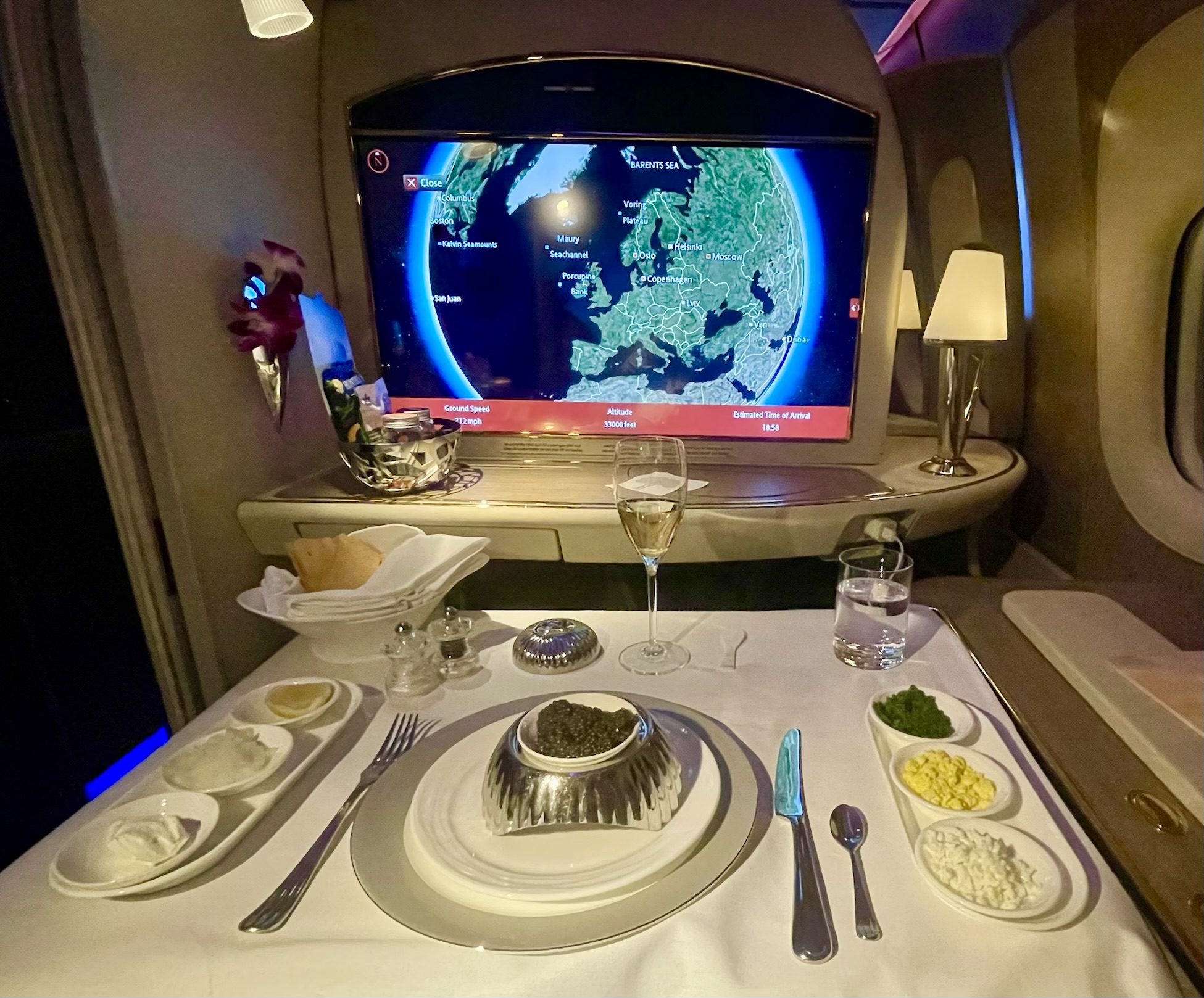
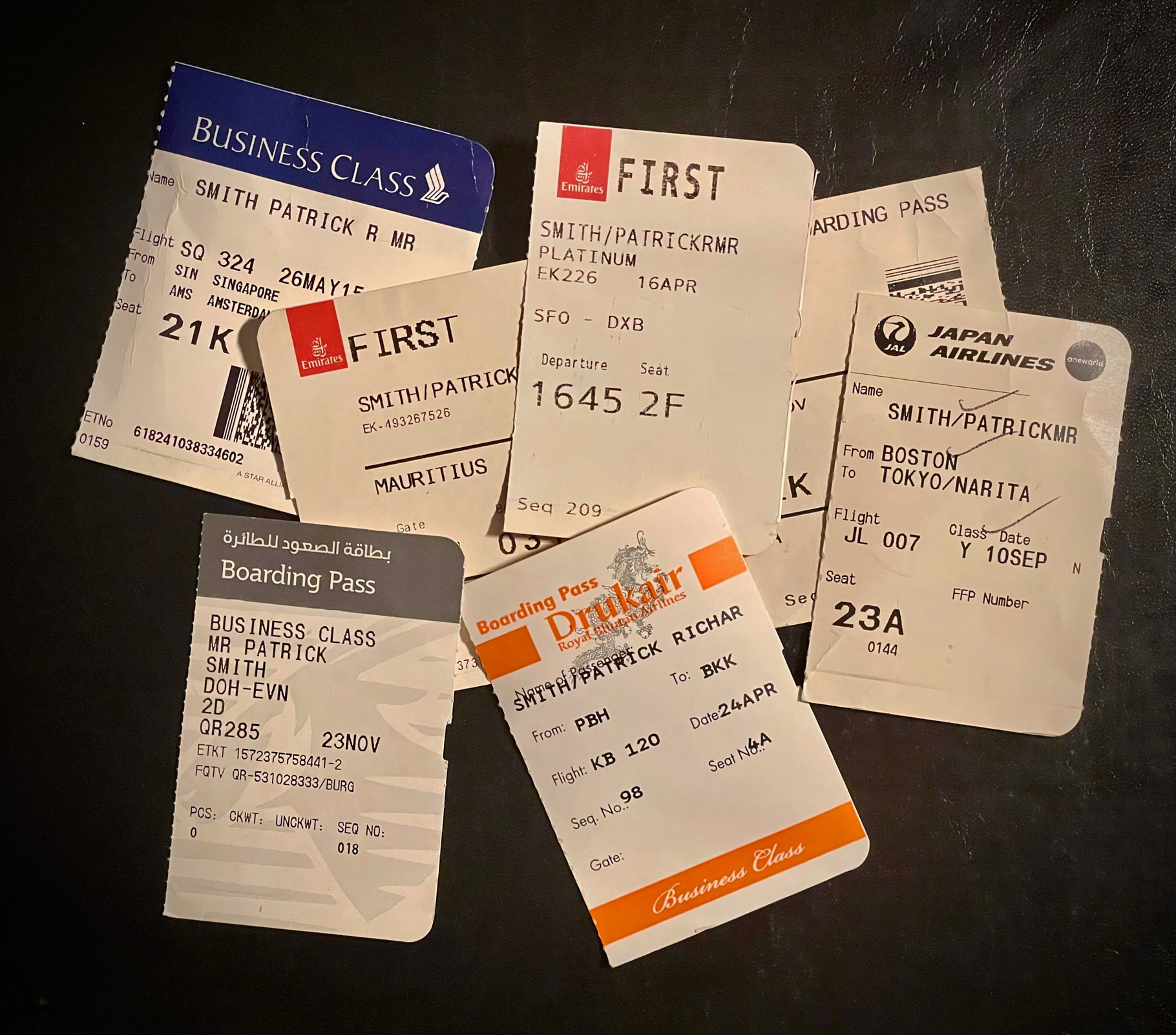
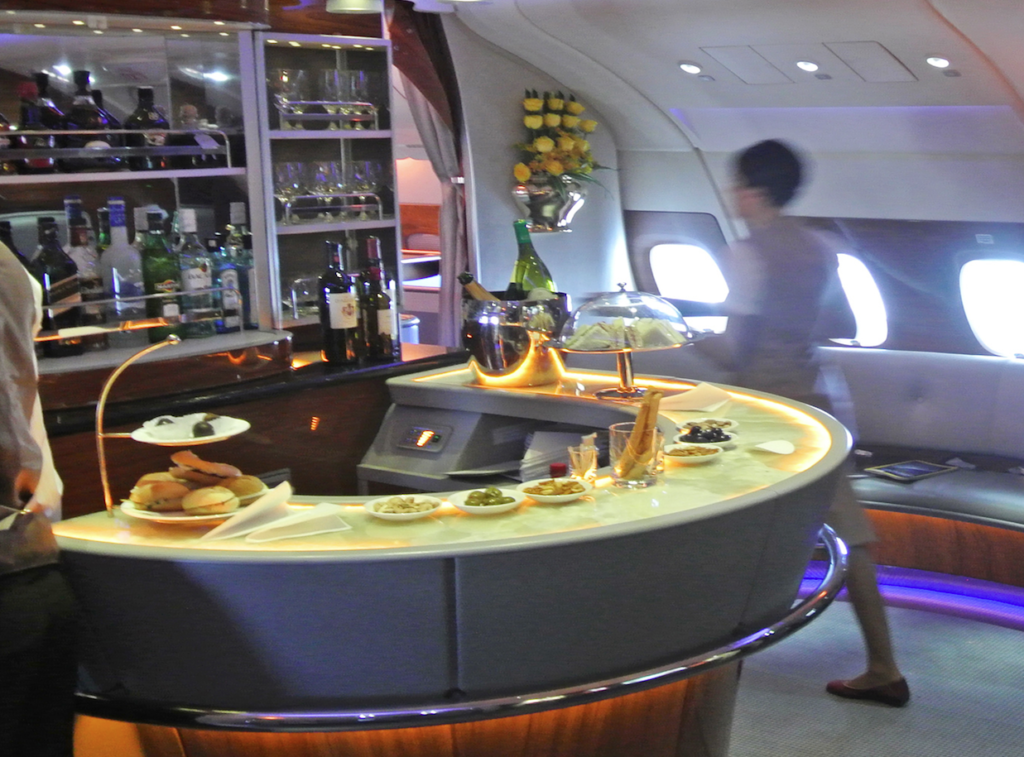
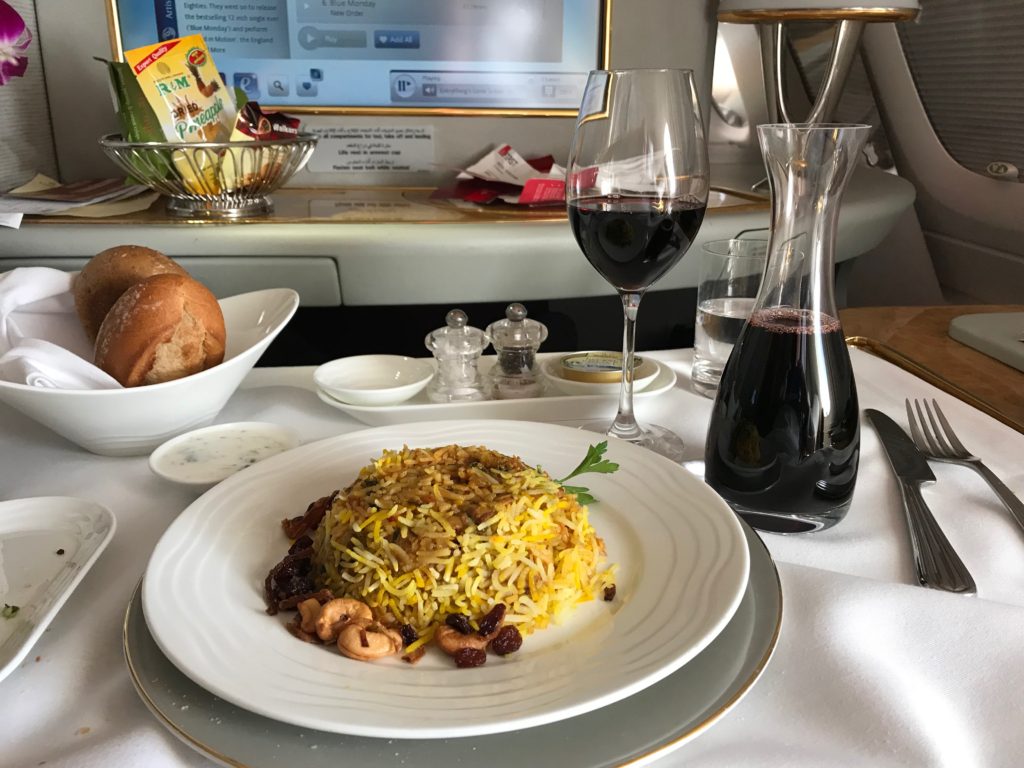
Smith's January 2026 analysis of premium cabin pricing — documenting a Qatar Airways JFK–Mumbai business class fare of $7,813 and an Emirates first class fare of $19,655 on the same routing — is directly relevant to corporate flight departments and their principal passengers who benchmark private aviation costs against commercial alternatives. At those price points, the per-seat economics of a light or midsize jet charter on comparable city-pair distances become increasingly competitive, particularly when factoring schedule flexibility, ground time savings, and the absence of commercial terminal processing. The broader trend Smith identifies — that real air travel costs have declined substantially since deregulation while ultra-premium cabin pricing has stratified sharply upward — mirrors the bifurcation evident across the broader aviation market, where ultra-low-cost carriers compress economy fares while the business aviation sector continues to absorb demand from passengers unwilling to engage with the friction of commercial travel regardless of class of service.




























 Read original article