Don't Look Up - AskThePilot.com
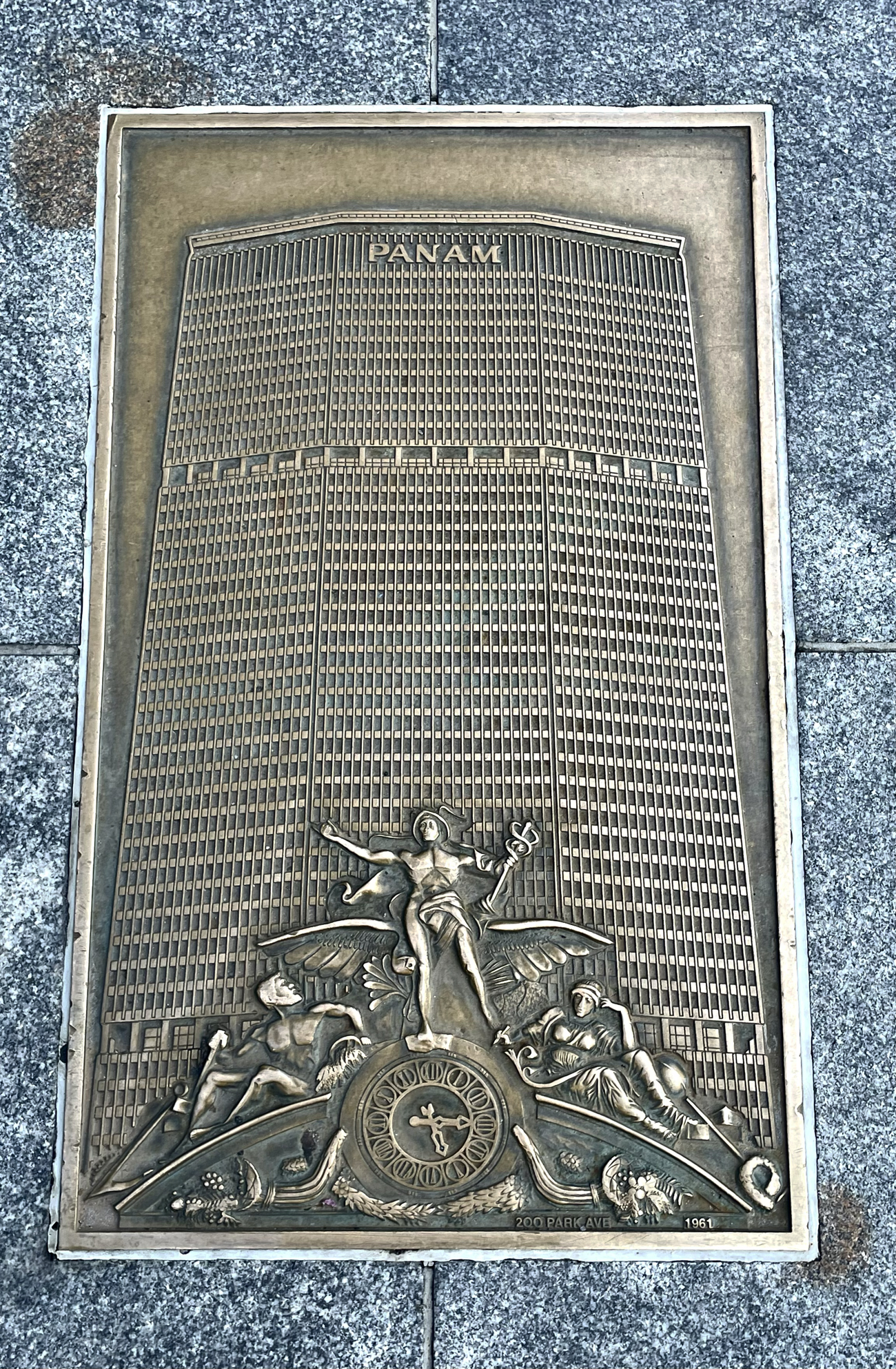
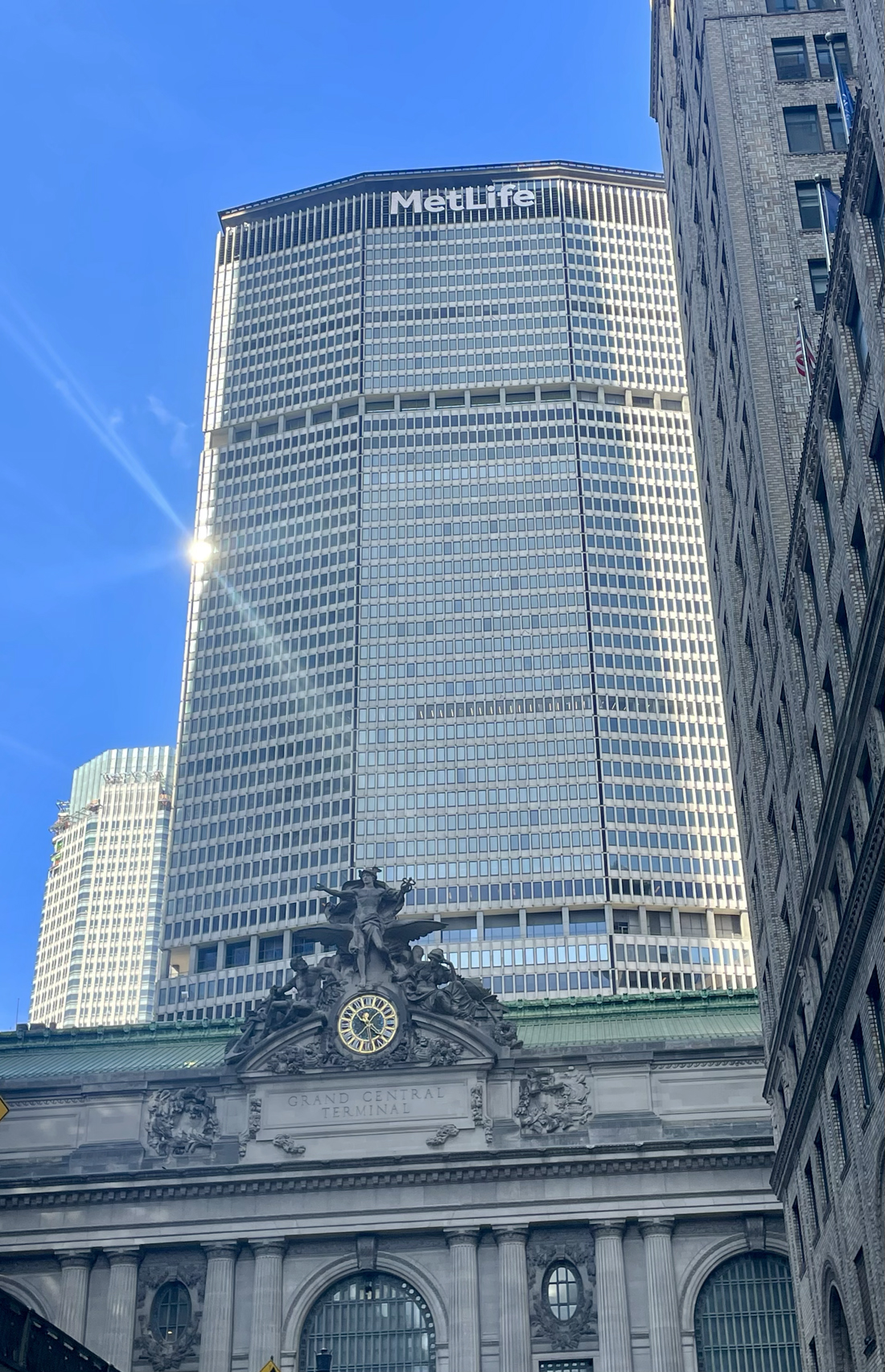
Patrick Smith, veteran airline pilot and author of AskThePilot.com, uses a walk down Park Avenue as the frame for a meditation on aviation's most consequential brand collapse — the 1991 bankruptcy and dissolution of Pan American World Airways. Writing in his characteristic essayistic style, Smith recounts a 1990 taxi ride through Manhattan in which the sight of the Pan Am Building's illuminated logo above Grand Central Terminal produced what he describes as genuine excitement — a young aviation enthusiast's visceral encounter with what was then still a living symbol of American commercial ambition. The 59-story skyscraper, designed in part by Bauhaus founder Walter Gropius and completed in 1963, served as Pan Am's physical headquarters and a kind of secular cathedral for the airline industry during its peak decades. Pan Am filed for Chapter 7 liquidation in December 1991, ending operations entirely and transferring the building's naming rights to MetLife, where they have remained ever since. Smith's recent return to the same stretch of Park Avenue — this time on foot, looking down rather than up — closes a personal loop that spans nearly four decades.
The piece is not analytical journalism but deliberate personal essay, and its significance to professional pilots lies less in operational content than in cultural memory. Pan Am's collapse marked a turning point in the structure of the American airline industry: the carrier had been the de facto flag airline of the United States on international routes, the proving ground for wide-body jet operations, and the originator of routes, practices, and training programs that shaped commercial aviation globally. Its disappearance, following a decade of deregulation pressure, the 1988 Lockerbie bombing, and the financial shock of the Gulf War fuel crisis, triggered a consolidation cycle still visible in today's industry landscape. For pilots who trained or flew during the Pan Am era, or who entered the profession in its immediate aftermath, the brand carries the weight of a lost professional golden age — one associated with international prestige, rigorous standards, and a sense that the airline business was something more than a commodity transport service.
Smith also notes, almost in passing, a 1977 accident on the building's rooftop helipad in which a New York Airways helicopter suffered a mechanical failure, with debris falling to street level and killing a pedestrian. The incident is a compact reminder that urban air mobility is not a new concept but one with a documented failure history in the same dense New York corridor now targeted by eVTOL developers and air taxi operators. New York Airways itself ceased operations in 1979, two years after the accident, unable to sustain the economics of rooftop helicopter service in a major metropolitan market. The juxtaposition of that historical footnote against contemporary enthusiasm for urban air mobility is implicit in Smith's telling, though he does not press the analogy.
The broader current running through the piece is the instability of aviation brands and institutions that once seemed permanent. Pan Am, once described as the most recognized American brand internationally, no longer exists in any operational form. The building remains; the logo is gone. For working pilots and aviation operators in 2026, the essay functions as an oblique historical argument: the industry has always rewarded those who understand what came before, because the same structural forces — fuel economics, regulatory shocks, geopolitical disruption, technological transition — continue to reshape it. Smith's line that "airlines are everywhere," his long-standing formulation for the way aviation intersects with culture, commerce, and memory, is less a nostalgic gesture than a professional orientation. The pilots and operators who grasp how deeply the industry is embedded in the broader fabric of economic and civic life are better positioned to anticipate how it will continue to change.










 Read original article