The Airbus A321XLR Has Quietly Become The Most Game-Changing Aircraft In The World
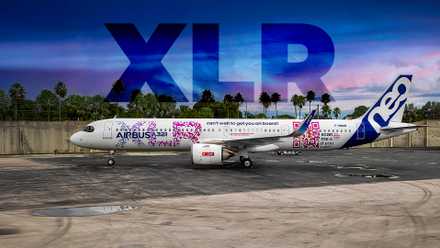
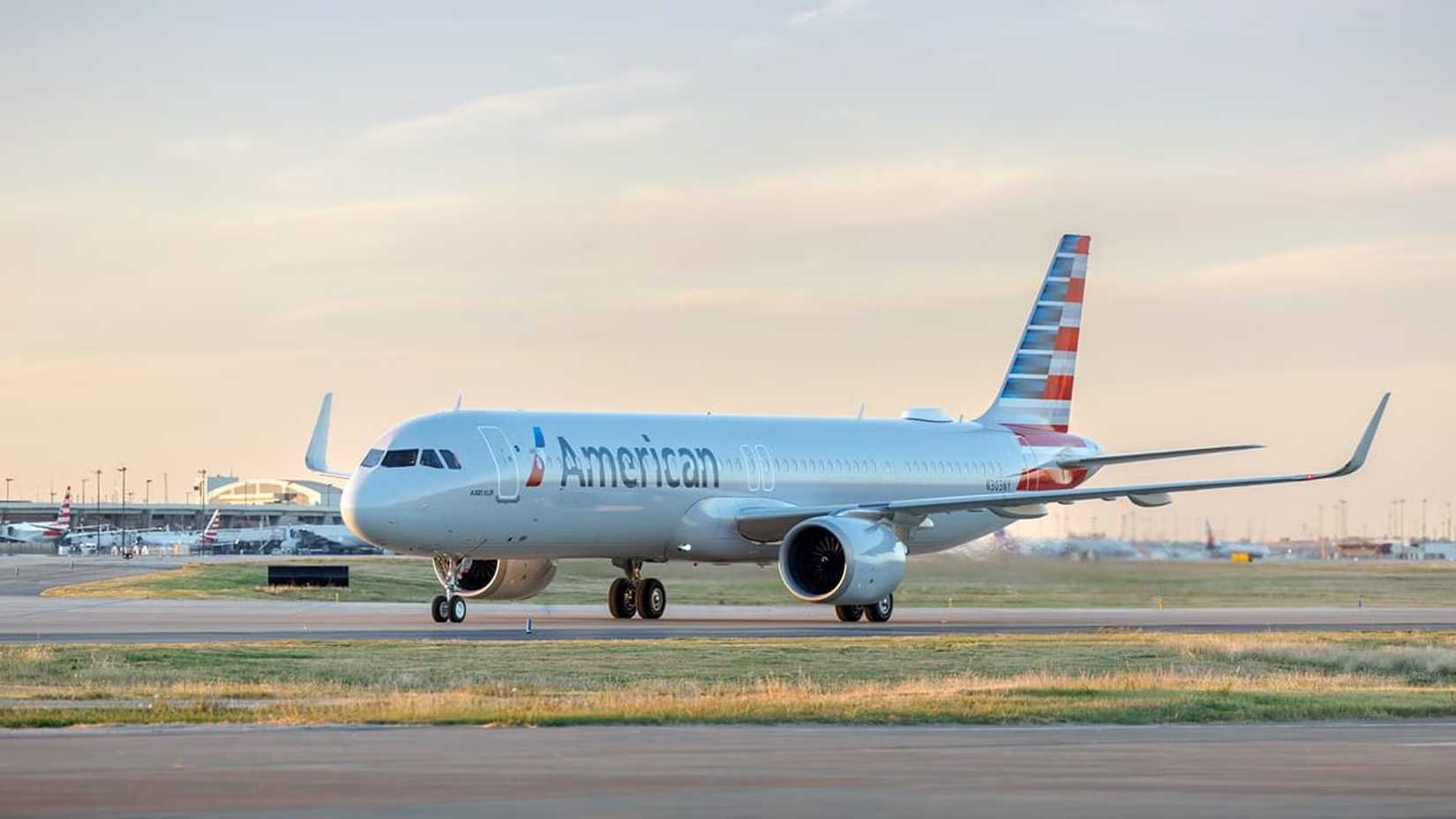
The Airbus A321XLR has established itself by mid-2026 as a structurally significant disruption to long-haul network economics, achieving operational range of up to 4,700 nautical miles from a single-aisle narrowbody platform. The aircraft accomplishes this through three core engineering changes to the existing A321neo airframe: a permanent Rear Centre Tank integrated into the fuselage structure rather than the removable auxiliary tanks used on predecessor LR variants, reinforced landing gear to accommodate higher maximum takeoff weights, and optimized wing flap geometry to preserve runway performance at that heavier gross weight. Powerplant options include the Pratt & Whitney GTF and CFM LEAP-1A, both of which deliver measurably lower fuel burn per seat-mile than the widebody jets the XLR is displacing on thinner routes. American Airlines holds the distinction of being the U.S. launch operator, having introduced the type first on domestic premium transcontinental service between JFK and LAX before extending it to seasonal transatlantic operations to Edinburgh. European operators including Iberia and Aer Lingus are using the aircraft more aggressively, routing nonstop services between secondary European cities and North American destinations that could not previously support a 787 or A330 on a year-round basis.
For airline flight crews and operations departments, the A321XLR introduces a set of considerations that differ meaningfully from typical narrowbody operations. Extended overwater and long-haul ETOPS routing on a single-aisle airframe requires dispatch and crew planning practices traditionally associated with widebody international operations, including ETOPS approvals, extended diversion planning, and fuel load calculations that more closely resemble transoceanic wide body procedures than domestic narrowbody turns. Cabin crew ratios, rest requirements on extended duty periods, and MEL considerations for long over-water legs all apply at a different threshold than short-haul A321 operations. Pilots transitioning to the XLR from the A321 family will find the type rating largely familiar given common type rating provisions across the A320 family, but the operational envelope — particularly weight, fuel quantity management with the integrated RCT, and performance planning on longer missions — demands recurrent training emphasis on the differences. For corporate and charter operators considering the type as a future platform, the XLR's economics on routes between 2,500 and 4,700 nautical miles represent a genuine alternative to light widebody positioning.
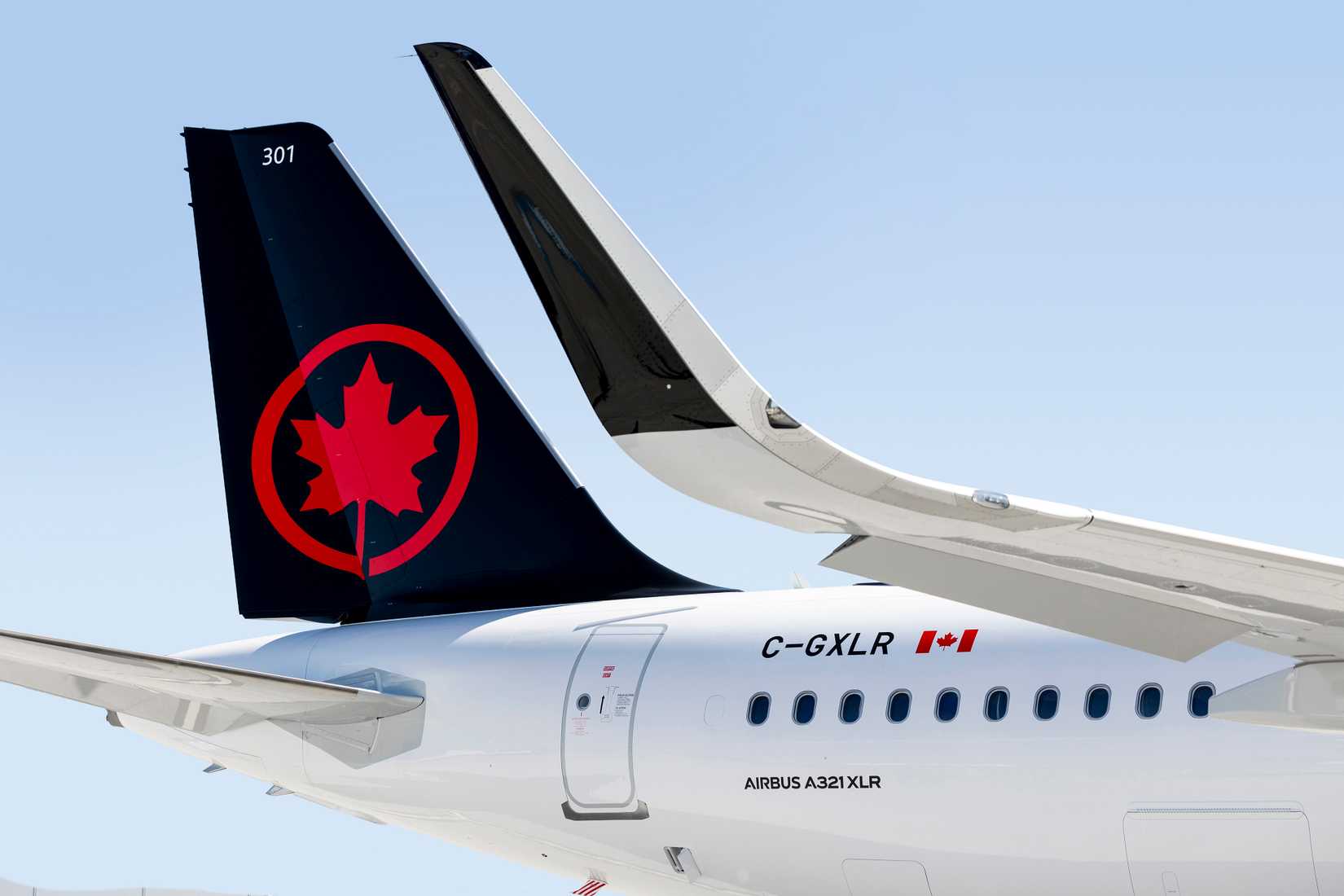
The commercial logic driving XLR adoption reflects a strategic pivot that has been building across airline network planning since the A321neo demonstrated the viability of point-to-point narrowbody service in the mid-2010s. Hub-and-spoke network architecture depends on consolidating traffic at large airports to fill high-capacity aircraft; the XLR structurally undermines that dependency by making thinner long-haul city pairs economically viable with smaller aircraft at higher frequency. Carriers operating the XLR can serve secondary markets — Edinburgh, secondary Canadian cities under Air Canada's planning, Indian domestic-to-international corridors under IndiGo's 69-aircraft order — without the yield dilution risk of flying a 250-seat widebody at 60 percent load factor. The frequency advantage compounds this: two daily A321XLR departures on a route often generate more total revenue than one daily A330 departure, while also improving schedule utility for premium business travelers who dominate the yield on transatlantic and long transcontinental routes.
The order book as of 2026 underscores how broadly the aviation industry has accepted this premise. IndiGo at 69 aircraft leads all operators, signaling that the XLR's value proposition extends well beyond the North Atlantic into Asia-Pacific medium-haul and emerging long-haul corridors. United Airlines at 50 aircraft alongside American's 50 suggests that U.S. majors view the type as a durable part of international fleet strategy rather than a niche instrument. Qantas's 36-aircraft commitment is particularly notable given the carrier's geographic isolation and traditional reliance on widebody equipment for nearly all international operations. For Boeing, the XLR's competitive traction represents a direct challenge in the market segment where the 737 MAX family has no comparable answer at current range capability, reinforcing pressure on Boeing's long-delayed NMA or middle-of-the-market product decisions. The aircraft is not simply filling a gap in the market — it is actively reshaping which routes are considered viable, which hubs remain strategically necessary, and what the next generation of international network architecture will look like across commercial aviation.







 Read original article