Letter From Chernobyl - AskThePilot.com
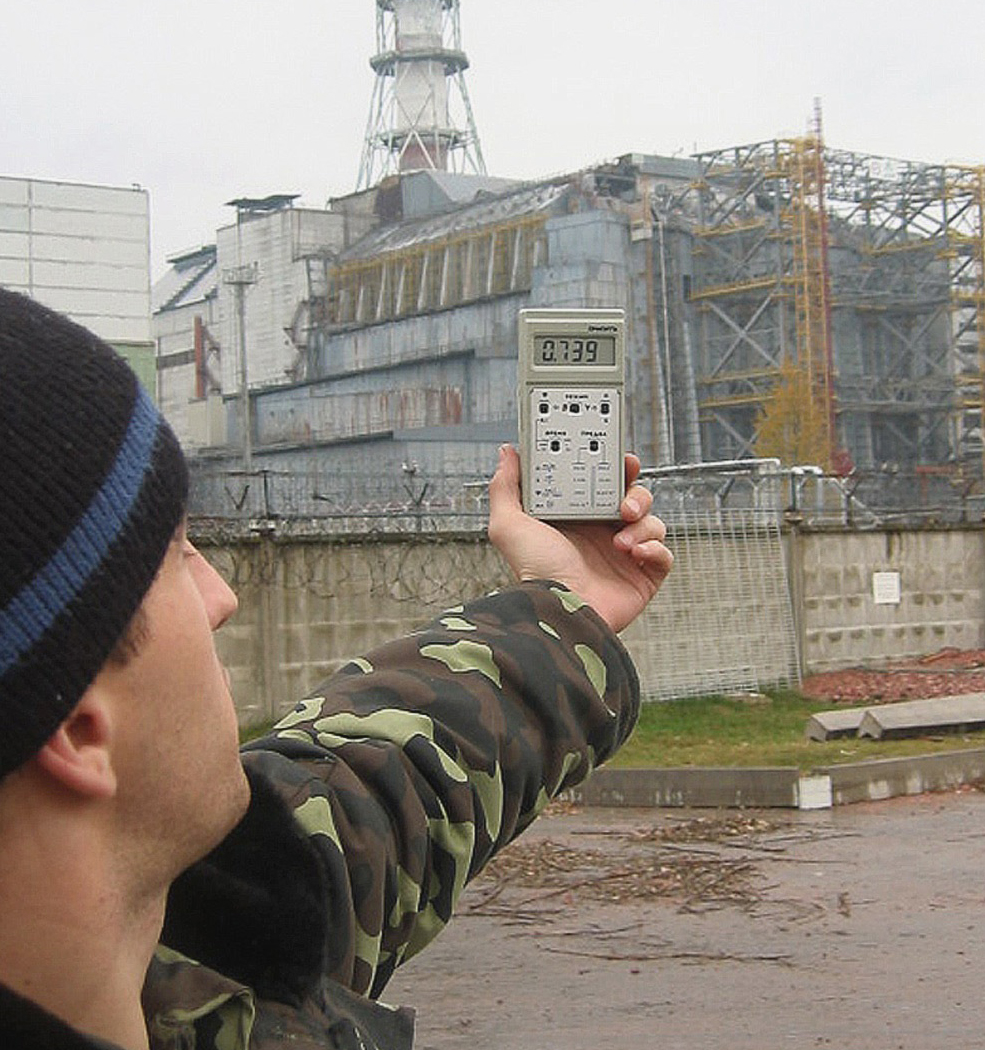
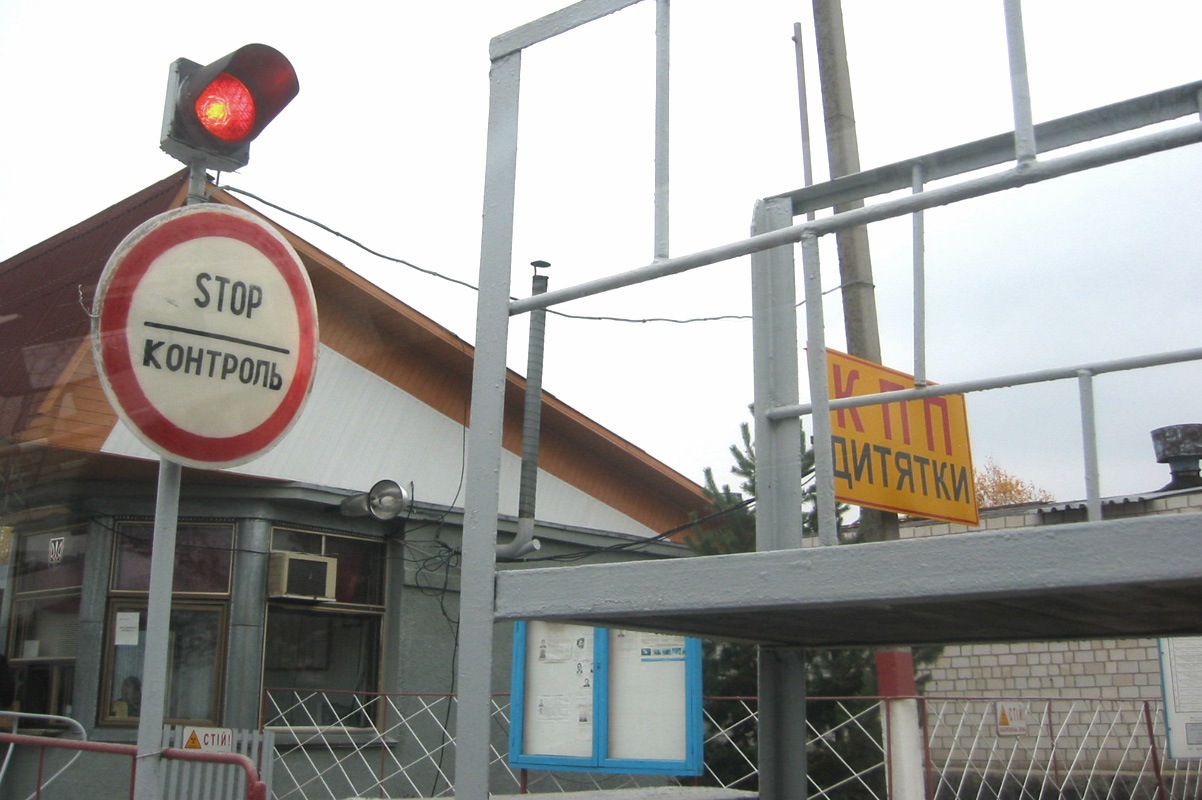
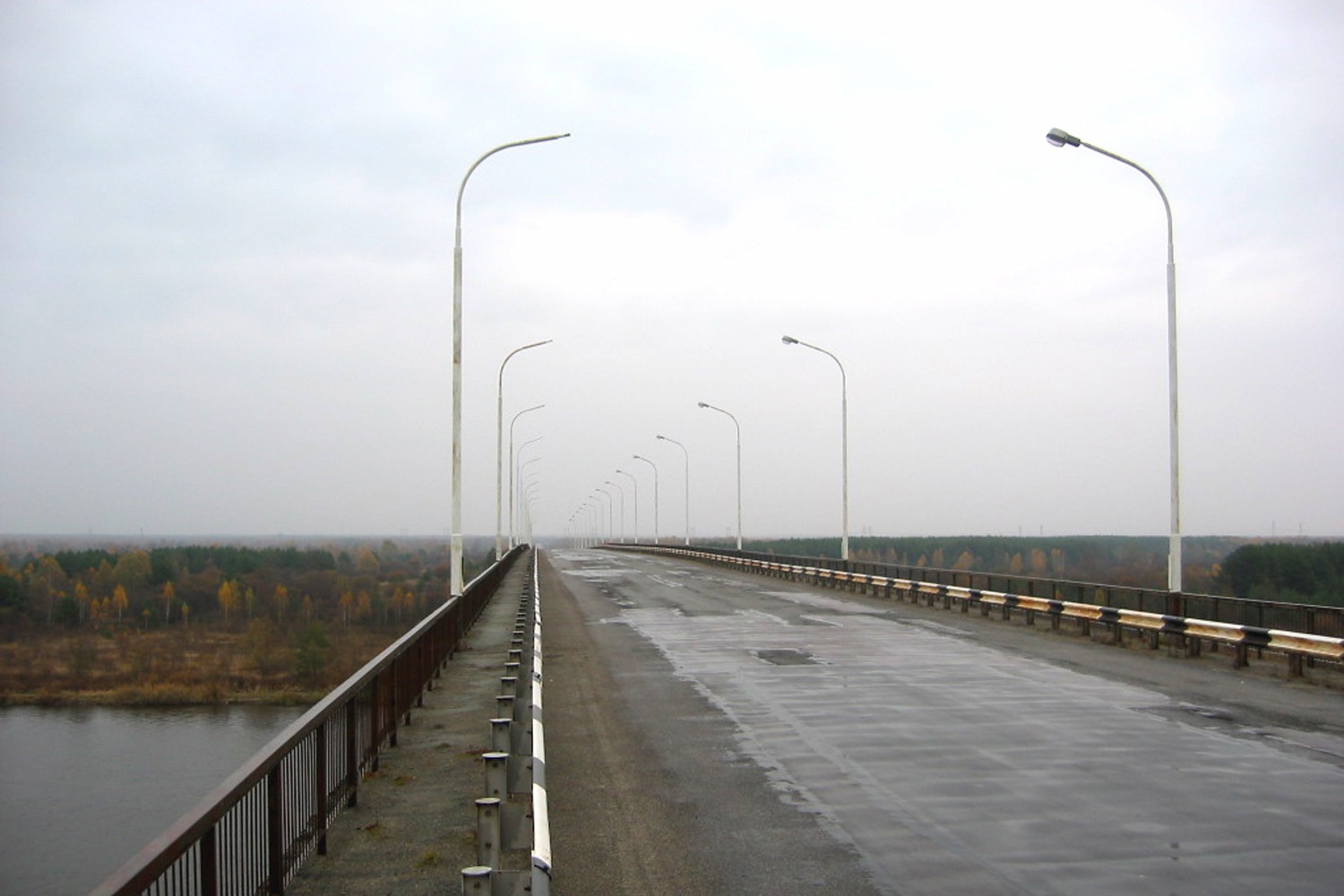
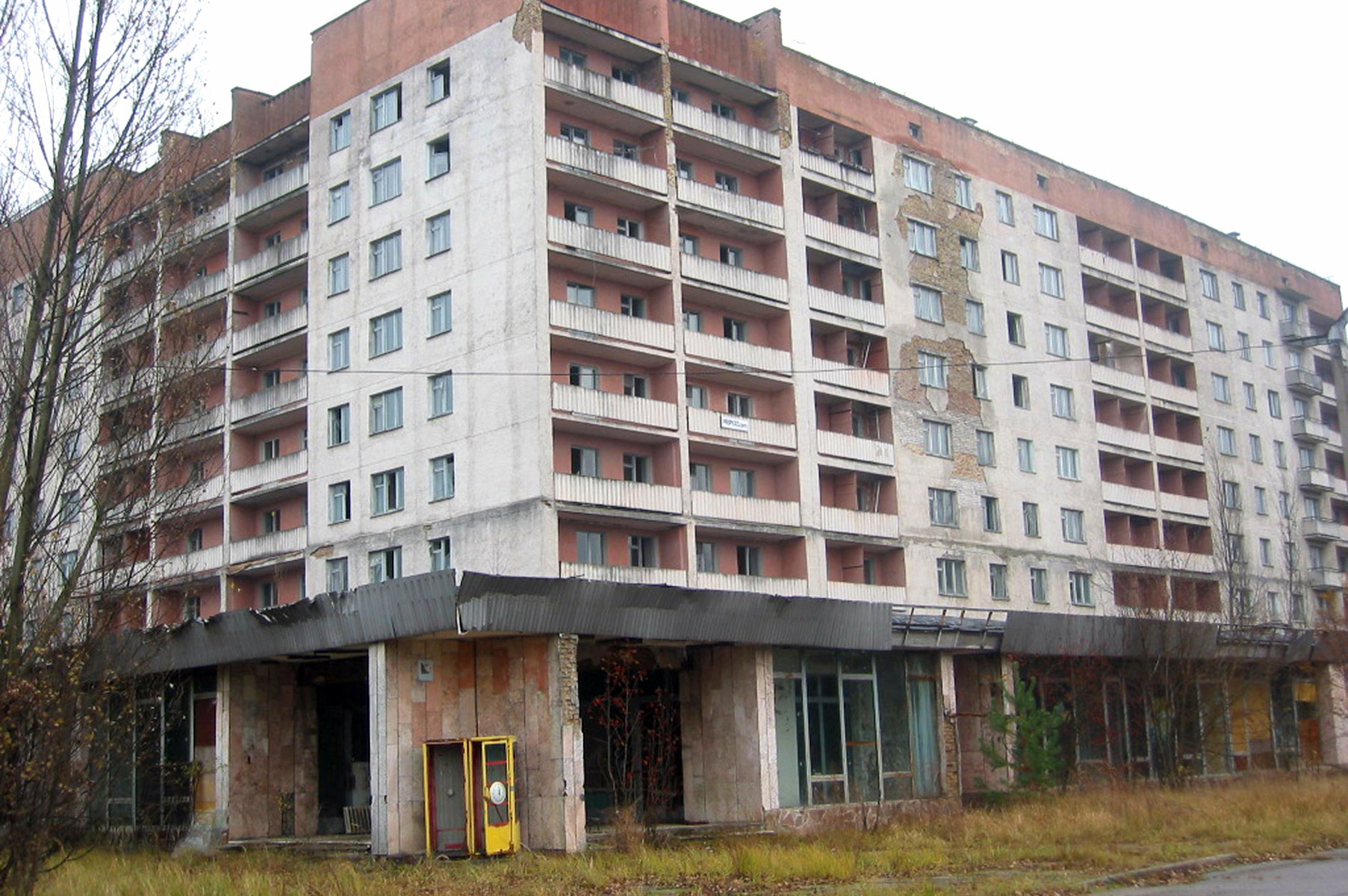
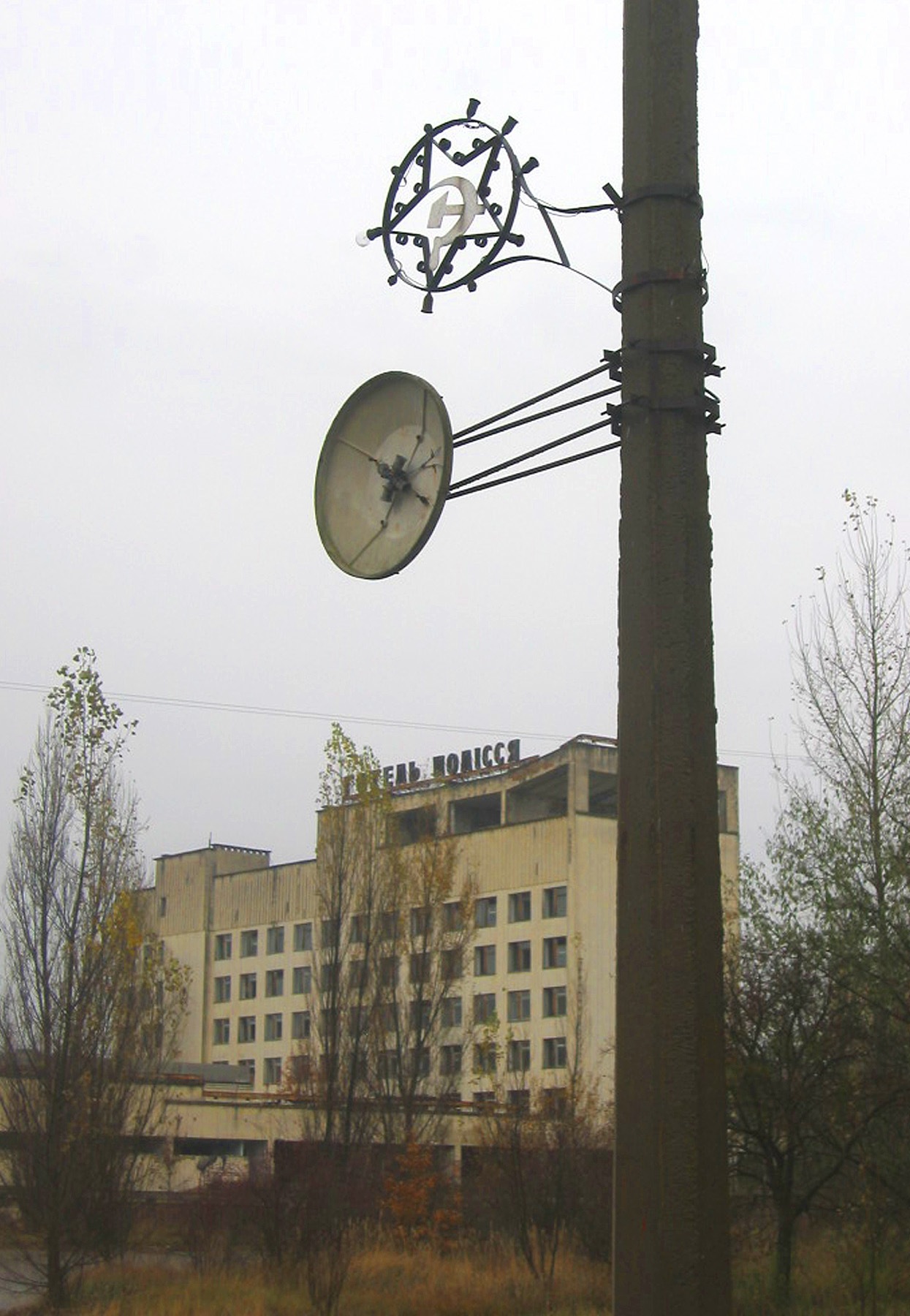
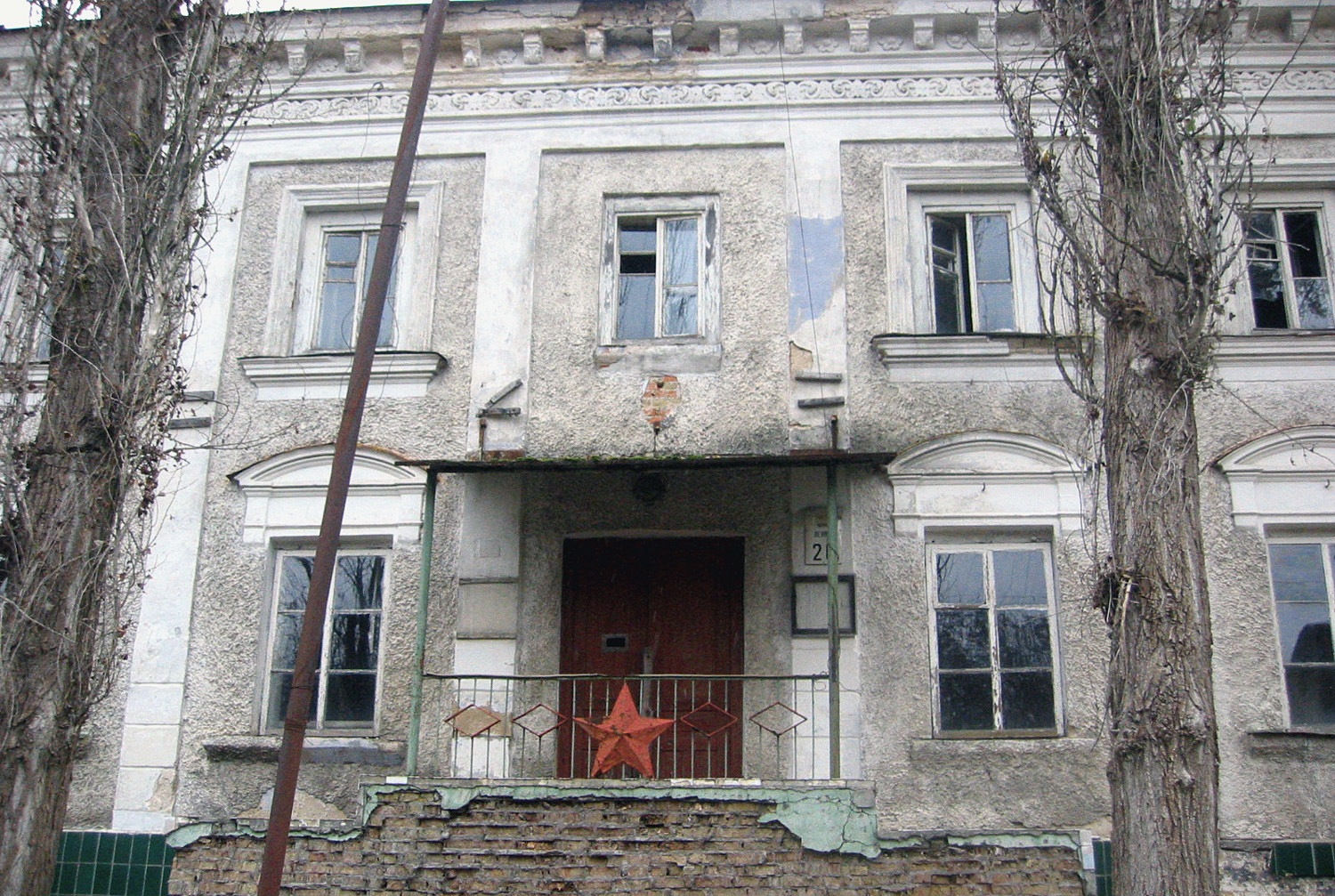
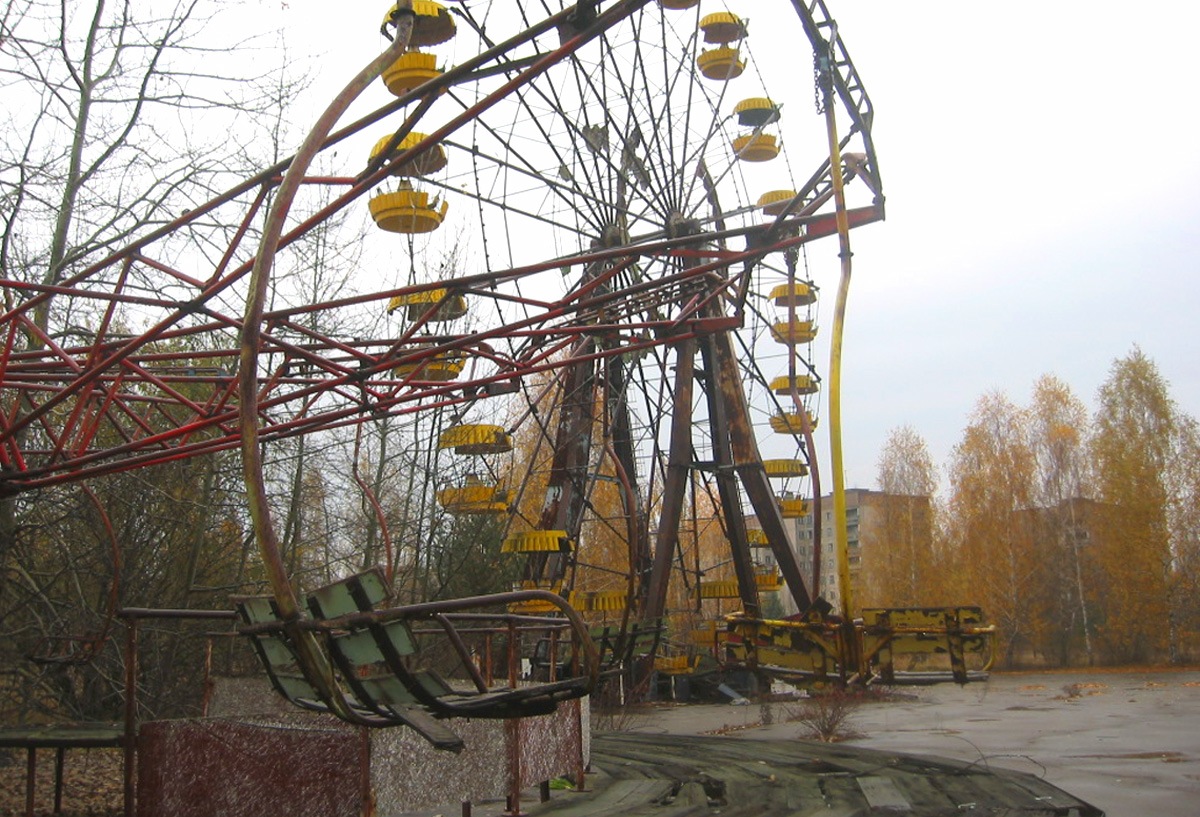
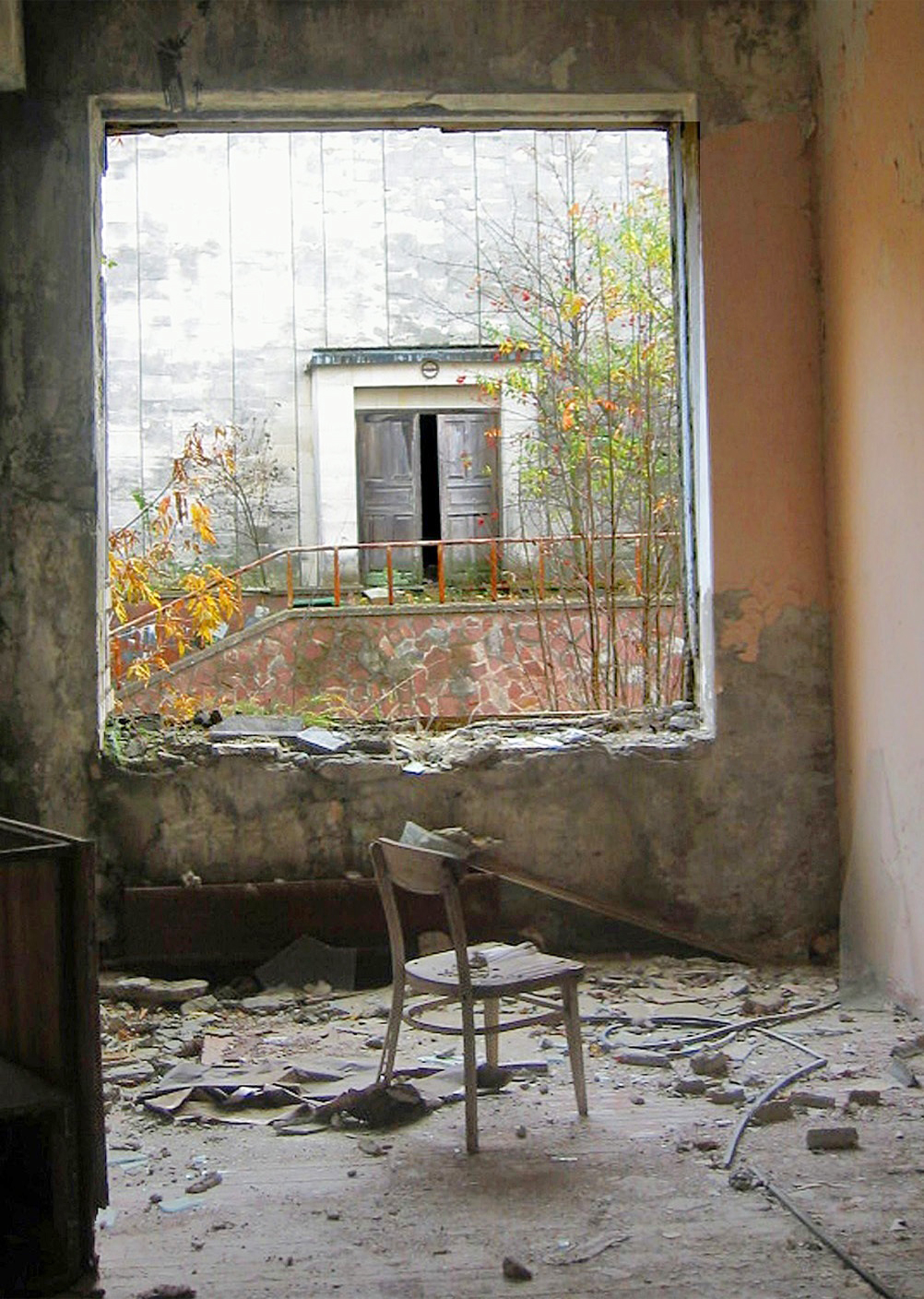
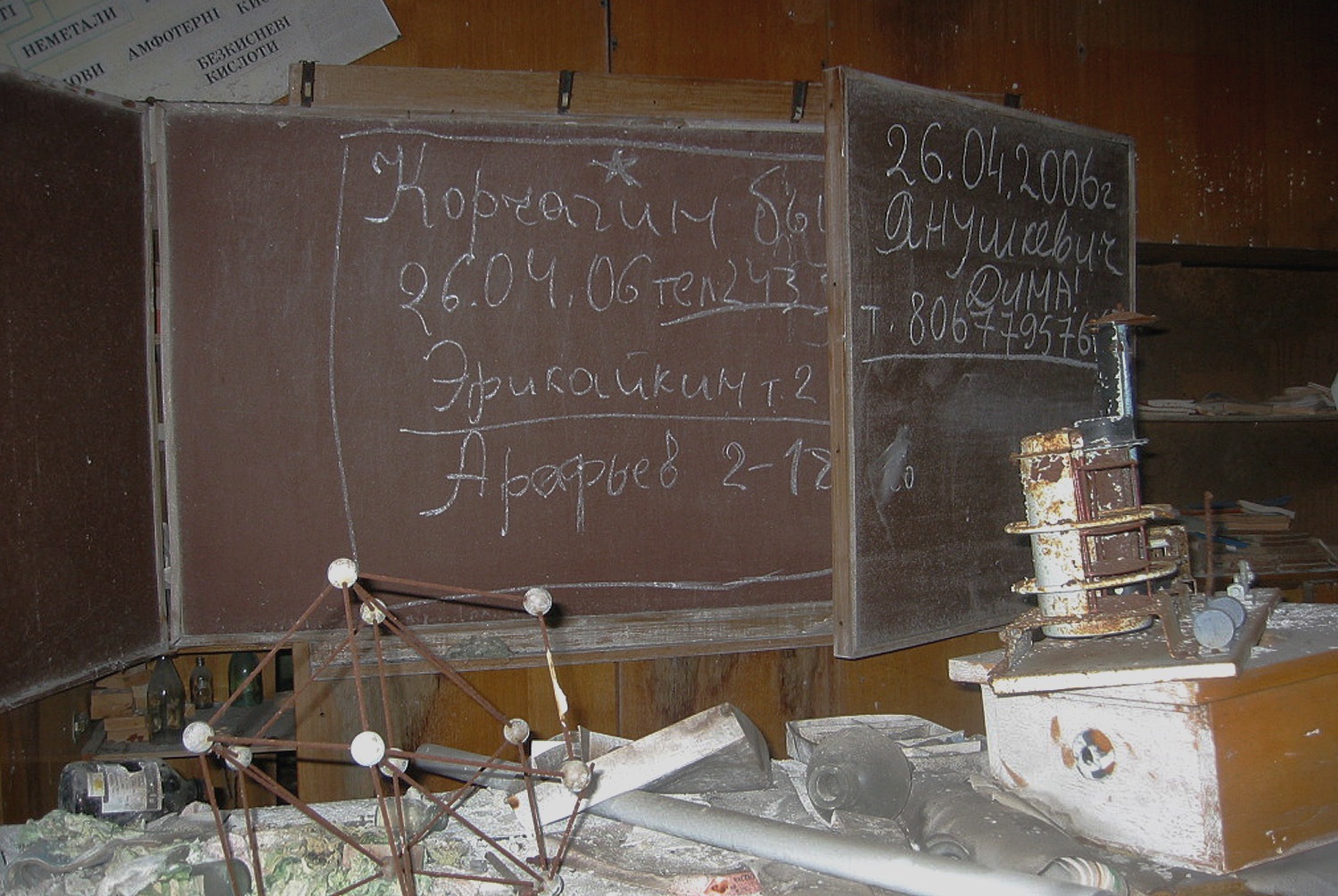
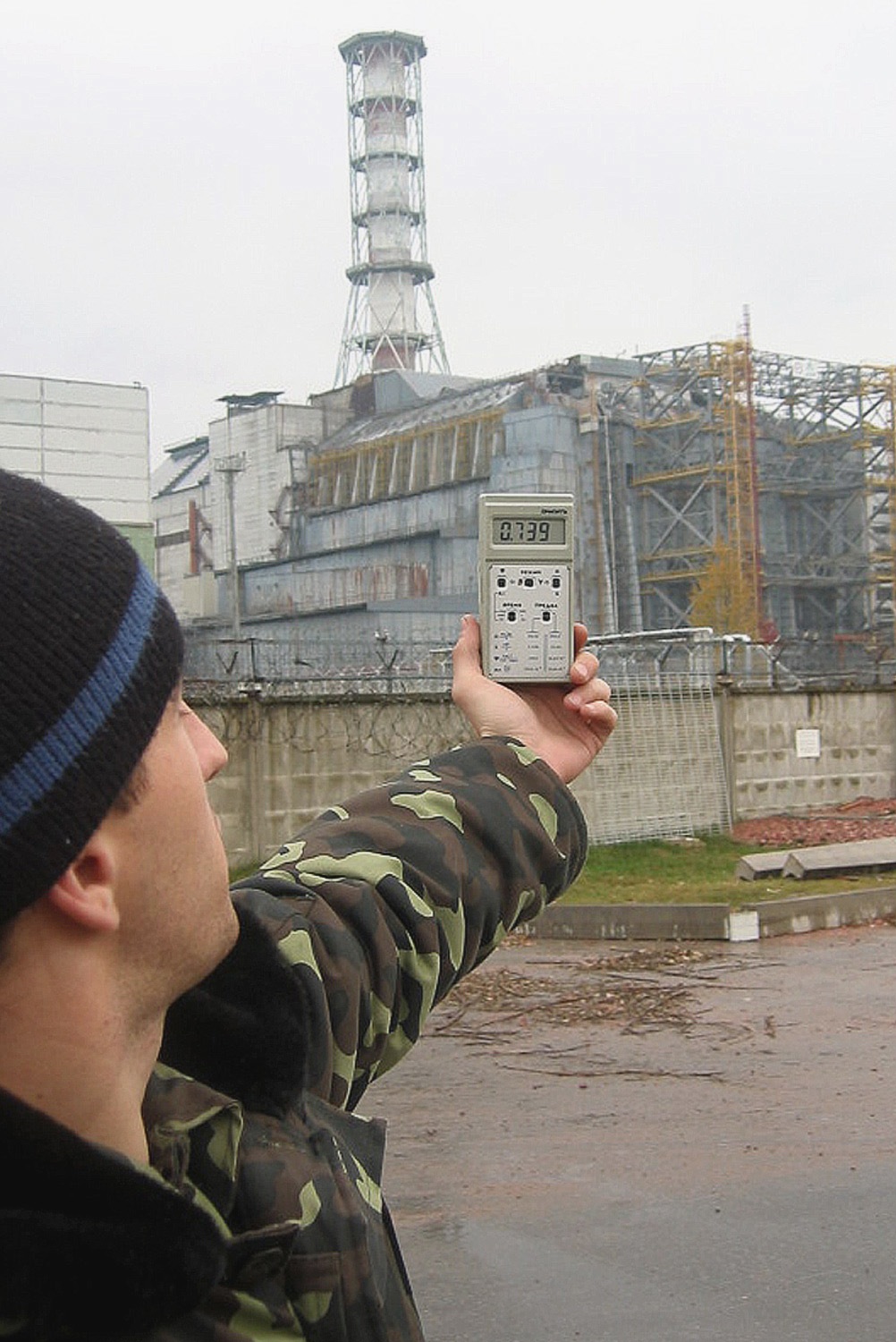
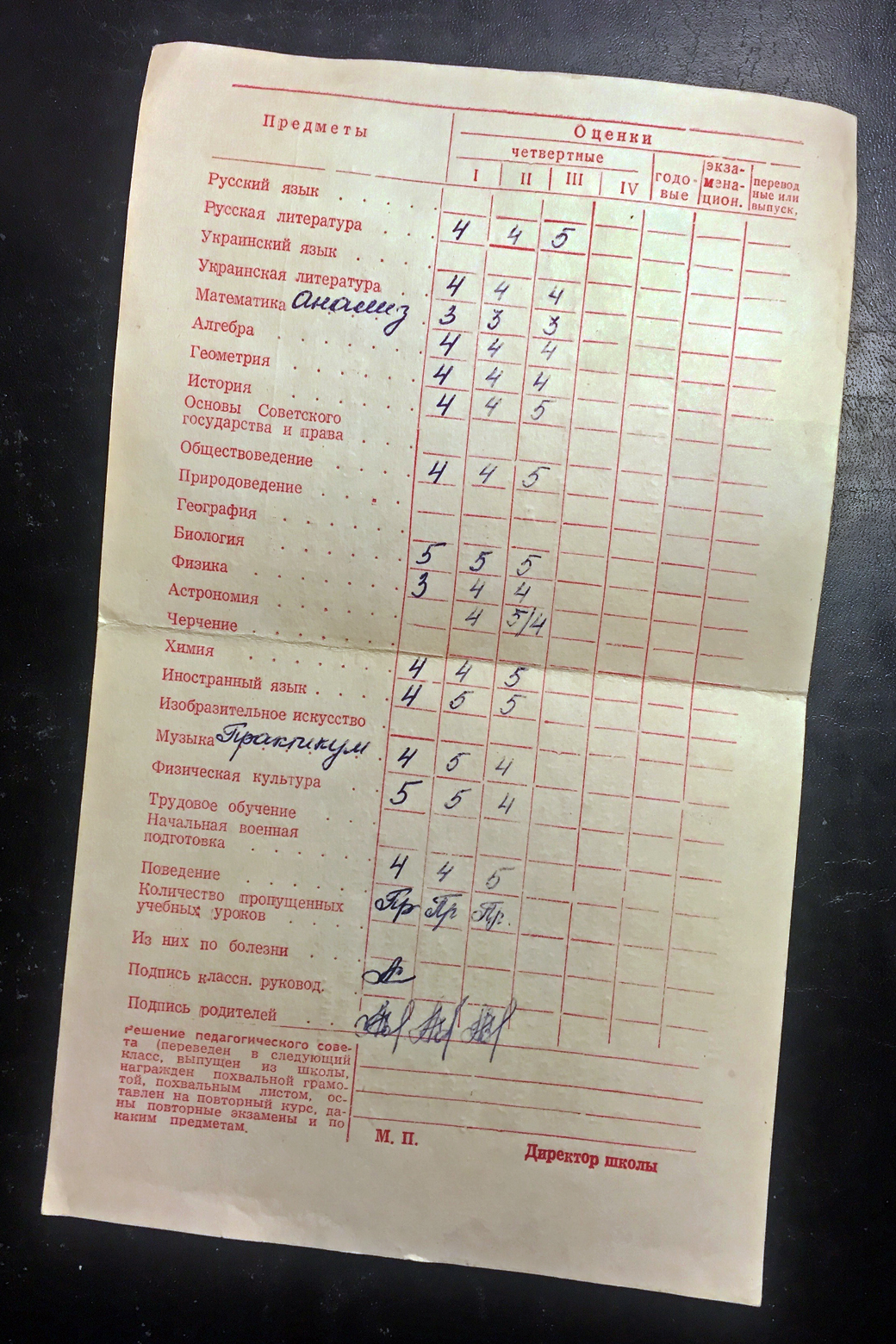
Patrick Smith's "Letter From Chernobyl," published on the 40th anniversary of the April 26, 1986 reactor disaster, offers a layover pilot's firsthand account of touring the Chernobyl Exclusion Zone in October 2007 — a personal essay that sits at the intersection of aviation memoir, Cold War history, and one of the twentieth century's defining industrial catastrophes. The piece centers on Smith's guided tour of Pripyat, the abandoned Soviet city of 50,000 that was evacuated in the immediate aftermath of the explosion and has remained a frozen artifact of late-Soviet life ever since. His photographs — classrooms, ferris wheels, scattered report cards — serve as the essay's emotional core, illustrating the human scale of a disaster whose technical dimensions are well-documented but whose quotidian wreckage is less often shown. The 30-kilometer Exclusion Zone, still enforced by Ukrainian authorities, remains accessible only to researchers, workers, legacy residents, and — prior to Russia's full-scale invasion — tourists willing to pay roughly $250 for a full-day excursion.
The aviation dimension of the piece is understated but significant. Smith recalls flying Aeroflot in March 1986, just weeks before the reactor failure, operating over the very geography that would soon become the most contaminated landscape in Europe. He flew a Tupolev Tu-154 between Moscow and Leningrad and a Tu-134 from Leningrad to Helsinki — both aircraft representing the backbone of Soviet civil aviation at the time. The Tu-154, a three-engine medium-range jet broadly comparable to the Boeing 727 in configuration, and the Tu-134, a rear-engine twin used extensively on shorter Aeroflot routes, were produced under a state aviation apparatus that operated under entirely different regulatory and safety assumptions than Western carriers. That Smith was traversing Soviet airspace on Soviet iron in the month immediately preceding the worst nuclear accident in history adds a layer of historical proximity the essay does not overplay but allows to stand quietly in the background.
For professional pilots based in Western Europe or operating transatlantic and Eastern European routes in that era, Chernobyl carried direct operational implications that are sometimes overlooked in retrospect. In the weeks following April 26, 1986, airspace planners and airline operations departments faced genuine uncertainty about radiation exposure for crews flying at altitude over contaminated regions, particularly on routes crossing Belarus, northern Ukraine, and Scandinavia. The Norwegian, Swedish, and Finnish meteorological services detected elevated radiation almost immediately, and while cruising altitude exposure was not judged catastrophic, the episode prompted early discussions about aircrew radiation monitoring that would later be formalized. European crews operating high-latitude routes already accumulated measurable cosmic radiation doses; the Chernobyl fallout plume introduced a novel, transient ground-source variable that airspace medicine was not fully prepared to quantify in real time.
Smith's account also carries weight in the contemporary context of the ongoing Russia-Ukraine war, which he references in passing when noting that tourist access to the Exclusion Zone has been suspended. The war has had direct and severe impacts on Ukrainian civil aviation infrastructure — Boryspil International Airport, Kiev's primary hub, has been closed to commercial traffic since February 2022, eliminating what had been a growing destination market for European carriers and a key transit point for certain long-haul routings. His earlier layovers at the Premier Palace in Kiev, once a regular stop for crews on European widebody operations, belong to a period of Ukrainian aviation normalization that has since been interrupted indefinitely. The Chernobyl Exclusion Zone's closure to visitors is, in this framing, merely the most visible symbol of a much larger disruption to the region's role in commercial aviation geography.
The broader significance of Smith's essay for aviation professionals lies in the reminder that pilots accumulate a peculiar archive of the world's geography — not as tourists in the conventional sense, but as transient witnesses who see cities across decades of layovers and geopolitical change. The Kiev that Smith describes, with its onion-dome churches, park-lined boulevards, and marble hotel lobbies, was itself a post-Soviet reconstruction still working out the terms of its independence. The Chernobyl site, two hours to the north, was simultaneously a wound and a monument. That both are now inaccessible for different but related reasons — one from radiation, one from war — reflects the degree to which Eastern European aviation, for all its expansion in the 2000s and 2010s, remained tethered to the unresolved tensions of the Soviet collapse. For pilots who flew those routes, the essay reads less as disaster tourism than as a form of professional memory.

















 Read original article