Palaces In The Sky: How World Leaders' Aircraft Choices Reveal National Priorities
Government VIP air transport fleets serve as highly visible instruments of national policy, functioning simultaneously as operational aircraft, diplomatic tools, and political symbols. The United States maintains the most capable and heavily modified examples in the Boeing VC-25A, a variant of the 747-200 engineered as a flying command center with classified communications, self-defense systems, and the ability to operate independently of ground infrastructure. The pending replacement with the 747-8-based VC-25B reflects a core constraint relevant to any large-cabin operator: floor area and systems integration capacity ultimately drive platform selection, not aesthetics alone. Boeing's 747-8 was selected in part because no other U.S.-manufactured airframe offers sufficient floor area to host the full complement of personnel, communications hardware, and mission systems the Air Force requires. This distinction between a true airborne command post and a luxurious executive transport is operationally significant — nations like Qatar and Brunei operate 747-8s configured essentially as mobile palaces, while the VC-25 series is a military asset that happens to carry passengers.
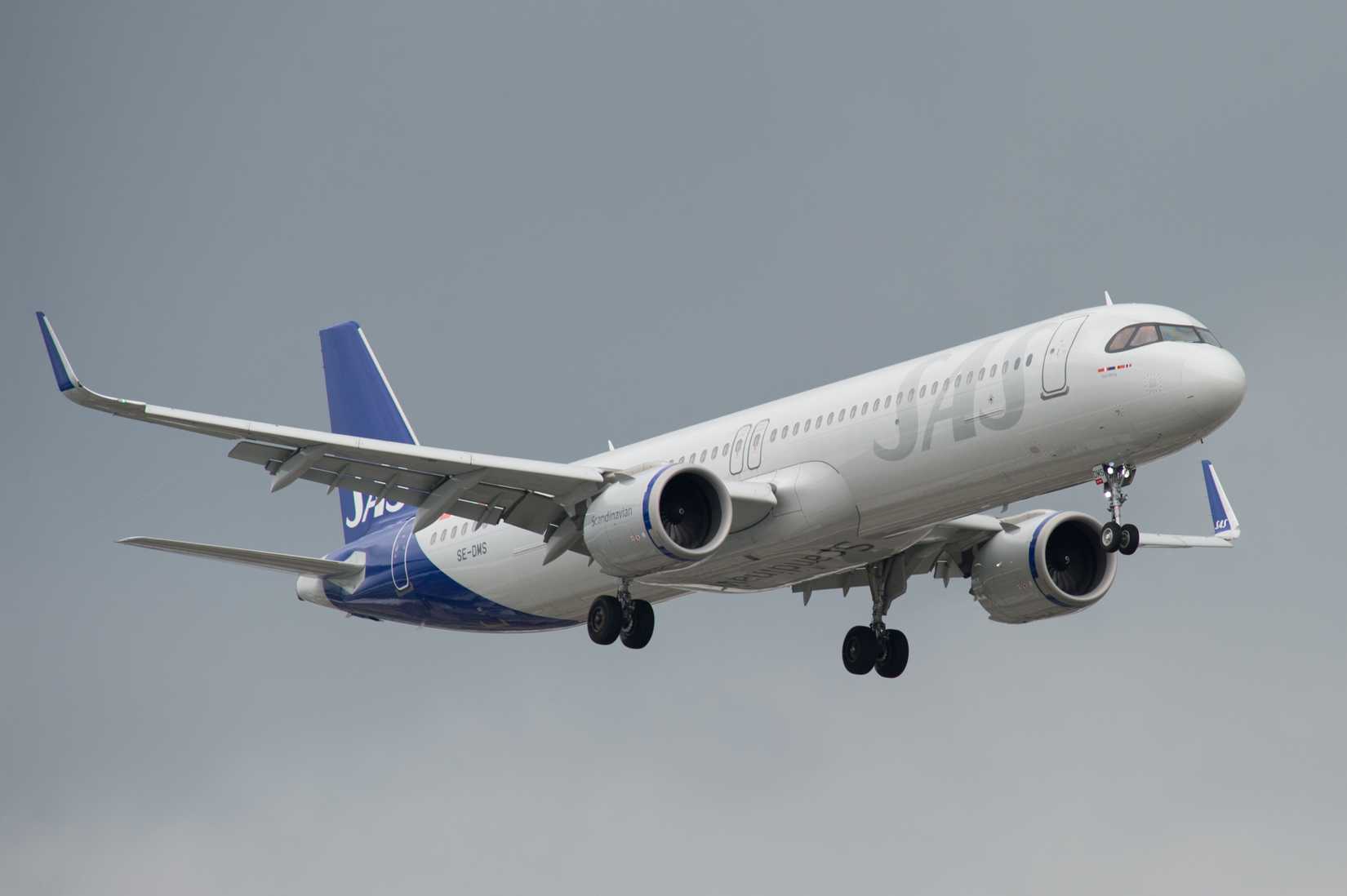
The article's framework of domestic aviation industry alignment has direct parallels in the corporate and charter world, where fleet decisions frequently signal organizational values and procurement philosophy. France operates an entirely domestic-origin fleet spanning Airbus widebodies, Dassault Falcon business jets, and Airbus Helicopters rotorcraft — a deliberate policy that supports national industrial capacity across all segments of aviation. The United Kingdom's approach is notably pragmatic by contrast: the RAF Voyager Vespina, an Airbus A330 MRTT operated under a private finance initiative by AirTanker Holdings, performs aerial refueling missions when not required for VIP transport, effectively distributing the cost of a premium transport asset across multiple mission types. King Charles III's recent Washington visit aboard a Titan Airways A321neo — reportedly preferred for its lower operating cost and fuel efficiency compared to the Vespina — illustrates that even sovereign governments apply cost-benefit analysis to individual trip decisions, a calculus immediately familiar to any Part 135 or corporate flight department operator managing variable versus fixed costs.
The geopolitical dimension of platform selection carries particular relevance for operators flying internationally, where the flag on the tail and the type of aircraft can carry meaning beyond the operational. China's continued reliance on Boeing 747 variants for the head of state, despite an active domestic commercial aircraft program through COMAC, reflects the gap between political aspiration and certified operational capability — a tension the article identifies as temporary. Russia's use of the Ilyushin Il-96, despite its acknowledged inefficiencies relative to Western widebodies, is a deliberate act of industrial nationalism in the face of sanctions and export controls that have severed access to Western airframes and components. Ukraine's pragmatic pivot to an Airbus A319 for presidential transport, while retaining Antonov An-148 capability, illustrates how conflict and financing constraints reshape fleet strategy rapidly. For operators managing fleets in geopolitically sensitive environments, these choices underscore the degree to which airframe selection is never purely a performance or cost decision.
The broader trend visible across this survey is the growing influence of dual-use and cost-sharing models for government aviation, particularly among democracies subject to public scrutiny of expenditure. New Zealand, referenced but not fully detailed in the source article, operates RNZAF transport assets in a similar shared-use framework to the UK. This model — wherein a single asset serves both military utility and executive transport functions — is an institutional analogue to fractional ownership and shared-use structures that have expanded significantly in Part 91K and charter markets over the past two decades. As government aviation budgets face pressure and public tolerance for perceived excess narrows in many democratic nations, the Voyager Vespina model may become a template others follow. For manufacturers like Airbus, whose A330 MRTT is already operated by more than a dozen air forces, the VIP transport market and the military tanker-transport market are increasingly addressed by the same platform — a convergence with commercial implications for maintenance, training, and parts availability that affects operators across the industry.












 Read original article