Why FAA Pilots Flying The Boeing 777X For The 1st Time Changes Everything
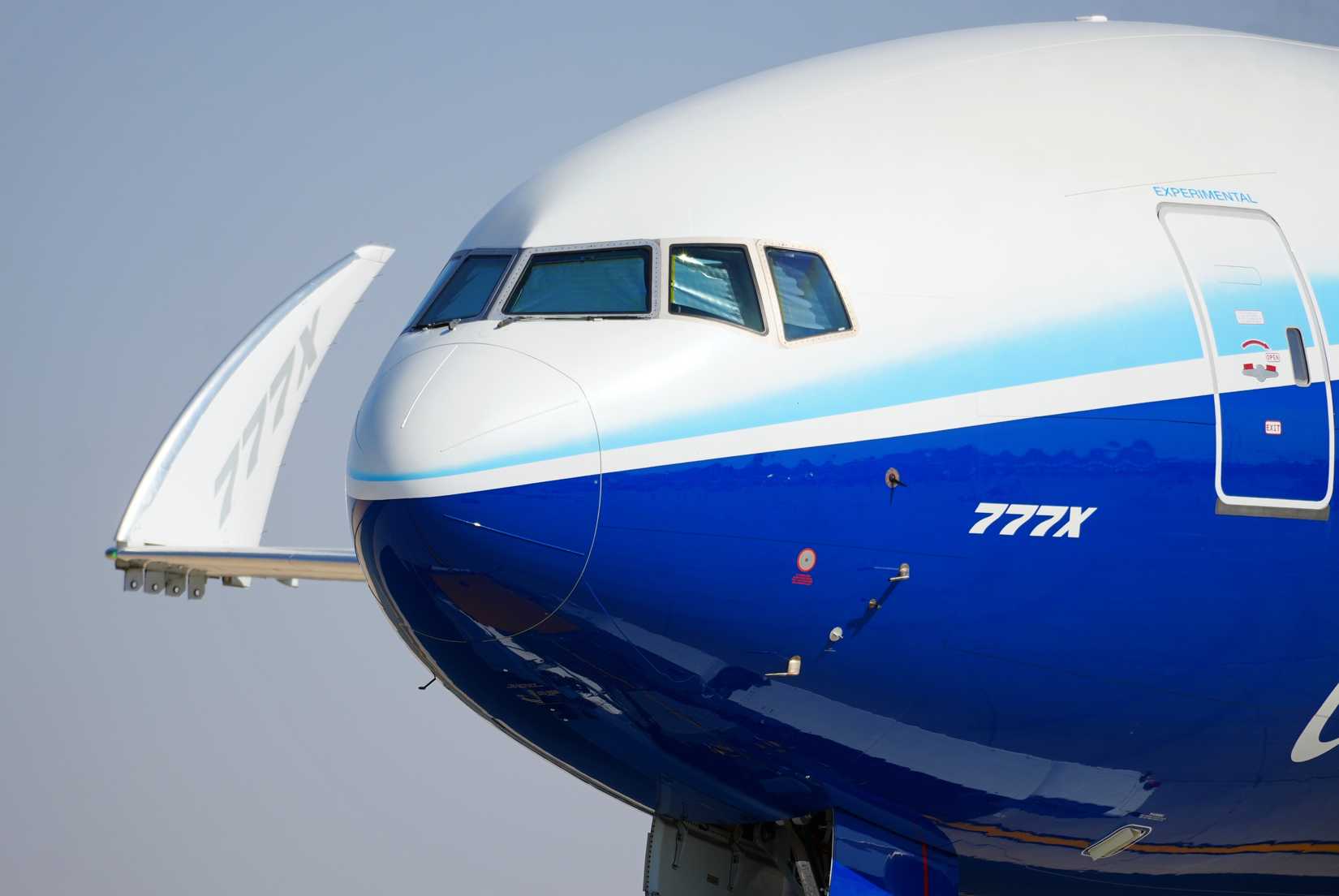
The FAA's formal approval of Phase 4A of the Type Inspection Authorization for the Boeing 777-9 on March 17, 2026, marked the first time federal certification pilots entered the cockpit of the widebody aircraft as active participants in the regulatory evaluation process. Prior to this milestone, the 777-9's extensive testing campaign had been conducted primarily by Boeing crews under FAA oversight, with regulators reviewing manufacturer-generated engineering data from a supervisory rather than participatory role. Phase 4A fundamentally alters that relationship. FAA pilots are now independently assessing the aircraft's behavior, cockpit workload, systems integration, and operational handling — not to refine the design, but to determine whether it satisfies the specific compliance standards required for a Part 25 transport-category type certificate. The distinction is not procedural; it signals that regulators have developed sufficient confidence in the 777-9's maturity to shift evaluation from discrete component validation toward integrated operational assessment of a near-service-ready airliner.
Understanding the difference between manufacturer test pilots and FAA certification pilots is essential to grasping why Phase 4A carries such weight. Boeing's experimental flight crews are tasked with exploring edge-case performance, stress-testing systems assumptions, and helping engineers iterate on design — a fundamentally developmental mission. FAA pilots operate under an entirely separate mandate. Their objective is to evaluate the aircraft as it will actually be operated in revenue service: predictable system behavior under abnormal conditions, manageable crew workload, intuitive cockpit interfaces, and consistent performance across a range of operational scenarios. When FAA crews directly experience these characteristics firsthand rather than reviewing them in summary reports, the quality of certification data changes significantly. The regulator is no longer interpreting Boeing's findings; it is generating independent findings of its own.
The post-737 MAX certification environment provides the indispensable backdrop for why this development is particularly consequential for working aviation professionals. Following the MAX accidents and the subsequent investigation, the FAA substantially restructured its oversight posture toward Boeing certification programs, reducing its historical reliance on manufacturer self-certification and increasing the rigor of independent regulator validation. For airline pilots, dispatchers, and flight operations professionals who will eventually operate the 777-9 or coordinate its routes, Phase 4A represents a meaningful signal that the aircraft is progressing through a more demanding, more transparent certification pipeline than Boeing programs faced a decade ago. Airlines that have contracted for 777-9 deliveries — including Lufthansa, Emirates, Qatar Airways, and Singapore Airlines — have been managing multi-year schedule uncertainty while this program matures. FAA pilot participation does not guarantee imminent certification or resolve outstanding schedule commitments, but it does indicate the program has cleared a threshold that has been closely watched by operators and regulators alike.
For the broader commercial and business aviation community, the 777-9 certification trajectory reflects a wider industry recalibration around how transport-category aircraft earn regulatory trust. The increasing emphasis on independent FAA validation, rather than delegated authority granted to manufacturers, is now a structural feature of how large aircraft programs advance through certification — not a temporary correction applied specifically to Boeing. Corporate flight departments and Part 135 operators who track these developments may not directly operate the 777-9, but the regulatory framework being applied to this program will influence how future aircraft across all categories — including advanced air mobility platforms and next-generation business jets — are evaluated and certified. The 777-9's Phase 4A approval is ultimately a data point in a broader reset of how the FAA and the aviation industry define the relationship between manufacturer demonstration and regulator verification.













 Read original article