Never Heard of It - AskThePilot.com
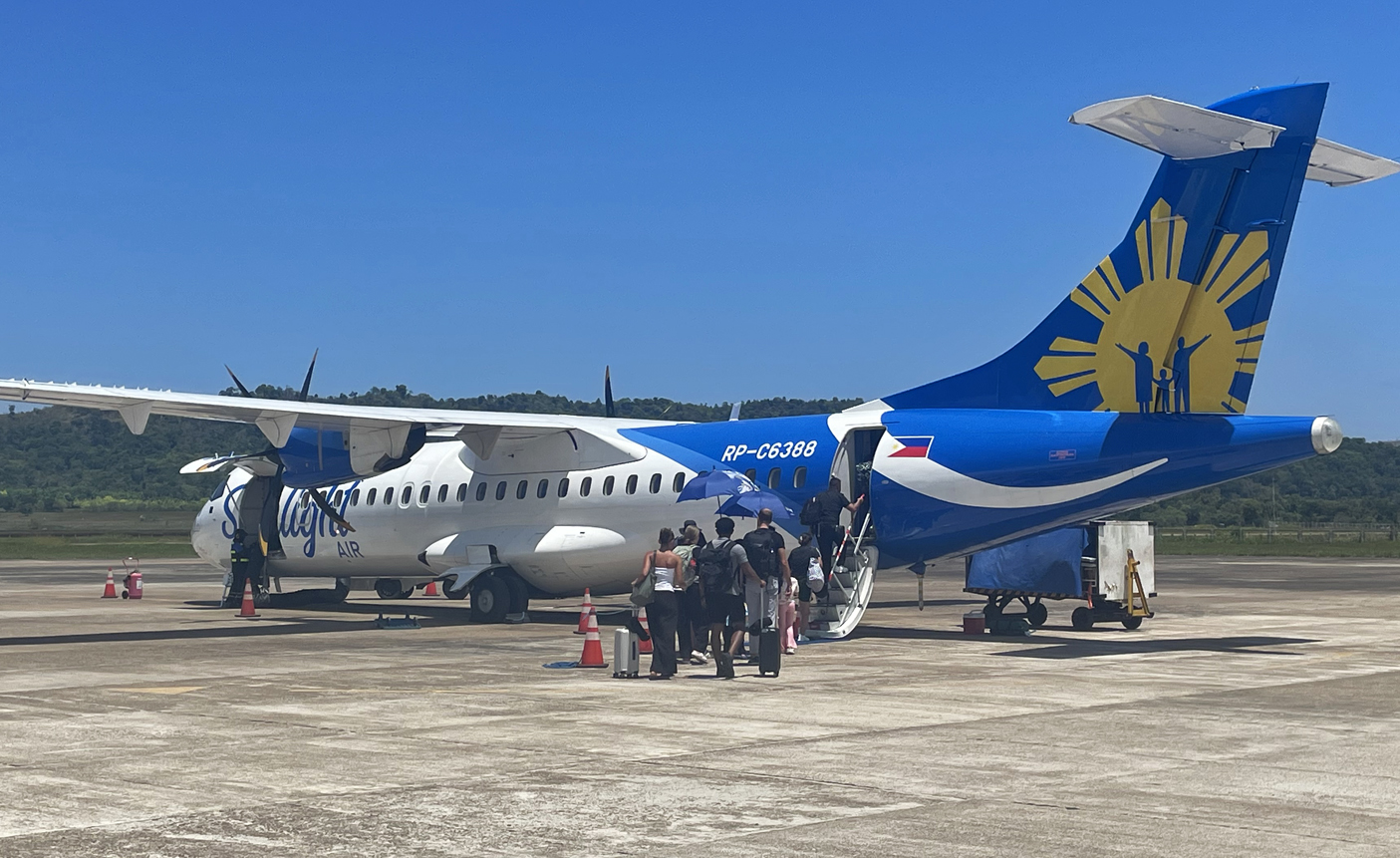
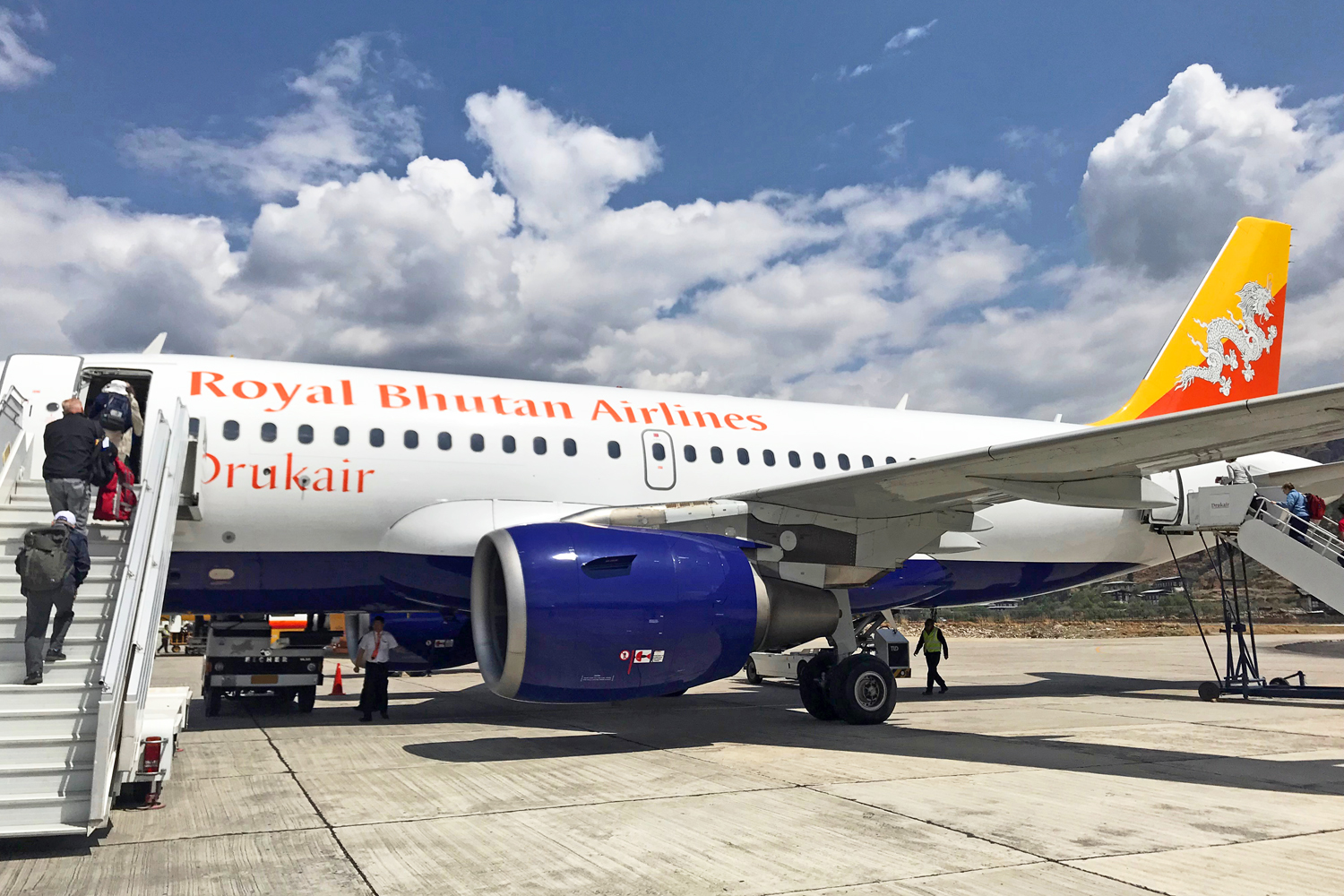
Patrick Smith, the pilot-author behind AskThePilot.com and a current Boeing 757/767 captain, recounts two encounters during personal travel through Asia that placed him, by his own admission, at the edge of his considerable aviation knowledge. The first involves Sunlight Air, a boutique Philippine carrier operating a four-aircraft fleet of ATR turboprops on thin inter-island routes, including the Busuanga-to-Cebu sector. The second involves a Drukair flight from Bangkok to Paro, Bhutan, that made an intermediate stop in Guwahati — a northeastern Indian city of nearly one million people that Smith had never previously encountered, discovering its existence only upon seeing the destination board at check-in. Both incidents are framed not as operational anomalies but as evidence that even experienced aviation professionals carry knowledge gaps, particularly at the granular level of secondary-market regional carriers and mid-tier Asian cities.
The ATR observation carries particular weight for operators and pilots who came up through the regional system in the 1990s. Smith notes approximately 400 hours of first officer time in the type at American Eagle during that decade, a period when turboprops were the dominant equipment on sub-100-seat regional routes across the United States. The subsequent displacement of turboprops by regional jets — which the article characterizes as a near-total takeover — reflects an industry-wide shift driven by passenger preference for cabin altitude, noise profile, and the perception of jet equipment as inherently more capable. Yet Sunlight Air's operation in the Philippine archipelago demonstrates the economic and operational argument for the ATR that persists in island and thin-route markets globally: lower acquisition and operating costs per trip, the ability to serve shorter runways, and a payload-range profile well-matched to inter-island hops of under 300 nautical miles. For corporate and charter operators evaluating turboprop vs. light jet economics on similar thin routes, the model remains instructive.
Drukair's appearance in the article is brief in narrative terms but significant in operational context. Paro International Airport in Bhutan is among the most operationally demanding commercial airports on Earth, situated at 7,332 feet MSL in a narrow Himalayan valley requiring a curved visual approach through mountainous terrain. The airport is restricted to a handful of specially certified crews and carriers, and Drukair — the flag carrier operating under the name Bhutan Airlines — holds one of the few authorizations. The intermediate stop at Guwahati's Lokpriya Gopinath Bordoloi International Airport, while apparently unremarkable to the airline's regular operation, highlights how secondary-tier airports in rapidly developing South Asian economies are increasingly integrated into thin but legitimate international routing structures. Guwahati serves as a growing hub for northeastern India, a region with significant infrastructure investment underway, and its inclusion on international itineraries reflects both demand growth and the hub-and-spoke logic that shapes regional carrier networks across the subcontinent.
At a broader level, the column illustrates a structural reality confronting aviation professionals: the global carrier landscape has grown substantially more fragmented and diverse than the dominant flag-carrier model of the 1980s and 1990s would suggest. Boutique and micro-carriers operating two to six aircraft on niche routes — particularly across Southeast Asian archipelagos, the Pacific Islands, and Central Africa — are often invisible to standard airline databases and booking tools until they surface through aggregators like Kayak. For Part 135 and corporate operators considering wet-lease partnerships, capacity purchases, or positioning legs in developing markets, this fragmentation creates both opportunity and due-diligence obligation. Safety data, IOSA certification status, and regulatory oversight quality vary sharply across these operators, and the cheerful on-time departure Smith describes at Busuanga is not, by itself, a reliable proxy for systemic airworthiness. Smith's implicit endorsement of the experience is candid rather than analytical, but the underlying question — how to evaluate unknown carriers encountered in the field — is a live operational one for any professional who positions or deadheads through thin-service international markets.










 Read original article