CFM Archives - Leeham News and Analysis
GE Aerospace has announced that CFM International LEAP engines currently being shipped are finally reaching the durability benchmarks originally promised when the engine family was introduced to market in 2010. That original guarantee—that the LEAP would match the on-wing longevity of the proven CFM56, the workhorse engine that exclusively powers the Boeing 737NG and shares duty on the Airbus A320ceo with the IAE V2500—went unmet for years following the engine's entry into service. The LEAP-1A entered commercial operation in 2016, the LEAP-1B in May 2017, and both fell materially short of guaranteed on-wing time during their early service lives. Premature part failures and accelerated wear not only drove up maintenance costs but degraded fuel efficiency, partially or wholly eroding the double-digit fuel burn improvements the new-generation narrowbodies were sold on.
The durability shortfall has had industry-wide consequences that are impossible to ignore at the operational level. While Pratt & Whitney's GTF problems metastasized into a full-blown crisis—grounding upwards of 700 A320neos, scores of Airbus A220s, and a number of Embraer E195-E2s awaiting engine repairs—CFM's LEAP program suffered its own wave of premature engine removals and scattered AOG events, albeit at a less catastrophic scale. For airline operators and lessors, both scenarios translate to the same commercial pain: aircraft sitting on the ground, lease payments continuing, and passengers requiring reaccommodation. The announcement that durability has reached parity with the CFM56 represents a meaningful operational inflection point, particularly for 737 MAX operators who have no alternative narrowbody powerplant option and have had no choice but to absorb elevated shop visit rates.
Complementing the durability improvement narrative, GE Aerospace has simultaneously introduced a foam-based engine wash system designed to address the gradual performance degradation that occurs throughout normal engine operation. Unlike the water wash process that has been in use since Pratt & Whitney adapted it for JT8D engines in the early 1980s, GE's foam system provides a more thorough cleansing and is currently available on five commercial engine types: the CF34, LEAP, GE90, GEnx, and the Engine Alliance GP7200. For a LEAP-1A-powered A320neo, the procedure takes approximately four hours, with widebody applications running roughly eight hours, and typical maintenance intervals fall between every 250 and 500 cycles. In environments such as the Middle East, where fine dust particulates aggressively accelerate compressor and hot-section degradation, this kind of interval-based washing program represents a direct lever for fleet operators to manage fuel burn penalty and extend time between costly shop visits.
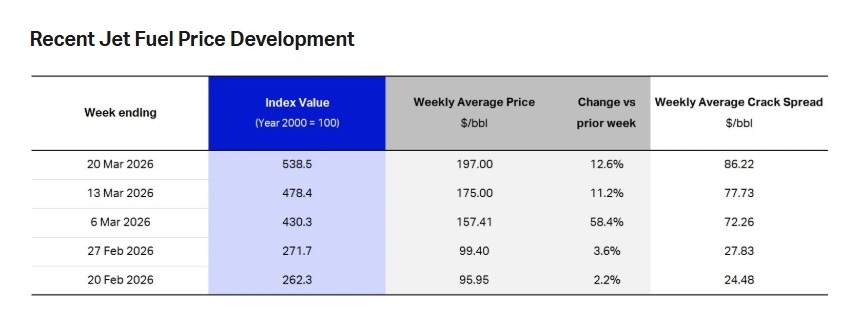
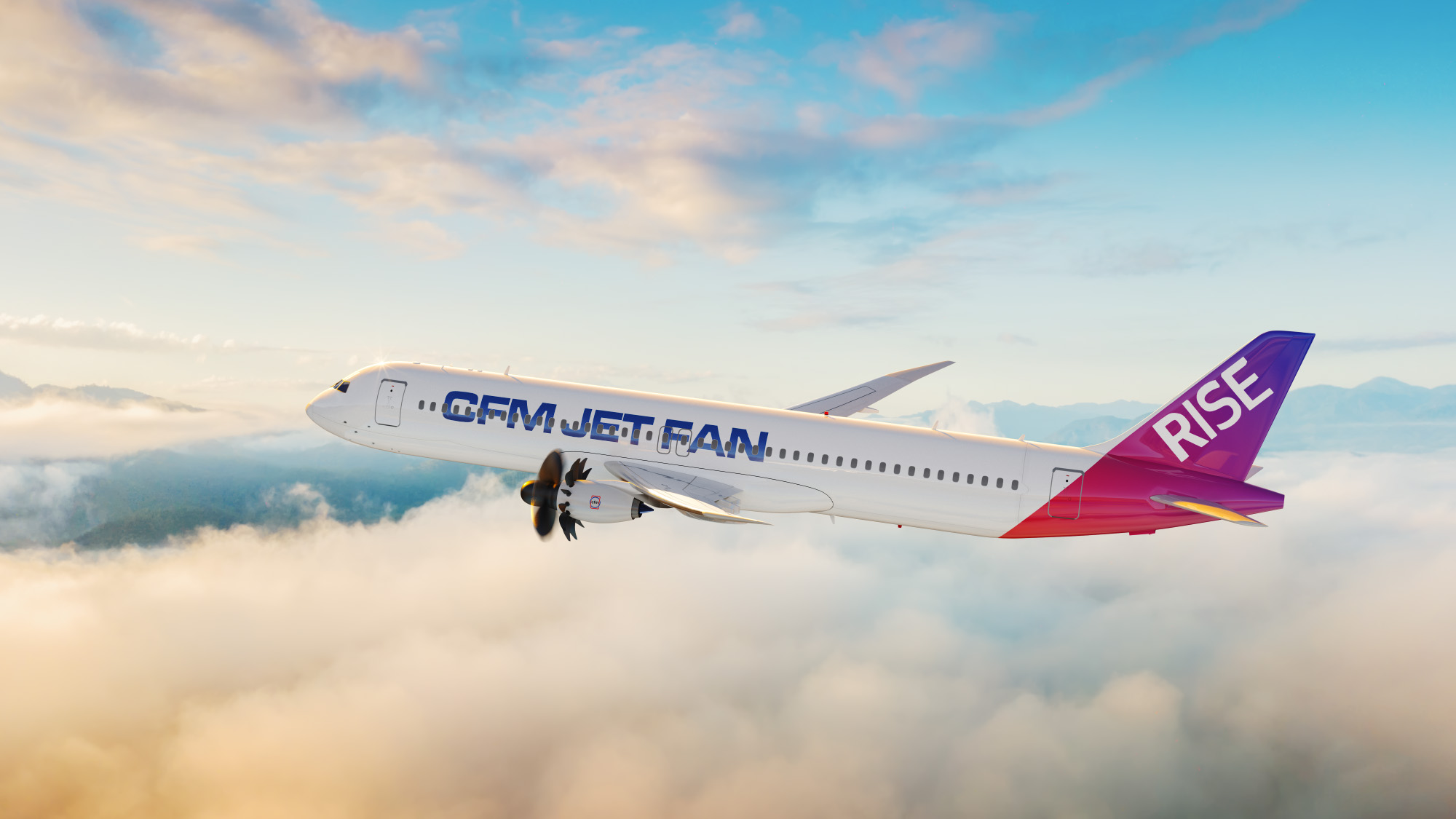
The broader context framing these developments is one of persistent supply chain strain across all major commercial engine programs. With jet fuel trading near $197 per barrel as of late March 2026—driven higher by the Iran war—the economic pressure on operators to maintain efficient, flight-ready fleets has rarely been more acute. Airbus and Boeing are already struggling to meet production schedules, and engine manufacturers across the board are described as unable to keep pace with demand even under favorable conditions. For operators managing Part 91K or Part 135 flight departments that rely on CFM56-powered assets like the 737NG or A320ceo variants, the maturation of LEAP durability also carries indirect relevance: as the LEAP installed base scales and aftermarket competition intensifies, parts availability and MRO pricing dynamics for legacy CFM56 operators will evolve. GE Aerospace's broader 2026 program outlook—spanning LEAP production records, GEnx aftermarket growth, GE9X certification advances toward the 777X's anticipated 2027 entry into service, and the long-horizon RISE open fan development—signals a company investing heavily to ensure the next decade of commercial and business aviation powerplant economics works in operators' favor.







 Read original article