Western Global Joins FedEx To Become Just 2nd Airline To Revive The MD-11
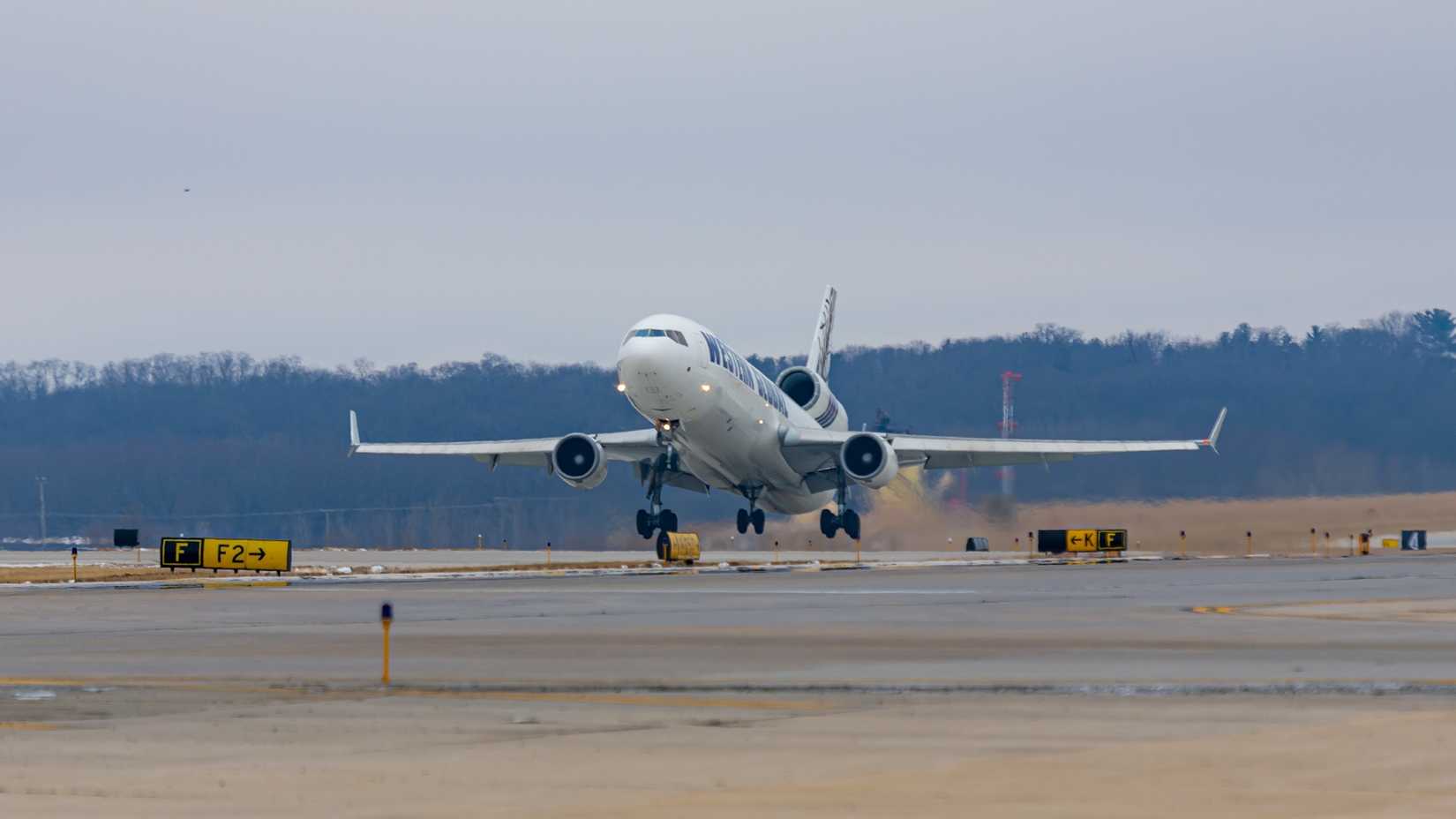
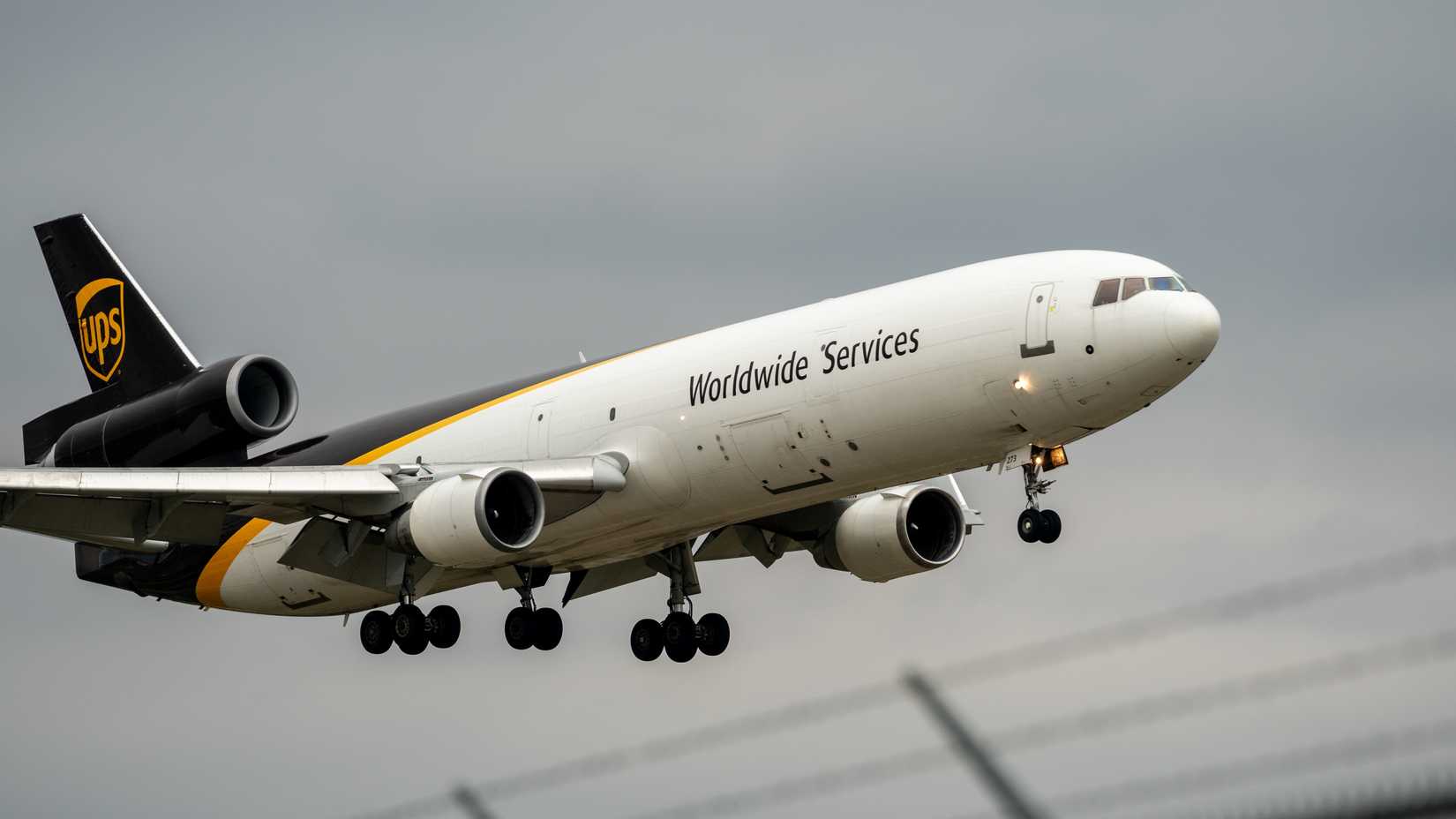
Western Global Airlines resumed McDonnell Douglas MD-11F freighter operations on May 21, 2026, becoming only the second U.S. carrier to return the tri-jet to service following a fleet-wide grounding triggered by the fatal November 2025 crash of a UPS MD-11F near Louisville Muhammad Ali International Airport. The accident, which killed 15 people, was attributed to fatigue cracking in structural components connecting the engine pylon to the wing, prompting an immediate FAA-mandated grounding of all U.S.-operated MD-11s while Boeing and the NTSB conducted a comprehensive investigation. After months of review, Boeing developed a revised inspection and repair protocol targeting the engine pylon attachment system, which the FAA ultimately accepted as the basis for a conditional return-to-service authorization. Flight tracking data confirmed the reactivation when Western Global's N781SN flew between Fort Myers RSW and Columbus Rickenbacker Airport LCK, the airline's first revenue-oriented MD-11F activity since the grounding began.
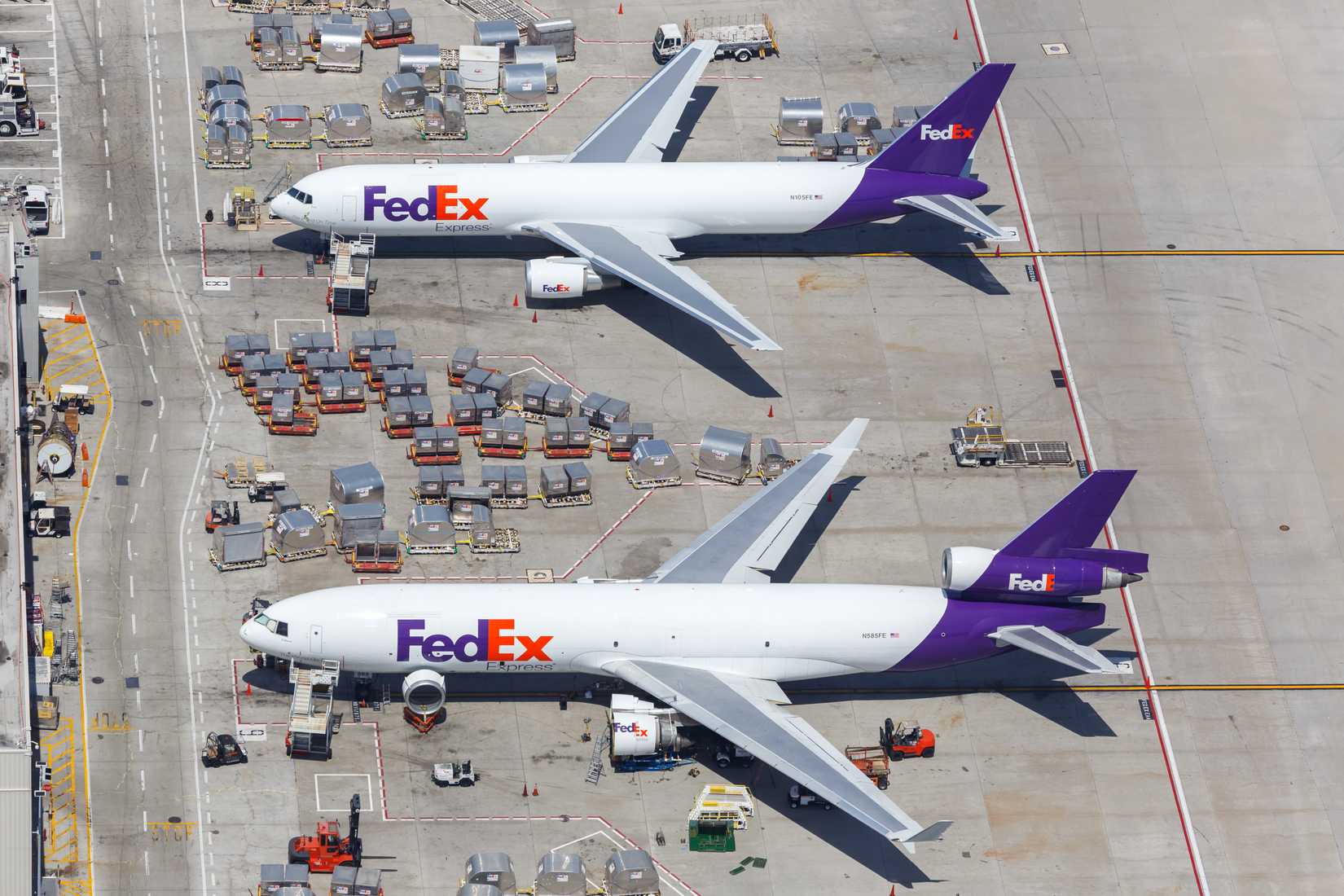
The operational significance of this return cannot be overstated for a carrier of Western Global's scale and fleet composition. The Florida-based cargo specialist built its long-haul network around approximately 15 MD-11 freighters alongside just four Boeing 747-400Fs, leaving it disproportionately exposed to the grounding relative to diversified majors like FedEx. Reports during the grounding period indicated pilot furloughs and widespread parking of aircraft, raising serious questions about the airline's near-term viability. By contrast, FedEx — which holds 29 MD-11s and warned of up to $175 million in financial impact from the grounding — had the balance sheet and fleet alternatives to absorb the disruption more comfortably before resuming operations when restrictions were lifted. Western Global's decision to invest in compliance with the new structural inspection requirements rather than retire the type, as UPS chose to do, reflects both the aircraft's operational utility for the carrier and a calculated bet that continued airworthiness oversight will keep the program viable in the near term.
For working cargo pilots and operators, the return of the MD-11 under a revised maintenance and inspection framework carries important practical implications. The new FAA-approved protocol places renewed emphasis on pylon structural inspections at defined intervals, and crews operating the type should expect heightened regulatory and maintenance scrutiny as operators demonstrate ongoing compliance. The MD-11's value proposition remains intact in specific operational contexts — its range, payload, and ability to serve airports that cannot accommodate larger freighters like the Boeing 777F make it difficult to replace economically in certain network segments. However, pilots transitioning into or continuing on type should understand that the aircraft now operates under a tightened airworthiness environment, and that maintenance event frequency and depth may increase compared to pre-grounding norms. Dispatch reliability may be affected as inspection intervals are worked into scheduling, particularly for smaller operators with limited spare airframes.
The broader trajectory for the MD-11 nonetheless points toward a finite operational lifespan. Production ended in 2000, and the global fleet has been contracting for years as maintenance costs rise and parts availability narrows. UPS's permanent retirement of its fleet following the 2025 accident removes one of the type's last major operators and further accelerates the contraction of the support ecosystem — spare parts pools, trained mechanics, and specialized MRO capacity — that sustains airworthiness for aging tri-jets. Boeing's 777F and the forthcoming 777-8F represent the long-haul freighter future for large integrators and cargo carriers, while the 767F continues to absorb medium-range, lower-density freight roles. For Western Global in particular, the question of fleet transition planning is not abstract; the airline will eventually need a path toward newer equipment as the MD-11's operating economics deteriorate and its remaining airframe hours are consumed. The 2025 accident and its aftermath have effectively compressed the MD-11's viable operational window, even for operators willing to comply with enhanced inspection regimes.









 Read original article