Jetwhine
Jetwhine, the aviation blog and podcast platform founded by Chicago-based journalist and certificated pilot Rob Mark around 2004, has established itself over two decades as an independent voice in aviation commentary, targeting working pilots, aviation professionals, and engaged enthusiasts. Unlike trade publications tied to industry advertisers or association messaging, Jetwhine operates without formal organizational affiliation, giving Mark and his contributors latitude to publish opinions and analysis that more institutional outlets often avoid. The platform spans a regularly updated blog, a podcast hosted on Libsyn, and as of 2024, a companion project called *Stories About Flying*, which extends the platform's educational and narrative mission into deeper longform territory aimed at both professionals and general aviation audiences.
The editorial content on Jetwhine tracks directly with regulatory and operational issues that define the careers of professional pilots. The platform's recurring coverage of the 1,500-hour ATP rule — the legislative consequence of the February 2009 crash of Colgan Air Flight 3407 near Buffalo, New York — reflects ongoing debate within the pilot community about whether the hour threshold addresses the actual causal factors of regional airline accidents or primarily restricts the pipeline of qualified candidates entering commercial aviation. Before the Airline Safety and Federal Aviation Administration Extension Act of 2010 took effect, regional carriers routinely hired first officers with as few as 250 to 300 total flight hours; the subsequent mandate for Airline Transport Pilot certification raised that floor to 1,500 hours, with narrow exceptions for military and four-year aviation degree graduates at 1,000 and 1,250 hours respectively. This remains a live policy question as the industry continues to navigate structural pilot shortages across Part 121 and Part 135 operations.
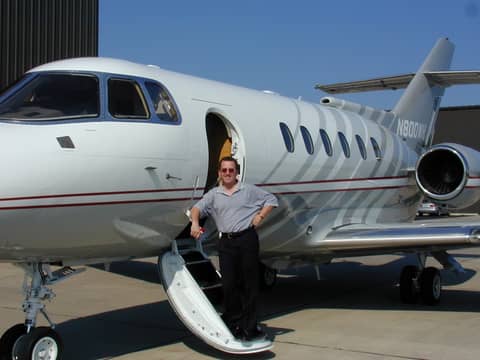
Jetwhine's coverage of business aviation — including detailed posts examining the loss of two Hawker jets, an 800XP and a 900XP, within a two-year span — reflects the platform's awareness that corporate and charter operations carry their own distinct risk profile and regulatory environment separate from the airline world. The Hawker 800 and 900 series aircraft were workhorses of the midsize business jet market for decades, and accident patterns involving specific airframes are directly relevant to operators, pilots, and flight departments evaluating type-specific training requirements and safety management practices. Mark, who has held his CFI certificate for more than 50 years, frames flight instruction not as an hour-accumulation exercise but as a high-stakes safety function — a perspective with immediate relevance to flight departments building internal training programs and to Part 135 operators evaluating the quality of pilot pipelines fed by independent flight schools.
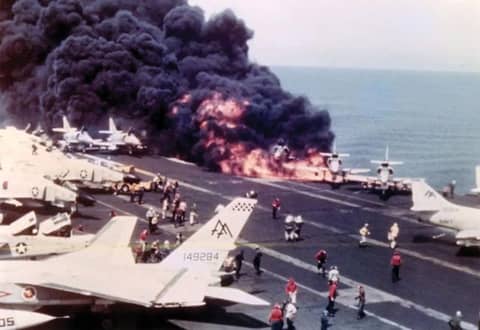
The platform's longevity — two decades of continuous publication beginning in the early era of aviation weblogs — positions Jetwhine within a broader trend of pilot-authored media that supplements and sometimes challenges the official regulatory and safety narrative produced by the FAA, NTSB, and industry associations. As aviation media has consolidated and trade publications have contracted, independent platforms like Jetwhine fill coverage gaps on topics ranging from air traffic control staffing pressures to the institutional memory embedded in historical events like the 1967 USS Forrestal fire. For professional pilots in Part 91, 91K, and 135 operations who consume aviation media as part of ongoing professional development, Jetwhine represents a category of content that blends operational relevance with analytical depth and editorial independence — a combination increasingly scarce in the current media landscape.




 Read original article