Blog Posts
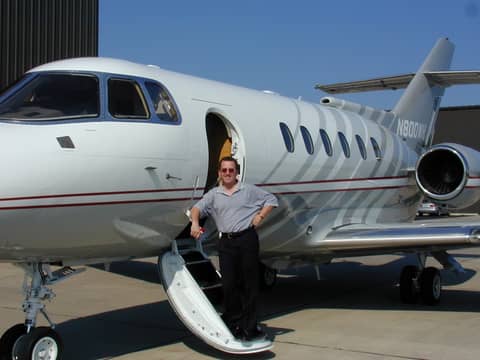
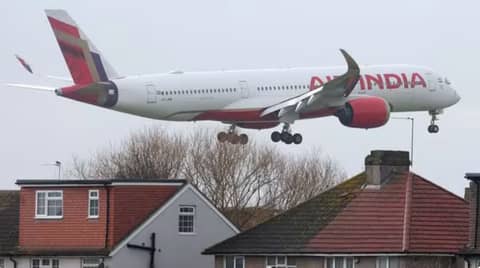
The blog archive published through the Airplane Geeks network, spanning late 2025 into spring 2026, reflects a consistent editorial focus on the regulatory, safety, and professional concerns most directly relevant to working pilots. The most substantive entries address the legacy of the 2009 Colgan Air crash near Buffalo — the precipitating event behind the ATP-1500 hour rule that fundamentally restructured regional airline hiring — alongside contemporaneous coverage of NTSB public hearings into the Reagan National Airport midair collision and the preliminary investigation of Air India Flight 171. Together, these posts form a through-line connecting past regulatory inflection points to active accident investigations that will almost certainly shape future training requirements, crew resource management standards, and approach procedures at capacity-constrained airports. The Hawker 800XP and 900XP accident coverage adds a business aviation dimension, highlighting that the turbine-powered Part 91 and 135 communities are not insulated from the same human factors and airframe-specific risks driving airline-side reform.
Entries on pilot currency and cockpit preparedness — particularly "Flying Demands Keeping Your Head in the Game" — speak directly to a challenge common across certificate levels and aircraft categories. The argument that even high-time professionals lose proficiency during extended gaps between flights is well-supported by accident data, and the post's audience-agnostic framing is appropriate: the recency-of-experience problem afflicts fractional operators, corporate flight departments, and regional first officers alike. The companion launch of the NTSB News Talk podcast, co-hosted by Max Trescott and the blog's principal author — both CFIs with more than five decades of flying — represents an effort to make NTSB investigative output more accessible to the broader pilot community, a segment historically underserved by mainstream aviation journalism when it comes to granular accident causation analysis.
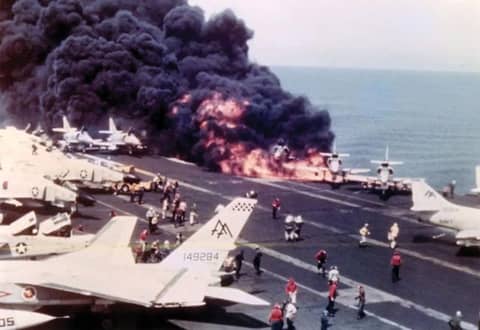
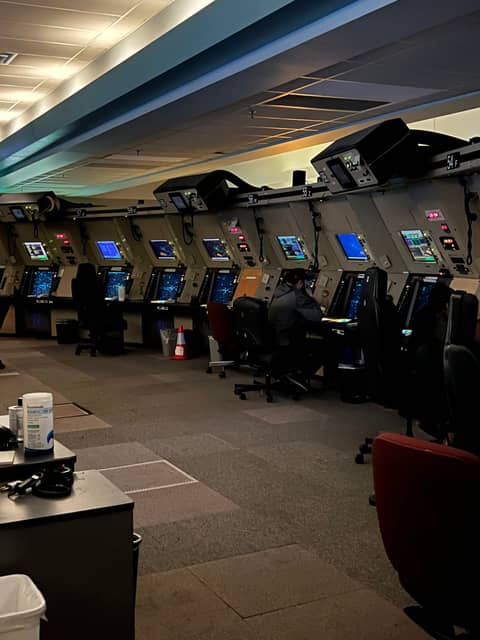
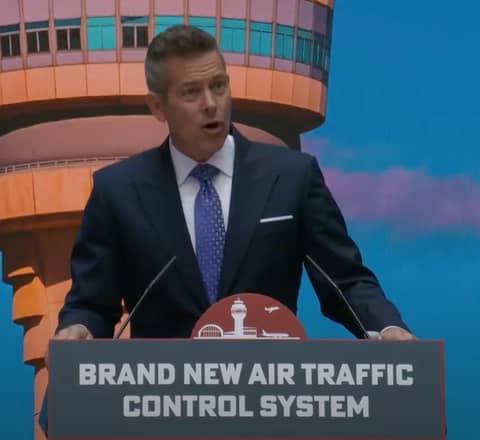
The blog's treatment of air traffic control — framed around government shutdown disruptions and systemic controller staffing pressures — connects to one of the most consequential operational variables facing IFR operators in the current environment. Controller shortages at major facilities have driven increased ground delay programs, miles-in-trail restrictions, and reroutes that add cost and complexity to every flight plan. For Part 135 and Part 91K operators running tight schedules, understanding the structural causes of those delays is not merely academic. The coverage of the USS Forrestal fire and the WASPs of Avenger Field, while historical in nature, serves the archival function of preserving institutional aviation memory — a practice that has documented value in safety culture, particularly when younger crews lack exposure to the lessons embedded in older accidents and programs.
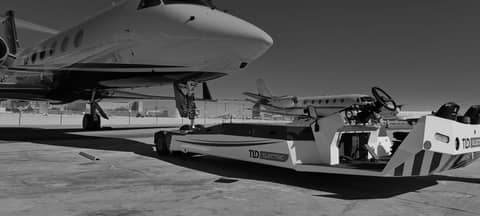
The inclusion of business aviation content — a Citation CJ4 evaluation and coverage of Hawker-type accidents — reflects the audience's compositional breadth, spanning airline professionals, business jet operators, and technically engaged private pilots. The Citation CJ4 entry is notable for arriving at a moment when the light jet market is crowded with new entrants and fractional operators are expanding their fleets in that category; the aircraft's handling characteristics and systems architecture are genuinely differentiated from heavier Part 25 iron, and informed operator-level coverage fills a gap left by manufacturer marketing materials. Across the full archive, the blog occupies a reliable niche: informed, experience-backed commentary that neither oversimplifies operational realities for lay readers nor retreats into the purely technical register of manufacturer documentation, making it a useful standing resource for professionals across the commercial and business aviation spectrum.











 Read original article