Airbus Next New Airplane Part 2. The neo Success.
Leeham News analysts Bjorn Fehrm and Scott Hamilton continue their multi-part series examining how Airbus will approach its next new single-aisle aircraft, with this installment focusing on the A320neo family as a case study in derivative platform development. The series is structured as an analytical framework: by understanding Airbus's engineering DNA through its past programs and then evaluating the incremental work done on existing platforms since the A350-900, the authors aim to assess whether Airbus has maintained the organizational and technical sharpness required to design an entirely new aircraft. The visible portion of the article situates the neo family not merely as a commercial product but as a litmus test for institutional capability — a significant framing for an industry watching Airbus navigate one of its most consequential development decisions in decades.
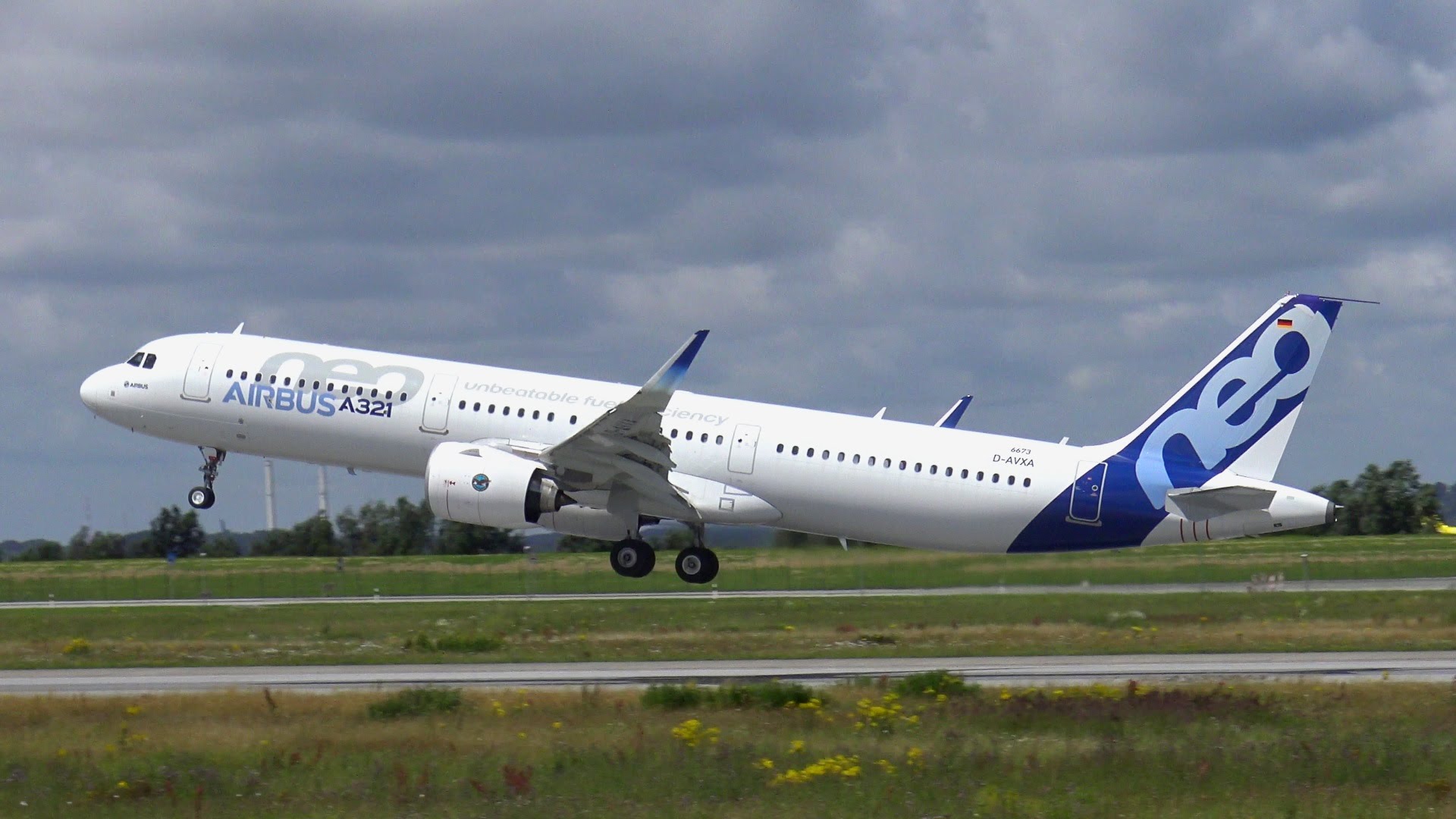
The A320neo family, launched in 2010 and entering service in 2016, is widely regarded as one of the most commercially successful aircraft programs in aviation history. By replacing the CFM56 and IAE V2500 engines with the CFM LEAP-1A and Pratt & Whitney GTF, Airbus delivered roughly 15–20 percent fuel burn improvements over the ceo variants while preserving commonality across type ratings — a crucial factor for operators managing mixed fleets. For airline pilots and Part 135 operators who fly the A320 family, this commonality translated directly into reduced training costs and scheduling flexibility. The neo program also introduced aerodynamic refinements including sharklet wingtip devices and revised nacelle integration, changes that required Airbus engineers to solve non-trivial aeromechanical challenges without the benefit of a clean-sheet design process.
The question Fehrm and Hamilton appear to be probing — whether derivative work keeps engineering teams sharp or inadvertently atrophies clean-sheet capability — is directly relevant to pilots and fleet planners monitoring the competitive landscape in narrowbody aviation. Boeing's struggles with the 737 MAX program and its subsequent inability to advance a new single-aisle on schedule have left Airbus in a dominant market position, but that dominance rests on a platform approaching the limits of evolutionary improvement. The A321XLR, certified in 2024, represents the outer boundary of what the A320neo airframe can absorb; further range or capacity gains require a new wing, new fuselage cross-section, or both. Airlines and lessors evaluating long-range fleet planning in the 2030s and beyond are already making assumptions about when a replacement will arrive and what its economics will look like.
For operators, the implications of Airbus's next program extend well beyond performance specs. Type rating structure, simulator availability, maintenance ecosystem maturity, and dispatch reliability curves in the early years of a new type all affect operational and financial planning. The neo transition itself was instructive: GTF engine teething problems in 2016–2018 caused significant AOG rates for early operators, a reminder that even well-resourced derivative programs carry certification and entry-into-service risk. A clean-sheet program, by definition, amplifies that risk across every system. Pilots transitioning to the new type, whenever it arrives, will face a training pipeline that cannot rely on the deep commonality the neo provided with the ceo — a reality that airlines, training centers, and regulatory bodies will need to prepare for well in advance of first delivery.
The broader competitive context reinforces why this analytical series matters to the professional aviation community. With deliveries targeted for the latter part of the 2030s, Airbus's next single-aisle will compete against whatever Boeing ultimately fields as a 737 successor, as well as the COMAC C919 in markets where Chinese-manufactured aircraft gain regulatory acceptance. The outcome of that competition will shape narrowbody fleet composition for the better part of the 2040s and 2050s — the aircraft that today's mid-career airline pilots will fly through the end of their careers, and that today's corporate and charter operators will evaluate as turbofan technology and sustainable aviation fuel compatibility continue to evolve. Understanding how Airbus is building toward that program, as Fehrm and Hamilton are attempting to document, provides operators and crew with a valuable forward-looking framework for fleet strategy and career planning alike.




 Read original article