Alaska Airlines To Boost Boeing 737 MAX 8 Flights By 22% As Fleet Grows To 17
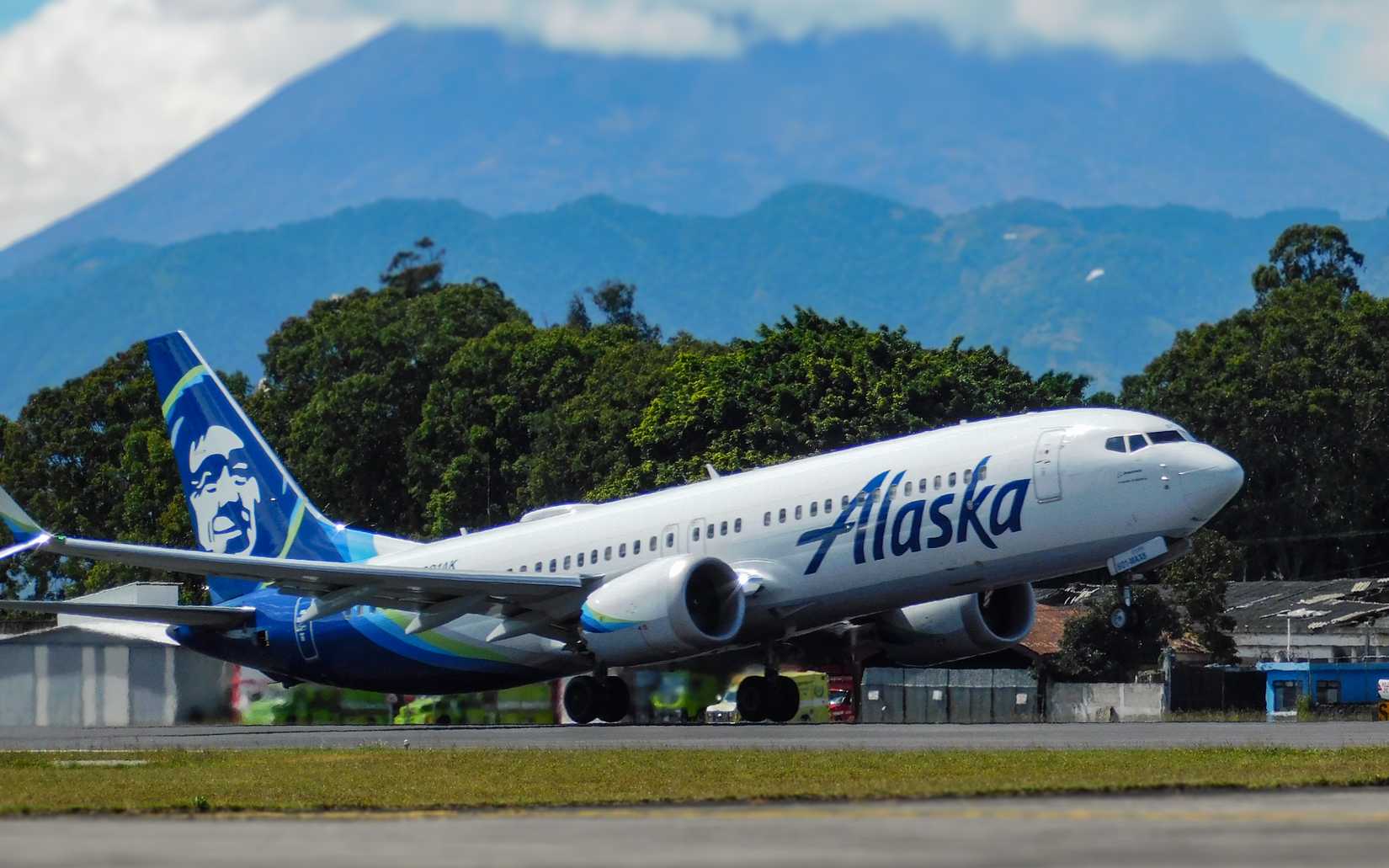
Alaska Airlines is accelerating its Boeing 737 MAX 8 deployment, with Cirium data showing a 22% increase in MAX 8-operated flights between May and June 2026 — from 1,329 to 1,632 scheduled departures. The carrier currently operates 17 MAX 8s with an average fleet age of approximately one year, and has eight additional aircraft on order, signaling sustained near-term growth in the type's operational share. The June schedule translates to 262,752 seats and roughly 441 million available seat miles, up from 354 million ASMs in May. Top-utilized routes include the Hollywood Burbank–Seattle corridor (64 one-way flights), Los Angeles–Seattle (39), and Seattle–Fairbanks (33), with the latter's ASM output reflecting the aircraft's range utilization on longer-stage Alaska routes.
From an operational standpoint, the fleet's youth is a significant factor. A one-year average age means these aircraft are largely pre-ETOPS maturity cycles and are operating well within early-life reliability windows, which reduces MEL exposure and unscheduled maintenance events for line crews. The MAX 8 configured at 161 seats in a dual-class layout positions Alaska competitively on both West Coast shuttle routes — where seat density drives unit cost — and on longer domestic and transborder sectors where stage length amplifies ASM productivity. The inclusion of the Keflavík–Seattle pairing (30 flights, over 17 million ASMs) and the Burbank–Honolulu route (30 flights, over 12 million ASMs) in the June MAX 8 schedule is notable; both reflect the aircraft's extended-range capability being leveraged for transatlantic and transpacific segments, and both demand pilot crews current on ETOPS procedures and oceanic operations.
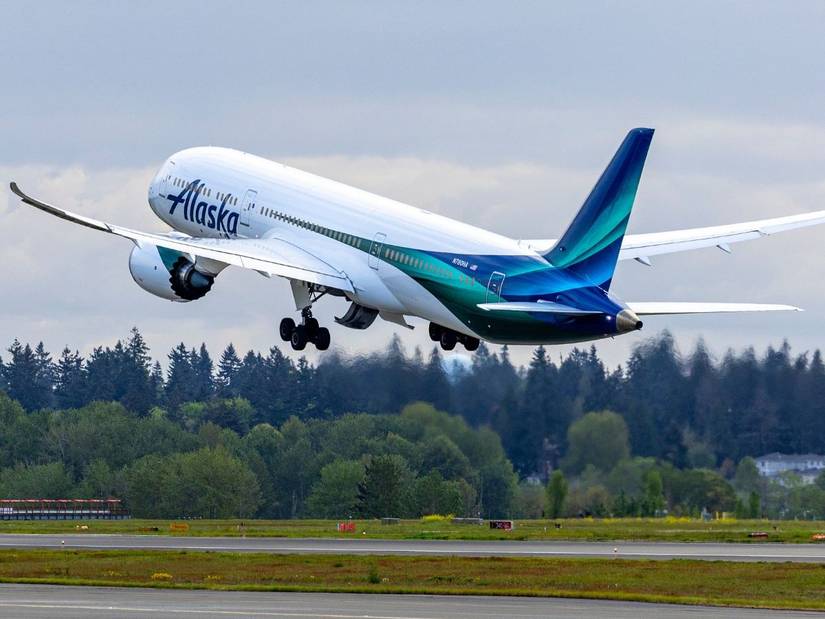
Alaska's international expansion strategy adds further context to the MAX 8 buildup. The carrier launched Seattle–Rome service on April 28 and Seattle–London Heathrow on May 21, and began a seasonal Seattle–Reykjavik nonstop on May 28. Whether these routes are operated by the MAX 8 or widebody equipment, the strategic intent is clear: Seattle is being repositioned as a full international gateway, not merely a domestic hub. The appearance of Sydney Harbour Bridge imagery in Alaska's updated safety video has generated speculation about a future transpacific route, which would require either widebody assets or a significant extension of narrowbody ETOPS authorization beyond current parameters. For pilots and chief pilots at Alaska and competing carriers, tracking which routes get assigned to the MAX 8 versus widebody equipment will be an indicator of how aggressively the airline pushes the type's range envelope.
For the broader industry, Alaska's MAX 8 ramp-up reflects a wider pattern of narrowbody operators using the type to supplant older 737NG and A320ceo aircraft on routes that were previously either uneconomical for narrowbodies or operated with less fuel-efficient legacy equipment. Southwest, United, and Ryanair have all committed heavily to the MAX family, and Boeing's production recovery — following years of 737 MAX production disruptions tied to fuselage quality issues at Spirit AeroSystems — has enabled accelerating deliveries to airlines with deep order books. For Part 91K and charter operators monitoring the competitive landscape, the MAX 8's increasing density on West Coast corridors and select international markets signals tighter yield competition on those routes, while also normalizing the type's operational profile in the eyes of regulators, insurers, and dispatchers who interface with ETOPS and long-range narrowbody procedures. Alaska's fleet modernization trajectory with the MAX 8 is a concrete example of how a mid-size U.S. carrier can leverage young, efficient narrowbody assets to pursue what was, until recently, considered widebody-exclusive international territory.







 Read original article