Platoon Aviation to become Europe’s largest Cessna Citation Longitude fleet operator | Corporate Jet Investor | CJI news
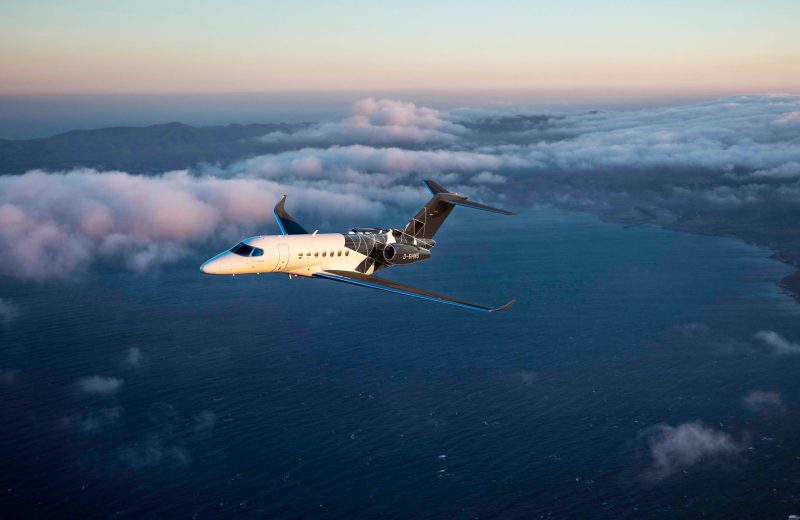
Platoon Aviation, a Hamburg-based on-demand charter operator, has signed a multi-aircraft purchase agreement with Textron Aviation that will position it as the largest Citation Longitude fleet operator in Europe, with initial deliveries of four aircraft scheduled for the first quarter of 2027. The deal marks a significant strategic pivot for a company that currently operates an exclusively Pilatus PC-24 fleet of 12 aircraft — a single-engine turboprop-powered light jet platform occupying a fundamentally different market segment than the super-midsize Longitude. By moving into the super-midsize category, Platoon is making a deliberate commercial bet that European charter demand for longer-range, higher-capacity cabin aircraft justifies a fleet transformation at scale. The financial terms of the agreement were not disclosed, though multi-aircraft Longitude orders at list pricing typically represent commitments well into the hundreds of millions of dollars.
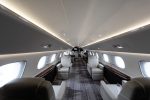
The Citation Longitude's specifications align directly with the operational demands of the European transoceanic and intercontinental charter market. With a published range of approximately 3,500 nautical miles, the aircraft can comfortably serve thin but lucrative city pairs such as Hamburg–Madrid and London–Athens without technical stops — routes where time-sensitive business travelers have historically tolerated schedule inflexibility on commercial carriers. The flat-floor, stand-up cabin measuring 1.83 meters with seating for up to 12 passengers positions the Longitude competitively against the Bombardier Challenger 350 and Embraer Praetor 600, both of which occupy the same super-midsize segment. Textron's claim that the Longitude offers the quietest cabin in its class is relevant to charter operators because cabin noise levels are increasingly a differentiator in premium charter sales conversations, where passenger experience directly drives repeat booking rates.
For working pilots and aviation operators, the Platoon agreement signals continued fleet growth pressure in the European super-midsize charter market and raises important considerations around crew qualification, type rating availability, and base infrastructure. The Longitude is powered by Honeywell HTF7700L engines and certified under EASA regulations, meaning European operators face no foreign validation burden, but Citation Longitude type ratings remain a relatively specialized credential compared to the broader pool of Phenom or Citation XLS-rated pilots. As Platoon scales its fleet, it will need to build or acquire a pipeline of Longitude-qualified captains and first officers — a recruitment challenge that mirrors what several U.S. Part 135 operators have encountered when rapidly expanding super-midsize fleets. Textron's commitment to back the fleet with its European service network, including five company-owned maintenance centers, a parts distribution hub, and 24/7 AOG support, will be operationally material to dispatch reliability and aircraft availability metrics.
The broader trend this deal reflects is the consolidation of European charter capacity around larger, longer-range platforms as operators respond to sustained post-pandemic demand for premium private travel. Several European operators have been retiring light and midsize jets in favor of super-midsize and large-cabin aircraft to improve yield per flight hour and attract corporate contract business that light jets cannot service. Platoon's transition from the PC-24 — an aircraft prized for short-field access and versatility — toward the Longitude suggests the company has concluded that range and cabin volume are now more commercially decisive than airfield flexibility in its target markets. Whether Platoon retains its PC-24 fleet alongside the incoming Longitudes or stages a full transition will shape how it positions itself competitively against established European super-midsize operators such as VistaJet, Air Hamburg, and DC Aviation, all of whom already operate aircraft in this weight class.