Boeing Delivers FedEx’s 152nd & Final 767-300 Freighter Ahead Of Production End Next Year
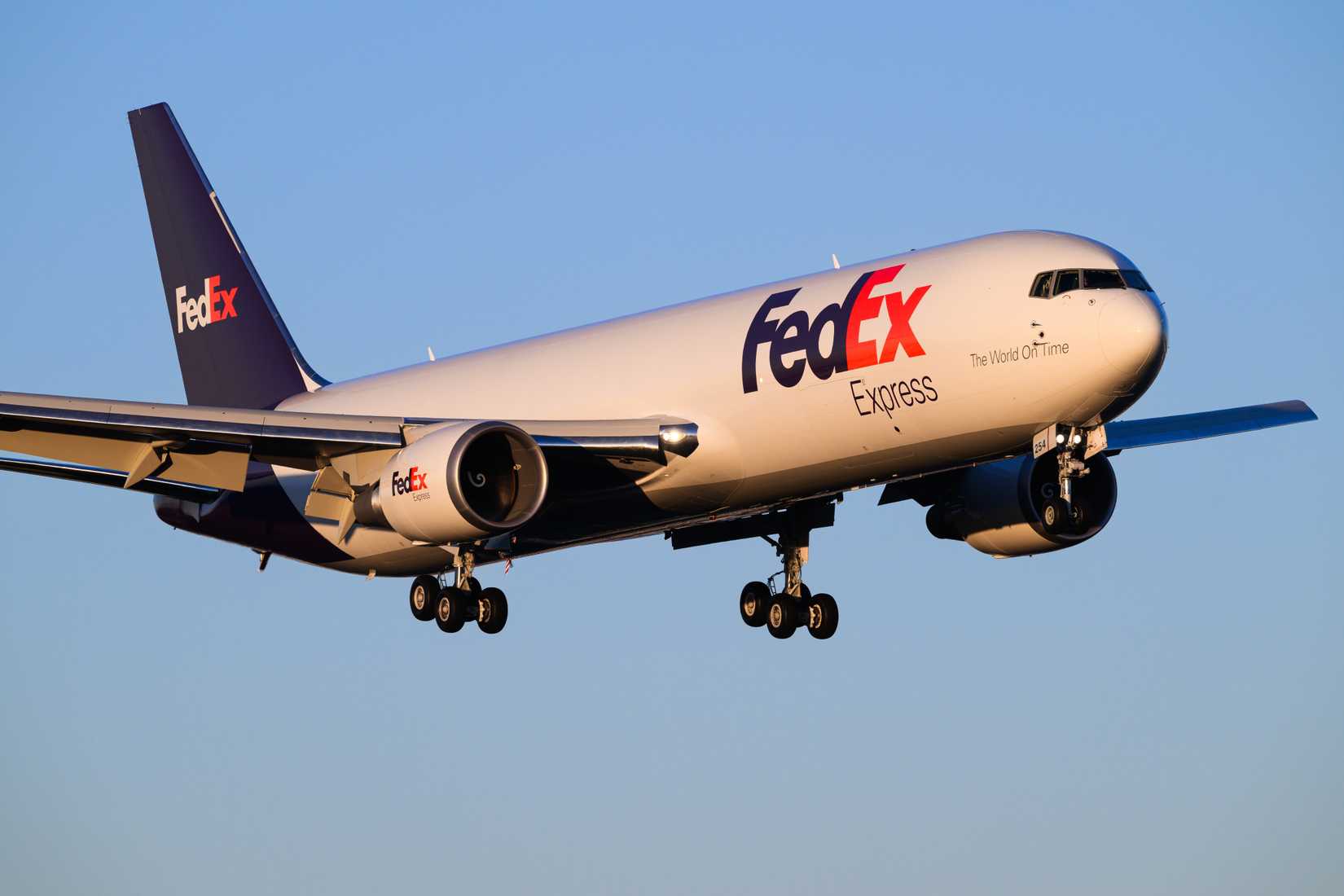
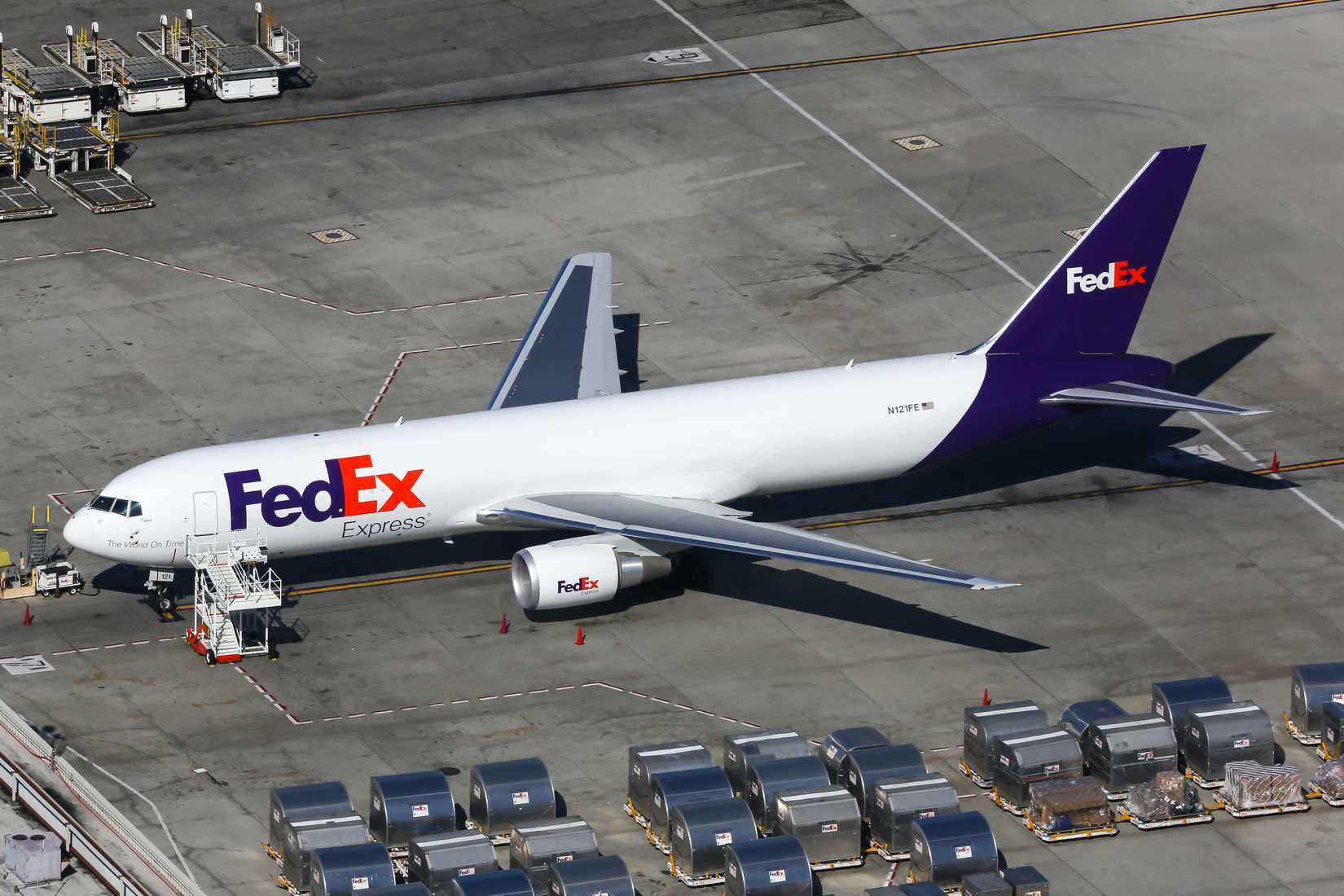
Boeing's delivery of N244FE to FedEx Express on May 28, 2026, marks the conclusion of one of the most consequential freighter procurement programs in modern air cargo history. The aircraft, a 767-300F bearing the distinction of being FedEx's 152nd and final example of the type, completed its delivery flight from Everett's Paine Field (PAE) to Indianapolis International Airport (IND) as FX9050, covering the route in three hours and 45 minutes at a cruising altitude of 41,000 feet. The delivery closes out FedEx's planned replacement of its aging MD-10 and MD-11 fleet, a transition that has reshaped the carrier's operational profile over the past two decades. Boeing has already signaled that the 767 freighter production line will close once remaining commitments to FedEx and UPS Airlines are fulfilled, effectively ending commercial production of a widebody platform that entered service in 1982 and became the backbone of global express cargo networks.
For pilots operating within the freight and express cargo ecosystem, the 767-300F's operational characteristics explain precisely why FedEx pursued such a deep fleet commitment to the type. The aircraft delivers approximately 30 percent better fuel efficiency than the MD-10 and MD-11 platforms it replaced, translating to roughly 20 percent lower operating costs — figures that matter enormously on the high-frequency, thin-margin domestic and medium-haul international routes that define hub-and-spoke express operations. With a payload capacity of approximately 58 metric tons and a range of 2,922 nautical miles, the 767-300F occupies a middle-market niche that neither the smaller 757-200F nor the larger 777F can fill as cost-effectively. Its 156-foot wingspan is also a practical advantage at congested ramp environments and regional airports where larger widebodies would impose ground handling constraints.
The 757/767 cockpit commonality program remains one of the more consequential type-rating decisions in cargo aviation. Because the two types share a common type rating, FedEx has been able to develop a single pilot pool that flows across both fleets, dramatically increasing scheduling flexibility and reducing the training cost per pilot across a combined fleet of over 225 aircraft. This cross-utilization model reduces the operational impact of irregular operations, allows schedulers to cover open positions with pilots current on either type, and lowers the simulator time burden that would otherwise accompany maintaining proficiency across dissimilar widebody and narrowbody equipment. For pilots at FedEx, the practical outcome is broader bidding opportunities and a career track that accommodates movement between types without a full new-hire training pipeline.
The closure of the 767 production line carries implications that extend well beyond FedEx's hangar in Indianapolis. Boeing is effectively exiting the medium widebody freighter segment entirely once UPS and FedEx orders are exhausted, leaving Airbus — through its A330-200F and the forthcoming A350F — as the primary provider of new-production widebody freighters in the 60-to-80-ton payload class. For operators currently flying 767 freighters across charter, ACMI, and Part 121 cargo environments, the long-term maintenance and parts supply picture will become an increasing planning consideration as the fleet ages and the production ecosystem contracts. The parallel situation with the 757 — which ceased production in 2004 and remains in widespread service but with a shrinking parts and airframe supply — offers a preview of what the 767 operator community can expect over the next 15 to 20 years.
FedEx's completed 767 fleet of 152 aircraft now stands as the largest single-operator concentration of the type globally, giving the carrier significant leverage in parts pooling, simulator access, and maintenance contracts — advantages that smaller 767 operators will find increasingly difficult to replicate. With the broader air cargo industry navigating persistent demand from e-commerce growth and supply chain restructuring, the 767's mid-size flexibility ensures it will remain a critical asset in FedEx's network for years to come, even as the production line goes dark. The delivery of N244FE is not simply an endpoint for a procurement program; it is a marker of a structural shift in the freighter manufacturing landscape that will influence fleet planning decisions across commercial and cargo aviation for the foreseeable future.










 Read original article